Quick answer: For most runners, the best all-around choice in 2026 is the Ruffwear Front Range Harness — it’s comfortable for long distances, easy to fit, and won’t chafe your dog on a 5-mile run. If you want a true hands-free setup, pair a harness with a bungee waist leash. Budget runners should look at the Kurgo Tru-Fit Smart Harness, and serious canicross athletes should invest in the Non-stop Dogwear Freemotion Harness.
Running with your dog is one of the best things you can do for both of you — but the gear matters more than most people think. Grab the wrong harness and you’ll deal with chafing, restricted shoulders, a dog that pulls you off balance, or worse, a choking hazard. This guide walks you through exactly what to look for and which harnesses actually hold up mile after mile.
Why a Running-Specific Dog Harness Matters
Here’s the problem: most dog harnesses are designed for casual walks, not sustained movement. On a walk, your dog stops to sniff every three feet. On a run, they’re moving continuously for 20, 40, sometimes 60+ minutes — and any pressure point that’s merely annoying on a walk becomes a raw, chafed spot on a run.
A running-specific harness solves three things a walking harness or collar can’t:
– It protects your dog’s neck and airway. Sustained pulling on a collar puts direct pressure on the trachea and thyroid. A well-designed harness distributes force across the chest and shoulders.
– It preserves shoulder movement. Running dogs need full extension of their front legs. A poorly cut harness that crosses the shoulder blades shortens their stride and can cause long-term joint strain.
– It keeps you in control without yanking. With a hands-free bungee leash attached to a chest or back point, you absorb shock instead of transferring it to your dog’s spine — or getting jerked off your stride.
If you’re running more than a mile or two regularly, this is not a place to cut corners.
Key Features to Look for in a Running Harness
Before we get to specific picks, here’s the checklist to run any harness against:
Padding in the Right Places
Look for padding along the chest strap and belly strap — the two areas that bear the most friction during a run. Thin nylon webbing alone will chafe.
Y-Front (Not Straight-Across) Chest Design
A Y-shaped chest piece sits on the sternum and leaves the shoulders free. Avoid horizontal straps that cross directly over the shoulder joint — they restrict the stride and are the #1 cause of gait problems in active dogs.
Lightweight, Breathable Material
Your dog is working and generating heat. Mesh-backed or ripstop materials that dry fast and don’t trap sweat are ideal, especially in summer.
Secure, Non-Chafe Buckles
Buckles should sit away from the “armpit” (axillary) area. Metal or reinforced buckles hold up better than cheap plastic under repeated load.
Attachment Points
– Back clip — best for running; keeps the leash out from under your dog’s legs.
– Front clip — useful for training dogs that pull, but the leash can tangle in the legs at a run.
– The best harnesses offer both.
Reflectivity
If you run early mornings or evenings, reflective trim or piping is non-negotiable for safety.
Fit Adjustability
Look for at least four adjustment points. A harness that only adjusts in one place will never fit an athletic dog properly.
Top Picks at a Glance
| Product | Best For | Price Range |
| Ruffwear Front Range Harness | Best overall for most runners | |
| Non-stop Dogwear Freemotion Harness | Best premium / canicross | |
| Kurgo Tru-Fit Smart Harness | Best budget pick | |
| Ruffwear Web Master Harness | Best for secure control / escape artists | |
| Non-stop Dogwear Line Harness 5.0 | Best for serious canicross pulling |
Best Overall Dog Harness for Running in 2026
Ruffwear Front Range Harness
If you want one harness that does almost everything well, this is it. The Ruffwear Front Range has become the default recommendation among running dog owners for good reason: it’s padded where it counts, easy to put on, and holds its fit over long distances.
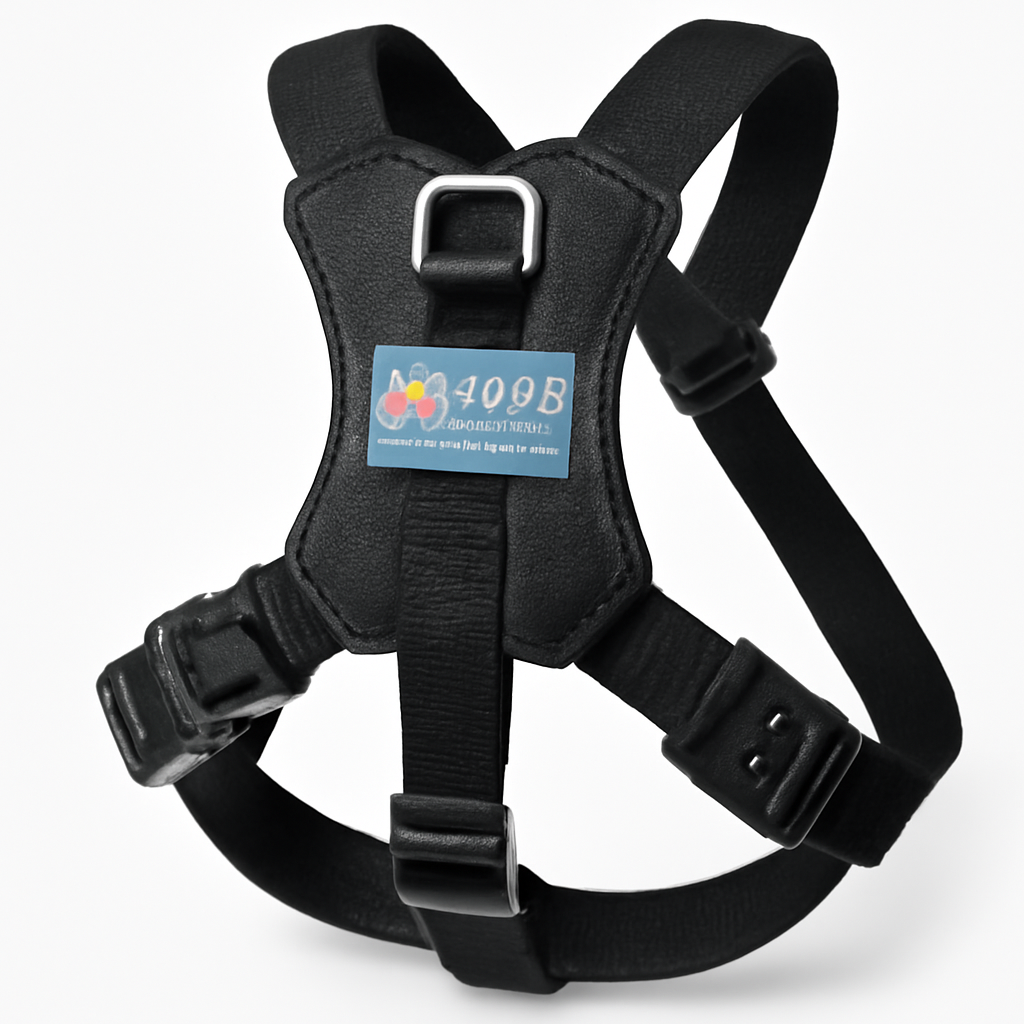
The foam-padded chest and belly panels spread pressure evenly, so even on longer runs you won’t see the chafing that plagues cheaper harnesses. It has four points of adjustment, both a reinforced back clip and a front clip, and reflective trim built into the webbing. There’s also a handy pocket for an ID tag.
It’s not a specialist canicross harness — if you’re doing competitive pulling sports, look at the Non-stop picks below — but for the 95% of people who just want to run comfortably with their dog, it’s the sweet spot.
Pros:
– Excellent padding; minimal chafing on long runs
– Both front and back attachment points
– Easy on/off, dials in a secure fit fast
– Reflective trim for low-light runs
– Extremely durable — holds up for years
Cons:
– Back clip sits a bit high for hardcore pulling sports
– Not the lightest option in hot weather
– Premium-ish price for a “walking” harness (worth it)
Best Budget and Best Premium Picks
Best Budget: Kurgo Tru-Fit Smart Harness
You don’t need to spend a fortune to get a safe, functional running harness. The Kurgo Tru-Fit delivers five adjustment points, a padded chest plate, and both front and back attachment options at a noticeably lower price. It also includes a crash-tested seatbelt tether, which is a nice bonus if your runs start with a drive to the trailhead.
It’s slightly bulkier than premium options and the materials aren’t quite as refined, but for a new runner or someone testing whether their dog takes to running, it’s hard to beat the value.
Pros:
– Genuinely affordable
– Five adjustment points for a dialed-in fit
– Padded chest plate reduces chafing
– Includes car seatbelt tether
Cons:
– Bulkier and heavier than premium harnesses
– Steel nesting buckles add weight
– Less breathable on hot days
Best Premium: Non-stop Dogwear Freemotion Harness
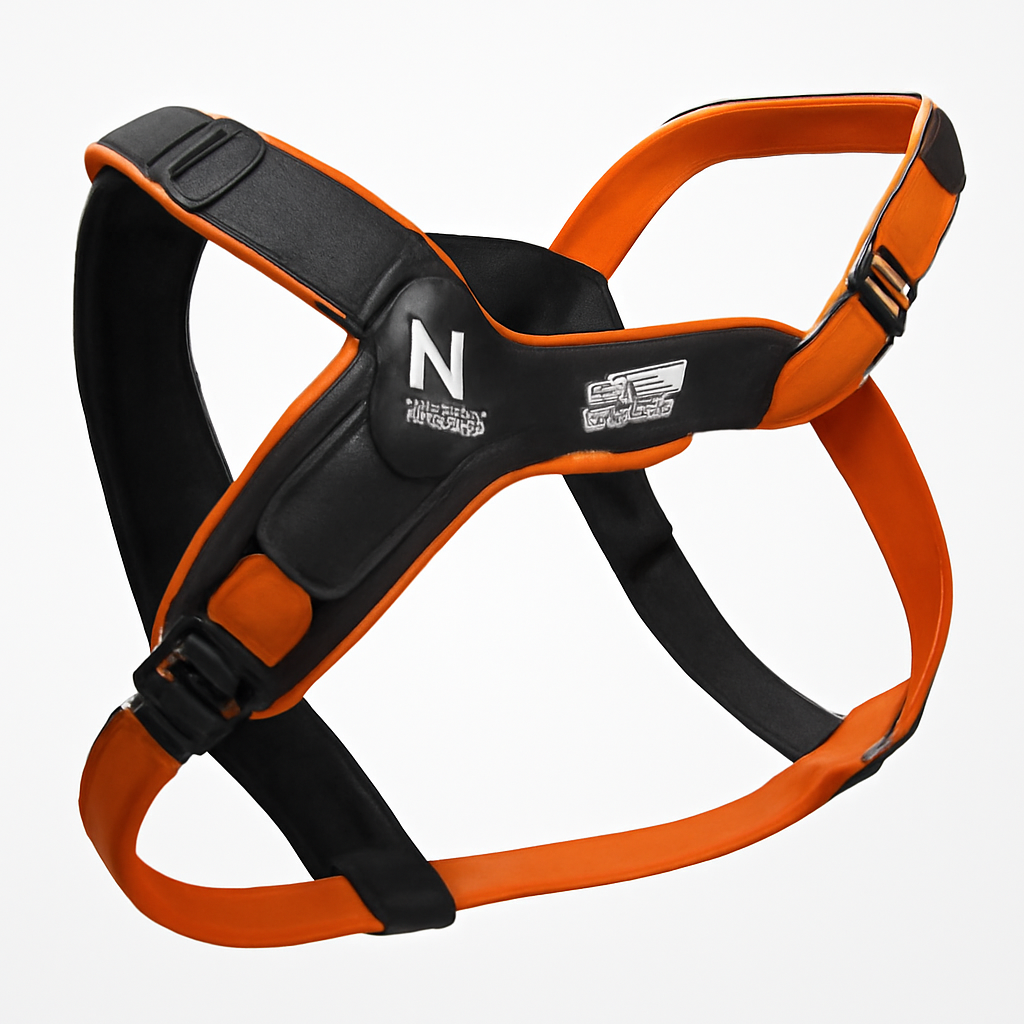
If you’re logging serious miles or want gear built specifically for running dogs, the Non-stop Dogwear Freemotion is worth every penny. Non-stop builds gear for sled and canicross athletes, and it shows. The Freemotion has a true Y-front that gives the shoulders complete freedom, lightweight padded construction that breathes well, and both a low back clip (for pulling/canicross) and a standard clip.
This is the harness for the runner who’s serious about it — long trail miles, a dog that loves to pull ahead, or anyone chasing canicross performance.
Pros:
– Anatomical Y-front — total shoulder freedom
– Lightweight, breathable, dries fast
– Dual attachment points including a canicross-ready low clip
– Built for high-mileage athletic use
Cons:
– Premium price
– Sizing runs specific — measure carefully
– More harness than a casual walker needs
For Serious Canicross: Non-stop Dogwear Line Harness 5.0
If your goal is actual pulling sport — canicross, bikejoring, skijoring — a running harness with a back clip isn’t enough. The Non-stop Dogwear Line Harness 5.0 is a dedicated pulling harness that channels force along the dog’s spine and distributes load for efficient, safe pulling. Overkill for a jog around the block, ideal for the trail-racing crowd.
For Escape Artists: Ruffwear Web Master Harness
Got a dog that can Houdini out of a standard harness, or one that needs extra security on technical terrain? The Ruffwear Web Master adds a third strap around the belly and a sturdy top handle, so you can spot your dog over obstacles and trust they won’t slip free.
How to Measure and Fit Your Dog’s Harness
Getting the fit right matters more than the brand. Here’s how to do it:
1. Measure the girth. Wrap a soft tape measure around the widest part of your dog’s ribcage, just behind the front legs. This is the single most important measurement.
2. Measure the neck/chest where the harness will sit, if the sizing chart asks for it.
3. Weigh your dog — most brands use girth + weight together.
4. Check the brand’s specific chart. Sizing varies wildly between brands. A “medium” in one line is a “large” in another — never assume.
The two-finger rule: Once it’s on, you should be able to slide two fingers flat under any strap. Tighter and it’ll chafe; looser and it can slip or shift.
Watch the armpit area. The most common fit failure is a strap sitting too close to the “armpit,” where repeated leg movement rubs it raw. There should be clear space between the strap and the leg.
Take your dog for a short test run before committing to a long one. Check for red skin or rubbing afterward, and re-adjust as needed. Dogs also change shape with conditioning, so re-check the fit every few weeks when you first start a running routine.
Harness vs. Collar: What’s Safer for Running?
Short version: for running, a harness is safer — full stop.
A collar concentrates all force on the neck. During a run, any sudden pull, stumble, or lunge sends that force straight into your dog’s trachea, thyroid, and cervical spine. Repeated over months of running, that’s a real injury risk — and for flat-faced or small breeds, it’s dangerous even in the short term.
A properly fitted harness distributes force across the chest and shoulders, protecting the neck entirely. It also gives you more control if your dog suddenly bolts toward a squirrel, and it pairs cleanly with a hands-free bungee leash so shocks get absorbed instead of transmitted.
| Collar | Running Harness | |
| Neck/airway pressure | High | None |
| Control during sudden pulls | Low | High |
| Chafing risk over distance | Low (but neck strain) | Low (if fitted right) |
| Works with hands-free leash | Poorly | Yes |
| Best use | ID tags, quick potty breaks | Running, hiking, sport |
Keep the collar on for ID tags — just don’t run your dog off it.
Care, Maintenance, and When to Replace Your Harness
A running harness takes a beating: sweat, mud, salt, sun, and repeated stress on the seams. A little maintenance keeps it safe and extends its life.
Cleaning:
– Rinse after muddy or beach runs — salt and grit degrade webbing and abrade your dog’s skin.
– Hand-wash with mild soap every couple of weeks during heavy use. Most harnesses should be air-dried, not machine-dried (heat weakens the webbing and melts adjusters).
Regular inspection — check these before they fail:
– Buckles for cracks or a weak click.
– Stitching at the load-bearing junctions (where straps meet the clip).
– Webbing for fraying, thinning, or sun-bleaching (UV weakens nylon over time).
– Padding for compression or hardening that could start to chafe.
When to replace:
– Any cracked buckle or frayed load-bearing seam — replace immediately, don’t gamble.
– Webbing that’s visibly thinned, stiff, or sun-faded.
– A fit that no longer adjusts snugly even at the right holes.
– After any incident where the harness took a hard, shock-loading force.
For a dog running several times a week, expect to replace a quality harness every 1–3 years depending on terrain and conditions. It’s cheap insurance.
Our Verdict
For the vast majority of runners in 2026, the Ruffwear Front Range Harness is the harness to buy. It nails the balance of comfort, durability, control, and price — comfortable enough for long runs, secure enough to trust, and simple enough that fitting it takes seconds.
– On a budget? The Kurgo Tru-Fit Smart Harness gives you a safe, well-padded, highly adjustable harness for less, plus a car tether thrown in.
– Serious miles or performance? Step up to the Non-stop Dogwear Freemotion Harness for true athletic-grade shoulder freedom — and the Non-stop Dogwear Line Harness 5.0 if you’re getting into canicross.
– Escape artist or technical terrain? The Ruffwear Web Master Harness adds the extra security and a handle you’ll be glad to have.
Whatever you choose, get the fit right, retire it before it fails, and never run your dog off a collar. Do that, and you and your dog have a lot of happy miles ahead.
Always check current pricing and confirm the correct size using each brand’s official sizing chart before purchasing.