Quick Answer
If you’re looking for the best creatine monohydrate supplement in 2026, you want a product that’s micronized for absorption, third-party tested, and free of unnecessary fillers. Creapure-based formulas remain the gold standard for purity, while brands like Optimum Nutrition Creatine Monohydrate , [Naked Creatine MuscleTech Creatine Monohydrate offer excellent quality-to-price ratios. Most people benefit from 3-5g daily, split across meals, after a 5-7 day loading phase.
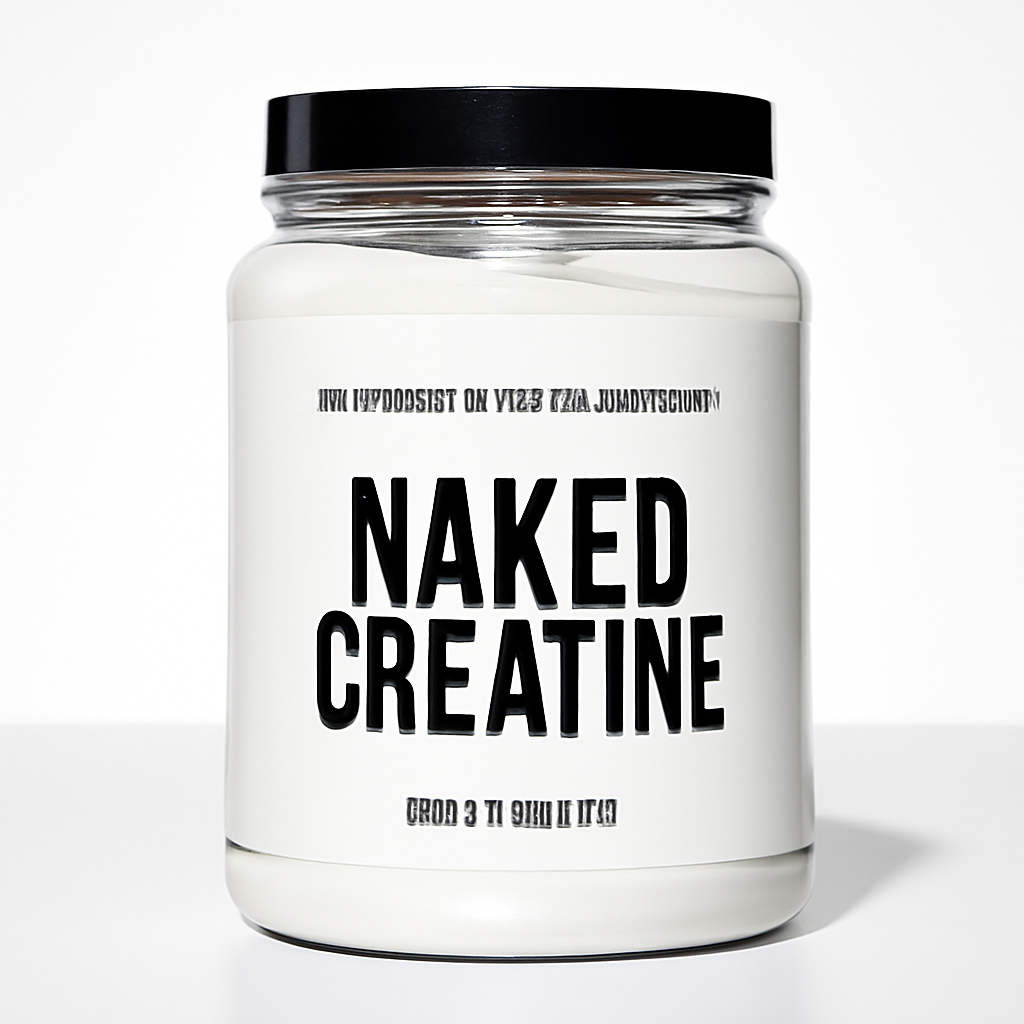
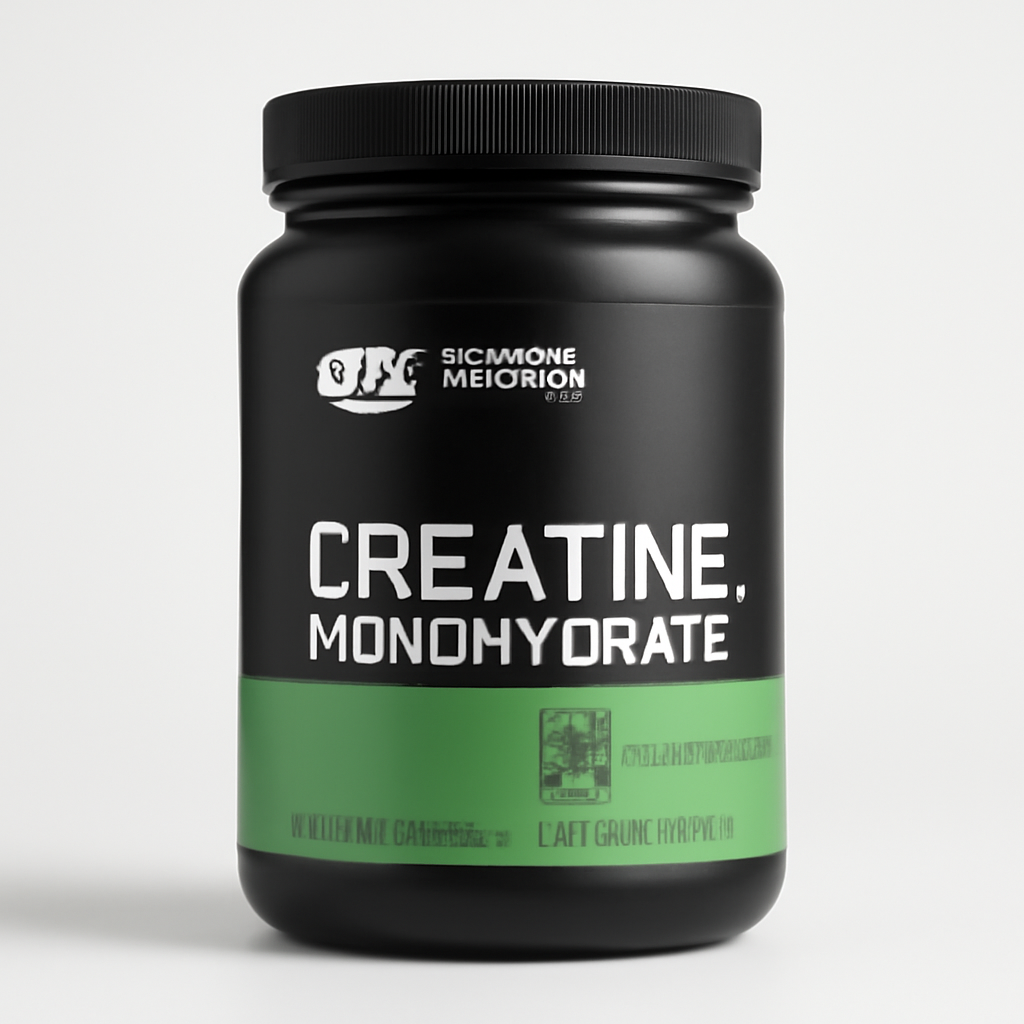
This guide breaks down everything you need to know to pick the right product for your goals.
—
What to Look for in Creatine Monohydrate Supplements
Before you add creatine to your cart, understand what separates a quality product from an average one.
Micronization Process
Micronized creatine has smaller particle size than standard versions. This matters because:
– Better solubility — dissolves easier in water
– Faster absorption — reaches your muscles quicker
– Reduced bloating — smaller particles mean less GI discomfort
– More consistent dosing — even distribution in your shake
If a product doesn’t mention micronization, you’re likely getting standard creatine that sits heavier in your stomach.
Source Material (Creapure Matters)
Creapure is a German-patented, premium creatine monohydrate that’s become the benchmark for purity. Here’s why it matters:
– Manufactured in Germany under strict pharmaceutical standards
– Contains 99.99% pure creatine monohydrate
– Non-GMO and creatinine-free
– If a label says “Creapure,” you’re getting premium material
Not all creatine is created equal. Budget brands sometimes source lower-quality versions from China that may contain higher levels of creatinine (a byproduct that taxes your kidneys). Creapure-based products cost slightly more, but the purity premium is worth it.
Third-Party Testing
Look for these certifications:
– NSF Certified for Sport — tests for banned substances
– Informed Choice — verified for contaminants
– USP Verified — meets pharmaceutical standards
– Lab testing by third parties — independent verification (not just manufacturer claims)
These matter especially if you’re competing in sports with drug testing protocols.
Ingredient Simplicity
The best creatine products have one ingredient: creatine monohydrate. Some brands add:
– Dextrose (to spike insulin and aid absorption)
– Amino acids (nice to have, but not necessary)
– Fillers and artificial sweeteners (avoid these)
If your product has a long ingredient list, you’re paying for extras you don’t need.
—
Top Creatine Monohydrate Brands Compared
Quick Comparison Table
| Product | Best For | Price Range | Purity |
| Optimum Nutrition Creatine Monohydrate | Budget-friendly quality | $15-20/lb | 99.9% |
| Naked Creatine | Minimalist formula | $20-25/lb | 99.9% |
| MuscleTech Creatine Monohydrate | Strength gains | $18-24/lb | 99.9% |
| Creapure (standalone) | Premium purity | $25-35/lb | 99.99% |
—
Detailed Product Breakdowns
Optimum Nutrition Creatine Monohydrate
What it is: Micronized creatine monohydrate powder, unflavored, from Creapure source material.
Pros:
– Uses Creapure ingredient (highest purity)
– Micronized for better absorption
– Mixes easily with any beverage
– Wallet-friendly relative to quality
– Widely available (Amazon, GNC, supplement stores)
Cons:
– Unflavored can taste bland on its own
– Requires consistent mixing to avoid settling
– No added absorption enhancers (though not necessary)
Best for: Beginners and experienced lifters on a reasonable budget who want proven quality.
—
Naked Creatine
What it is: Single-ingredient micronized creatine monohydrate, no artificial additives.
Pros:
– Transparent labeling (exactly what’s on the tin)
– Micronized and pharmaceutical-grade
– No fillers, sweeteners, or dyes
– Mix easily in water or protein shakes
– Brand has solid reputation for transparency
Cons:
– Slightly higher price per serving than some competitors
– Requires you to handle a plain powder
– No loading protocol guidance included
Best for: Athletes and fitness enthusiasts who prioritize ingredient transparency and want to stack with other supplements without worry.
—
MuscleTech Creatine Monohydrate
What it is: Micronized creatine monohydrate with a focus on strength and power output.
Pros:
– Good micronization quality
– Affordable price point
– Designed for strength athletes specifically
– Good availability across retailers
– Research-backed dosing recommendations
Cons:
– Some formulations include added ingredients (check label)
– Brand perception: MuscleTech uses heavy marketing, not all products equally tested
– May need to verify Creapure source on current batch
Best for: Strength-focused lifters who want a reliable, accessible option without premium pricing.
—
Micronized vs. Standard Creatine: Which Works Better?
This is a practical question many people ask, and the answer is more nuanced than the marketing would suggest.
How They Differ
Standard Creatine Monohydrate:
– Larger particle size (visible as coarser powder)
– Takes longer to dissolve
– Sits in stomach longer
– Less predictable absorption rates
Micronized Creatine Monohydrate:
– Particle size reduced by 20x
– Dissolves almost instantly
– Absorbed faster into bloodstream
– More consistent dosing per serving
– Reduces bloating and GI distress
The Performance Reality
Here’s what research actually shows:
Both eventually deliver the same results — increased muscle creatine phosphate, improved ATP production, and enhanced strength/power output. The difference is comfort and consistency, not ultimate efficacy.
– If you have GI sensitivity: Micronized is worth the extra cost
– If you have a strong stomach: Standard works fine
– If price is your only concern: Standard saves money, but you’ll need 5-7g instead of 5g daily
Bottom line: Micronized is the better choice in 2026, and most quality brands now offer it by default. Don’t overpay for novelty ingredients, but don’t cheap out on the basic powder quality either.
—
How to Choose the Right Dosage for Your Goals
Creatine dosing is straightforward, and it’s one of the few supplements where the science is crystal clear.
Standard Protocol
Loading Phase (Optional but Effective):
– 20g per day split into 4 doses of 5g
– Duration: 5-7 days
– Benefit: Saturates muscles faster, results visible in 1-2 weeks
Maintenance Phase:
– 3-5g per day in one dose (timing doesn’t matter much)
– Duration: Indefinite (creatine is safe long-term)
– You’ll maintain elevated muscle creatine levels indefinitely
Example Dosing Schedules
Fast-Track Protocol (with loading):
– Days 1-7: 5g × 4 times daily with carbs/protein
– Day 8+: 5g once daily (post-workout is optimal)
– Result: Noticeable strength gains by week 2-3
No-Loading Protocol:
– Start: 3g daily
– After 3 weeks: Increase to 5g daily
– Result: Similar results, slower onset (4-6 weeks)
Based on Your Goals
For muscle gain:
– 5g daily is ideal
– Combine with adequate protein (0.8-1g per lb bodyweight)
– Load if you want faster results
For strength/power:
– 5g daily is standard
– Loading provides fastest strength benefits
– Particularly effective for explosive athletes
For endurance/body composition:
– 3-5g daily still effective
– Less dramatic results than strength athletes
– Helps prevent muscle loss during calorie deficit
For general health/aging:
– 3g daily is sufficient
– Supports cognitive function and muscle maintenance
– No need to load
—
Purity and Third-Party Testing Standards
This is where many supplement buyers make mistakes. Purity matters more than marketing claims.
What “Pure” Actually Means
Creatine monohydrate purity is measured in percentages. Here’s the breakdown:
| Purity Level | What It Means | Typical Brands |
| 99.99% | Nearly perfect; pharmaceutical-grade | Creapure source |
| 99.9% | Excellent; suitable for all users | Optimum Nutrition, Naked |
| 99% | Good; acceptable quality | Budget brands |
| <99% | Contains fillers, byproducts | Low-cost imports |
The difference between 99% and 99.99% sounds small, but in a 5g scoop:
– 99.99% pure = 4.9995g creatine
– 99% pure = 4.95g creatine
– Budget (<99%) = could be as low as 4.8g
Over time, that adds up.
Creatinine: The Enemy
Creatinine is a byproduct that forms when creatine degrades. Your kidneys filter it out, which is why high creatinine levels concern nephrologists.
Quality products guarantee:
– <0.1% creatinine content
– Creapure sources have <0.01% (even better)
Budget creatine sometimes has 0.5-1.0% creatinine, which isn’t dangerous but is wasteful and puts unnecessary load on kidneys if you’re taking it long-term.
Third-Party Testing: The Gold Standard
Certifications worth seeking:
– NSF Certified for Sport — tests for 270+ banned substances; athletes trust this
– Informed Choice — scans for contaminants that could affect drug tests
– USP Verified — meets pharmaceutical manufacturing standards
– Lab certificates — independent testing companies verify contents
Red flags:
– “Tested in our own lab” — manufacturer-only testing is meaningless
– No testing mentioned at all
– Suspiciously cheap (usually indicates purity cuts)
—
Best Creatine Monohydrate for Muscle Gain vs. Strength
While creatine monohydrate is universal, different goals benefit from different supplementation strategies.
For Muscle Gain (Hypertrophy)
Dosing: 5g daily with post-workout meal
Why this works:
– Creatine increases cellular water retention, triggering protein synthesis
– Improved work capacity allows more volume in workouts
– Supports muscle recovery between sessions
Stack recommendation:
– Creatine monohydrate: 5g
– Whey protein: 25-30g
– Carbs: 40-60g
– Timing: Immediately post-workout
Timeline: Expect noticeable muscle fullness by week 2, measurable gains by week 4-6.
Best products for this goal:
– Optimum Nutrition Creatine Monohydrate — mixes easily into post-workout shakes
– MuscleTech Creatine Monohydrate — marketed specifically for muscle gains
For Strength and Power
Dosing: 5g daily, load for faster results
Why loading matters here:
– Strength athletes see fastest benefits when muscles are saturated
– Power output improvements measurable within 7-10 days of loading
– Better for competitive athletes with time-specific goals
Protocol:
– Days 1-7: Load with 20g daily (5g × 4)
– Day 8+: Maintain with 5g daily
– Timing: Pre-workout or with any meal
Timeline: Measurable strength gains by day 10-14, continue improving for 6-8 weeks.
Best products for this goal:
– Naked Creatine — pure, no additives; lets you control your protocol exactly
– Creapure-based formulas — highest purity for maximum saturation
—
Common Side Effects and Safety Considerations
Let’s address the elephant in the room: Is creatine safe?
The Scientific Consensus
Creatine monohydrate is safe. It’s one of the most researched supplements on Earth. Large-scale studies show:
– No adverse effects on healthy kidneys
– No liver damage from long-term use
– No hormonal disruption
– No increased cancer risk
– No dehydration when hydrated properly
The fear around creatine largely comes from outdated 1990s-era misinformation.
Actual Side Effects You Might Experience
Water weight gain (3-5 lbs):
– Why: Creatine increases intracellular water retention
– Timeline: Happens within days of loading
– Solution: This isn’t fat; it’s muscle water. Don’t panic.
Mild digestive discomfort (with standard creatine):
– Why: Larger particles cause some stomach upset
– Solution: Use micronized creatine instead
Muscle cramps (rare):
– Why: Dehydration exacerbates creatine use
– Solution: Drink more water; aim for 3-4L daily on creatine
Dehydration risk:
– Why: Creatine pulls water into muscles
– Solution: Increase water intake; non-negotiable when supplementing
Hair loss concerns (mostly myth):
– Why: One 2009 study noted creatine increased DHT, sparking myths
– Reality: Subsequent studies haven’t confirmed this translates to hair loss
– Bottom line: If you’re genetically predisposed to baldness, creatine might accelerate it, but causation isn’t proven
Who Should Avoid Creatine
Medical contraindications:
– Existing kidney disease or renal dysfunction
– Severe dehydration
– On medications affecting kidney function (consult your doctor)
Practical caution:
– Athletes under 18 (no long-term safety data in minors)
– Pregnant/nursing women (insufficient data)
Safety Checklist
Before starting creatine:
– Drink 3-4L water daily minimum
– Get baseline kidney function tests if you’re concerned
– Use micronized creatine monohydrate (safer than standard)
– Pick a third-party tested product
– Start with 5g daily; loading is optional
– Retest kidney function after 8-12 weeks if previously concerned
—
How to Stack Creatine with Other Supplements
Creatine plays well with almost everything. Here are evidence-based stacks for different goals.
Muscle Gain Stack
| Supplement | Dose | Timing | Why |
| Creatine Monohydrate | 5g | Post-workout | Increases work capacity |
| Whey Protein | 25-30g | Post-workout | Muscle protein synthesis |
| Carbs (dextrose/maltodextrin) | 50-80g | Post-workout | Insulin spike enhances uptake |
| Vitamin D3 | 2,000-4,000 IU | Morning | Testosterone support |
Supplement order: Creatine + carbs + protein together in your post-workout shake.
Strength/Power Stack
| Supplement | Dose | Timing | Why |
| Creatine Monohydrate | 5g | Morning | Daily saturation |
| Caffeine | 3-6mg/kg bodyweight | Pre-workout | Power output, neural drive |
| Beta-Alanine | 3-5g | Anytime | Buffers lactic acid |
| Citrulline Malate | 6-8g | Pre-workout | Blood flow, pump |
Pro tip: Load creatine first if time-sensitive; add beta-alanine after loading completes.
General Health / Body Composition Stack
| Supplement | Dose | Timing | Why |
| Creatine Monohydrate | 3g | Anytime | Muscle |