Quick Answer: The best dog dental chews combine a texture that scrapes away plaque, vet-backed formulation, and ingredients your dog will actually eat. For most dogs, Greenies Original Dental Dog Treats are the reliable all-rounder, while Virbac C.E.T. VeggieDent Fr3sh Chews are the pick if you want a Veterinary Oral Health Council–accepted option. Read on for full reviews, ingredient warnings, and how to match a chew to your dog’s size and age.
—
Bad dog breath isn’t just unpleasant — it’s usually the first sign that plaque and tartar are building up under the gumline. By the time most dogs are three years old, the majority already show signs of periodontal disease. Daily brushing is the gold standard, but let’s be honest: most of us don’t do it consistently. That’s where a good dental chew earns its place. It works while your dog does the one thing they’re always happy to do — chew.
This guide cuts through the marketing and shows you what actually keeps teeth cleaner, which products are worth your money in 2026, and what to avoid.
Top Picks at a Glance
| Product | Best For | Price Range |
| Greenies Original | Everyday all-rounder | |
| Virbac C.E.T. VeggieDent Fr3sh | VOHC-accepted / vet pick | |
| Whimzees Natural Dental Chews | Grain-free & natural ingredients | |
| Purina DentaLife Daily Oral Care | Budget-friendly value | |
| Blue Buffalo Dental Bones | Sensitive stomachs |
—
What to Look for in the Best Dog Dental Chews
Not all chews are created equal. A treat shaped like a toothbrush isn’t automatically doing anything for your dog’s teeth. Here’s what genuinely matters.
The VOHC Seal
The single most useful shortcut is the Veterinary Oral Health Council (VOHC) Seal of Acceptance. The VOHC evaluates products against clinical standards for reducing plaque and tartar. It’s voluntary, so plenty of decent chews don’t carry it — but if a product does have it, you know it’s been independently tested rather than just marketed well.
Texture and Firmness
The mechanical action of chewing is what scrapes plaque off tooth surfaces. You want a chew firm enough to require real chewing, but not so hard it risks fracturing a tooth. A good rule of thumb: if you can’t make a slight dent in it with your fingernail, it may be too hard — especially for aggressive chewers.
Size-Appropriate Design
A chew sized for a Labrador is a choking hazard for a Chihuahua, and a small chew gets swallowed whole by a big dog before it does any cleaning. Nearly every reputable brand sizes by weight range — follow it.
Digestibility
Your dog is eating this, not just gnawing it. Look for chews with recognizable, digestible ingredients. Highly digestible chews are gentler on the stomach and less likely to cause blockages if a chunk is swallowed.
Calorie Count
Dental chews are food. A single large chew can run 70–90+ calories, which adds up fast for smaller dogs. If your dog is watching their weight, factor the chew into their daily calorie budget.
How Dental Chews Improve Your Dog’s Oral Health
The value of a dental chew comes from two mechanisms working together.
Mechanical cleaning. As your dog chews, the treat’s texture rubs against the teeth, physically dislodging soft plaque before it hardens into tartar. Tartar is the real problem — once plaque mineralizes into tartar, no chew will remove it, and it takes a professional cleaning under anesthesia to get rid of it. Chews are about prevention, catching plaque in the soft stage.
Chemical action. Many modern chews add ingredients that support oral health from the inside. Some include compounds that help bind salivary calcium so plaque hardens more slowly. Others use natural breath-fresheners like parsley, mint, or chlorophyll, or antimicrobial agents that reduce the bacteria responsible for bad breath and gum inflammation.
The important caveat: a dental chew is a supplement to oral care, not a replacement for it. Chews reach the large chewing surfaces well but do little for the front teeth or right at the gumline, which is exactly where periodontal disease starts. The best results come from chews plus periodic brushing plus regular vet checkups. Think of the chew as the easy daily habit that fills the gaps between the harder stuff.
Top Dog Dental Chews Reviewed for 2026
Here are the standout options this year, based on formulation, texture, availability, and real-world track record.
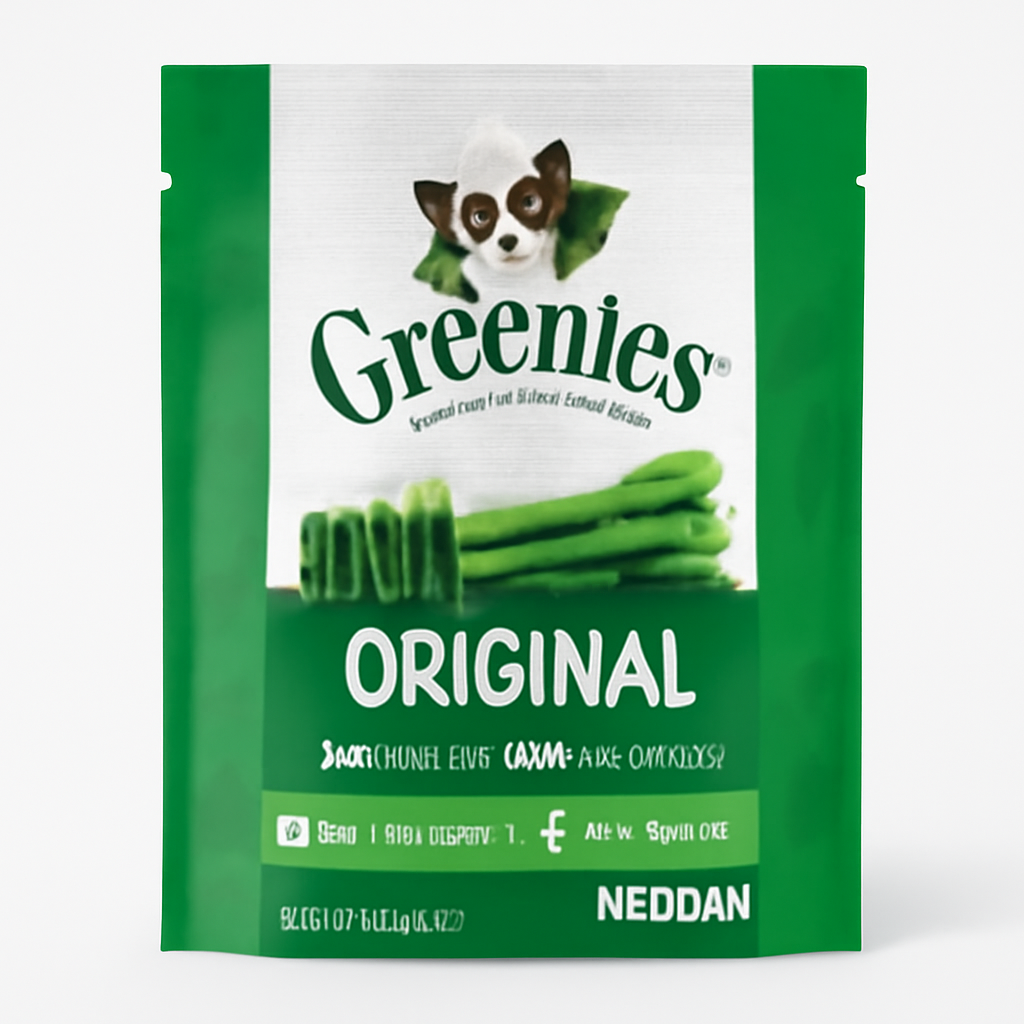
1. Greenies Original Dental Dog Treats — Best Overall
Greenies Original remains the benchmark most other chews are measured against, and for good reason. The chewy-but-firm texture holds up long enough to do real cleaning, the toothbrush shape reaches into gaps, and it carries the VOHC Seal of Acceptance. Dogs are almost universally enthusiastic about the taste, which matters more than it sounds — a chew your dog refuses does nothing.
They’re sized across weight ranges from Teenie up to Large, and there are targeted formulas for weight management, aging dogs, and puppies.
Pros:
– VOHC-accepted for plaque and tartar control
– Highly palatable — very high acceptance rate
– Wide range of sizes and specialty formulas
Cons:
– On the pricier side per chew
– Higher calorie count than some competitors
– Must be given size-appropriately; too-small chews can be gulped
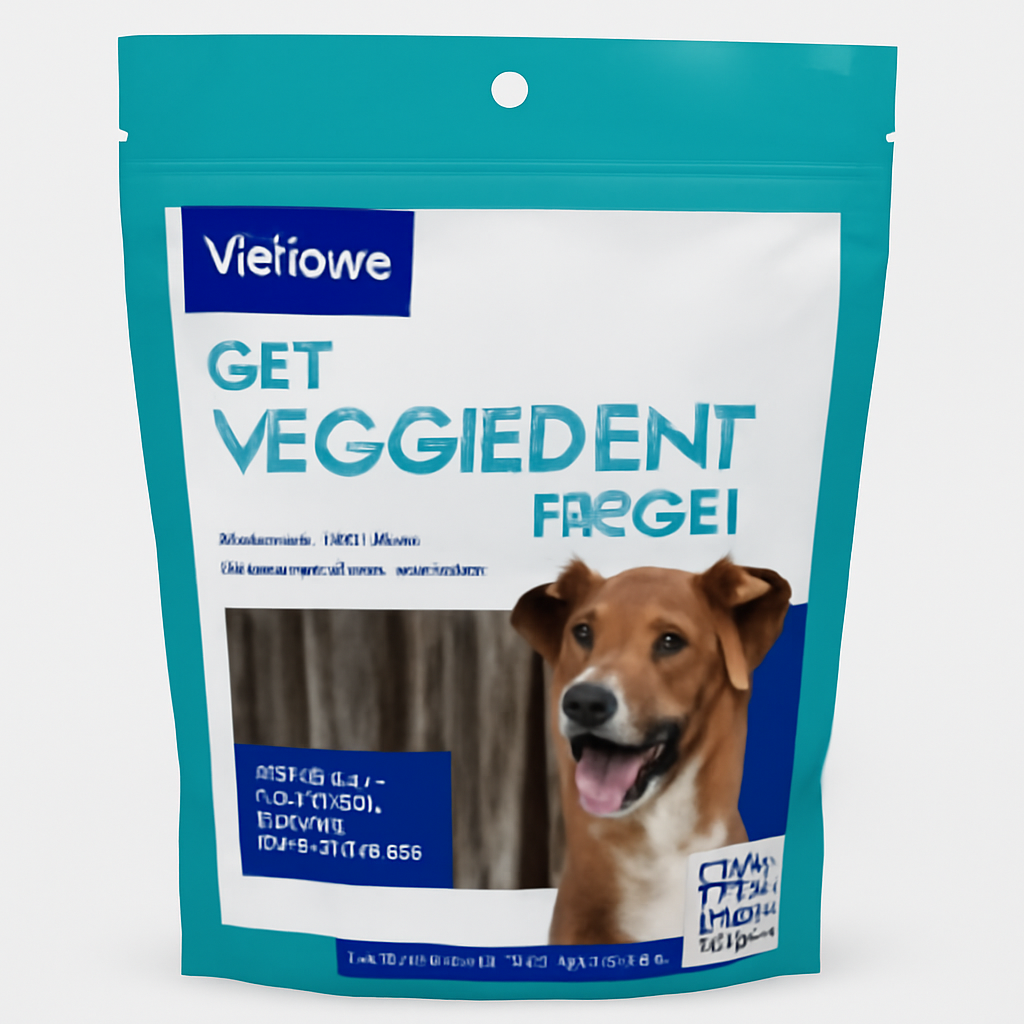
2. Virbac C.E.T. VeggieDent Fr3sh Chews — Best Vet-Backed Pick
Made by Virbac, a company with deep roots in veterinary dental products, VeggieDent Fr3sh is a plant-based, VOHC-accepted chew that vets frequently recommend. The Z-shaped design encourages a longer, more thorough chew, and the formula is grain-free with added ingredients to freshen breath. If your dog has a poultry or animal-protein sensitivity, the plant-based composition is a real advantage.
Pros:
– VOHC-accepted and vet-recommended
– Plant-based and grain-free — good for some sensitivities
– Effective breath-freshening formula
Cons:
– Some picky dogs are less enthusiastic than they are about meatier chews
– Availability can be spottier than mass-market brands
– Firmer texture may not suit senior dogs with weak teeth
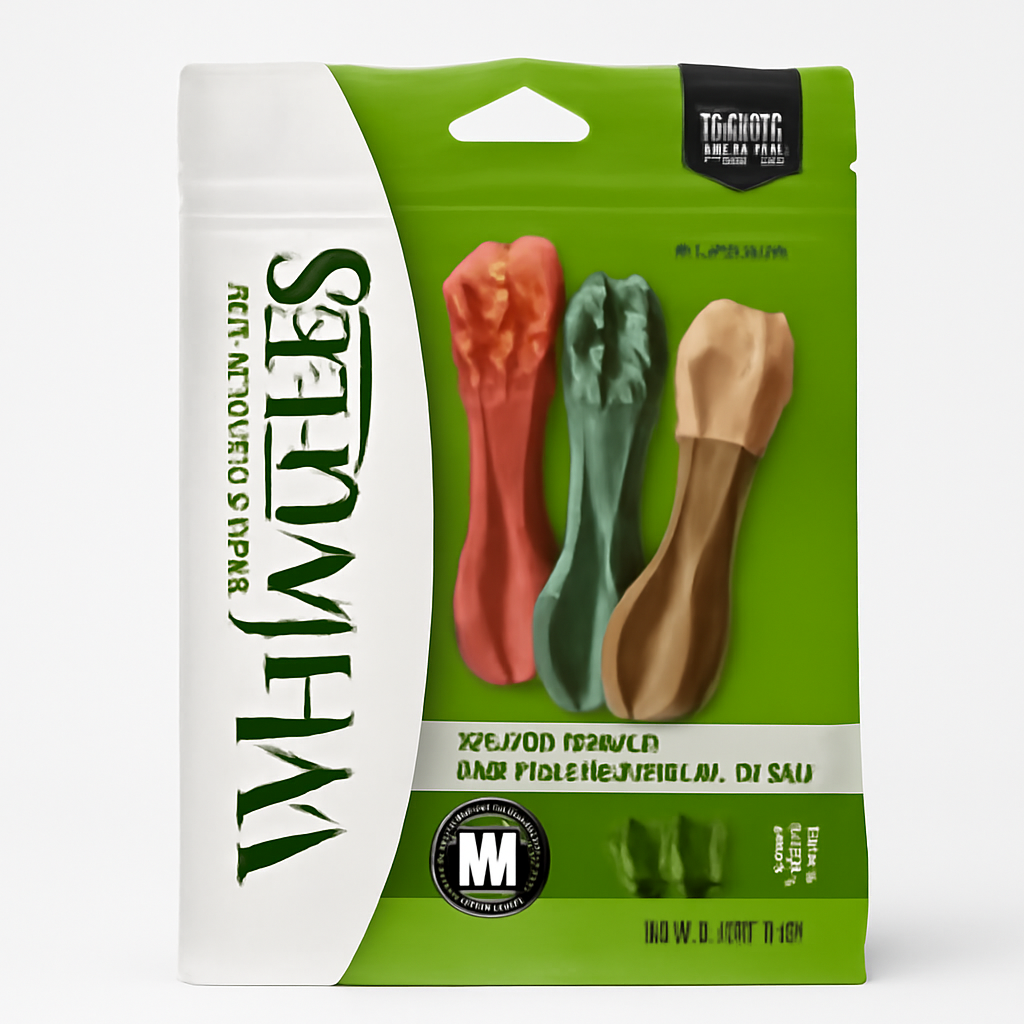
3. Whimzees Natural Dental Chews — Best Natural Ingredients
If a short, clean ingredient list is your priority, Whimzees is hard to beat. These are grain-free, made without artificial colors, flavors, or preservatives, and come in fun shapes (Brushzees, Alligators, Hedgehogs, toothbrush shapes) with grooves and ridges designed to scrape teeth. The texture is genuinely firm, giving longer-lasting chews than many soft treats.
Pros:
– Minimal, natural, grain-free ingredients
– Long-lasting texture keeps dogs busy
– Fun shapes with functional cleaning ridges
Cons:
– Not VOHC-accepted (doesn’t mean ineffective, just not independently certified)
– Firm texture may be too much for very small or senior dogs
4. Purina DentaLife Daily Oral Care — Best Value
Purina DentaLife offers a porous, ridged texture engineered to reach 8 out of a dog’s 10 back teeth, and it typically costs less per chew than the premium brands. For multi-dog households or big dogs that go through chews quickly, the value adds up. It’s VOHC-accepted as well, which is impressive at this price point.
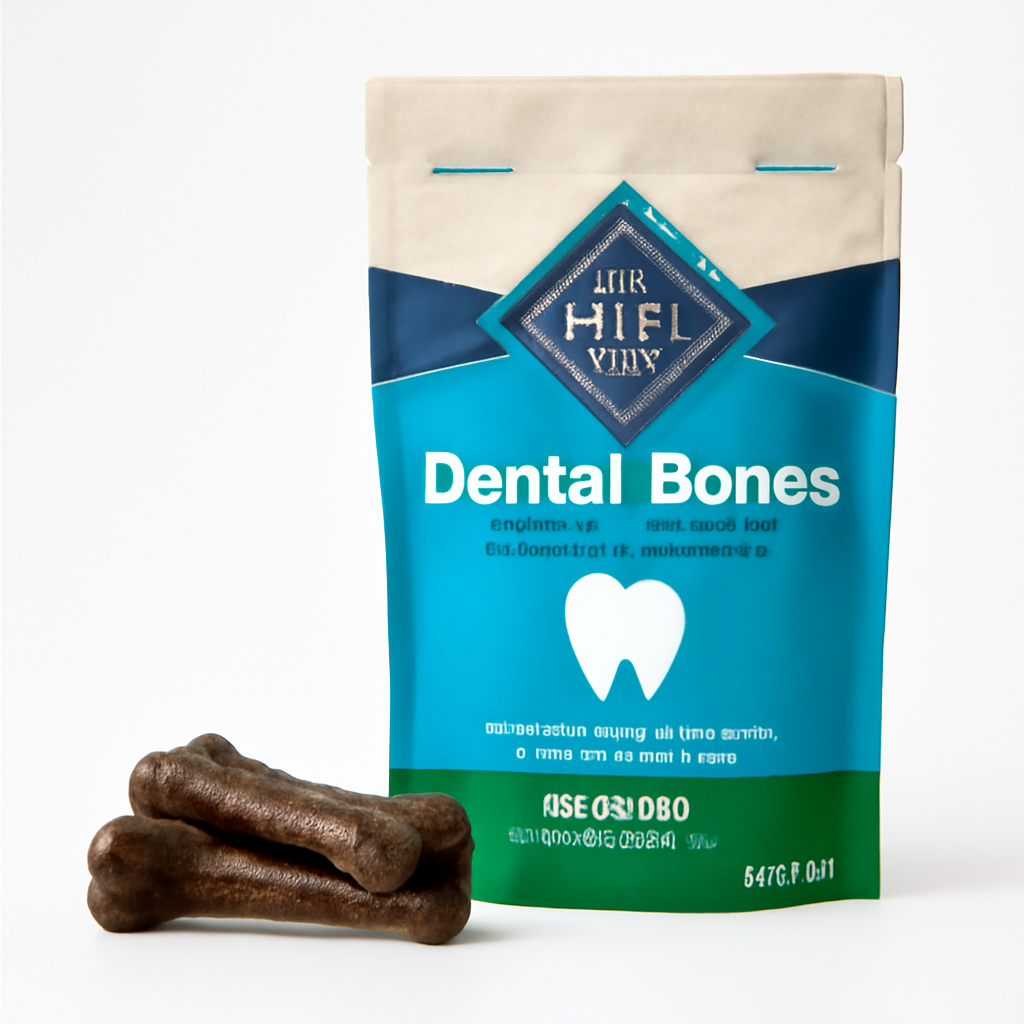
5. Blue Buffalo Dental Bones — Best for Sensitive Stomachs
Blue Buffalo Dental Bones use a slim, textured design and lean on wholesome, easy-to-digest ingredients without artificial preservatives. Owners of dogs with touchy digestion often report these sit better than richer alternatives, making them a solid everyday option for sensitive pups.
Ingredients to Seek Out and Ones to Avoid
Flip the package over. The ingredient panel tells you more than the front label ever will.
Ingredients to Seek Out
– Highly digestible bases like rice, potato, or plant proteins
– Natural breath fresheners — parsley, spearmint, eucalyptus oil, chlorophyll
– Functional additives that help slow tartar formation, such as sodium tripolyphosphate
– Named, recognizable ingredients you can actually pronounce
Ingredients to Approach with Caution
– Artificial colors and dyes — purely cosmetic, and unnecessary for a product your dog swallows
– Excessive added sugars or syrups used to boost palatability
– Vague “meat by-product” or “animal digest” without specifying the source
– Artificial preservatives like BHA and BHT, where a natural alternative exists
– Rawhide, which is a common choking and blockage risk and not truly digestible — not to be confused with modern digestible dental chews
If your dog has allergies, watch for common triggers like chicken, wheat, or soy, and lean toward single-protein or plant-based formulas.
Choosing the Right Chew for Your Dog’s Size and Age
By Size
Matching the chew to your dog’s body weight isn’t a suggestion — it’s a safety issue.
– Toy & Small (under ~25 lbs): Choose chews specifically sized small or “teenie.” A too-large chew is hard to work; a too-small one gets swallowed whole.
– Medium (~25–50 lbs): Most standard/regular sizes fit here. This is the sweet spot for most brands.
– Large & Giant (50+ lbs): Go for large chews with enough substance to require sustained chewing. Small chews are a choking risk and get gulped before cleaning anything.
By Age
– Puppies: Wait until adult teeth are in and check the label — some brands (like Greenies) make puppy-specific formulas with adjusted texture and nutrients. Skip hard chews on developing teeth.
– Adults: The widest range of options. This is where daily dental chews do their best preventive work.
– Seniors: Older dogs often have worn or fragile teeth and may struggle with very firm chews. Opt for a softer texture, and check with your vet if there’s existing dental disease — a hard chew on a compromised tooth can cause a painful fracture.
Always supervise chew time regardless of size or age, and make sure fresh water is available.
How Often Should Dogs Have Dental Chews?
For most products, once daily is the intended frequency — that’s how the clinical plaque-reduction claims are typically tested. Consistency is the whole point: a chew every day keeps plaque from getting a foothold, whereas an occasional chew has minimal lasting benefit.
That said, mind the calories. A daily chew should fit within roughly 10% of your dog’s daily calorie intake (the standard treat allowance). For small dogs, that may mean a smaller chew or a smaller regular meal to compensate. If your dog is prone to weight gain, look for lower-calorie or “lite” formulas.
Introduce any new chew gradually and watch for digestive upset. If your dog swallows large pieces, gulps rather than chews, or has a sensitive stomach, start with half a chew and see how they do.
Frequently Asked Questions About Dog Dental Chews
Do dental chews actually replace brushing?
No. Brushing remains the most effective way to control plaque, especially at the gumline where disease starts. Chews are a strong supplement that fills the daily gap — best used alongside brushing and vet cleanings, not instead of them.
Are dental chews safe for puppies?
Only once adult teeth have come in, and ideally using a puppy-specific formula with an appropriate texture. Check the label’s age guidance and supervise closely.
How do I know if a chew is working?
Fresher breath is the first sign. Over weeks, you should notice less visible plaque buildup on the back teeth. Your vet can give you the definitive read at checkups by grading tartar and gum health.
Can dental chews cause choking or blockages?
They can if sized wrong or gulped whole. Always match the chew to your dog’s weight, supervise chewing, and avoid true rawhide, which is the biggest offender for blockages.
My dog has allergies — what should I pick?
Go for a plant-based or limited-ingredient chew like Virbac VeggieDent or Whimzees, and avoid the specific proteins your dog reacts to. When in doubt, ask your vet.
Are more expensive chews always better?
Not necessarily. Price often reflects branding and palatability as much as cleaning power. A VOHC-accepted budget option like Purina DentaLife can outperform a pricier chew that hasn’t been independently tested.
Our Verdict
If you want one chew that gets it right for the widest range of dogs, Greenies Original is the pick — VOHC-accepted, well-shaped, and reliably eaten. For a vet-endorsed, plant-based alternative that’s gentle on sensitive dogs, Virbac C.E.T. VeggieDent Fr3sh is the standout. Prioritizing clean, natural ingredients? Go Whimzees. Watching your budget without giving up certification? Purina DentaLife delivers real value, and Blue Buffalo Dental Bones round things out nicely for dogs with sensitive stomachs.
Whichever you choose, remember the formula that actually works: the right-sized chew, given daily, paired with regular brushing and vet checkups. Do that, and you’ll spend a lot less on dental cleanings — and enjoy a lot more close-up puppy kisses without wincing.
Always consult your veterinarian before starting a new dental routine, especially if your dog has existing oral health issues.