If your dog has started hesitating at the stairs, taking longer to get up from naps, or losing interest in walks they used to love, joint discomfort could be the reason. The good news: joint supplements can genuinely help many dogs — and liquid formulas are one of the easiest ways to get those ingredients into a picky, senior, or small-mouthed dog.
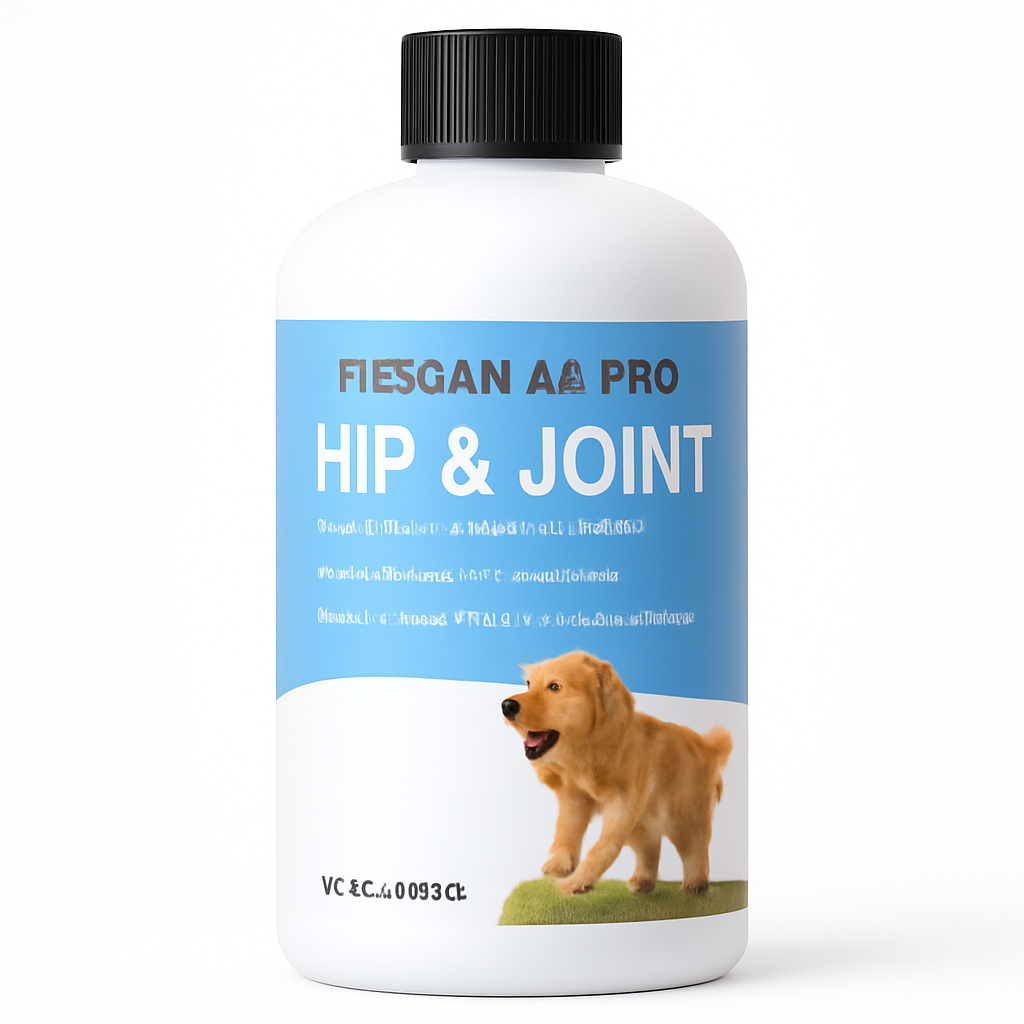
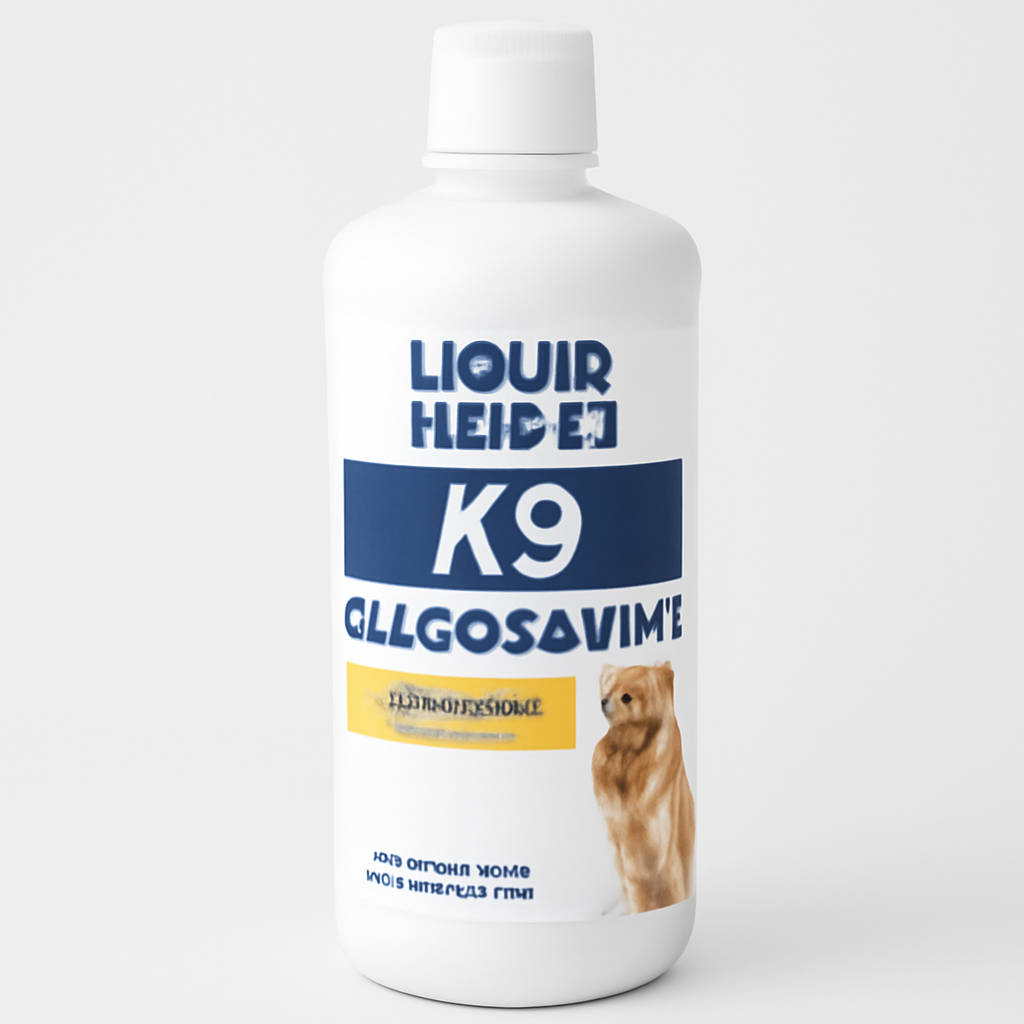
Quick Answer: For most dogs, Liquid Health K9 Glucosamine is our top overall pick for 2026 thanks to its complete glucosamine + chondroitin + MSM formula and easy pump dosing. For dogs who need omega-3 support alongside joint care, Grizzly Salmon Oil is the best liquid add-on. Budget shoppers should look at TerraMax Pro Hip & Joint.
Below, we break down why liquids often beat chews, which ingredients actually matter, and how to dose by your dog’s size.
—
Why Choose a Liquid Joint Supplement Over Chews or Tablets?
Chews and tablets dominate the joint supplement market, so why go liquid? A few real advantages:
1. Picky eaters can’t pick around it. A liquid mixed thoroughly into wet food or drizzled over kibble is much harder to reject than a chew your dog can sniff, lick, and walk away from. If your dog has ever eaten around a pill pocket, you know the struggle.
2. Precise, adjustable dosing. Most liquids come with a pump or measured cap, so you can dose by exact body weight instead of rounding to “one chew for dogs 25–50 lbs.” This matters a lot for very small dogs, very large dogs, and dogs whose vet has recommended a specific loading dose.
3. Easier for seniors and dogs with dental issues. Older dogs — the exact population most likely to need joint support — often have worn or sensitive teeth. Liquids require zero chewing.
4. Faster absorption (potentially). Liquid supplements don’t need to be broken down from a compressed tablet or gummy matrix before absorption begins. While head-to-head absorption studies in dogs are limited, liquids at minimum remove one barrier.
5. No added calories from chew bases. Soft chews often use sugars, glycerin, and flavoring bases that add calories. For overweight dogs (where every extra pound stresses the joints), a liquid keeps the calorie footprint minimal.
The downsides to be fair about: liquids can be messier, some need refrigeration after opening, and a few dogs dislike the taste if it’s not masked in food. But for most owners, the trade-off favors liquid.
—
Key Ingredients to Look For (Glucosamine, Chondroitin, MSM, Omega-3s)
Not all joint supplements are created equal. Here’s what should be on the label and why:
Glucosamine (HCl or Sulfate)
The backbone of most joint formulas. Glucosamine is a building block of cartilage and joint fluid. Look for products listing the specific form and amount per dose — vague “joint blend” labels are a red flag.
Chondroitin Sulfate
Works synergistically with glucosamine. Chondroitin helps cartilage retain water and may slow cartilage breakdown enzymes. Quality chondroitin is expensive, which is why cheap products often skip it or underdose it.
MSM (Methylsulfonylmethane)
A sulfur compound with anti-inflammatory properties. It’s a common third pillar in complete joint formulas and is generally well tolerated.
Omega-3 Fatty Acids (EPA & DHA)
Arguably the ingredient with the strongest research support for joint inflammation in dogs. EPA in particular helps modulate the inflammatory response in arthritic joints. Fish oil-based liquids like salmon oil deliver omega-3s naturally — some owners pair a glucosamine liquid with a fish oil for a complete protocol.
Bonus ingredients worth having
– Hyaluronic acid — a component of joint fluid
– Manganese — supports cartilage synthesis
– Vitamin C / antioxidants — supports collagen formation
What to avoid
Artificial colors, excessive added sugars, and proprietary blends that hide actual ingredient amounts. If you can’t tell how much glucosamine is in a dose, don’t buy it.
—
Our Top 7 Liquid Dog Joint Supplements for 2026
Top Picks at a Glance
| Product | Best For | Price Range |
| Liquid Health K9 Glucosamine | Best overall | |
| TerraMax Pro Hip & Joint | Best budget pick | |
| Grizzly Salmon Oil | Best omega-3 support | |
| Synflex for Pets | Best for senior dogs | |
| NaturVet Glucosamine DS Level 2 Liquid | Best for moderate joint issues | |
| Infinite Pet Liquid Glucosamine | Best all-natural formula | |
| Paws & Pals Liquid Glucosamine | Best for multi-dog households |
1. Liquid Health K9 Glucosamine — Best Overall
Liquid Health has been making liquid supplements for decades, and their K9 Glucosamine formula is the most complete liquid joint product we evaluated for 2026. It combines glucosamine, chondroitin, MSM, and manganese in one measured dose, and mixes easily into food.
Pros:
– Complete four-ingredient formula (glucosamine, chondroitin, MSM, manganese)
– Clear per-dose ingredient amounts on the label
– Easy to measure and dose by weight
– Made in the USA with human-grade manufacturing standards
– Neutral taste most dogs accept in food
Cons:
– Needs refrigeration after opening
– Larger dogs go through a bottle quickly
– Not flavored, so a few dogs may notice it in dry kibble alone
2. TerraMax Pro Hip & Joint — Best Budget Pick
TerraMax Pro delivers a glucosamine, chondroitin, and hyaluronic acid liquid at one of the best cost-per-dose ratios in the category. If you have a large breed that burns through supplements, this is the value play.
Pros:
– Excellent cost per dose, especially for big dogs
– Includes hyaluronic acid, which many budget formulas skip
– Simple, short ingredient list
– Easy squeeze-and-measure dosing
Cons:
– No MSM in the formula
– Bottle design can drip when pouring
– Taste is hit-or-miss with picky dogs — mix into wet food
3. Grizzly Salmon Oil — Best Omega-3 Support
Not a glucosamine product — and that’s the point. Grizzly Salmon Oil is a wild-caught salmon oil delivering EPA and DHA, the omega-3s with the strongest evidence for supporting dogs with joint inflammation. Many owners pair it with a glucosamine liquid for a two-pronged approach. Bonus: it does wonders for coat shine, and virtually every dog loves the taste.
Pros:
– Omega-3s have strong research support for joint inflammation
– Pump-top bottle makes dosing over food effortless
– Dogs almost universally love the flavor
– Improves skin and coat as a side benefit
Cons:
– Doesn’t contain glucosamine/chondroitin — best used alongside a joint formula
– Fish oil adds calories; adjust food portions for overweight dogs
– Needs cool storage to stay fresh
4. Synflex for Pets — Best for Senior Dogs
Synflex has been a name in liquid glucosamine since the early 2000s. The pet formula combines glucosamine with chondroitin, and its beef flavoring makes it one of the easier liquids to give directly by mouth — useful for seniors who eat slowly or inconsistently.
5. NaturVet Glucosamine DS Level 2 Liquid — Best for Moderate Joint Issues
NaturVet’s “Level 2” liquid is formulated for dogs with moderate, established joint concerns rather than early prevention. It includes glucosamine, MSM, and chondroitin, and NaturVet products carry the NASC (National Animal Supplement Council) quality seal — a meaningful third-party audit standard in a loosely regulated industry.
6. Infinite Pet Liquid Glucosamine — Best All-Natural Formula
Infinite Pet keeps its ingredient panel short and free of artificial preservatives, flavors, and fillers. It covers the core trio — glucosamine, chondroitin, and MSM — plus hyaluronic acid. A good pick if your dog has food sensitivities or you want the cleanest possible label.
7. Paws & Pals Liquid Glucosamine — Best for Multi-Dog Households
A straightforward glucosamine/chondroitin/MSM liquid that comes in larger bottle sizes at a reasonable cost per ounce, making it practical if you’re dosing two or three dogs daily.
—
How to Dose Liquid Joint Supplements by Dog Size and Age
Always follow the label on your specific product — concentrations vary widely between brands. That said, here’s the general framework most liquid joint supplements use:
| Dog Size | Typical Daily Dose Approach |
| Small (under 25 lbs) | Smallest labeled dose, often ¼–½ pump or teaspoon |
| Medium (25–50 lbs) | Mid-range labeled dose |
| Large (50–90 lbs) | Full labeled dose |
| Giant (90+ lbs) | Full dose, sometimes split AM/PM per label |
The loading dose concept
Many joint supplements recommend a loading phase — typically double the maintenance dose for the first 4–6 weeks — to build up tissue levels faster. Liquids make this easy since you just double the pumps or milliliters. After the loading period, drop to the maintenance dose.
Dosing tips
– Mix into wet food for the most reliable acceptance
– Split large doses between morning and evening meals to reduce any chance of stomach upset
– Give with food, not on an empty stomach
– Be consistent — joint supplements work through steady accumulation, not on-demand relief
– Talk to your vet first if your dog is on other medications (especially blood thinners or NSAIDs) or has diabetes, as glucosamine can interact in rare cases
—
Signs Your Dog May Need Joint Support
Dogs hide pain well — it’s instinct. Watch for these subtle early signs:
– Slower to rise from lying down, especially in the morning or after long rest
– Hesitating at stairs or refusing to jump onto furniture/into the car they used to leap into
– Stiff gait that “warms up” and improves after a few minutes of walking
– Licking or chewing at a specific joint (often wrists, elbows, or knees)
– Reduced enthusiasm for walks, fetch, or play they previously loved
– Bunny-hopping with both rear legs together when running
– Muscle loss in the hindquarters (a sign of shifting weight off sore joints)
– Irritability when touched near hips or legs
Breeds like Labrador Retrievers, German Shepherds, Golden Retrievers, Rottweilers, and large/giant breeds in general are at elevated risk for hip and elbow dysplasia — many vets recommend starting joint support before symptoms appear in these dogs, often around age 4–5 (or earlier for dogs with diagnosed dysplasia).
Important: these signs can also indicate injury, Lyme disease, or other conditions. If symptoms appear suddenly or your dog is clearly in pain, see your vet before reaching for a supplement. Supplements support joints; they don’t treat acute injuries.
—
How Long Until You See Results?
Set realistic expectations — joint supplements are a marathon, not a sprint:
– Weeks 1–2: Usually no visible change. Ingredients are accumulating in joint tissues.
– Weeks 3–4: Some owners notice slightly easier rising and more willingness to move, especially with formulas containing omega-3s or MSM (the anti-inflammatory components tend to act sooner).
– Weeks 4–8: This is the realistic window for meaningful improvement from glucosamine and chondroitin. Most manufacturers and vets suggest evaluating at the 6-week mark.
– 8+ weeks: If you’ve seen zero improvement after 8 weeks at the correct dose, that supplement likely isn’t going to work for your dog — talk to your vet about alternatives (different formula, prescription options, weight management, physical therapy).
Keep a simple log: note stair behavior, morning stiffness, and walk enthusiasm once a week. Changes are gradual enough that day-to-day observation can miss them.
—
Frequently Asked Questions
Can I give my dog human liquid glucosamine?
It’s not recommended without vet guidance. Human products may contain xylitol (toxic to dogs), inappropriate flavorings, or concentrations that make accurate dog dosing difficult. Pet-specific formulas remove the guesswork.
Are liquid joint supplements safe for puppies?
Most joint supplements are formulated for adult dogs. For large-breed puppies at risk of dysplasia, ask your vet — they may recommend specific products and timing rather than starting a standard adult formula early.
Can I combine a glucosamine liquid with fish oil?
Yes, and it’s a common strategy — for example, pairing Liquid Health K9 Glucosamine with Grizzly Salmon Oil. They work through different mechanisms. Just introduce one at a time (a week apart) so you can spot any digestive sensitivity.
Do liquid supplements need refrigeration?
Many do after opening — check your label. Refrigeration also helps fish oils stay fresh and prevents rancidity.
Are there side effects?
Joint supplements are generally very well tolerated. The most common issue is mild digestive upset (soft stool, gas) when starting, which usually resolves by giving with food or temporarily reducing the dose. Dogs with shellfish allergies may react to shellfish-derived glucosamine — look for vegetarian-sourced options if so.
Will supplements fix my dog’s arthritis?
No supplement reverses arthritis. The goal is to slow cartilage decline, reduce inflammation, and improve comfort. For moderate-to-severe arthritis, supplements work best as part of a broader plan: weight management, controlled exercise, and vet-prescribed treatment when needed.
—
Our Verdict
For most dogs and most owners in 2026, Liquid Health K9 Glucosamine is the best liquid joint supplement you can buy — it’s the most complete formula on this list, doses precisely by weight, and disappears easily into food.
If your budget is tight or you’re feeding a giant breed, TerraMax Pro Hip & Joint delivers the core ingredients at the best cost per dose. And regardless of which glucosamine formula you choose, adding Grizzly Salmon Oil is the single highest-value upgrade you can make — the omega-3 evidence for joint inflammation is arguably stronger than for any other ingredient in this guide.
Whichever you pick, commit to the full 6–8 week trial at the correct dose, track your dog’s mobility weekly, and loop in your vet — especially if symptoms are new or worsening. Your dog’s easier mornings will be worth it.