Is your dog slowing down on walks, hesitating at the stairs, or taking a beat longer to get up after a nap? Those are classic early signs of joint discomfort — and the good news is that the right supplement can make a real difference in how your dog moves and feels. This guide breaks down what actually works, which ingredients matter, and which products are worth your money in 2026.
Quick Answer
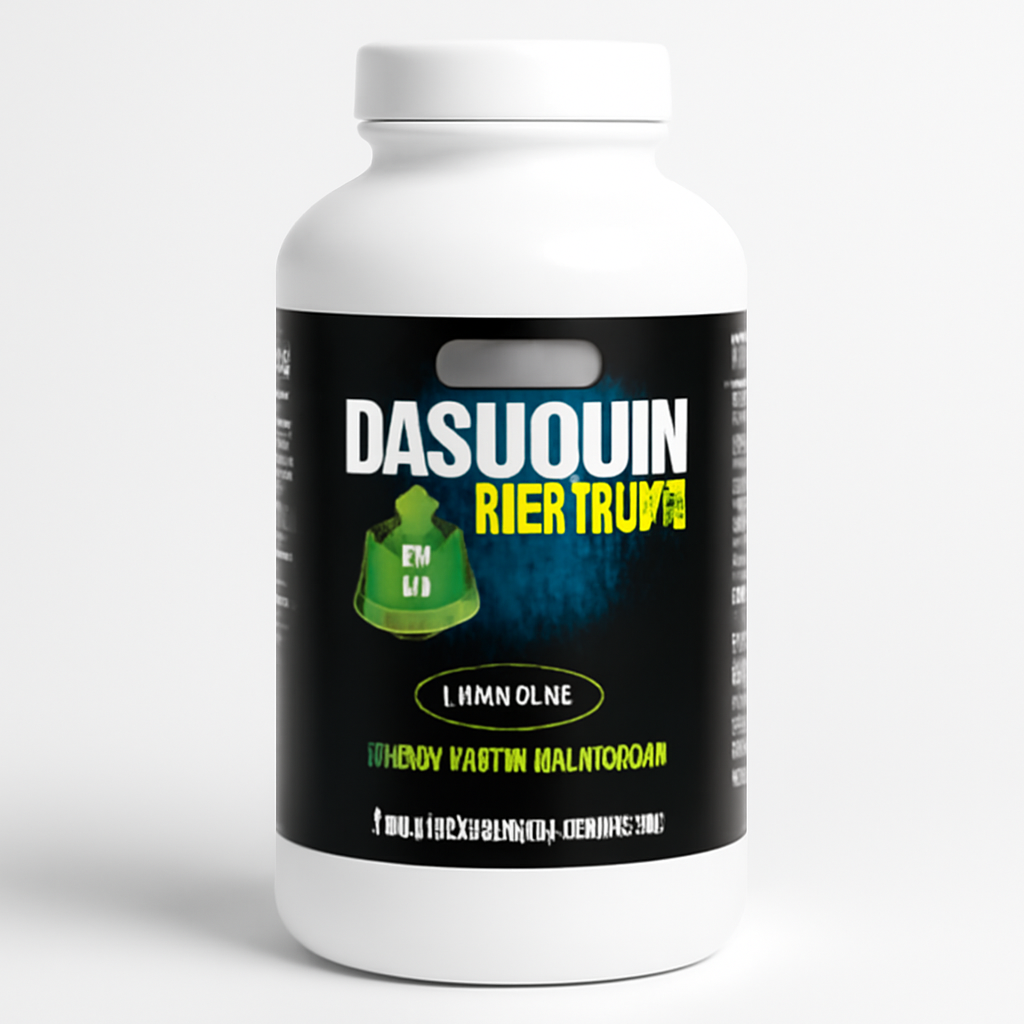
If you want the short version: look for a supplement with glucosamine, chondroitin, and MSM as the foundation, ideally with omega-3s for extra anti-inflammatory support. For most dogs, Nutramax Dasuquin with MSM is the strongest all-around pick, while Nutramax Cosequin is the best trusted budget-friendly option. Large breeds and seniors benefit from higher-potency formulas, and small breeds do fine with soft chews dosed to weight. Always check with your vet before starting, especially if your dog is on other medications.
Top Picks at a Glance
| Product | Best For | Price Range |
| Nutramax Dasuquin with MSM | Overall best / advanced joint support | |
| Nutramax Cosequin | Trusted budget pick | |
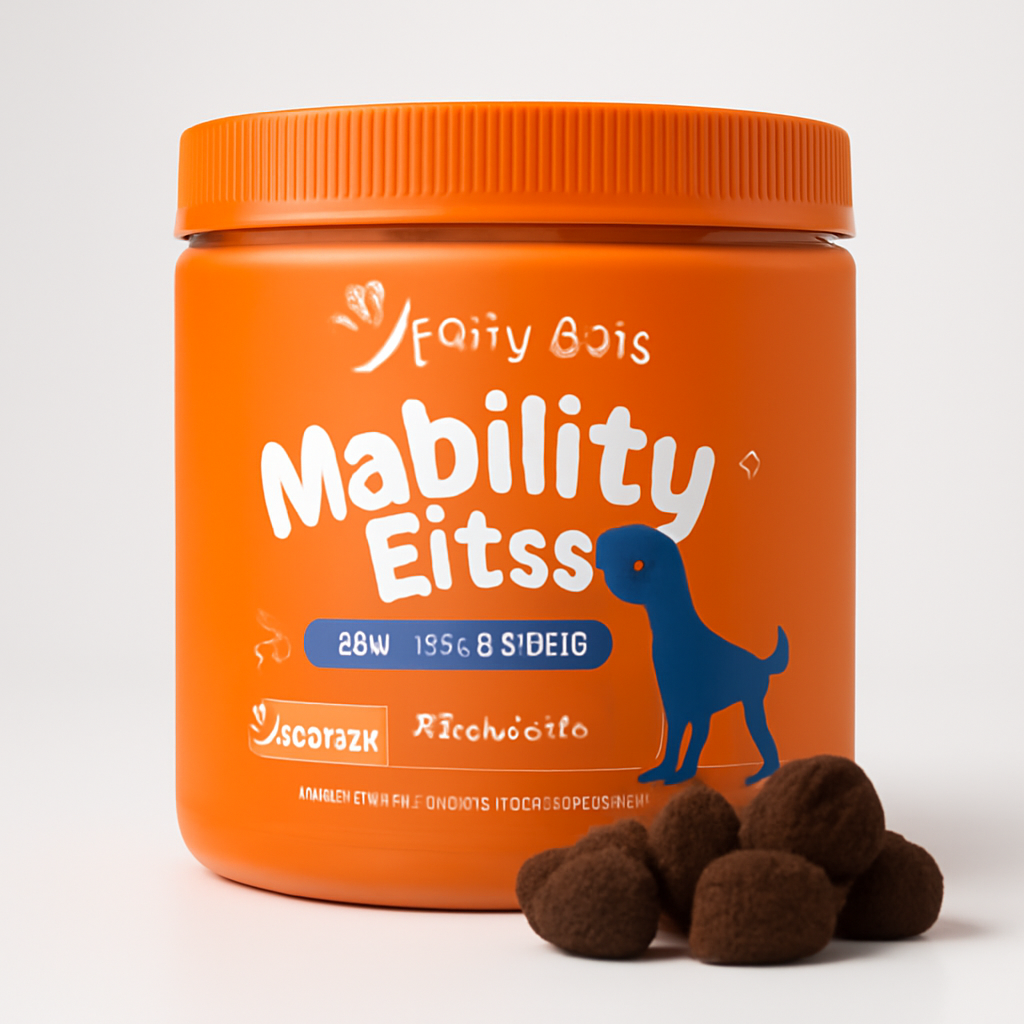
| Zesty Paws Mobility Bites | Tasty daily chews / picky eaters | |
| VetriScience GlycoFlex 3 | Senior & large-breed dogs | |
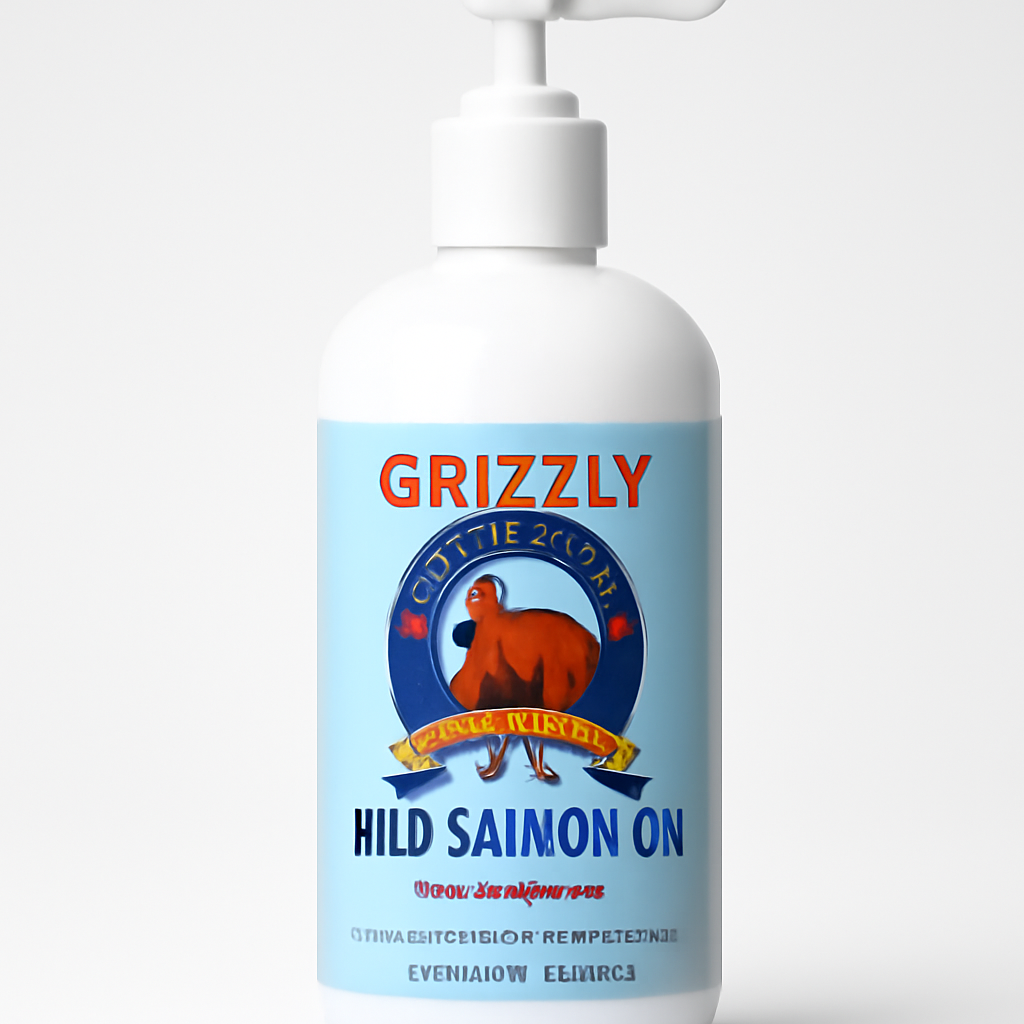
| Grizzly Wild Salmon Oil | Omega-3 add-on for coat & joints |
Why Hip and Joint Supplements Matter for Dogs
A dog’s joints take a beating over a lifetime of running, jumping, and playing. Over time, the cartilage that cushions those joints can wear down — a process that leads to stiffness, inflammation, and eventually osteoarthritis. It’s incredibly common: a large share of senior dogs, and a surprising number of younger large-breed dogs, show some degree of joint degeneration.
The tricky part is that dogs hide pain well. They’re built to push through discomfort, so by the time you notice limping or reluctance to jump on the couch, the underlying wear has often been building for a while. Common early signs include:
– Slowing down or lagging on walks
– Hesitating before stairs, cars, or furniture
– Stiffness after resting (especially in the morning or after naps)
– Licking or chewing at a specific joint
– Reduced interest in play
Joint supplements aren’t a cure, and they won’t rebuild cartilage overnight. What they can do is support the body’s natural repair processes, reduce inflammation, and help maintain the cushioning and lubrication your dog’s joints need. Started early — ideally before serious damage sets in — they’re one of the simplest, most cost-effective ways to keep a dog comfortable and mobile for years.
Key Ingredients to Look For
Not all joint supplements are created equal, and the label is where you separate the effective ones from the filler. Here are the four ingredients that actually earn their place.
Glucosamine
Glucosamine is the workhorse of joint supplements. It’s a natural building block of cartilage, and supplementing it supports the body’s ability to maintain and repair that cushioning tissue. Look for glucosamine hydrochloride (HCl), which is more concentrated than glucosamine sulfate. Dosage matters here — cheap products often skimp, so check the milligrams per serving rather than just trusting the marketing on the front of the bottle.
Chondroitin
Chondroitin sulfate works hand-in-hand with glucosamine. It helps cartilage retain water and elasticity, and it may help block the enzymes that break cartilage down. The two are almost always paired together because research suggests they’re more effective in combination than either one alone.
MSM (Methylsulfonylmethane)
MSM is a natural sulfur compound with anti-inflammatory properties. It won’t rebuild cartilage the way glucosamine does, but it helps take the edge off inflammation and discomfort — which is often what your dog feels most acutely. Formulas that add MSM (like Dasuquin with MSM) tend to offer more noticeable day-to-day comfort.
Omega-3 Fatty Acids
Omega-3s — specifically EPA and DHA from fish oil — are among the most well-supported anti-inflammatory nutrients for dogs. They target the inflammation that drives joint pain, and as a bonus they improve skin and coat health. Some joint chews include omega-3s, but the doses are often small. Many owners add a dedicated fish oil like Grizzly Wild Salmon Oil alongside their primary supplement for a bigger impact.
A quick note on extras: Ingredients like green-lipped mussel, turmeric/curcumin, hyaluronic acid, and boswellia can add meaningful support. Green-lipped mussel in particular is a natural source of both chondroitin and omega-3s. They’re nice to have — just make sure they’re additions to a solid glucosamine/chondroitin base, not substitutes for it.
How to Choose the Right Supplement for Your Dog’s Age and Breed
The “best” supplement depends a lot on the dog in front of you.
By Age
– Young adult dogs (large breeds especially): Preventive support makes sense as early as 1–2 years for breeds prone to hip and joint issues. A standard glucosamine/chondroitin formula is plenty.
– Middle-aged dogs (5–8 years): This is the sweet spot to start if you haven’t already. Look for a formula with MSM for added comfort.
– Senior dogs (8+): Go for a higher-potency, comprehensive formula. Seniors often benefit from added omega-3s and ingredients like green-lipped mussel.
By Size and Breed
– Small breeds: Dose to weight — most products are weight-tiered. Soft chews are usually easiest, and small dogs are less likely to develop severe joint disease, so a standard formula works well.
– Large and giant breeds: Dogs like Labs, German Shepherds, Golden Retrievers, and Great Danes carry more weight on their joints and are genetically prone to hip dysplasia. They need higher glucosamine doses and benefit from advanced formulas like VetriScience GlycoFlex 3 or Dasuquin.
– Active/working dogs: High-impact activity accelerates joint wear. Comprehensive formulas with anti-inflammatory support are worth the extra cost.
By Existing Condition
If your dog is already diagnosed with arthritis or hip dysplasia, don’t rely on a supplement alone — this is a “talk to your vet” situation. Supplements are best as part of a broader plan that may include weight management, prescription anti-inflammatories, and physical therapy.
Top Dog Hip and Joint Supplements Reviewed for 2026
Here’s a closer look at the products that stand out this year.
1. Nutramax Dasuquin with MSM — Best Overall
Dasuquin is the step-up from Cosequin (both made by Nutramax, one of the most respected names in pet joint health). It combines glucosamine, chondroitin, and MSM with avocado/soybean unsaponifiables (ASU) — an ingredient shown to support cartilage and slow its breakdown. The “with MSM” version adds anti-inflammatory support on top. It’s widely recommended by vets and comes in size-specific formulas for small/medium and large dogs.
Pros:
– Comprehensive, research-backed formula (glucosamine + chondroitin + MSM + ASU)
– Trusted, vet-recommended manufacturer
– Size-specific dosing for accuracy
Cons:
– Premium price point
– Some picky dogs need it disguised in food
2. Nutramax Cosequin — Best Trusted Budget Pick
Cosequin is often the first supplement vets recommend, and for good reason: it’s been around for decades, it’s well-studied, and it delivers a solid glucosamine/chondroitin dose without the premium price of Dasuquin. If you want a reliable, no-frills foundation, this is it. Available in soft chews, chewable tablets, and sprinkle capsules.
Pros:
– Long track record and strong reputation
– More affordable than advanced formulas
– Multiple formats for easy dosing
Cons:
– No MSM or ASU in the standard formula
– Less “advanced” than Dasuquin for serious cases
3. Zesty Paws Mobility Bites — Best for Picky Eaters
Zesty Paws has built a following on palatability, and Mobility Bites are a genuinely tasty soft chew that most dogs eat like a treat. The formula includes glucosamine, chondroitin, MSM, and often green-lipped mussel — a strong ingredient lineup at an accessible price. If your dog turns up their nose at tablets, this is a great pick.
Pros:
– Highly palatable — great for fussy dogs
– Solid ingredient profile including green-lipped mussel
– Easy daily-treat routine
Cons:
– Chew format means added calories to account for
– Potency varies by weight tier — check the dosing
4. VetriScience GlycoFlex 3 — Best for Seniors & Large Breeds
GlycoFlex 3 is the highest-strength tier in VetriScience’s lineup, built for dogs that need serious support. It leans heavily on green-lipped mussel along with glucosamine and MSM, and includes DMG for added recovery support. It’s a favorite for aging large-breed dogs and post-surgical recovery.
5. Grizzly Wild Salmon Oil — Best Omega-3 Add-On
Not a standalone joint formula, but an excellent companion. Adding a quality fish oil boosts the omega-3s most chews under-deliver, improving both joint inflammation and coat health. Easy to pour over food.
Chews vs. Powders vs. Liquids: Which Format Is Best?
The best format is the one your dog will actually take consistently. Here’s how they compare.
| Format | Best For | Watch Out For |
| Soft chews | Most dogs; easy daily routine | Added calories; palatability varies |
| Powders/sprinkles | Picky eaters; precise dosing | Some dogs detect it in food |
| Chewable tablets | Dogs that treat them as treats | Refusal if not tasty enough |
| Liquids | Fish oil; dogs that reject solids | Storage/refrigeration; mess |
Chews are the most popular for a reason — they’re convenient and most dogs love them. Just remember they add calories, which matters since keeping your dog lean is one of the single best things you can do for their joints.
Powders shine when your dog is suspicious of new textures or needs exact dosing; you can mix them straight into wet food.
Liquids are mainly the domain of fish oils and are ideal for dogs who spit out anything solid.
Dosage, Safety, and When to Talk to Your Vet
Joint supplements are considered very safe, but a few guidelines will help you get the most out of them.
Dosing: Always follow the weight-based instructions on the label. Many products use a loading dose — a higher amount for the first 4–6 weeks — before dropping to a maintenance dose. This is normal and helps build up levels in the body.
Be patient. Supplements aren’t painkillers. It typically takes 4 to 8 weeks to see noticeable improvement in mobility and comfort. Don’t give up after a week.
Safety notes:
– Side effects are rare but can include mild GI upset (soft stool, gas). Giving the supplement with food usually helps.
– Use products from reputable manufacturers. Because supplements aren’t regulated as tightly as medications, quality control varies — this is a real reason to stick with established brands like Nutramax and VetriScience.
– If your dog has diabetes, a shellfish allergy, or is pregnant, check with your vet first, as glucosamine sources and dosing may need adjusting.
When to call the vet:
– Your dog is limping, yelping, or clearly in pain
– Symptoms come on suddenly or get worse
– You’re managing a diagnosed condition like arthritis or hip dysplasia
– Your dog is on other medications (to avoid interactions)
A supplement is one tool in the toolbox. For a dog in real pain, your vet can add prescription anti-inflammatories, pain management, and a weight/exercise plan that a supplement alone can’t replace.
Frequently Asked Questions About Dog Joint Supplements
How long until I see results?
Most dogs show noticeable improvement in 4 to 8 weeks. Joint supplements work gradually by supporting cartilage and reducing inflammation over time, not by masking pain instantly.
Can I give my dog human joint supplements?
It’s not recommended. Human formulas may contain ingredients (like certain sweeteners such as xylitol) that are toxic to dogs, and the dosing is calibrated for people. Stick with products made for dogs.
At what age should I start?
For large and giant breeds prone to joint issues, preventive support can start as early as 1–2 years. For most dogs, middle age (around 5–7) is a smart time to begin. Earlier is generally better than waiting for symptoms.
Are these supplements safe for long-term use?
Yes. Glucosamine, chondroitin, and MSM are well-tolerated for ongoing daily use, which is exactly how they’re meant to be taken. Joint support is a marathon, not a sprint.
Do joint supplements really work, or is it just hype?
The evidence is strongest for omega-3 fatty acids, with glucosamine and chondroitin showing benefit for many dogs, especially as part of a comprehensive plan. Results vary by dog, but a quality supplement with proper dosing is a low-risk, reasonable-cost way to support mobility.
Should I combine a joint chew with fish oil?
Often, yes. Many joint chews include only small amounts of omega-3s, so adding a dedicated fish oil like Grizzly Wild Salmon Oil can meaningfully boost the anti-inflammatory effect.
Our Verdict
For most dogs, Nutramax Dasuquin with MSM is the best overall choice in 2026 — it packs the most complete, research-backed ingredient lineup from a manufacturer vets genuinely trust. If you want that same reliability at a friendlier price, Nutramax Cosequin is the proven, budget-conscious pick that’s been earning recommendations for decades.
Got a picky eater? Zesty Paws Mobility Bites deliver a strong formula in a chew dogs actually want. For senior and large-breed dogs that need heavy-duty support, step up to VetriScience GlycoFlex 3. And whichever you choose, consider adding Grizzly Wild Salmon Oil for an omega-3 boost that supports both joints and coat.
The most important takeaway: start sooner rather than later, stay consistent for at least two months, keep your dog lean, and loop in your vet — especially if there’s already pain or a diagnosis. Do that, and you’re giving your dog the best shot at staying active and comfortable for years to come.
This guide is for informational purposes and isn’t a substitute for professional veterinary advice. Always consult your veterinarian before starting a new supplement.