Quick Answer
If you’re starting your weight loss journey, you need a protein powder that supports muscle retention, keeps you full, and doesn’t sabotage your calorie goals. Look for options with 20-30g protein per serving, under 150 calories, and minimal added sugars. For beginners, Optimum Nutrition Gold Standard Whey offers the best balance of affordability and effectiveness, while Orgain Organic Protein is ideal if you prefer plant-based options. Budget-conscious starters should consider Isopure Zero Carb, which delivers high protein with virtually no calories wasted on carbs or sugar.
—
What to Look for in Protein Powder for Weight Loss
Before you dump money into a tub of powder that tastes like cardboard, let’s talk about what actually matters when you’re trying to lose weight.
Protein Content (The Real MVP)
The entire point of protein powder during weight loss is to preserve muscle mass while you’re in a calorie deficit. You want at least 20-30g of protein per serving. This isn’t arbitrary—protein has the highest thermic effect of any macronutrient, meaning your body burns more calories just digesting it. Plus, it keeps you fuller longer, which is crucial when you’re eating less.
Calorie Count
Here’s where beginners go wrong: they grab a protein powder with 40g protein but it comes with 250 calories. That defeats the purpose if you’re trying to create a calorie deficit. Look for powders where protein-to-calorie ratio is at least 1:5 (20g protein should cost roughly 100 calories, maximum 150).
Sugar Content
Check the nutrition label. If it has more than 2-3g sugar per serving, it’s not a weight-loss friendly option. High-sugar powders spike your blood sugar and leave you hungrier, which sabotages your deficit. This is non-negotiable.
Ingredient Quality
You’ll be consuming this daily, so skip the ones loaded with artificial ingredients you can’t pronounce. Look for:
– Minimal artificial sweeteners (stevia or erythritol are better choices than aspartame)
– Real whey concentrate or isolate (not “whey blend”)
– No fillers or gums if possible
Taste and Mixability
A powder that tastes terrible won’t get consumed. That’s money wasted. Beginners should prioritize something drinkable that they’ll actually look forward to.
—
Top Protein Powders for Beginners in 2026
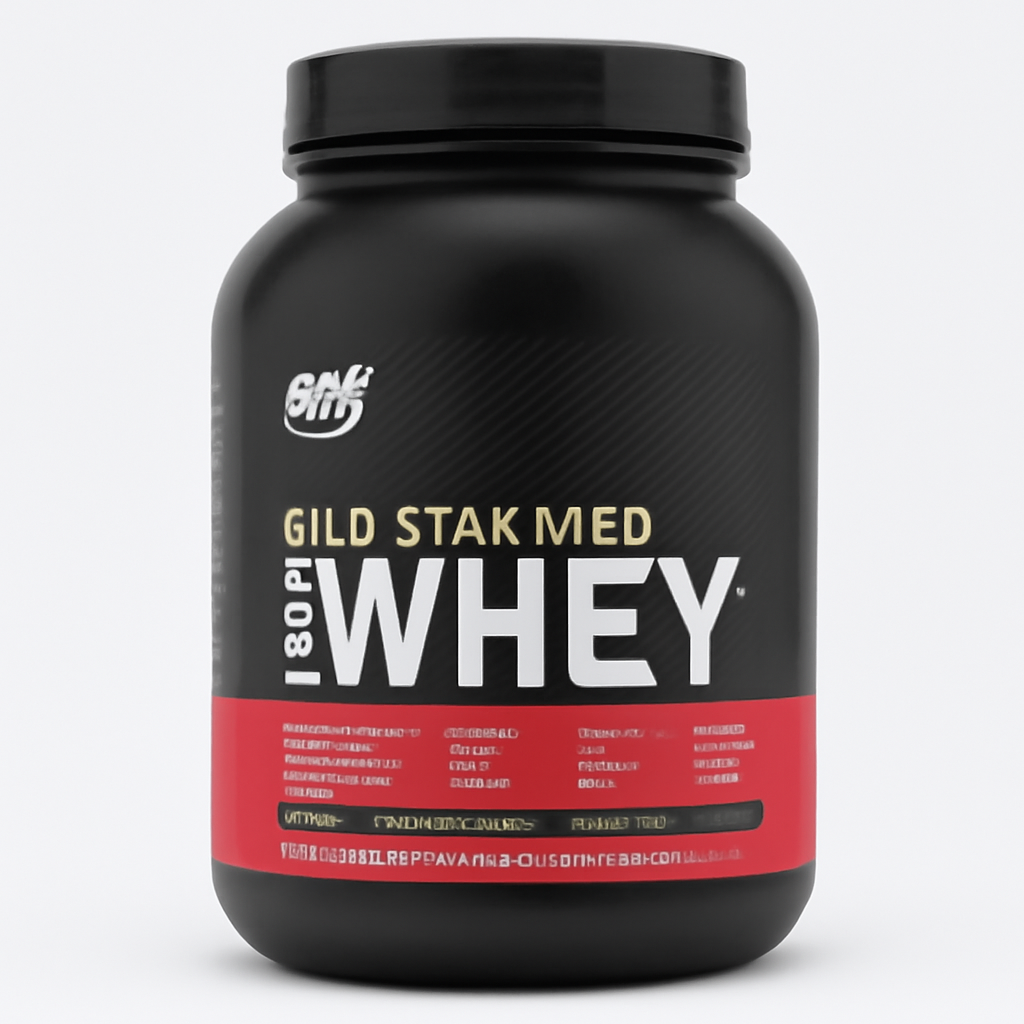
1. Optimum Nutrition Gold Standard Whey
Price Range:
Best For: Beginners wanting reliable quality at a fair price
Specs & Highlights:
– 24g protein per serving
– 120 calories
– 1g sugar
– Whey protein isolate/concentrate blend
– 30+ flavors available
Why It Works for Weight Loss:
Gold Standard Whey has been a staple for a reason. The calorie-to-protein ratio is excellent, and it actually mixes well without a blender (just a shaker bottle). The variety of flavors means you won’t get bored, which matters when you’re building a habit.
Pros:
– Third-party tested (Informed Choice certified)
– Widely available and consistent batch quality
– Excellent mixability
– Good value for the quality
Cons:
– Contains artificial sweeteners (if you want to avoid them)
– Not organic or plant-based
– Some flavors taste slightly chalky
—
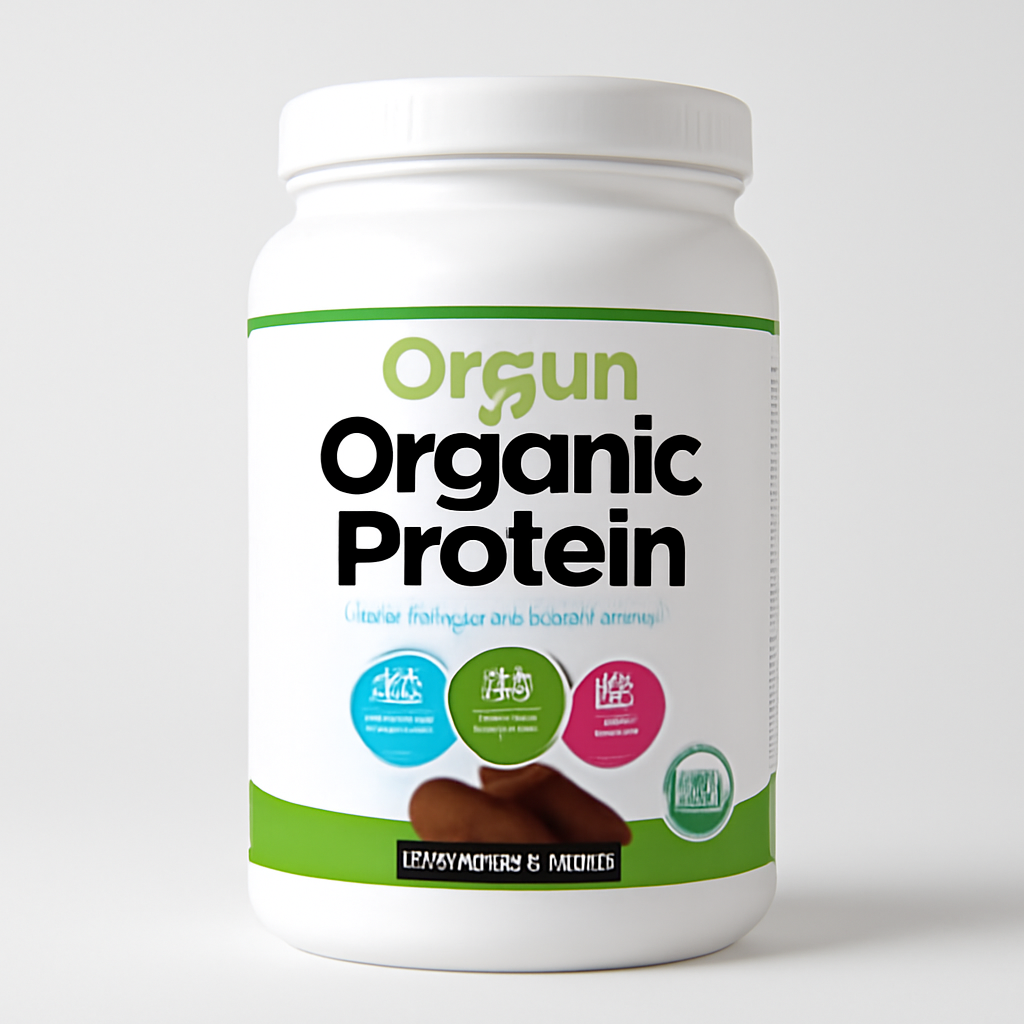
2. Orgain Organic Protein
Price Range:
Best For: Plant-based beginners or those with dairy sensitivity
Specs & Highlights:
– 20g protein per serving (pea, chia, and hemp blend)
– 120 calories
– 1g sugar
– USDA Organic certified
– No artificial sweeteners
Why It Works for Weight Loss:
If you’re avoiding dairy or want a plant-based option, Orgain delivers without compromise. The plant protein blend is complete (has all amino acids), and the organic certification means fewer synthetic additives. It’s slightly thinner than whey-based powders, so it mixes easily into smoothies.
Pros:
– Clean ingredient list (recognizable items only)
– Good for dairy-free or vegan lifestyles
– Organic certification
– Blends smoothly with liquid
Cons:
– Slightly more expensive than whey options
– Plant-based proteins don’t absorb quite as quickly as whey
– Can have an earthy aftertaste if you’re new to plant protein
—
3. Isopure Zero Carb
Price Range:
Best For: Keto dieters or extreme carb cutters
Specs & Highlights:
– 25g protein per serving
– 110 calories
– 0g sugar
– 0g carbs
– Whey protein isolate (highest purity)
Why It Works for Weight Loss:
This is the bare-bones approach. If you want pure protein with absolutely zero wasted calories on carbs or sugar, Isopure delivers. It’s ideal if you’re doing strict keto alongside your weight loss protocol.
Pros:
– Truly zero carb and zero sugar
– Cleanest macros available
– Mixes quickly
– Great for people tracking every macro carefully
Cons:
– Flavor options are limited
– Tastes more “medicinal” than other options
– Premium pricing for the formula
—
4. MyFitnessPal-Recommended Beginner Stack
While not a single product, many beginners do well with Vega Sport Protein as a middle ground. It offers plant-based protein (20g) at 110 calories with good taste, making it a solid alternative to the above three.
—
Top Picks at a Glance
| Product | Best For | Protein per Serving | Calories | Sugar | Price Range |
| Optimum Nutrition Gold Standard Whey | Budget-conscious beginners | 24g | 120 | 1g | |
| Orgain Organic Protein | Plant-based/dairy-free | 20g | 120 | 1g | |
| Isopure Zero Carb | Keto/macro counters | 25g | 110 | 0g | |
| Vega Sport Protein | Plant-based middle ground | 20g | 110 | 1g |
—
How Much Protein Do You Need to Lose Weight?
This is where people get confused, so let’s clarify.
The General Rule
Aim for 0.7-1g of protein per pound of body weight when you’re in a calorie deficit trying to lose weight. This is slightly higher than the standard recommendation because protein preserves muscle mass when calories are low.
Example: If you weigh 180 pounds, target 125-180g protein daily.
Why This Matters
When you’re eating fewer calories than you burn, your body will break down muscle for energy if you’re not giving it enough protein. You want to preserve muscle because:
– Muscle is metabolically active (burns calories at rest)
– You’ll look better with muscle definition than “skinny fat”
– Strength training + adequate protein = better body composition
Breaking It Into Meals
Most beginners do better dividing protein across meals rather than getting it all at once. A good approach:
– Breakfast: 20-30g (protein powder, eggs, or Greek yogurt)
– Lunch: 25-35g (chicken, fish, tofu)
– Snack: 20g (protein shake, cottage cheese)
– Dinner: 25-35g (lean meat, plant protein)
Protein powder fills gaps, especially in the snack category or as a quick breakfast. It’s not meant to replace whole foods entirely.
—
Whey vs. Plant-Based: Which Is Better for Beginners?
This is the question everyone asks. Here’s the honest answer: both work for weight loss, but for different reasons.
Whey Protein (Animal-Based)
Advantages:
– Faster absorption (good post-workout or as a quick meal)
– Complete amino acid profile (has all 9 essential amino acids)
– Generally cheaper
– Better taste and mixability
– Higher bioavailability (your body uses more of it)
– Works better if you do strength training
Disadvantages:
– Not suitable for vegans or lactose intolerant
– Often contains artificial sweeteners
– Slightly higher environmental impact
Best for: Most beginners, especially if you’re doing any strength training
Plant-Based Protein (Vegan)
Advantages:
– Suitable for vegans/vegetarians
– Often cleaner ingredient lists
– Better for dairy-sensitive stomachs
– Environmental benefits
– Growing taste improvements
Disadvantages:
– Slightly slower absorption
– Often requires multiple plant sources for complete amino acids
– Generally more expensive
– Can have earthy or unpleasant aftertaste
– Slightly less efficient for muscle building
Best for: Vegans, dairy-free dieters, or people with stomach sensitivities
The Verdict for Weight Loss Specifically
Whey edges out plant-based for weight loss because of faster satiety and better muscle retention during a deficit. However, the best protein powder is the one you’ll actually consume consistently. If you hate whey’s texture, a plant-based powder you enjoy drinking daily will beat any “optimal” whey powder gathering dust in your cabinet.
—
Budget-Friendly Options Without Sacrificing Quality
You don’t need to spend $80 per tub to get results.
Strategy 1: Buy in Bulk
Optimum Nutrition Gold Standard Whey is cheaper per serving when bought in 5-pound containers versus individual tubs. One tub lasts 25-30 servings, so bulk buying saves 20-30%.
Strategy 2: Compare Price per Serving
Don’t compare tub prices—compare cost per serving. A $30 tub with 40 servings (75¢/serving) beats a $50 tub with 50 servings ($1/serving).
Strategy 3: Skip Specialty Versions
Weight loss doesn’t require “advanced formula” protein powders marketed toward bodybuilders. Basic whey isolate or concentrate does the exact same job.
Budget-Friendly Recommendations
– Best Budget Option: Isopure Zero Carb often has competitive pricing and no wasted calories on carbs or sugar
– Best Value Plant-Based: Orgain Organic Protein in bulk from warehouse clubs
– Cheapest Entry Point: Generic whey isolate from supplement stores or Amazon (look for 100+ servings per container)
The Math
If you’re drinking one protein shake daily as a meal replacement or snack:
– 365 servings per year
– At $0.75/serving = $273/year
– At $1.50/serving = $547/year
Budget brands save $300+ annually while delivering identical weight loss results.
—
How to Use Protein Powder for Maximum Weight Loss Results
Having the right powder is half the battle. Here’s how to actually use it effectively.
Use It as a Meal Replacement (Not Addition)
Mistake: Adding a 120-calorie protein shake on top of your normal diet.
Smart Move: Replace a 500-calorie breakfast with a shake + fruit (250 calories total), creating a 250-calorie deficit right there.
Protein powder works best when it replaces calories, not adds to them.
Timing Matters (But Not As Much As You Think)
You don’t need a post-workout shake within 30 minutes for it to work. What matters more:
– Consume it when you’re hungry (prevents overeating)
– Space it throughout the day (steady protein intake preserves muscle)
– Drink it with water or unsweetened almond milk (not juice or whole milk)
Mix It Into Foods, Not Just Shakes
You don’t have to drink powder as a liquid every time. Try:
– Blended into Greek yogurt (protein pudding)
– Mixed into oatmeal (increases protein without more calories)
– Added to cottage cheese (thick protein treat)
– Baked into protein bars or pancakes
This reduces boredom and gives you variety.
Pair It With Whole Foods
The magic combo: protein powder + whole foods.
– Shake + banana = 200 calories, 25g protein, sustained energy
– Protein oatmeal (powder + oats + berries) = 300 calories, 30g protein, keeps you full for hours
– Smoothie with powder, Greek yogurt, spinach = hits all macros
Don’t use powder as your only protein source. Whole foods have nutrients powder doesn’t.
Track Your Intake
Use MyFitnessPal or Cronometer to log your protein intake for a week. Most beginners realize they’re getting 50-80g when they need 120g+. Protein powder fills that gap efficiently.
—
Common Mistakes Beginners Make With Protein Powder
Mistake #1: Buying Based on Taste Without Checking Macros
You fell in love with the “Birthday Cake” flavor online, ordered 5 pounds, then discovered it has 8g sugar per serving and tastes like synthetic cake.
Fix: Check macros before flavor. One bad ingredient list ruins the entire tub.
Mistake #2: Using It to Create a Calorie Surplus
Beginners sometimes think protein powder is “free” calories because it’s healthy. Adding a 300-calorie shake on top of eating normally cancels out weight loss.
Fix: Protein shakes replace meals or snacks—they don’t add to your total calorie intake if you’re trying to lose weight.
Mistake #3: Not Drinking Enough Water
Protein powder can constipate you if you’re not hydrated. You’re also using water to digest protein (increases thermic effect), so hydration matters.
Fix: Drink 0.5-1 ounce of water per pound of body weight daily, especially when using protein powder.
Mistake #4: Ignoring Taste Early On
You buy the “healthiest” option with an ingredient list like a science experiment, hate how it tastes, and never drink it. That expensive tub sits on your shelf.
Fix: For your first powder, prioritize taste over absolute micro-optimization. You can dial it in once you’ve built the habit.
Mistake #5: Expecting Protein Powder to Do the Heavy Lifting
Protein powder is a tool, not magic. Without a calorie deficit, it won’t make you lose weight. Without strength training, it won’t build muscle. Without consistency, it won’t work at all.
Fix: Think of protein powder as 10-15% of your weight loss strategy. The other 85% is calorie deficit + consistency + movement.
—
Our Verdict: Best Protein Powder for Beginners Weight Loss 2026
If I had to recommend one powder to a beginner starting their weight loss journey right now, it’s Optimum Nutrition Gold Standard Whey.
Why:
– The 24g protein / 120 calorie ratio is nearly perfect for weight loss
– It’s genuinely affordable (doesn’t break the budget)
– The taste is legitimately good (matters for consistency)
– It’s third-party tested (you’re getting what’s on the label)
– Widely available if you need to replace your tub quickly
For plant-based beginners: Orgain Organic Protein is your best bet. It delivers on taste, macros, and ingredient quality without the dairy.
For macro-conscious strivers: Isopure Zero Carb eliminates any “wasted” calories and works beautifully if you’re tracking aggressively.
—
Final Thoughts
The best protein powder for weight loss is the one you’ll actually drink every day. Spending $15 extra per tub on a flavor you love beats buying the “optimal” powder that sits unopened in your cabinet.
Start with one of our top picks, give it 2-3 weeks to build the habit, then dial in any micro-adjustments. Track your weight and energy levels—results speak louder than claims.
You’ve got this.