Quick Answer
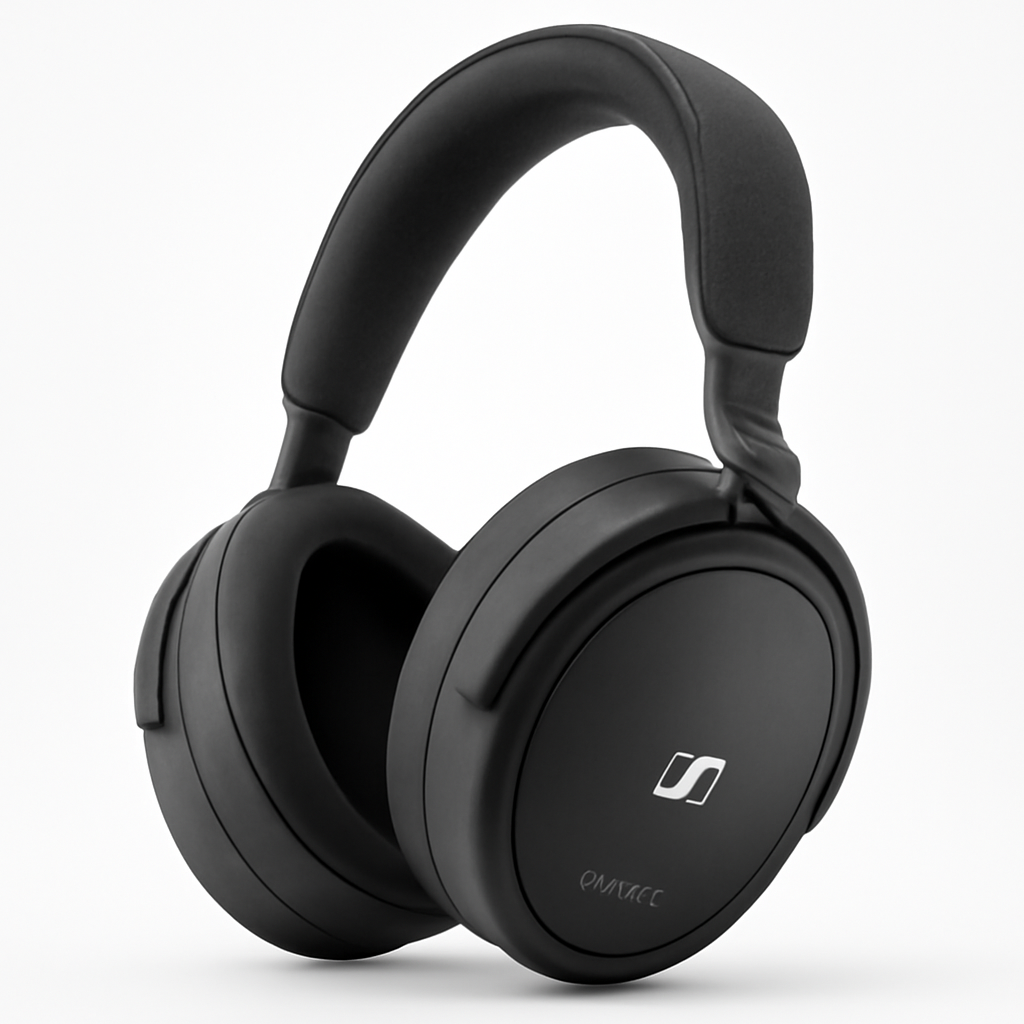
If you’re serious about audio quality in wireless headphones, you’re looking at a balancing act between codec technology, driver size, and frequency response. The best wireless headphones for sound quality in 2026 combine aptX or LDAC codec support with 40mm+ drivers and flat frequency curves. For most people, the Sony WH-1000XM5 delivers the best combination of audio fidelity and everyday usability, while audiophiles with deeper budgets should consider the Sennheiser Momentum 4 or the Bose QuietComfort 45 for more nuanced sound profiles.
—
What Makes Wireless Headphones Sound Quality Superior
Here’s the honest truth: wireless technology has come a long way. Five years ago, recommending wireless headphones to someone who cared about sound quality felt like suggesting they compromise. Today, that’s no longer the case—but you still need to know what separates mediocre wireless audio from genuinely good sound.
The key difference between wireless headphones that sound cheap and ones that sound premium comes down to several interconnected factors:
Codec Quality: The wireless codec (the compression standard used to transmit audio) is where wireless headphones either shine or stumble. Older codecs like SBC compress audio heavily, losing detail. Modern codecs like aptX, aptX Adaptive, LDAC, and the newer LC3 codec preserve far more audio information. LDAC, for example, can transmit audio at 990 kbps—nearly CD quality—while older codecs max out around 320 kbps.
Driver Engineering: A larger driver doesn’t automatically mean better sound, but it helps. Most premium wireless headphones use 40mm or larger drivers because they can move more air, delivering deeper bass response and better dynamic range. The materials matter too—some companies use titanium or carbon fiber driver diaphragms to reduce distortion.
Acoustic Tuning: How the headphone’s internal chamber is designed affects the final sound signature. Some headphones are tuned bright (emphasizing treble), while others are warm and bass-forward. This is entirely a preference thing, but premium headphones use frequency response graphs and physical acoustic chambers to achieve their target sound signature consistently.
Passive Noise Isolation: Even without active noise cancellation, well-fitting headphones with good passive isolation let you hear more detail because external noise isn’t competing with the audio. This is why fit and seal matter.
—
Top-Rated Wireless Headphones for Audiophiles in 2026
Premium Tier (Best Absolute Sound Quality)
Sony WH-1000XM5
Sony’s flagship continues to be the closest thing to a “perfect all-rounder” in 2026. The XM5s feature:
– LDAC codec support (up to 990 kbps)
– 30mm driver with custom frequency tuning
– Exceptional passive isolation with adaptive sound control
– Industry-leading noise cancellation
– 8-hour battery life per charge (roughly half of competitors)
The sound is warm and balanced—not analytical, but musical. If you listen to hip-hop, jazz, or pop, these will impress you immediately. Orchestral music sounds spacious. The noise cancellation actually helps the sound quality by letting you hear quieter details without turning up the volume.
Sennheiser Momentum 4
Sennheiser took a different approach: prioritize sound quality and battery life over compact size. The result is genuinely impressive audio.
– 42mm driver (one of the largest in the market)
– Custom-tuned acoustic design
– 60-hour battery life (yes, really)
– Excellent soundstage for closed-back headphones
– No noise cancellation (this is intentional—they focused on audio purity instead)
The Momentum 4s sound more “analytical” than the Sonys. You’ll hear more textural detail in vocals and instruments. These are genuinely great for active listening sessions. The trade-off: no noise cancellation, and they’re bulkier.
Bose QuietComfort 45
Bose has a decades-long reputation for sound engineering, and it shows here:
– Custom acoustic platform
– Smooth, non-fatiguing sound signature (great for long listening sessions)
– Excellent noise cancellation
– Strong Bluetooth connectivity
– 24-hour battery life
These lean toward comfort and refinement rather than excitement. If you listen to podcasts, audiobooks, or classical music for hours at a time, the QC45s won’t fatigue your ears. The sound is polished but slightly conservative.
—
Key Audio Features to Compare: Codec, Driver Size & Frequency
Before you buy, understand what these specs actually mean for your listening experience.
| Feature | Why It Matters | What to Look For |
| Bluetooth Codec | Determines how much audio detail survives wireless transmission | aptX Adaptive, LDAC, or LC3 (best); aptX or AAC (good); SBC (avoid for quality listening) |
| Driver Size | Larger drivers can move more air, affecting dynamic range and bass depth | 40mm+ for quality audio; 30-40mm is standard; larger isn’t always better if poorly tuned |
| Frequency Response | Shows which frequencies the headphones emphasize or de-emphasize | Flat (20Hz-20kHz ±3dB) is “accurate”; bass-boosted sounds punchier; treble-boosted sounds brighter |
| Impedance | How much power the headphones need; lower impedance = easier to drive | 32 ohms or less is standard; doesn’t directly affect quality, but matters for source device |
| Driver Material | Affects distortion and clarity | Titanium, carbon fiber, or composite materials reduce distortion vs. standard plastic |
The Codec Question: If your phone or audio device supports LDAC (most Android phones and some Sony devices), you’re getting wireless audio that’s genuinely close to wired quality. If you’re stuck with standard Bluetooth (AAC codec), you’re still getting decent audio, but you’re losing some detail.
—
Best Wireless Headphones by Category (Budget, Mid-Range, Premium)
Budget: Under $150
At this price point, you’re looking at good wireless headphones, not necessarily great audio quality. That said, some options deliver surprising value.
What to prioritize: Codec support matters more than brand name. Look for aptX support even on budget models. Driver size should be at least 30mm.
Realistic expectations: Budget headphones will have less nuanced soundstaging and weaker bass response. But they can still be enjoyable. Consider whether noise cancellation is actually important to you—you might get better sound quality by skipping it and buying better drivers instead.
Recommendation in this range: Look for models from Anker, JBL, or Soundcore that specifically mention aptX codec support. You’ll sacrifice build quality compared to premium brands, but the audio itself can be decent.
Mid-Range: $150–$350
This is where wireless headphone technology gets genuinely interesting. You get:
– Reliable LDAC or aptX Adaptive support
– Better quality drivers (35-40mm)
– Longer battery life (20+ hours)
– Quality noise cancellation that actually works
Best picks:
– Audio-Technica ATH-M50xBT: Designed for studio use but works great for audiophile listening. Accurate, flat sound. No noise cancellation, but excellent isolation and sound quality for the price.
– Beats Studio Pro: Better balance of style and sound than previous Beats models, though pricier for what you get.
At this price tier, you’re getting genuine audio quality without the premium markup.
Premium: $350+
This is where you’re paying for driver engineering, material science, and acoustic design expertise.
What you get: Perfect codec support, expert tuning, excellent build quality, and sound signatures that work across multiple genres rather than being optimized for one specific sound.
Best overall recommendation: The Sony WH-1000XM5 represents the best value in the premium segment. You’re paying for legitimate innovation: LDAC codec, excellent noise cancellation, and audio tuning that Sony got from monitoring millions of user listening sessions.
—
Comparison Table: Top Wireless Headphones for Sound Quality 2026
| Product | Best For | Key Strength | Price Range |
| Sony WH-1000XM5 | All-around audio quality + noise cancellation | LDAC codec + balanced sound signature | $350–$400 |
| Sennheiser Momentum 4 | Long listening sessions; pure sound quality | 42mm drivers + 60-hour battery | $300–$400 |
| Bose QuietComfort 45 | Comfort + smooth, non-fatiguing sound | Refined audio + excellent NC | $280–$380 |
| Audio-Technica ATH-M50xBT | Studio-accurate listening | Flat frequency response | $200–$280 |
| Beats Studio Pro | Lifestyle + modern design | Good sound quality + seamless Apple integration | $350–$400 |
—
Noise Cancellation vs. Sound Purity: Which Matters More?
Here’s where personal preference becomes critical.
Active Noise Cancellation (ANC)
How it affects sound quality: Good ANC actually helps sound quality by letting you hear quiet details without turning up the volume. Bad ANC colors the sound—you hear a “hissing” or “pumping” sensation beneath the music.
Trade-offs:
– Uses battery power (reduces playtime by 20-40%)
– Adds cost ($50-100 to the headphone price)
– Can interact weirdly with certain frequencies
– Some people find the “sealed” feeling uncomfortable
When to prioritize ANC: If you commute on planes, trains, or open offices, active noise cancellation genuinely improves your listening experience. The ability to hear music at lower volumes means less ear fatigue and better audio quality in noisy environments.
Passive Sound Isolation
How it works: Better ear cups, thicker padding, and tight acoustic sealing block outside noise without electronic processing.
Advantages for sound quality:
– No electronic “coloration” of the sound
– No battery drain
– Headphones are mechanically simpler (fewer failures)
– Works for all frequencies equally
Trade-off: Passive isolation only blocks loud, steady noises (airplane engines, train rumble). It does nothing for voices, alarms, or irregular noise.
Our Take: If you’re primarily listening at home or in quiet environments, prioritize sound quality over ANC. If you travel or work in offices, ANC is worth the trade-off. The good news: modern premium headphones like the Sony XM5s do both well.
—
Pros and Cons: Top Contenders
Sony WH-1000XM5
Pros:
– ✅ LDAC codec delivers near-lossless wireless audio
– ✅ Best-in-class noise cancellation
– ✅ Balanced sound signature works across genres
– ✅ Excellent build quality and customer support
– ✅ Seamless multipoint connection
– ✅ Great app with EQ customization
Cons:
– ❌ Battery life is only 8 hours (competitors offer 20+)
– ❌ Expensive
– ❌ Slightly bass-boosted tuning (not ideal for absolute audio purists)
– ❌ Earcups get warm during extended wear
Sennheiser Momentum 4
Pros:
– ✅ Largest driver size (42mm) delivers impressive dynamic range
– ✅ 60-hour battery life (genuinely insane)
– ✅ Warm, musical sound signature that most people love
– ✅ Excellent value for the audio quality
– ✅ Comfortable for marathon listening sessions
Cons:
– ❌ No active noise cancellation
– ❌ Larger, less portable form factor
– ❌ Bluetooth codec is standard aptX (good but not LDAC)
– ❌ No touch controls on earcups (button-based)
Bose QuietComfort 45
Pros:
– ✅ Smooth, refined sound that won’t fatigue your ears
– ✅ Excellent noise cancellation
– ✅ Premium build quality
– ✅ 24-hour battery life
– ✅ Great for podcasts and audiobooks
Cons:
– ❌ Less engaging sound than competitors (safer, less fun)
– ❌ No LDAC codec support
– ❌ Pricey for what you get
– ❌ Controls are dated compared to touchpad alternatives
—
How to Test and Compare Headphone Sound Quality
If you’re spending $250+ on headphones, you should actually test them. Here’s how to do it right.
Use Reference Tracks
Pick songs that showcase different aspects of audio quality:
– Vocals: Norah Jones – “Don’t Know Why” (clarity, intimacy)
– Bass: Billie Eilish – “Bad Guy” (punch and control)
– Soundstage: Pink Floyd – “Shine On You Crazy Diamond” (imaging, space)
– Classical: Yo-Yo Ma – any Bach cello suite (instrument texture)
– Electronic: Daft Punk – “One More Time” (clarity in busy mixes)
What to Listen For
1. Clarity: Can you hear individual instruments and voices distinctly?
2. Bass response: Does it feel punchy without drowning out mids?
3. Soundstage: Do instruments feel like they’re in a real space, or flat and narrow?
4. Fatigue: After 30 minutes, do your ears hurt or feel tired?
5. Detail: Can you hear subtle background elements?
Testing Environment Matters
– Test in quiet environments first (so you’re not compensating for outside noise)
– Test at medium volumes (65-75 dB)—if headphones sound good loud, they might fatigue you at normal volumes
– Test across different music genres you actually listen to
– Listen for at least 15-20 minutes; first impressions are misleading
The Burn-In Myth
You’ll read that headphones need 50+ hours of “burn-in” to sound their best. This is mostly nonsense. Headphones sound largely the same on day one as they do after 100 hours. However, you do need time for your brain to acclimate to their sound signature. Give yourself at least a week of regular listening before deciding if you like them.
—
Our Verdict: Best Overall Wireless Headphones for Sound Quality 2026
If you’re buying just one pair of wireless headphones and care about sound quality, the Sony WH-1000XM5 remains the best all-around choice.
Why? They nail the fundamentals:
– LDAC codec support gives you wireless audio that’s genuinely close to lossless
– Balanced tuning works across every genre without fatigue
– Excellent active noise cancellation lets you hear detail in noisy environments
– Build quality and warranty support justify the price
– The app lets you fine-tune the EQ if you prefer warmer or brighter sound
The catch: 8-hour battery life is frustrating if you travel. If that’s a dealbreaker, the Sennheiser Momentum 4 is a genuinely excellent alternative. You lose the LDAC codec and active noise cancellation, but you gain 60-hour battery life and arguably better sound quality for active listening.
Budget Recommendation
If you’re spending under $300, look specifically for models with aptX or better codec support. The jump in audio quality from SBC to aptX is genuinely noticeable. Audio-Technica ATH-M50xBT delivers studio-grade accuracy at a mid-range price.
Bottom Line
Wireless headphone technology in 2026 is mature enough that “wireless” no longer means “compromised audio quality.” The headphones you choose should be based on:
1. Your actual use case (commuting, office, home listening)
2. What codec your source device supports (LDAC makes the biggest difference)
3. Sound signature preference (warm vs. balanced vs. bright)
4. Battery life needs
5. Budget
All the headphones mentioned here will deliver satisfying audio quality. The “best” one is the one that matches your priorities, not someone else’s. But if you want the single safest choice that balances quality, features, and usability, the Sony WH-1000XM5 has earned its reputation.