Quick Answer
If you’re looking to drop weight while preserving muscle, protein powder is a legitimate tool—but not all powders are created equal. The best protein powders for weight loss combine high protein content (20g+ per serving), low calories (under 150 per scoop), minimal added sugar, and ingredients that actually keep you full. Whey isolate typically wins for speed and simplicity, while plant-based options work better if you’re dairy-free or vegan. Budget $30-60 per tub for quality options; premium brands run $60-100+.
This guide cuts through the marketing noise and shows you exactly what to look for so you can pick a powder that actually supports your goals—not one that’s mostly filler and false promises.
—
What Makes Protein Powder Effective for Weight Loss
Protein powder isn’t magic. But it is one of the most scientifically-backed supplements for weight loss because it does three things your body needs:
1. Preserves Lean Muscle
When you’re in a calorie deficit (which you have to be to lose weight), your body will burn both fat and muscle for energy. Adequate protein—especially during workouts—tells your body to spare the muscle. Protein powder makes hitting your daily protein target simple when whole food falls short.
2. Increases Satiety
Protein is the most satiating macronutrient. It takes longer to digest than carbs or fat, keeps your blood sugar steadier, and tells your brain you’re actually full. A high-protein shake can reduce hunger for 3-4 hours, which means fewer snacks and less overall calorie intake.
3. Boosts Thermic Effect
Your body burns calories just digesting food. Protein has the highest “thermic effect” of all macronutrients—roughly 20-30% of the calories you eat from protein are burned during digestion. A 100-calorie protein shake might only “cost” you 70 calories net.
The catch? You still need a calorie deficit. Protein powder is a tool, not a weight-loss pill. If you’re using it to add 500 extra calories daily on top of your normal diet, you’ll gain weight, not lose it.
—
Top Protein Powders for Weight Loss Compared
| Product | Best For | Protein Per Serving | Calories Per Serving | Price Range |
| Optimum Nutrition Gold Standard Whey | Budget-friendly whey | 24g | 120 | $30-45/2lb |
| Isopure Zero Carb | Strict low-carb dieting | 25g | 110 | $40-55/1.6lb |
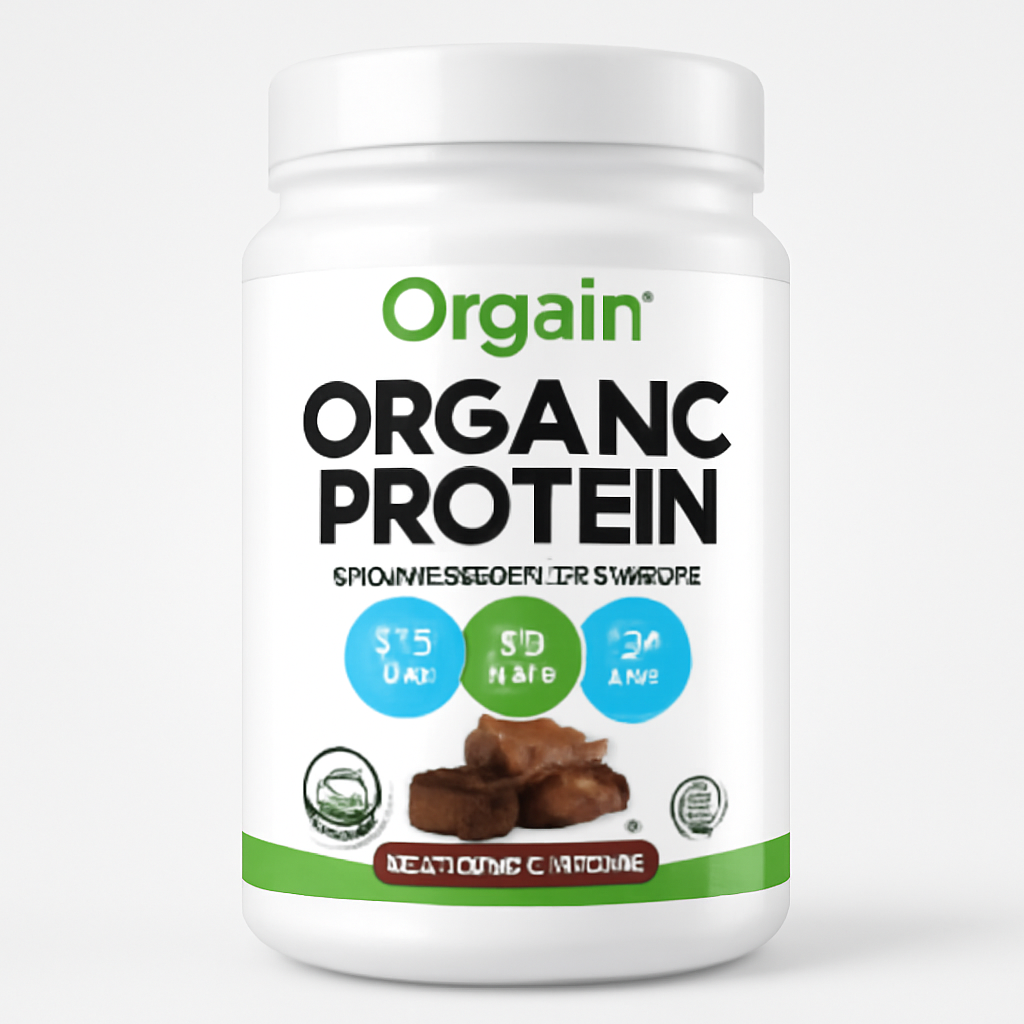
| Orgain Organic Protein | Plant-based, clean label | 21g | 150 | $35-50/1.02lb |
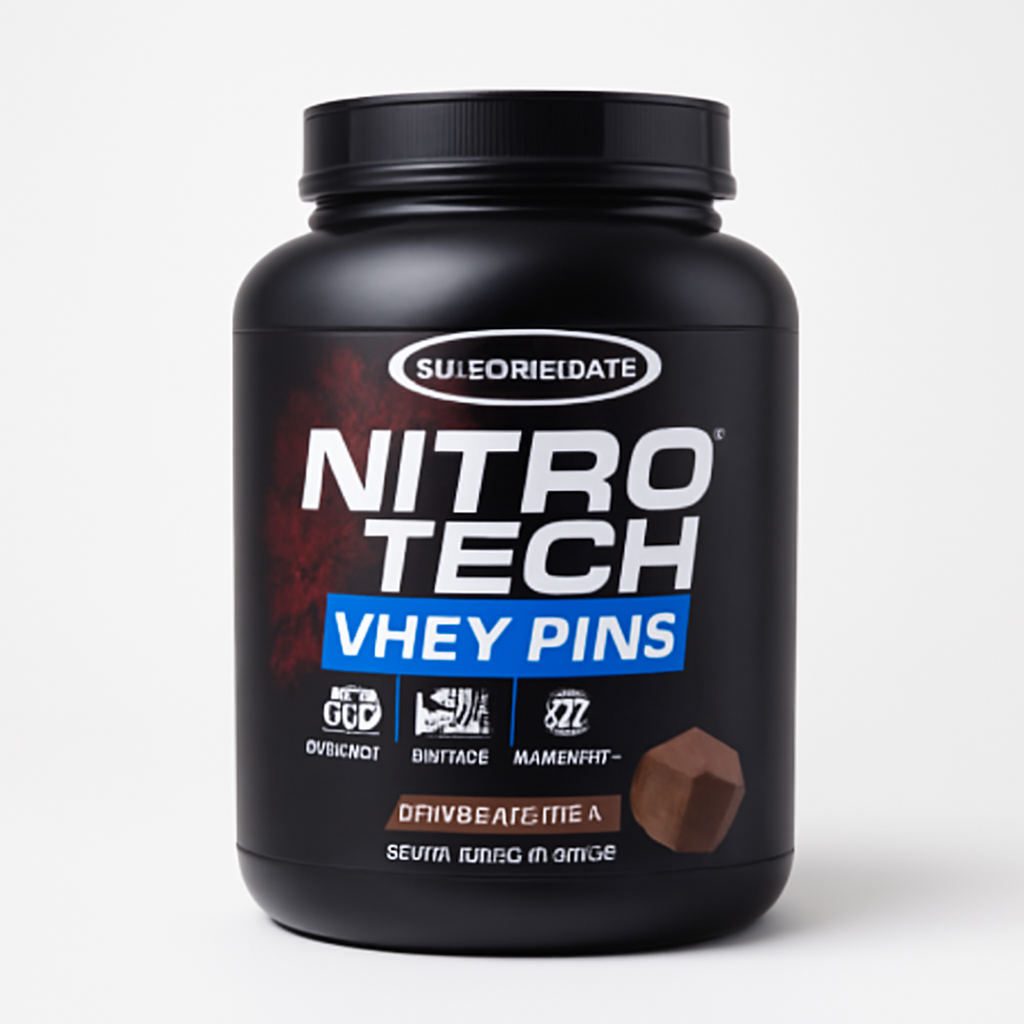
| MuscleTech Nitro-Tech Whey Plus | High protein, added creatine | 30g | 180 | $45-65/2lb |
These four span different needs and budgets. Let’s break down why each one matters and where they excel (and where they fall short).
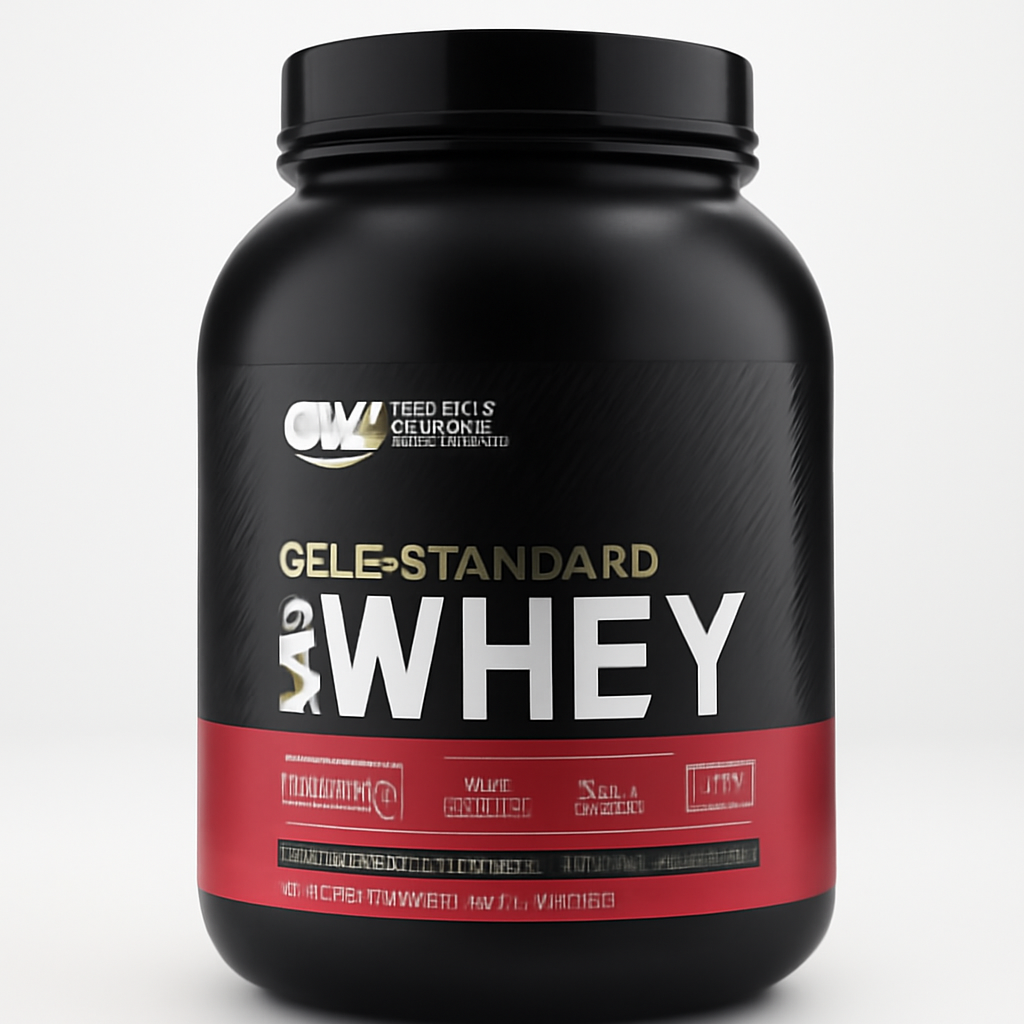
Optimum Nutrition Gold Standard Whey — Best Overall Value
Price:
Optimum Nutrition (ON) is the bestselling whey powder globally, and for weight loss it’s hard to argue with the numbers: 24g protein, 120 calories, and less than 1g sugar per scoop. It’s been the same formula for years—which is either comforting (proven track record) or boring (no innovation), depending on your view.
Pros:
– Genuinely affordable (~$15-18 per pound)
– Mixes cleanly, tastes decent in vanilla and chocolate
– Whey isolate/concentrate blend digests quickly
– Third-party tested; NSF certified
– Available everywhere (Amazon, GNC, Walmart)
Cons:
– Contains sucralose and artificial flavoring (not a dealbreaker, but “clean label” it ain’t)
– Less filling than casein or plant-based options with added fiber
– 2lb tub runs out faster than competitors’ larger sizes
Best for: Someone on a tight budget who wants a proven, no-frills whey that delivers protein without overthinking it.
—
Isopure Zero Carb — Best for Keto and Low-Carb Diets
Price:
Isopure is marketed hard toward keto dieters, and it earns that positioning. 25g protein, 110 calories, literally zero carbs, and zero sugar (sweetened with sucralose). The ingredient list is short: whey isolate, lecithin, vanilla flavor, artificial sweetener, salt.
Pros:
– True zero carbs (not marketing speak)
– Highest protein-to-calorie ratio on this list
– Unflavored option available for mixing into coffee or smoothies
– Mixes with just water or almond milk
Cons:
– Higher price per pound than Gold Standard
– Artificial sweetener-heavy (some people report digestive sensitivity)
– Less satiating than powders with added fiber or thicker texture
– Smaller serving size means tub empties quickly
Best for: Someone doing keto, carnivore, or very strict carb cycling who wants zero metabolic “surprises.”
—
Orgain Organic Protein — Best Plant-Based Option
Price:
If you’re vegan, lactose-intolerant, or just prefer plant sources, Orgain is the benchmark. 21g protein (from pea, brown rice, and chia seed blend), 150 calories, organic certification, and a full ingredient list you can pronounce.
Pros:
– Clean, organic ingredients (no artificial sweeteners)
– Contains added fiber (3-4g), which boosts satiety
– Significantly more satiating than whey due to fiber and plant-based protein blend
– No dairy, soy, or common allergens
– Dissolves into a thicker shake (feels more substantial)
Cons:
– Higher calorie count (150 vs. 120 in whey options)
– Slightly grainier texture than whey
– Plant-based proteins absorb slower (good for sustained energy, slower for post-workout)
– Pricier per serving ($1.50-2.00 per scoop)
Best for: Vegans, dairy-free folks, and anyone prioritizing clean labels and satiety over minimal calories.
—
MuscleTech Nitro-Tech Whey Plus — Best High-Protein Option
Price:
MuscleTech goes big: 30g protein per scoop, 180 calories, plus added creatine monohydrate (3g per serving). Designed for someone who’s serious about building/keeping muscle while losing fat.
Pros:
– Highest protein dose (30g supports muscle preservation and satiety)
– Built-in creatine (saves you buying another supplement)
– Mixes well, good flavor variety
– Proven formula trusted by competitive athletes
Cons:
– More calories than lighter options (though still reasonable for weight loss)
– Creatine addition means you’re paying for something you might not need
– Overkill protein for lighter individuals (<150 lbs)
– Not for someone trying to minimize supplements
Best for: Serious lifters and people over 180 lbs who want maximum muscle preservation during a cut.
—
Protein Types: Whey vs. Plant-Based vs. Casein
Not all protein sources behave the same way in your body. For weight loss specifically, the differences matter.
Whey Protein (Fast-Acting)
What it is: Extracted from milk during cheese production. Whey isolate is filtered further for higher protein and lower lactose.
Digestion speed: 30-60 minutes to full absorption
Satiety: Moderate (good appetite suppression, but not the longest-lasting)
Best for weight loss: If you’re doing strength training, whey’s amino acid profile (especially leucine) is optimal for triggering muscle protein synthesis. Fast absorption means you can drink it post-workout and still have it support afternoon energy.
Downside: Less satiating than casein; some people feel hungry again after 2-3 hours.
Plant-Based Protein (Mixed Amino Profile)
What it is: Blended sources—pea, hemp, rice, chia, sacha inchi. Good brands use blends to complete amino acid profiles.
Digestion speed: 60-90 minutes
Satiety: High (especially with added fiber)
Best for weight loss: If dairy makes you bloated or you’re vegan/ethical reasons matter. Plant-based proteins are often formulated with more fiber and micronutrients, which genuinely helps with hunger and nutrient gaps.
Downside: Slower amino acid absorption means less immediate post-workout benefit. Some people find them grittier in texture.
Casein Protein (Slow-Release)
What it is: The other protein in milk (whey is 20%, casein is 80%). Forms a curd in your stomach, digests slowly.
Digestion speed: 2-4 hours
Satiety: Very high—casein is the most satiating protein source
Best for weight loss: If you struggle with hunger between meals or want to sip a shake slowly over time. A casein shake at night can reduce midnight snacking.
Downside: Slower absorption means it’s not ideal post-workout. Usually more expensive. Thicker, creamier texture isn’t everyone’s preference.
Our take: For pure weight loss results, whey isolate edges out the others for speed and simplicity. But if hunger is your problem, casein or plant-based with added fiber will serve you better.
—
How Much Protein Do You Need to Lose Weight
This is where people get lost. You don’t need crazy amounts, but you do need consistency.
General Guidelines
During calorie deficit for weight loss: 0.8-1.0g protein per pound of body weight
That’s higher than the standard RDA (0.8g per kg, not pound), but research shows it’s what preserves muscle during fat loss.
Examples:
– 150 lb person: 120-150g protein daily
– 200 lb person: 160-200g protein daily
– 250 lb person: 200-250g protein daily
How Protein Powder Fits In
Most people eat 30-50g protein from whole foods (chicken, fish, eggs, Greek yogurt). A protein shake covering 20-30g gets you halfway there with minimal effort.
Don’t make the mistake of: Thinking 3-4 shakes daily replaces real food. Whole foods have vitamins, minerals, and satiety that powder alone doesn’t deliver. Use powder to supplement, not replace.
Best timing:
– Post-workout (whey) for muscle recovery
– Between meals (whey or casein) for appetite control
– Before bed (casein) to reduce overnight hunger
—
Ingredient Labels: What to Look For and Avoid
Reading labels separates smart buyers from people who waste money on overmarketed garbage.
The Essentials to Check
1. Protein Content
– Aim for 20g minimum per serving
– For weight loss specifically, more is better (25-30g is ideal)
– Check the “per serving” line—not per container
2. Sugar Content
– Under 2g per serving is your target
– Anything over 5g defeats the purpose of a weight-loss shake
– Watch out for “sugar alcohols” if you have GI sensitivity
3. Calorie Density
– 100-150 calories per serving for weight loss
– Anything over 200 is too high unless you have specific muscle-gain goals
– Calculate: Total calories ÷ Protein (g) = calories per gram protein
– Ideal ratio: 4-5 calories per gram protein
– (A 120-cal shake with 24g protein = exactly 5 cal/g)
Ingredients to Favor
– Whey isolate (higher purity, lower lactose)
– Fiber (at least 2-3g per serving boosts satiety)
– Potassium (helps with water retention and cramping during dieting)
– Minimal sweeteners (stevia, erythritol preferable to aspartame long-term, though both are safe)
Ingredients to Avoid or Minimize
– Sugar (5g+) — kills your deficit
– Proprietary blends (the label says “Muscle Complex Blend: 2000mg” but won’t break down what’s inside; you don’t know what you’re paying for)
– Sugar alcohols if GI-sensitive (maltitol especially can cause bloating)
– Excessive additives — more than 10 ingredients usually means filler
– “Natural flavors” — legitimate, but vague; real vanilla extract is better than “natural vanilla flavor”
—
Best Budget and Premium Options
Budget Option: Optimum Nutrition Gold Standard Whey
Already covered above. At ~$15-18 per pound, it’s hard to beat. You’re paying for protein and nothing else, which is exactly what you want when money’s tight.
Mid-Range: Isopure Zero Carb
At ~$25-30 per pound, it’s a step up in purity (isolate only, zero carbs) and slightly more advanced ingredient selection. Good balance of cost and quality.
Premium Option: MuscleTech Nitro-Tech Whey Plus
At ~$40+ per pound, you’re paying for added creatine, advanced flavoring, and the brand name. Not necessary for weight loss, but if you’re serious about training, the 30g protein and creatine combo is scientifically sound.
Pro tip: Check cost per gram protein, not just tub price.
– Gold Standard: ~$0.60-0.75 per gram protein
– Isopure: ~$0.80-1.00 per gram protein
– Nitro-Tech: ~$0.85-1.10 per gram protein
All are reasonable. The difference between “budget” and “premium” is usually 20-40 cents per gram—not a make-or-break deal.
—
How to Choose the Right Powder for Your Goals
Here’s a decision tree to nail this:
Question 1: Do You Have Dairy Sensitivity?
– Yes → Go plant-based (Orgain) or casein if it’s just lactose
– No → Whey is your cheapest, fastest option
Question 2: Is Hunger Your Main Problem?
– Yes → Prioritize satiety: casein, plant-based with fiber, or thicker-textured powders
– No → Focus on calories and protein; anything with 24g+ protein and <150 cal works
Question 3: What’s Your Budget?
– Under $40/month → Gold Standard Whey
– $40-70/month → Isopure or mid-range plant-based
– $70+/month → Premium blends, specialized options
Question 4: Are You Lifting Weights?
– Yes → Whey isolate post-workout for fast absorption
– No (cardio/diet-only) → Plant-based or casein for longer satiety
Question 5: How Strict Are Your Dietary Preferences?
– Clean label/organic matters → Orgain
– Keto/zero-carb → Isopure
– Cost + results only → Gold Standard
—
Common Mistakes People Make (and How to Avoid Them)
Mistake 1: Replacing meals with shakes
Protein powder is a supplement. Your body processes whole food differently—it has fiber, micronutrients, and chewing satisfaction. Shakes should replace snacks or bridge gaps, not meals.
Mistake 2: Buying based on taste reviews
The best-tasting powder isn’t the best weight-loss powder. Taste is subjective; stick to specs (protein, calories, sugar).
Mistake 3: Assuming “natural” = better
Marketing term. Natural sugar is still sugar. Natural flavoring is marketing speak. Look at the actual numbers.
Mistake 4: Not accounting for liquid calories
If you’re mixing with 12 oz whole milk, you’re adding 150 calories. Use water or almond milk to keep shakes in the 120-150 calorie zone.
Mistake 5: Buying the biggest tub first
Powders go stale. Start with a 1-2 lb tub, make sure you like it, then buy the 5 lb bulk size.
—
Our Verdict
If you’re serious about losing weight while keeping muscle, Optimum Nutrition Gold Standard Whey is the right choice for 80% of people. It hits the specs, the price is fair, and it works. Buy a