Quick Answer: The best GPS dog collars in 2026 combine real-time location tracking, long battery life, and activity monitoring in a comfortable, waterproof design. For most dog owners, the Fi Series 3 offers the best balance of battery life and tracking accuracy, while the Tractive GPS Dog LTE wins for unlimited range and affordability. If you have a hunting or working dog, Garmin’s tracking systems remain the gold standard. Below, we break down what matters, compare the top models, and help you pick the right one for your dog.
—
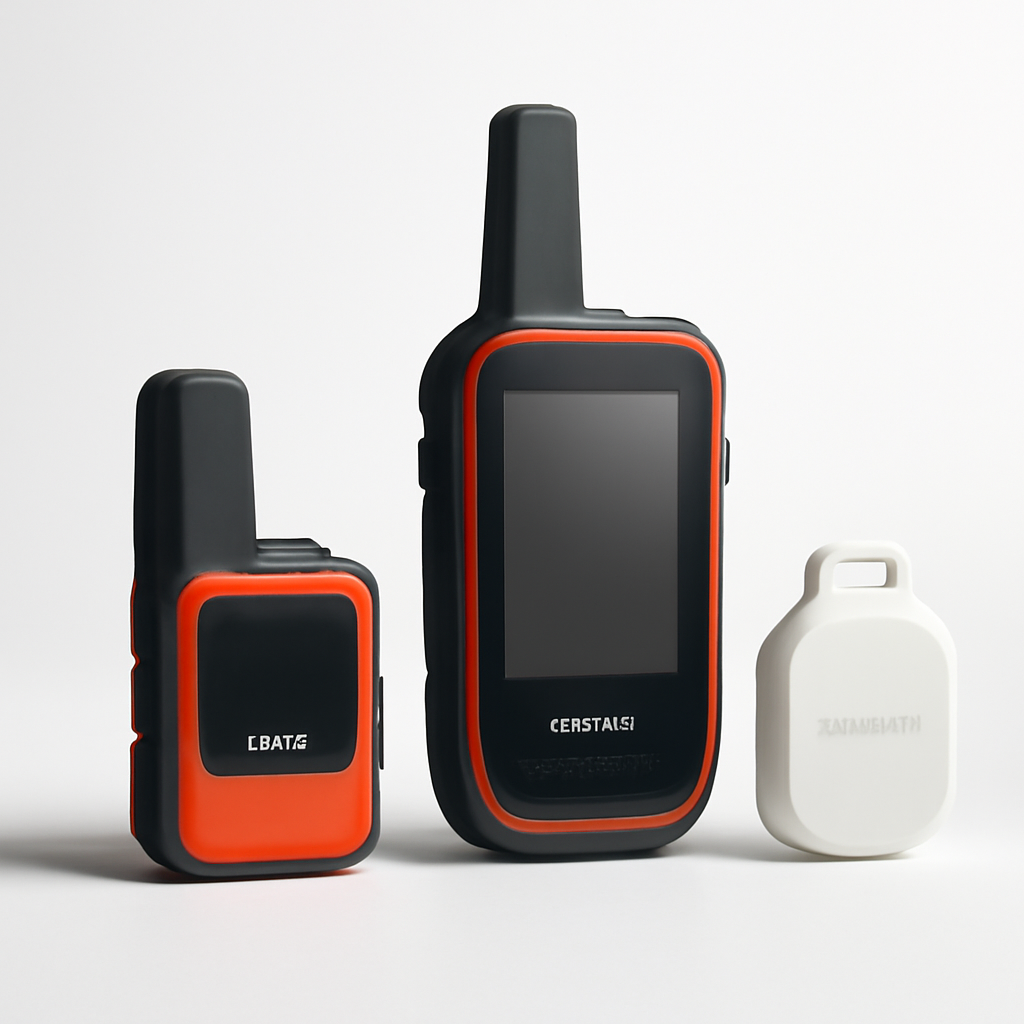
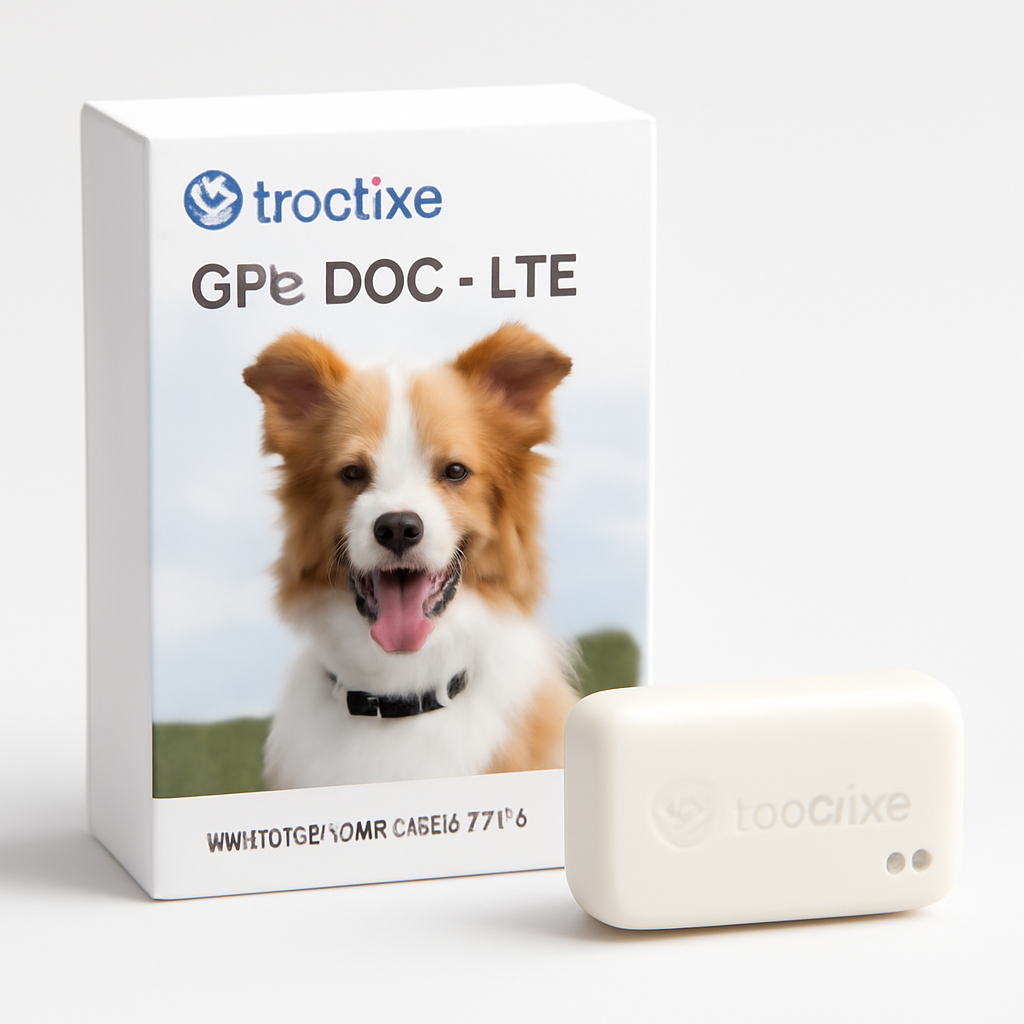
Losing sight of your dog — even for a few minutes — is a special kind of panic. Whether you’ve got an escape-artist husky, a hunting dog that ranges far, or a curious pup who bolts through an open gate, a GPS dog collar turns that panic into a quick glance at your phone. In 2026, these devices are smaller, longer-lasting, and smarter than ever, tracking not just where your dog is but how much they’re sleeping, walking, and playing.
This guide walks you through exactly how GPS collars work, the features that actually matter, and our top picks for every type of dog and budget.
What Is a GPS Dog Collar and How Does It Work?
A GPS dog collar is a small tracking device that attaches to (or replaces) your dog’s regular collar and uses satellite positioning to report your dog’s real-time location to an app on your phone.
Most modern collars combine three technologies to pinpoint your dog:
– GPS satellites determine the collar’s location outdoors, usually accurate to within a few meters.
– Cellular (LTE) networks+networks&tag=pulseprotocol-20) transmit that location data to your phone from anywhere with coverage — this is what gives you unlimited range.
– Bluetooth and Wi-Fi provide close-range tracking and battery savings when your dog is at home.
When your dog wanders outside a “safe zone” you set up (like your yard), the collar sends an instant alert to your phone. You then open a live map to follow their movement in real time, often refreshed every few seconds.
The key distinction to understand: GPS collars that rely on cellular networks require a subscription (typically a monthly or annual fee) because they use mobile data. Radio-frequency (RF) trackers, by contrast, don’t need a subscription but have limited range and no live phone-based mapping. We’ll cover this trade-off in detail below.
Key Features to Look for in a 2026 GPS Dog Collar
Not all GPS collars are created equal. Here’s what separates a great one from a frustrating one:
1. Battery Life
This is the single most common complaint among GPS collar owners. Look for collars advertising multi-day to multi-week battery life. Real-world performance is usually shorter than the marketing number, especially in “live tracking” mode.
2. Range and Network Coverage
Cellular-based collars offer essentially unlimited range as long as there’s cell service. Check which carrier network the collar uses and whether your area has strong coverage.
3. Location Update Frequency
The best collars update every few seconds in live mode. Cheaper models may only refresh every few minutes — a big difference when you’re chasing a moving dog.
4. Durability and Waterproofing
Dogs swim, dig, and roll in mud. Look for a waterproof rating (IPX7 or better) and a rugged housing that survives rough play.
5. Fit and Weight
A collar that’s too heavy or bulky will annoy your dog and may not be safe for small breeds. Match the device size to your dog’s weight class.
6. Activity and Health Tracking
Many 2026 models double as fitness trackers, logging steps, sleep, and even scratching or licking that may signal health issues.
7. Geofencing and Alerts
Safe-zone (geofence) alerts are the feature you’ll use most day-to-day. Make sure the app lets you set multiple zones and delivers alerts fast.
Best GPS Dog Collars of 2026: Our Top Picks
After weighing battery life, tracking accuracy, durability, and value, these are our top recommendations for 2026.
Top Picks at a Glance
| Product | Best For | Price Range |
| Fi Series 3 | Everyday tracking + battery life | $$ |
| Tractive GPS Dog LTE | Best value & unlimited range | $ |
| Garmin Alpha 200i | Hunting & working dogs | $$$$ |
| Whistle Switch | Health & activity monitoring | $$ |
| Jiobit Smart Tag | Small dogs & lightweight fit | $$ |
—
1. Fi Series 3 — Best Overall
The Fi Series 3 has earned a loyal following for one big reason: battery life that’s measured in weeks, not days, under normal use. It uses LTE-M and GPS for nationwide tracking, and its “escape mode” cranks up location updates the moment your dog leaves a safe zone. The collar is genuinely rugged, swim-proof, and the companion app is clean and fast.
It also doubles as a solid activity tracker, comparing your dog’s steps against others of the same breed — a fun feature that also flags when your dog is unusually inactive.
Pros:
– Exceptional battery life compared to competitors
– Fast escape-mode alerts and live tracking
– Durable, swim-proof design
– Step and sleep tracking with breed benchmarks
Cons:
– Requires an ongoing subscription
– The module fits only Fi-brand collar bands
– Larger module isn’t ideal for very small dogs
2. Tractive GPS Dog LTE — Best Value
If you want reliable, unlimited-range tracking without a premium price tag, the Tractive GPS Dog LTE is hard to beat. It clips onto any collar you already own, works in over 175 countries, and offers live tracking with frequent updates. Battery life is shorter than the Fi (a few days rather than weeks), but for many owners the lower upfront cost and universal collar compatibility make it the smarter buy.
Tractive also includes a “virtual fence” and detailed activity and sleep monitoring, plus a “worldwide” subscription tier for people who travel or live near borders.
Pros:
– Attaches to any existing collar
– Truly worldwide coverage
– Affordable hardware price
– Solid activity and sleep tracking
Cons:
– Battery life is shorter than premium rivals
– Subscription required for LTE features
– Bulkier on small breeds
3. Garmin Alpha 200i — Best for Hunting & Working Dogs
For serious sportsmen and working-dog handlers, the Garmin Alpha 200i is in a class of its own. Unlike cellular collars, Garmin’s system uses a handheld device with radio and satellite communication, meaning it works far off the grid where there’s no cell service at all. It can track multiple dogs at once across long distances and includes built-in inReach satellite messaging for backcountry safety.
This is overkill for a suburban pet — and priced accordingly — but for hunting in remote terrain, nothing else compares.
Pros:
– Works with zero cell coverage
– Tracks multiple dogs simultaneously
– Long-range performance in rugged terrain
– Built-in satellite SOS messaging
Cons:
– Very expensive upfront
– Bulky collar and separate handheld required
– Overkill for everyday pet owners
4. Whistle Switch — Best for Health Monitoring
The Whistle Switch leans hard into wellness. Beyond solid GPS tracking with safe-zone alerts, it monitors licking, scratching, sleep quality, and activity — data you can share directly with your vet. It’s a great pick for owners of dogs with allergies, anxiety, or chronic conditions who want more than just location.
5. Jiobit Smart Tag — Best for Small Dogs
Weighing just a fraction of bulkier trackers, the Jiobit Smart Tag is ideal for toy and small breeds that can’t comfortably carry a large module. It offers real-time GPS with encrypted tracking and a very compact footprint, making it popular with owners of small dogs (and it works for kids and seniors too).
Subscription vs. No-Fee GPS Collars: What to Know
One of the biggest surprises for first-time buyers is the monthly subscription fee. Here’s the honest breakdown:
Subscription collars (Fi, Tractive, Whistle):
– Use cellular networks for unlimited, live, phone-based tracking
– Require a monthly or annual plan (paying annually usually lowers the cost)
– Offer the real-time mapping most people actually want
No-fee options (Garmin RF systems, Bluetooth tags):
– Garmin’s radio-based systems have no monthly fee but require an expensive handheld and have range limits based on terrain
– Bluetooth-only tags (like basic AirTag-style trackers) have no subscription but only work within short range or via crowd-sourced networks — they can’t truly track a running dog in real time
Bottom line: If you want true live GPS tracking anywhere, expect a subscription. If you hunt off-grid or only need close-range finding, a no-fee option may work. Always factor the subscription into your total cost — check the current plan pricing at before buying.
Battery Life, Range, and Real-World Accuracy
Marketing numbers and real-world performance don’t always match. Here’s what to actually expect:
Battery Life
Advertised battery life assumes minimal live-tracking. Every time you open live mode and follow your dog on the map, the battery drains much faster. In normal day-to-day use (mostly resting in a safe zone), premium collars like the Fi Series 3 can genuinely last weeks, while most cellular collars land in the 3-to-7-day range. Get in the habit of charging on a schedule so you’re never caught with a dead collar.
Range
Cellular collars are only as good as the cell coverage in your area. In cities and suburbs, expect excellent performance. In remote rural areas or deep canyons, coverage gaps can leave you with a last-known location rather than a live one — which is exactly why off-grid users choose radio-based Garmin systems instead.
Accuracy
Outdoors with a clear sky view, GPS accuracy is typically within a few meters. Accuracy drops indoors, under heavy tree cover, or between tall buildings, where the collar may fall back on Wi-Fi or cell-tower triangulation. For finding a dog in a park or field, it’s more than accurate enough; for pinpointing a dog inside a large building, expect some guesswork.
GPS Collar Fit and Sizing for Every Breed
A GPS collar only works if your dog will actually wear it comfortably. Fit matters for both safety and accuracy.
Match the Module to Your Dog’s Size
– Small breeds (under ~15 lbs): Choose the lightest option — the Jiobit Smart Tag or a small Tractive model. Avoid bulky modules that strain the neck.
– Medium breeds: Most collars, including the Fi Series 3 and Tractive, fit comfortably.
– Large and working breeds: Nearly any collar works; hunting dogs may prefer the rugged Garmin build.
Get the Right Neck Fit
You should be able to fit two fingers snugly between the collar and your dog’s neck. Too loose and the collar spins (hurting GPS accuracy and risking loss); too tight and it’s uncomfortable or unsafe.
Consider Coat Type
For long-haired or double-coated breeds, make sure the antenna and module sit against the coat properly. Some owners of very fluffy dogs trim a small area or choose a collar with a more exposed antenna for a better signal.
Puppies and Growing Dogs
If your dog is still growing, pick a collar with an adjustable or replaceable band so you’re not rebuying hardware every few months.
Frequently Asked Questions
Do GPS dog collars really need a monthly subscription?
Most cellular-based collars (Fi, Tractive, Whistle) do, because they use mobile data networks to send live location to your phone. Radio-based systems like Garmin’s don’t have a monthly fee but cost more upfront and have range limits. Bluetooth-only tags don’t need a subscription but can’t provide true real-time tracking at a distance.
How accurate are GPS dog collars?
In open areas with a clear view of the sky, most are accurate to within a few meters. Accuracy decreases indoors, under dense tree cover, or in urban canyons where the device relies on backup positioning methods.
Can I use a GPS collar as my dog’s only collar?
Some models are designed to replace the everyday collar, while others attach to your existing one. Either way, keep a physical ID tag on your dog as a low-tech backup.
Will a GPS collar work if my dog runs out of cell range?
Cellular collars need network coverage to send live updates. If your dog runs into a dead zone, you’ll typically see their last known location until they re-enter coverage. For truly remote areas, a radio-based Garmin system is the reliable choice.
Are GPS collars waterproof?
Most quality 2026 models are waterproof or water-resistant (look for an IPX7 rating or better), so swimming and rain aren’t a problem. Always confirm the specific rating before letting your dog dive in.
How long do the batteries last?
It varies widely by model and usage. Expect anywhere from a few days to a few weeks of normal use, with live tracking draining the battery much faster. Premium models like the Fi Series 3 lead the pack on longevity.
Our Verdict
For the vast majority of dog owners in 2026, the Fi Series 3 is the best all-around GPS collar, thanks to its standout battery life, fast escape alerts, and durable design. If you want the same peace of mind at a lower price — and don’t mind charging more often — the Tractive GPS Dog LTE delivers unbeatable value and truly global range.
Have a small dog? The lightweight Jiobit Smart Tag is the comfortable choice. Focused on your dog’s health? The Whistle Switch gives you vet-ready data. And if you’re a hunter or handler working off the grid, the Garmin Alpha 200i remains the uncompromising, no-monthly-fee gold standard.
Whichever you choose, factor in the subscription cost, confirm coverage in your area, and get the fit right — then enjoy the peace of mind that comes from always knowing where your best friend is. Check the latest prices on our top picks above to find the right collar for your dog today.