Quick Answer: The best dog shampoos are built on gentle, plant-based cleansers and skin-soothing moisturizers — think colloidal oatmeal, aloe vera, glycerin, and natural oils. Avoid harsh sulfates (SLS/SLES), parabens, and artificial fragrances, which strip your dog’s coat and irritate sensitive skin. For most dogs, an oatmeal-based formula like Earthbath Oatmeal & Aloe is the safest all-around choice. Below, we break down exactly which ingredients matter, what to avoid, and how to read a label like a pro.
—
Why Dog Shampoo Ingredients Matter More Than the Brand
Here’s the thing most dog owners get wrong: they shop by brand name or scent, not by what’s actually inside the bottle. But your dog’s skin is far more delicate than yours — a dog’s skin has a pH around 6.5–7.5 (roughly neutral), while human skin sits closer to 5.5 (more acidic). That’s why human shampoo, even “gentle” baby shampoo, can throw off a dog’s skin barrier and leave them itchy, flaky, and miserable.
The ingredient list is the only place that tells you the truth. A bottle can say “natural,” “hypoallergenic,” or “vet recommended” on the front and still be loaded with drying detergents and synthetic fragrance. Those front-label claims aren’t regulated the way you’d hope. The ingredient panel on the back, however, has to list what’s really in there.
So the smart move is simple: ignore the marketing, flip the bottle over, and learn to recognize the good actors and the bad ones. That’s what this guide is for.
—
Gentle Cleansers and Moisturizers to Look For (Oatmeal, Aloe, Glycerin)
Not all cleansing agents are created equal. A good dog shampoo removes dirt and odor without stripping the natural oils that keep your dog’s coat healthy and their skin protected. Here are the ingredients worth paying for.
Colloidal Oatmeal
This is the gold standard for itchy, sensitive skin. Colloidal oatmeal (finely ground oats suspended in the formula) forms a soothing barrier, calms inflammation, and relieves itching naturally. If your dog scratches a lot, this is the first ingredient to look for.
Aloe Vera
Aloe is a natural moisturizer and anti-inflammatory. It soothes hot spots, minor irritation, and dry patches while helping the skin retain water. You’ll often see it paired with oatmeal — a great combination.
Glycerin (Vegetable Glycerin)
A humectant, meaning it pulls moisture into the skin and coat. Glycerin keeps things soft and hydrated and is generally very gentle. Look for vegetable glycerin specifically.
Natural Oils (Coconut, Jojoba, Shea)
These condition the coat, add shine, and reinforce the skin’s moisture barrier. Coconut oil also has mild antimicrobial properties, which helps with odor.
Gentle Plant-Derived Surfactants
Instead of harsh sulfates, better shampoos use milder cleansers like decyl glucoside or coco-glucoside (derived from coconut and corn sugars). These clean effectively without the harsh stripping action.
Products that nail this profile:
– Earthbath Oatmeal & Aloe Shampoo — oatmeal + aloe, soap-free, pH-balanced.
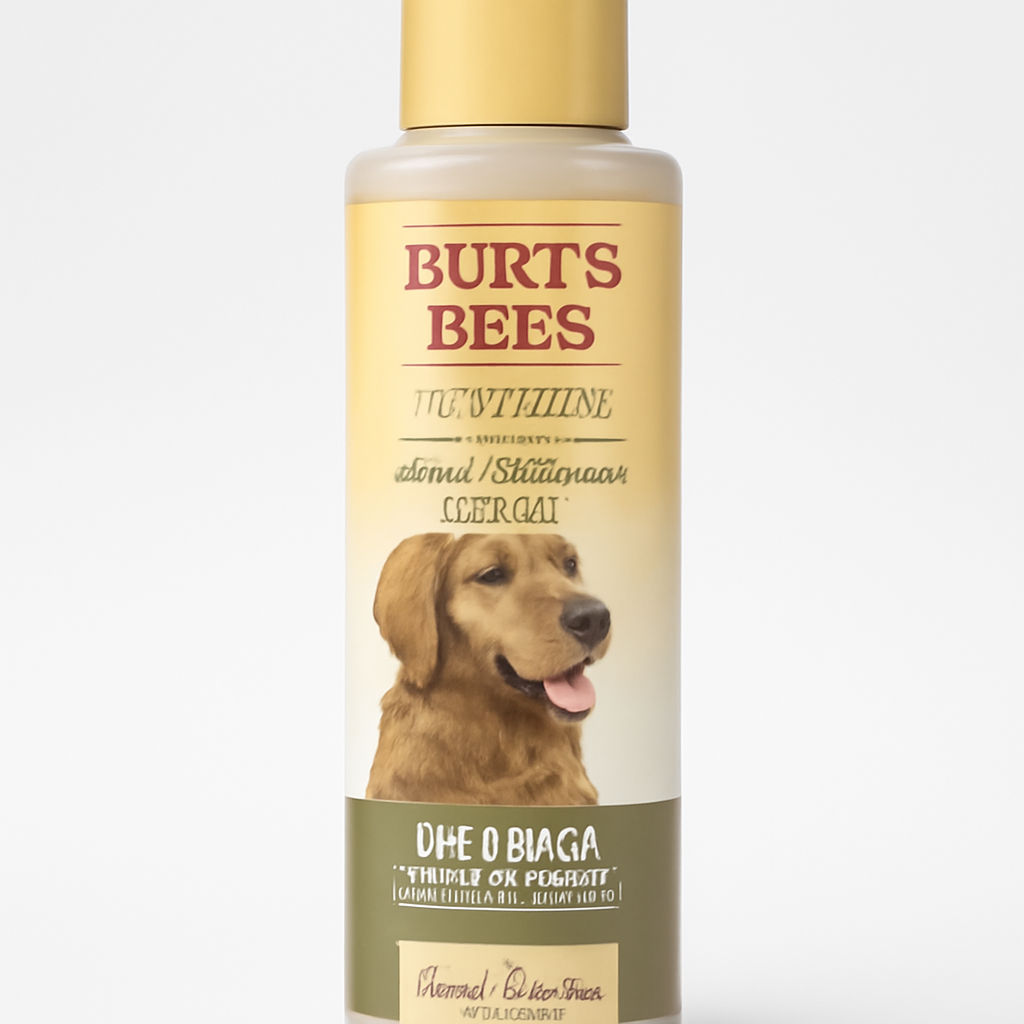
– Burt’s Bees for Dogs Oatmeal Shampoo — colloidal oatmeal and honey, fragrance-free option available.
—
Natural vs. Synthetic Ingredients: What the Labels Really Mean
“Natural” is one of the most abused words in pet care. There’s no strict legal definition for it on dog shampoo, so a product can call itself natural while still containing synthetic preservatives or fragrance. Don’t let the word alone drive your decision.
Here’s a more useful way to think about it:
Natural isn’t automatically safe. Some essential oils marketed as “natural” — tea tree oil in high concentrations, for example — can actually be toxic to dogs if the dilution is wrong. Citrus oils can irritate. “Natural” is not a free pass.
Synthetic isn’t automatically bad. Some synthetic ingredients are perfectly safe and even necessary. A preservative, for instance, keeps bacteria and mold from growing in a wet-environment product. A formula with zero preservative can spoil and become a bigger risk than a well-chosen synthetic one.
What actually matters is the specific ingredient and its concentration, not which bucket it falls into. Focus on:
– Is the cleanser gentle (glucoside-based) or harsh (sulfate-based)?
– Are the moisturizers real (oatmeal, aloe, glycerin) or is it just water and detergent?
– Is the fragrance from artificial “parfum” or from a small amount of a dog-safe source — or, ideally, is it fragrance-free?
Brands like 4-Legger Certified Organic Dog Shampoo lean genuinely natural (USDA-certified organic ingredients), while a mainstream option like Earthbath strikes a practical balance — plant-derived cleansers with responsibly chosen synthetics for stability. Both approaches can be good. The label tells the story.
—
Harmful Ingredients to Avoid (Sulfates, Parabens, Artificial Fragrances)
These are the red flags. If you see these near the top of the ingredient list, put the bottle back.
Sulfates (Sodium Lauryl Sulfate / Sodium Laureth Sulfate)
These are aggressive foaming detergents. Yes, they make lots of bubbles — but they strip natural oils, dry out skin, and can trigger irritation, especially in dogs that already have sensitive or allergy-prone skin. Listed as SLS or SLES.
Parabens (Methylparaben, Propylparaben, etc.)
Synthetic preservatives that have raised concerns as potential endocrine (hormone) disruptors. There are gentler preservative systems available, so there’s no reason to accept parabens.
Artificial Fragrances (“Fragrance” / “Parfum”)
This single word can legally hide dozens of undisclosed chemicals. Artificial fragrance is one of the most common causes of skin irritation and allergic reactions in dogs. Dogs also experience scent far more intensely than we do — a strongly perfumed shampoo can be genuinely unpleasant for them. Fragrance-free or lightly, naturally scented is best.
Artificial Dyes/Colors
That bright blue or green color does nothing for your dog and can cause irritation. Listed as “FD&C” or “D&C” followed by a color and number.
Cocamide DEA/MEA
Foam boosters and thickeners that have been flagged as potential irritants and contaminants. Not necessary in a well-formulated product.
Phthalates
Sometimes hidden inside “fragrance,” these are worth avoiding for the same hormone-disruption concerns as parabens.
The quick rule: if the first few ingredients after water include a sulfate, and you spot “fragrance” plus a paraben, that shampoo is built for cheap foam and shelf life — not for your dog’s skin.
—
Best Ingredients for Specific Needs (Itchy Skin, Allergies, Puppies)
Different dogs need different formulas. Here’s how to match ingredients to the problem.
For Itchy, Dry, or Flaky Skin
Look for colloidal oatmeal, aloe vera, and vitamin E. These calm inflammation and rehydrate. Earthbath Oatmeal & Aloe is the go-to here.
For Allergies and Sensitive Skin
Go fragrance-free and dye-free, with the shortest, simplest ingredient list you can find. Hypoallergenic formulas like Vetericyn Foam-Care Medicated Shampoo or a fragrance-free Burt’s Bees option reduce the number of potential triggers. Fewer ingredients = fewer things to react to.
For Puppies
Puppy skin is extra delicate and their eyes are sensitive. Look for tearless, soap-free, pH-balanced formulas with mild cleansers and gentle moisturizers. Avoid essential oils and medicated actives unless a vet recommends them. Burt’s Bees Tearless Puppy Shampoo is formulated exactly for this.
For Hot Spots and Skin Infections
This is where medicated ingredients come in — like chlorhexidine, ketoconazole, or benzoyl peroxide for bacterial or fungal issues. Products like Vetericyn Foam-Care Medicated Shampoo target these. Important: for genuine infections, talk to your vet before choosing a medicated shampoo, since the right active depends on the diagnosis.
For Odor
Look for natural deodorizers — baking soda, coconut oil, or mild natural extracts — rather than heavy artificial fragrance that just masks smell temporarily.
—
Top Picks at a Glance
| Product | Best For | Price Range |
| Earthbath Oatmeal & Aloe Shampoo | All-around itchy/dry skin | Budget–Mid |
| Burt’s Bees for Dogs Oatmeal Shampoo | Sensitive skin, everyday use | Budget |
| 4-Legger Certified Organic Dog Shampoo | Truly natural/organic seekers | Mid–Premium |
| Vetericyn Foam-Care Medicated Shampoo | Hot spots, skin infections | Mid |
| Burt’s Bees Tearless Puppy Shampoo | Puppies | Budget |
—
Pros and Cons of Our Top 3 Picks
1. Earthbath Oatmeal & Aloe Shampoo
The best default choice for the majority of dogs.
Pros:
– Colloidal oatmeal + aloe soothes itching and dryness
– Soap-free and pH-balanced for dog skin
– No parabens, sulfates, or phthalates
– Widely available and affordable
Cons:
– Lightly fragranced version may still be too much for extremely fragrance-sensitive dogs (choose the fragrance-free variant)
– Not medicated — won’t treat active infections
2. Burt’s Bees for Dogs Oatmeal Shampoo
A budget-friendly, clean-ingredient staple.
Pros:
– Colloidal oatmeal and honey for gentle moisture
– Free of sulfates, colorants, and harsh chemicals
– Fragrance-free options for sensitive dogs
– Very easy on the wallet
Cons:
– Milder cleansing — very dirty or oily coats may need a second wash
– Simple formula; not built for specialized skin conditions
3. 4-Legger Certified Organic Dog Shampoo
For owners who want the most genuinely natural option.
Pros:
– USDA-certified organic ingredients
– No synthetic preservatives, sulfates, or artificial fragrance
– Biodegradable and environmentally friendly
Cons:
– Premium price
– Contains essential oils — double-check suitability for dogs with oil sensitivities
– Shorter shelf life than preservative-based formulas
—
How to Read a Dog Shampoo Label Like a Pro
Once you know the system, it takes about 15 seconds to size up any bottle.
1. Ignore the front. Flip to the back. Front-of-bottle claims like “natural” and “vet approved” aren’t tightly regulated. The ingredient panel is where the truth lives.
2. Read the order. Ingredients are listed by quantity, highest to lowest. Water is almost always first. The next 3–5 ingredients make up the bulk of the product — that’s where your good cleansers and moisturizers should appear, and where you don’t want to see a sulfate.
3. Scan for green flags. Colloidal oatmeal, aloe, glycerin, coconut/jojoba oil, vitamin E, and glucoside-based cleansers (decyl glucoside, coco-glucoside).
4. Scan for red flags. Sodium lauryl/laureth sulfate, “fragrance”/”parfum,” parabens (anything ending in -paraben), artificial colors (FD&C/D&C), cocamide DEA/MEA, and phthalates.
5. Shorter is usually better — especially for allergy-prone dogs. Fewer ingredients means fewer potential irritants.
6. Check the pH claim. “pH-balanced for dogs” is a genuinely useful signal, unlike vaguer marketing terms.
7. Match to your dog. Puppy? Tearless and soap-free. Itchy? Oatmeal and aloe. Infection? Medicated active + a vet’s input.
Keep this checklist on your phone and you’ll never be fooled by fancy packaging again.
—
Frequently Asked Questions About Dog Shampoo Ingredients
Can I use human shampoo on my dog in a pinch?
It’s not ideal. Human shampoo is formulated for more acidic skin (pH ~5.5) and can disrupt your dog’s skin barrier, leading to dryness and itching. If it’s a true emergency, plain water is safer than human shampoo. Use a dog-specific product as soon as you can.
Is oatmeal shampoo good for all dogs?
For most dogs, yes — oatmeal is gentle and soothing, and rarely causes problems. The main exception is a dog with a diagnosed skin infection, which needs a medicated formula instead. When in doubt, oatmeal is a safe starting point.
Are essential oils in dog shampoo safe?
It depends entirely on which oil and how much. Some, in proper dilution, are fine; others (like concentrated tea tree oil) can be toxic to dogs. If a shampoo lists essential oils and your dog has sensitive skin, check with your vet before using it.
What does “soap-free” actually mean?
It means the product cleans using gentle synthetic-detergent alternatives (like glucosides) rather than traditional soap, which can be drying and leave residue. Soap-free formulas are typically gentler and rinse cleaner — a good sign.
How often should I bathe my dog?
For most dogs, every 4–6 weeks is plenty; over-bathing strips natural oils no matter how good the shampoo is. Dogs with skin conditions may follow a different schedule set by their vet.
Do I need a conditioner too?
Not always, but a good conditioner (or a shampoo with built-in conditioning oils) helps with long or double coats, reduces tangles, and locks in moisture — especially useful for dry-skinned dogs.
Are “hypoallergenic” shampoos guaranteed allergy-free?
No. “Hypoallergenic” isn’t a strictly regulated term — it generally signals a simpler, fragrance-free formula, which is helpful, but it’s not a guarantee. Read the actual ingredient list and, for a known allergy dog, patch-test first.
—
Our Verdict
When it comes to dog shampoo, the ingredient list beats the brand name every single time. The formula matters more than the marketing — and now you know exactly what to look for.
For the vast majority of dogs, our top recommendation is Earthbath Oatmeal & Aloe Shampoo. It hits every green flag — colloidal oatmeal, aloe, soap-free, pH-balanced, and free of sulfates and parabens — at a price almost anyone can afford. It’s the safest, smartest default.
On a tighter budget or shopping for a sensitive dog, Burt’s Bees for Dogs Oatmeal Shampoo delivers clean ingredients and a fragrance-free option for very little money.
If you want the most genuinely natural product and don’t mind paying more, 4-Legger Certified Organic Dog Shampoo is the real deal.
Got a puppy? Go straight to Burt’s Bees Tearless Puppy Shampoo. Dealing with hot spots or a skin infection? Reach for Vetericyn Foam-Care Medicated Shampoo — and loop in your vet.
Whatever you choose in 2026, flip the bottle over first. Look for oatmeal, aloe, and glycerin; skip the sulfates, parabens, and artificial fragrance. Your dog’s skin — and their nose — will thank you.