If your dog is slowing down on walks, hesitating at the stairs, or taking longer to get up in the morning, joint discomfort is one of the most common culprits — and one of the most manageable. The right joint supplement can help support cartilage, ease stiffness, and keep your dog moving comfortably for years longer.
But the supplement aisle is a mess of overlapping ingredients, inflated claims, and wildly different quality. This guide cuts through it. Below you’ll find our top picks for 2026, the ingredients that are actually backed by evidence, and a straightforward way to match a product to your dog’s age, size, and needs.
Quick Answer
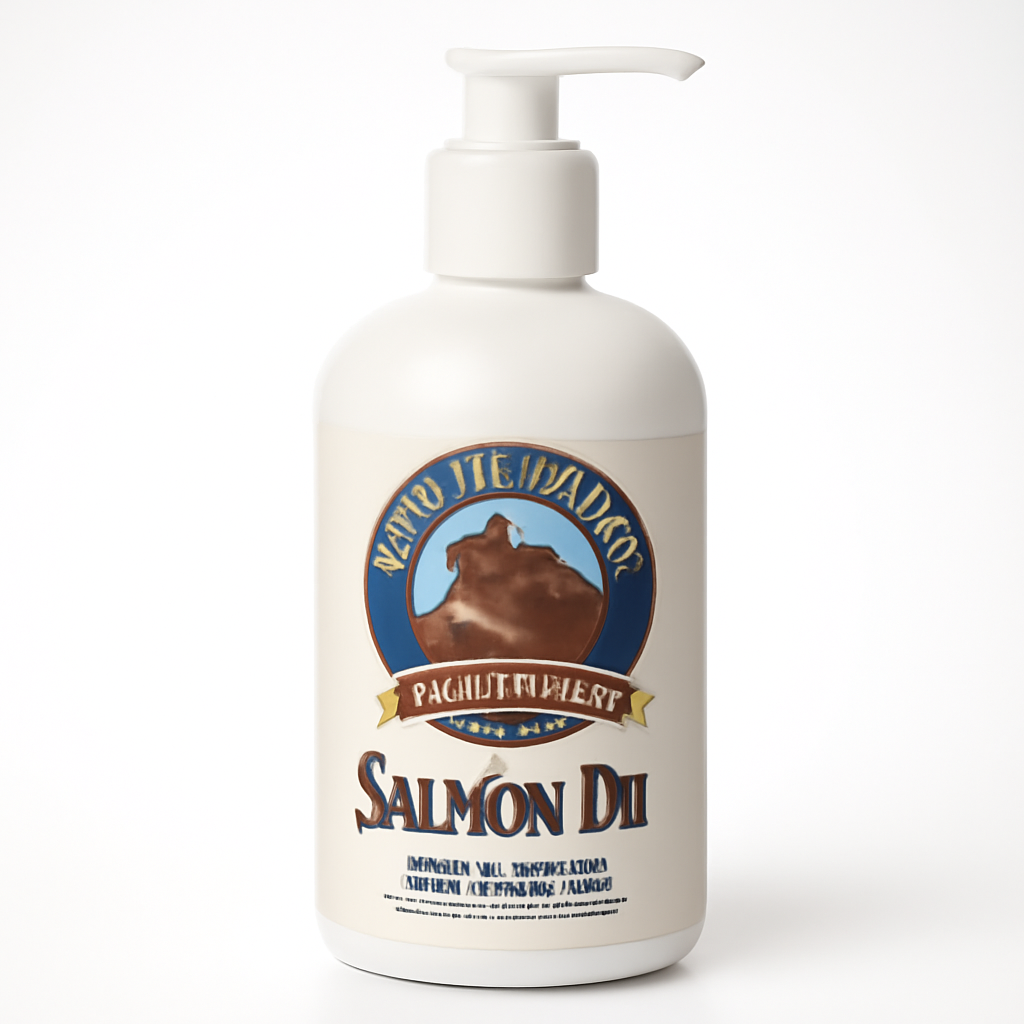
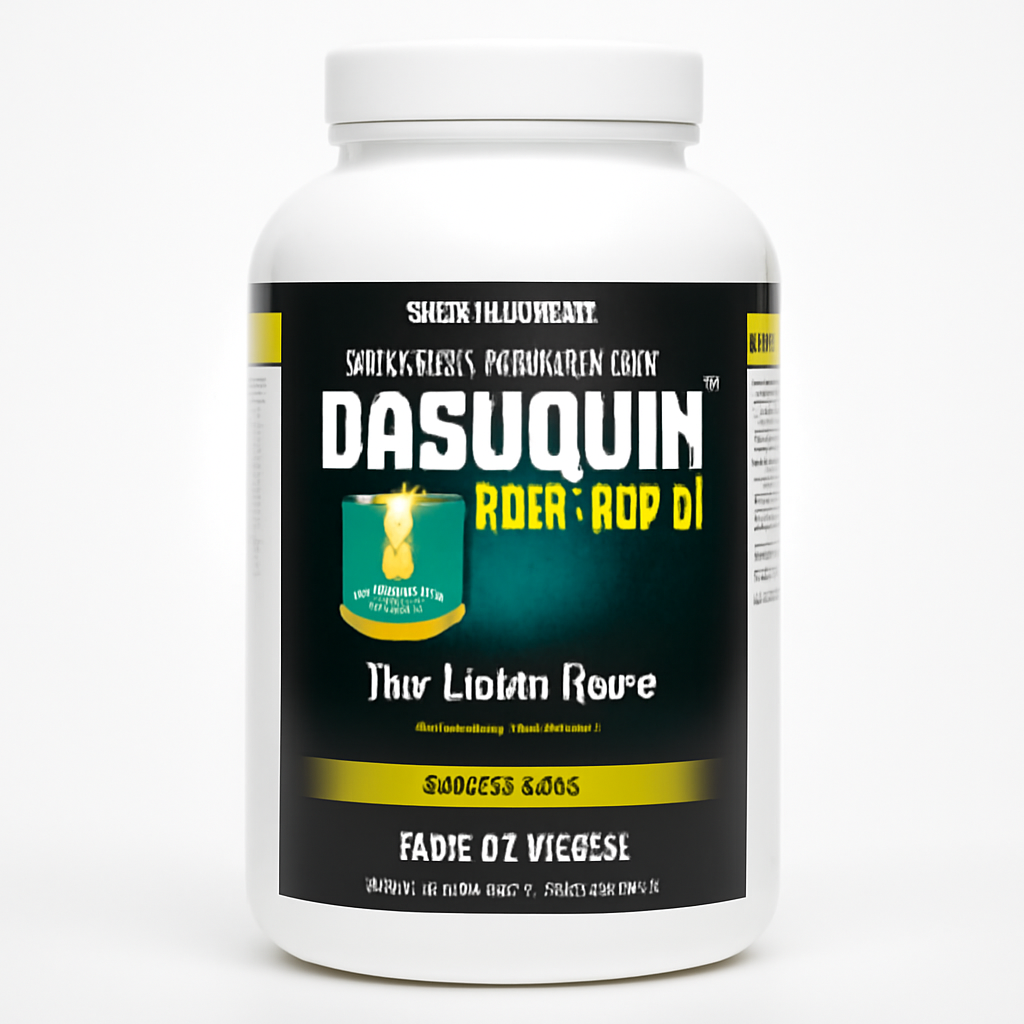
For most dogs, a glucosamine + chondroitin + MSM chew from a trusted, quality-controlled brand is the best starting point. Our overall top pick is Nutramax Dasuquin with MSM for its research-backed formula and vet trust. If you want a budget-friendly everyday option, Zesty Paws Mobility Bites is a strong value. For senior dogs or those already showing stiffness, adding an omega-3 source like Grizzly Omega Health Salmon Oil can make a meaningful difference.
Always talk to your vet before starting a supplement, especially if your dog is on medication or has a health condition.
How We Tested and Ranked Dog Joint Supplements
We evaluated joint supplements the way an informed dog owner should — by looking past the marketing and focusing on what’s actually in the bottle and whether it’s made responsibly.
Our ranking weighed five factors:
– Ingredient quality and dosing. Does the product contain clinically relevant amounts of proven ingredients (glucosamine, chondroitin, MSM, omega-3s), or just a sprinkle to justify the label claim?
– Manufacturing standards. We favored brands that manufacture in facilities following good manufacturing practices, run third-party or in-house quality testing, and disclose their sourcing.
– Formulation intelligence. Some products combine ingredients that work synergistically; others just pad the label. We looked for thoughtful, evidence-based combinations.
– Palatability and format. A supplement only works if your dog eats it. We considered the range of formats (chews, powders, liquids) and how well each tends to go down.
– Value and transparency. Cost per serving, clear labeling, and honest marketing all counted.
We did not rank based on user star ratings or review counts, which are easily gamed. Instead, we focused on formulation, brand reputation among veterinarians, and quality control.
Top 7 Dog Joint Supplements Reviewed for 2026
1. Nutramax Dasuquin with MSM — Best Overall
Dasuquin is the step-up from Nutramax’s well-known Cosequin line, adding avocado/soybean unsaponifiables (ASU) and MSM to the core glucosamine-chondroitin base. Nutramax is one of the most veterinarian-trusted supplement makers in the country, and Dasuquin is frequently the product vets reach for first.
It comes in soft chews sized separately for small/medium and large dogs, which helps ensure correct dosing.
Pros:
– Comprehensive, research-informed formula (glucosamine, chondroitin, ASU, MSM)
– Widely recommended by veterinarians
– Size-specific dosing options
Cons:
– Premium price point
– Requires a loading-dose period before maintenance
Price:
2. Zesty Paws Mobility Bites — Best Value
Zesty Paws packs glucosamine, chondroitin, MSM, and a green-lipped mussel component into a palatable soft chew at a friendlier price than the premium veterinary brands. For owners who want solid ingredients without the top-tier cost, it’s an easy recommendation.
Pros:
– Strong ingredient lineup for the price
– Highly palatable for most dogs
– Includes green-lipped mussel, a natural source of joint-supporting compounds
Cons:
– Dosing isn’t size-segmented as precisely as some competitors
– Formula changes over time — always check the current label
Price:
3. Nutramax Cosequin Maximum Strength — Best for Everyday Maintenance
Cosequin is the original workhorse. It’s simpler than Dasuquin (glucosamine and chondroitin, with MSM in the Plus versions), well-studied, and a reliable choice for dogs who don’t need the extra ingredients. If your dog is younger or you’re starting preventively, this is a sensible, no-frills option.
Pros:
– Long track record and strong vet familiarity
– Available in chews and capsules
– Good entry point for preventive use
Cons:
– Fewer supporting ingredients than Dasuquin
– Chondroitin-heavy formulas can get pricey at larger sizes
Price:
4. VetriScience GlycoFlex 3 — Best for Active and Senior Dogs
GlycoFlex 3 is the highest-strength tier in VetriScience’s line, notable for a substantial dose of green-lipped mussel alongside glucosamine, MSM, and DMG. It’s a popular pick for working dogs, athletes, and seniors who need more support.
Price:
5. Grizzly Omega Health Salmon Oil — Best Omega-3 Add-On
This isn’t a glucosamine product — it’s a wild salmon oil that delivers EPA and DHA, the omega-3 fatty acids with the best evidence for supporting joint comfort and reducing inflammation. It pairs well with any chew above and doubles as a coat and skin booster.
Price:
6. PetHonesty Advanced Hip + Joint — Best for Picky Eaters
PetHonesty leans on palatable chews with glucosamine, chondroitin, MSM, turmeric, and green-lipped mussel. Dogs tend to eat these readily, making it a good option if your dog turns up their nose at other supplements.
Price:
7. Nutri-Vet Hip & Joint — Best Budget Pick
If cost is the main constraint, Nutri-Vet offers glucosamine-and-chondroitin chews at a low price per serving. The dosing is more modest than premium options, but for a small dog or a tight budget, it’s a reasonable place to start.
Price:
Top Picks at a Glance
| Product | Best For | Price Range |
| Nutramax Dasuquin with MSM | Overall / vet-recommended | |
| Zesty Paws Mobility Bites | Best value | |
| Nutramax Cosequin Max Strength | Everyday maintenance | |
| VetriScience GlycoFlex 3 | Active & senior dogs | |
| Grizzly Omega Health Salmon Oil | Omega-3 add-on | |
| PetHonesty Advanced Hip + Joint | Picky eaters | |
| Nutri-Vet Hip & Joint | Budget |
Key Ingredients That Actually Work
Not every ingredient on a flashy label pulls its weight. Here are the ones with the most support behind them.
Glucosamine
Glucosamine is a building block of cartilage and the most common active ingredient in joint supplements. It’s thought to support cartilage maintenance and the fluid that cushions joints. Look for glucosamine hydrochloride, which is more concentrated than glucosamine sulfate. Dose scales with body weight, so bigger dogs need more.
Chondroitin
Chondroitin sulfate works alongside glucosamine to help cartilage retain water and resist compression. The two are almost always paired because they’re believed to complement each other. Quality and molecular weight vary between brands — another reason to stick with reputable manufacturers.
MSM (Methylsulfonylmethane)
MSM is a natural sulfur compound often added for its potential to support comfort and reduce oxidative stress around the joints. It’s a common third ingredient in “with MSM” formulas like Dasuquin and Cosequin Plus.
Omega-3 Fatty Acids (EPA & DHA)
Among joint ingredients, the omega-3s from fish oil have some of the strongest evidence for supporting comfort and mobility, largely through their anti-inflammatory effects. They come from a separate product like salmon oil rather than most chews, so many owners run a chew and an oil together.
Supporting Players
– Green-lipped mussel — a natural source of omega-3s and glycosaminoglycans, increasingly common in premium chews.
– Avocado/soybean unsaponifiables (ASU) — the ingredient that distinguishes Dasuquin from Cosequin.
– Turmeric/curcumin — added for antioxidant and comfort support, though canine dosing evidence is still developing.
How to Choose the Right Supplement for Your Dog’s Age and Breed
There’s no single best supplement — there’s the best one for your dog.
By Age
– Puppies and young adults (large breeds): Big breeds prone to hip and elbow issues can benefit from preventive support once they’re skeletally mature. Talk to your vet about timing. A basic glucosamine-chondroitin chew like Cosequin is a common starting point.
– Adult dogs (roughly 5–8 years): This is when subtle stiffness often begins. A full-featured chew (Dasuquin, GlycoFlex 3) plus an omega-3 is a smart maintenance combo.
– Senior dogs (8+): Seniors usually need the most support. Higher-strength formulas and added omega-3s tend to help most here — and this is exactly the age to loop in your vet, since stiffness can overlap with other conditions.
By Breed and Size
– Large and giant breeds (Labs, German Shepherds, Great Danes, Rottweilers) are genetically predisposed to hip and joint problems and need weight-appropriate — meaning higher — doses.
– Small breeds (Dachshunds, Corgis) face their own spine and joint stresses; look for small-dog dosing so you don’t overshoot.
– Active and working dogs put extra load on their joints regardless of breed and often benefit from higher-strength formulas like GlycoFlex 3.
The single biggest mistake is under-dosing a big dog with a one-size chew. Match the dose to body weight, not the bottle’s default scoop.
Chews vs. Powders vs. Liquids: Which Format Is Best?
The best format is the one your dog will actually take consistently.
– Soft chews are the most popular for good reason — dogs treat them like treats, and dosing is easy to count. The downside is that chews contain binders and flavorings, so the active-ingredient density can be lower. Great for most dogs and picky eaters (PetHonesty, Zesty Paws).
– Powders mix into food and let you fine-tune the dose, often with fewer fillers per gram of active ingredient. Ideal for dogs who eat wet food and for owners who want precise control. The catch: some dogs notice the taste and some powders clump.
– Liquids (like salmon oil) absorb quickly and are the natural format for omega-3s. They’re easy to pour over food but can be messy and go rancid if not stored properly. Refrigerate after opening.
Many owners land on a chew + liquid combo: a glucosamine chew for structural support and a salmon oil for omega-3s.
Dosage, Safety, and Possible Side Effects
Joint supplements are generally considered safe, but a few rules keep them that way.
– Dose by weight and follow the label. Most products use a loading dose (a higher amount for the first 4–6 weeks) followed by a lower maintenance dose. Don’t skip the loading phase — it’s part of how these products are designed to work.
– Be patient. Joint supplements are not painkillers. It typically takes several weeks to notice a difference, and the benefit builds gradually.
– Watch for side effects. The most common are mild digestive upset — soft stool, gas, or a temporary loss of appetite. These often resolve if you give the supplement with food or lower the dose briefly.
– Mind the extras. Fish oil adds calories and, at high doses, can affect blood clotting. Some formulas contain ingredients that aren’t ideal for dogs with specific conditions (for example, glucosamine and diabetic dogs is a common vet-consult topic).
– Buy human-grade caution, canine-grade product. Never give your dog a human supplement without veterinary guidance — dosing and formulations differ.
Always consult your veterinarian before starting any supplement, particularly for dogs that are pregnant, on medication, or managing a diagnosed condition. A supplement supports joint health; it doesn’t replace veterinary diagnosis or treatment.
Frequently Asked Questions About Canine Joint Health
How long until I see results?
Most owners look for changes over 4 to 8 weeks. Supplements work gradually by supporting joint tissue, not by masking pain, so consistency matters more than speed.
Can I give my dog a human glucosamine supplement?
Not without vet guidance. Human products can have different dosing, and some contain added ingredients (like xylitol in flavored versions) that are dangerous to dogs. Stick to canine formulas.
Do joint supplements actually work?
Evidence is strongest for omega-3 fatty acids, with glucosamine and chondroitin showing mixed but generally favorable results. Many dogs respond well, but individual results vary — which is why a vet check and a realistic trial period matter.
Can I combine a chew with fish oil?
Yes, and many owners do. Just count the total omega-3 intake and calories, and introduce one product at a time so you can spot any digestive reaction.
Are these safe for long-term daily use?
For most healthy dogs, yes — they’re designed for ongoing daily use. Recheck with your vet periodically, especially as your dog ages.
My dog won’t eat the chew. What now?
Try a different flavor or brand (PetHonesty and Zesty Paws are known for palatability), switch to a powder mixed into wet food, or ask your vet for alternatives.
Our Verdict
For most dogs, start with Nutramax Dasuquin with MSM — it’s the most complete, vet-trusted formula on this list and the one we’d reach for first. If you want strong ingredients at a gentler price, Zesty Paws Mobility Bites delivers excellent value, and Nutramax Cosequin Maximum Strength is a proven, simpler option for everyday maintenance.
Whatever chew you choose, consider pairing it with Grizzly Omega Health Salmon Oil — omega-3s have some of the best evidence behind them and complement glucosamine nicely. And for active or senior dogs that need extra support, VetriScience GlycoFlex 3 is worth the step up.
The best supplement is the one that fits your dog’s size and age, that your dog will actually eat, and that comes from a manufacturer you trust. Get those three right, check in with your vet, and give it a few weeks — your dog’s mobility is worth the patience.
This guide is for informational purposes and isn’t a substitute for veterinary advice. Always consult your veterinarian before starting a new supplement.