Quick answer: The dental chews most likely to actually reduce plaque and tartar are the ones carrying the VOHC (Veterinary Oral Health Council) Seal and a texture firm enough to scrub the tooth as your dog chews. In 2026, the strongest evidence-backed picks are Greenies Original Dental Treats, Virbac C.E.T. VeggieDent Fr3sh, and OraVet Dental Hygiene Chews. Everything else comes down to your dog’s size, chewing style, and diet sensitivities.
If you’ve ever bought a bag of “dental” treats and wondered whether they did anything at all, you’re not imagining it. A lot of them don’t. Below, we cut through the marketing and show you which chews have real science behind them, how to match one to your dog, and how to use them without creating a choking or calorie problem.
—
Do Dental Chews Really Work for Dogs? What the Science Says
Short version: yes, the right ones do — but not all of them.
Dental disease is the most common health problem in adult dogs. By age three, the majority of dogs show some degree of periodontal disease. Plaque (soft, bacterial film) hardens into tartar (calcified, cemented-on gunk) within a couple of days, and once it’s tartar, no chew can remove it — that requires a professional cleaning.
Where chews earn their keep is on the plaque stage, before it hardens. A quality dental chew works two ways:
1. Mechanical action — the chew’s texture physically scrapes plaque off the tooth surface as the dog gnaws, especially near the gumline.
2. Chemical action — some chews add ingredients that slow plaque and tartar formation (more on those below).
Peer-reviewed studies have shown that daily use of certain dental chews can reduce plaque and tartar accumulation by meaningful margins compared to dry kibble alone. The catch is that “certain” is doing heavy lifting. A soft, crumbly treat shaped like a toothbrush does almost nothing — the dog swallows it in two bites and gets no scrubbing action.
The honest takeaway: dental chews are a legitimate supplement to oral care, not a replacement for brushing or vet cleanings. Think of them the way you’d think of mouthwash — helpful daily, but not the whole routine.
—
What to Look for in an Effective Dental Chew (Ingredients & VOHC Seal)
Here’s your filter for cutting a wall of products down to the few worth buying.
1. The VOHC Seal
The Veterinary Oral Health Council is an independent body that reviews products and awards its seal only to chews that have demonstrated, in trials, that they actually reduce plaque or tartar. It’s the closest thing to a gold standard in this category. If a chew carries the VOHC Seal, a real study backed it. If it doesn’t, you’re trusting the marketing.
You can look up the current accepted-products list on the VOHC website before you buy.
2. The Right Texture
The chew should be firm enough that your dog has to work at it for a few minutes. Too hard (like antlers or bones) and you risk fractured teeth; too soft and there’s no scrubbing. You’re aiming for the middle — pliable but resistant.
3. Functional Ingredients
Look for evidence-backed additions like:
– Delmopinol — forms a barrier on the tooth that makes it harder for bacteria to stick (found in OraVet).
– Sodium hexametaphosphate / STPP — binds calcium to slow tartar hardening.
– Zinc and chlorophyll / natural breath aids — help with odor (VeggieDent uses a plant-based formula).
– Enzymes — some brands add them for extra antibacterial action.
4. Sensible Calories & Sizing
A dental chew is still a treat. Match the size to your dog’s weight (every good brand sells size-specific bags) and count the calories toward the daily total — dental benefit isn’t worth a weight problem.
—
Our Top 6 Dog Dental Chews That Actually Work in 2026
Here’s how the leading options stack up.
| Product | Best For | Price Range |
| Greenies Original Dental Treats | All-around daily use, most dogs | |
| Virbac C.E.T. VeggieDent Fr3sh | Plant-based / poultry-sensitive dogs | |
| OraVet Dental Hygiene Chews | Dogs prone to heavy tartar | |
| Whimzees Brushzees | Grain-free, natural ingredients | |
| Pedigree Dentastix | Budget daily option | |
| Merrick Fresh Kisses | Fresh breath, no artificial additives |
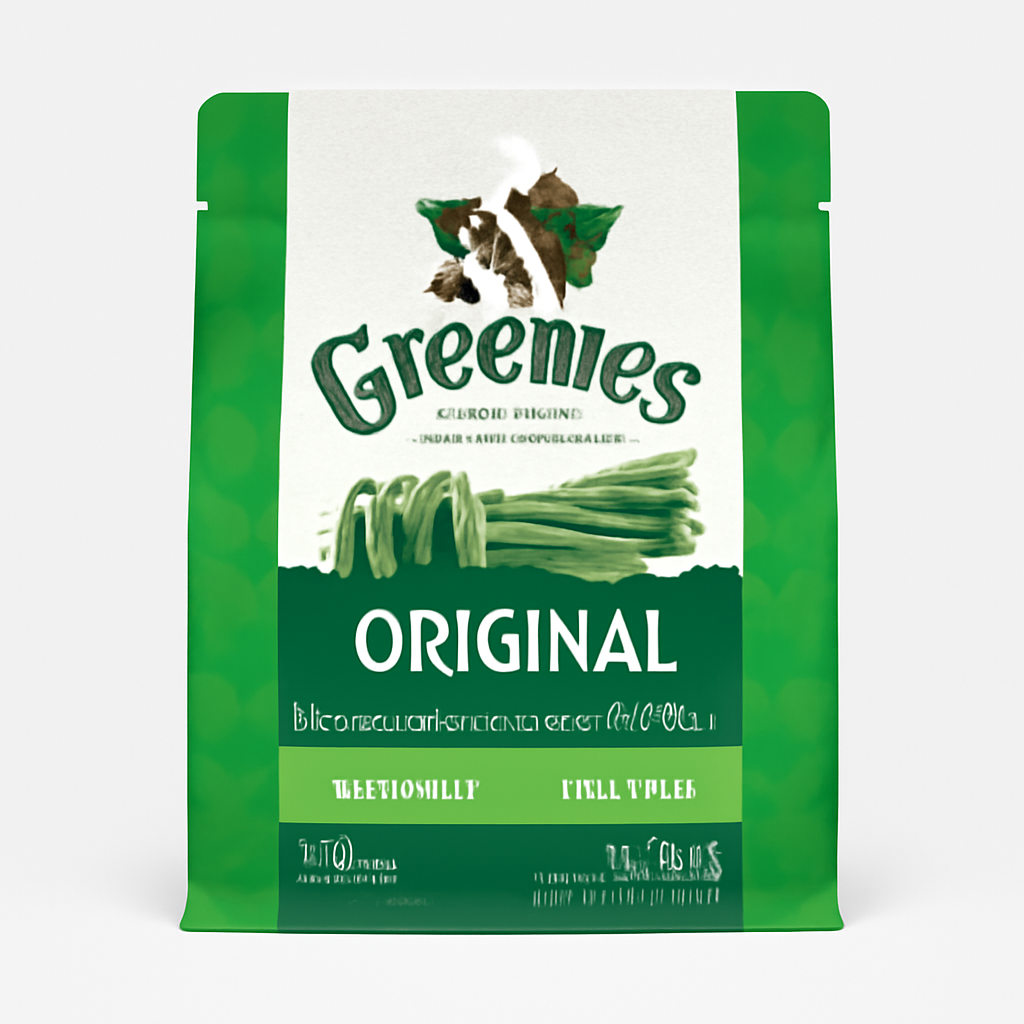
1. Greenies Original Dental Treats
The category benchmark for a reason. Greenies carry the VOHC Seal, have a chewy-but-firm texture that forces real gnawing, and come in weight-specific sizes from Teenie to Large. Most dogs treat them like a reward, which solves the biggest problem in dental care: compliance.
Pros
– VOHC-accepted for tartar control
– Highly palatable — dogs actually want them
– Precise size ranges by weight
– Widely available
Cons
– Higher price per chew than budget brands
– Calorie-dense; portion carefully
– Some dogs gulp rather than chew — supervise
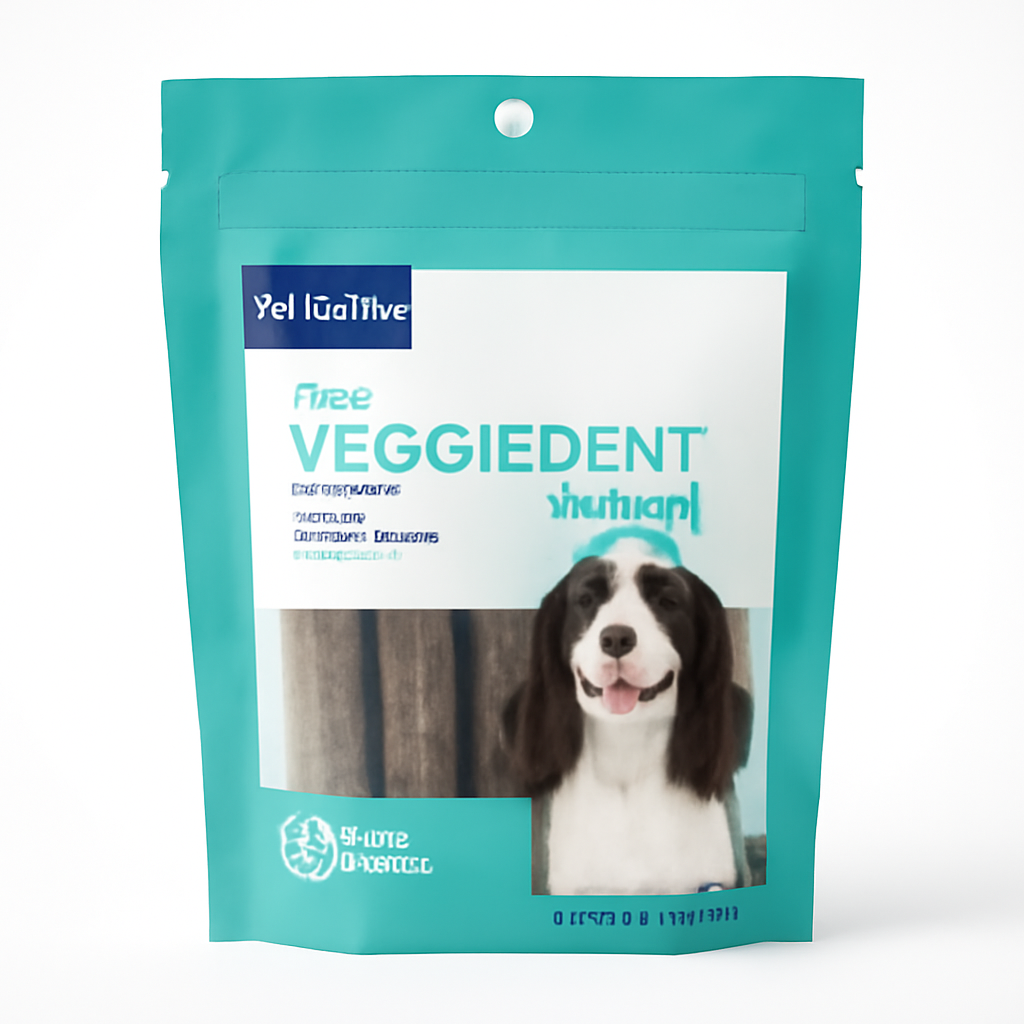
2. Virbac C.E.T. VeggieDent Fr3sh
A vet-favorite and VOHC-accepted, VeggieDent uses a plant-based, poultry-free formula, which makes it a standout for dogs with chicken or common protein sensitivities. The Z-shape and firm texture give genuinely good mechanical cleaning, and the breath improvement is noticeable.
Pros
– VOHC-accepted
– Plant-based — great for protein-sensitive dogs
– Strong breath-freshening
– Firm texture = real scrubbing action
Cons
– Often sold through vets / pricier
– Firmness may be too much for very small or senior dogs
– Less “treat-like” flavor appeal for picky eaters
3. OraVet Dental Hygiene Chews
OraVet’s edge is delmopinol, an ingredient that coats the teeth and interferes with the bacterial film that becomes plaque — so you get mechanical and chemical action. It’s a strong pick for dogs that build tartar quickly.
Pros
– VOHC-accepted, dual-action (scrubbing + delmopinol barrier)
– Excellent for tartar-prone dogs
– Vet-trusted brand
Cons
– Premium price
– Single flavor/format
– Availability can be spotty outside vet channels
4. Whimzees Brushzees
If you want a natural, grain-free option with a short ingredient list, Whimzees is the go-to. The ridged, toothbrush-style shape does a solid job, and there are no artificial colors or flavors. (Check current VOHC status on their site, as accepted lists update.)
5. Pedigree Dentastix
The budget workhorse. Dentastix won’t out-clean the premium picks, but they’re VOHC-accepted, inexpensive, and easy to find anywhere — which makes daily consistency realistic for a lot of households.
6. Merrick Fresh Kisses
A natural-leaning option with a coily, textured shape and botanical breath ingredients (like mint or coconut oil depending on variety), and no artificial preservatives or colors. Great for owners who prioritize clean labels.
—
Best Dental Chews for Small Breeds vs. Large Breeds
Size matching isn’t optional — it’s a safety issue.
Small breeds (under ~25 lbs):
Tiny mouths need appropriately small, softer-flexing chews. A chew sized for a Labrador is a genuine choking hazard for a Yorkie, and overly hard textures can chip small teeth.
– Greenies Teenie / Petite are purpose-sized for little dogs.
– Whimzees XS/Small work well for grain-free households.
Large breeds (50+ lbs):
Big dogs need a chew substantial enough that they can’t swallow it whole — the whole point is that they have to chew it for a few minutes.
– Greenies Large or VeggieDent Large are sized so a big dog actually works at them.
Golden rule: always buy the size on the bag that matches your dog’s weight, and if your dog is a gulper, size up and supervise.
—
Grain-Free and Natural Options for Sensitive Dogs
Some dogs do better without grains, common proteins, or artificial additives — whether for allergies, sensitive stomachs, or owner preference.
– Whimzees Brushzees — grain-free, potato-and-plant based, no artificial colors or flavors. One of the cleanest labels in the category.
– Virbac C.E.T. VeggieDent Fr3sh — plant-based and poultry-free, ideal for dogs reactive to chicken.
– Merrick Fresh Kisses — natural ingredients, no artificial preservatives, made with botanical oils for breath.
A quick note on grain-free: a few years ago there were questions raised about grain-free diets and heart health, but that concerns complete daily food, not an occasional dental treat. If your dog is on a specific diet for medical reasons, run any new chew past your vet first.
—
How to Use Dental Chews Safely (Frequency, Sizing & Choking Risks)
Getting the routine right matters as much as the product.
Frequency: Once daily is the sweet spot for most VOHC chews — that’s how they’re tested. More isn’t better; it just adds calories.
Calories: Count the chew toward your dog’s daily calorie budget. Treats (including dental chews) should stay under roughly 10% of daily intake to avoid weight gain.
Sizing: Always match the chew to your dog’s weight class. An undersized chew for a big dog is a swallow-whole choking risk; an oversized one for a small dog is hard to work and can strain teeth.
Supervision: Watch your dog with any chew, especially gulpers. Take away small end-pieces before they can be swallowed whole.
Know when to skip chews: Very hard products — antlers, bones, hooves, hard nylon — are a leading cause of fractured teeth. If you can’t dent it with a fingernail or it wouldn’t flex, it’s too hard. Dental chews should give a little.
Watch for issues: Digestive upset, choking episodes, or a broken tooth all mean stop and call your vet. Puppies, seniors, and dogs with existing dental disease should get vet guidance before starting.
—
Dental Chews vs. Brushing: What Vets Actually Recommend
Here’s the part the marketing won’t tell you plainly: brushing beats chewing.
The single most effective at-home dental care is daily tooth brushing with a dog-safe toothpaste (never human toothpaste — the xylitol and fluoride are toxic to dogs). Brushing physically disrupts plaque on every surface, including the spots a chew never touches.
But vets are also realists. The best dental routine is the one you’ll actually do every day, and plenty of dogs won’t tolerate a toothbrush. That’s where chews shine — as a high-compliance daily supplement.
The vet-endorsed hierarchy looks like this:
1. Professional cleanings — periodic, under anesthesia, to remove hardened tartar. Non-negotiable baseline.
2. Daily brushing — the most effective thing you can do at home.
3. VOHC-accepted dental chews — an excellent daily add-on, and a strong fallback when brushing isn’t happening.
4. Dental diets, water additives, wipes — supporting players.
The ideal setup is brushing and a quality chew. But if it’s a realistic choice between a daily VOHC chew or nothing, the chew is absolutely worth it.
—
Our Verdict
Dental chews genuinely work — as long as you buy the ones with real evidence behind them and use them consistently.
– Best overall: Greenies Original Dental Treats — VOHC-accepted, effective, and palatable enough that daily use is realistic. The easiest yes for most dogs.
– Best for sensitive or poultry-allergic dogs: Virbac C.E.T. VeggieDent Fr3sh — plant-based, vet-trusted, and a strong cleaner.
– Best for heavy tartar builders: OraVet Dental Hygiene Chews — the delmopinol barrier adds a chemical edge the others don’t have.
– Best natural / grain-free: Whimzees Brushzees — clean label, grain-free, effective shape.
– Best budget pick: Pedigree Dentastix — affordable and VOHC-accepted, which makes everyday consistency doable.
Whichever you choose, remember the two rules that separate a chew that works from one that doesn’t: look for the VOHC Seal, and match the size to your dog. Pair it with brushing when you can and regular vet cleanings, and you’ve got a dental routine that actually protects your dog’s teeth — not just the packaging that says it does.
Always consult your veterinarian before starting a new dental product, especially for puppies, senior dogs, or dogs with existing dental disease.