Quick answer: If your dog drags you down the sidewalk, a front-clip or dual-clip no-pull harness is the single fastest fix. For most dogs, the PetSafe Easy Walk Harness is the easiest budget entry point, while the 2 Hounds Design Freedom No-Pull Harness is the best overall pick for durability and control. Bigger, stronger pullers do best with the Ruffwear Front Range Harness. Read on for sizing, training, and how to choose the right clip style.
—
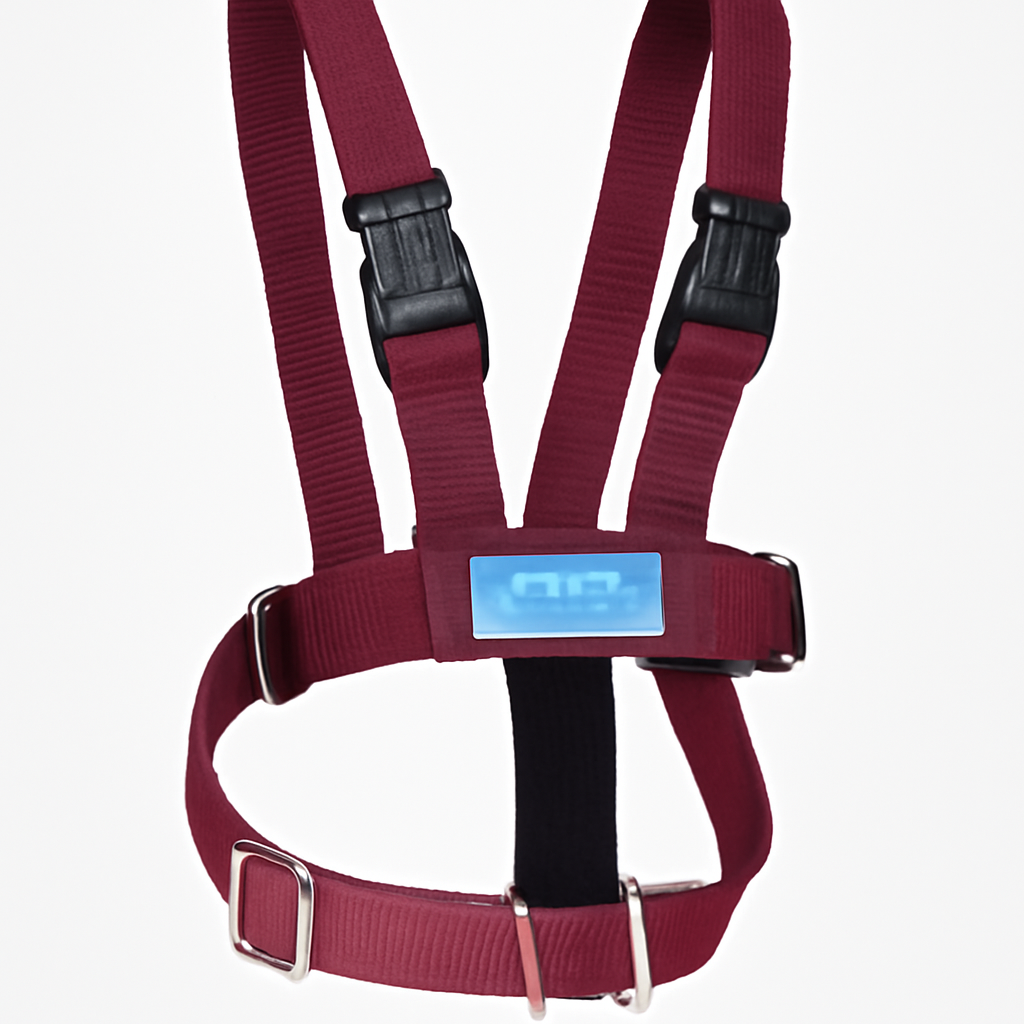
Why Dogs Pull and How the Right Harness Helps
Dogs pull for one simple reason: it works. When your dog leans into the leash and you follow — even a little — they learn that pulling gets them where they want to go faster. This is called the opposition reflex: apply pressure to a dog and they instinctively push back against it. A standard collar or a back-clip harness actually feeds that reflex, giving your dog a stable point to throw their weight into, almost like a sled dog’s rig.
A no-pull harness flips that dynamic. Instead of letting your dog dig in against steady chest pressure, it redirects their momentum. When a front-clip harness tightens, it gently turns your dog back toward you rather than letting them power forward. The pulling stops being rewarding — and that’s the whole game.
Two things worth being honest about up front:
– A harness is a management tool, not a cure. It reduces pulling immediately, but lasting change comes from training (covered near the end of this guide).
– The right fit matters more than the brand. A premium harness that’s too loose will chafe, slip, and under-perform. Measure your dog before you buy anything.
No-Pull vs. Standard Harnesses: Front-Clip, Back-Clip, and Dual-Clip Explained
Not all harnesses fight pulling. The clip position — where the leash attaches — is what actually determines whether a harness discourages pulling or accidentally encourages it.
Back-Clip Harnesses
The leash ring sits between the shoulder blades. These are comfortable, easy to put on, and great for already-trained dogs, small breeds, or dogs with tracheal issues who shouldn’t wear collars. But for a puller, a back-clip harness is the worst choice — it gives your dog the exact leverage sled dogs use to haul heavy loads.
Best for: calm walkers, small dogs, car rides.
Bad for: strong pullers.
Front-Clip Harnesses
The leash attaches at the center of the chest. When your dog surges ahead, the leash steers them sideways and redirects their attention back to you. This is the core mechanism behind almost every “no-pull” design.
Best for: active pullers, leash training, reactive dogs.
Watch for: the leash can drift under the front legs on some models if the fit is loose.
Dual-Clip Harnesses
These have both a front and a back attachment. You use the front ring for training and high-distraction walks, then switch to the back ring once your dog has calmed down or for relaxed off-leash-adjacent hikes. Dual-clip harnesses are the most versatile and, for most pullers, the best long-term value. A double-ended training leash (clipped to both rings at once) gives you power-steering-level control.
Best for: most pullers, owners who want one harness for every situation.
What to Look for in an Anti-Pull Harness (Fit, Padding, Durability)
Once you’ve settled on a front-clip or dual-clip design, these are the features that separate a harness that lasts years from one that frays in a month.
Fit and Adjustability
Look for at least four adjustment points. Two-point harnesses are cheaper but rarely sit correctly on dogs with unusual proportions (deep chests, narrow waists). More adjustment points mean a snugger, non-chafing fit and less chance your dog backs out of it.
The two-finger rule: you should be able to slide two fingers flat under any strap. Tighter risks chafing; looser and the harness shifts and loses its no-pull effect.
Padding and Chest Plate
Strong pullers put real force through the chest strap. A padded chest plate or wide, contoured straps spread that pressure so it doesn’t dig into soft tissue near the shoulders or armpits. Thin nylon webbing on a 70-pound puller is a recipe for raw skin.
Durability and Hardware
– Stitching: box-stitched or bar-tacked seams at stress points, not single-line stitching.
– Buckles: metal or heavy-duty reinforced polymer. Cheap plastic buckles are the first thing to fail on a puller.
– Leash rings: welded steel O-rings, not open split-rings that can bend or catch.
Visibility and Extras
Reflective trim is genuinely useful for early-morning or evening walks. A sturdy top handle is a bonus for grabbing your dog quickly near traffic or lifting them over obstacles on hikes.
How to Measure and Size Your Dog Correctly
Sizing is where most harness purchases go wrong. Ignore your dog’s weight as the primary guide — a lean 60-pound greyhound and a stocky 60-pound bulldog need completely different sizes. Measure instead.
You’ll need a soft fabric measuring tape (or a piece of string and a ruler).
1. Girth (the critical measurement): Wrap the tape around the widest part of your dog’s ribcage, just behind the front legs. This is the number nearly every brand’s size chart is built around.
2. Neck/chest: Measure around the base of the neck where a collar would sit, for harnesses with an over-the-head design.
3. Weight: Note it as a secondary check only.
Then:
– Compare your girth measurement to the specific brand’s chart — sizing is not standardized across companies. A “Medium” from one maker can be another’s “Large.”
– If your dog falls between two sizes, size up and tighten the straps.
– For puppies or dogs mid-growth, prioritize adjustability so the harness grows with them.
Re-check the fit every few weeks on a growing dog, and after any significant weight change on an adult.
Top Dog Harnesses for Pulling in 2026
Below are five widely available, well-regarded harnesses that consistently perform for pullers. Prices shift with size and retailer, so check current pricing at the link.
Top Picks at a Glance
| Product | Best For | Price Range |
| 2 Hounds Design Freedom No-Pull Harness | Best overall / most dogs | |
| PetSafe Easy Walk Harness | Best budget / first-time buyers | |
| Ruffwear Front Range Harness | Strong dogs & active hikers | |
| Rabbitgoo No-Pull Dog Harness | Large breeds on a budget | |
| Kurgo Tru-Fit Smart Harness | Car travel + walking combo |
—
1. 2 Hounds Design Freedom No-Pull Harness — Best Overall
A dual-clip harness with a distinctive martingale-style loop on the back that gently tightens when your dog pulls, plus a front chest ring for redirection. The chest strap is velvet-lined to prevent chafing, and it comes with a matching double-ended leash in many bundles. This is the harness that hits the sweet spot of control, comfort, and longevity for the widest range of dogs.
Pros
– Dual-clip versatility with genuine no-pull mechanics
– Velvet-lined straps reduce chafing on hard pullers
– Five-point adjustability for a precise fit
– Sturdy, made-to-last hardware
Cons
– Higher price than basic front-clip models
– Over-the-head-and-around design takes a moment to learn
2. PetSafe Easy Walk Harness — Best Budget / First-Time Buyers
The Easy Walk is the harness most trainers hand new clients. It’s a front-clip design with a chest strap that sits across the breastbone and steers your dog sideways when they lunge. Simple, affordable, and effective for light-to-moderate pullers.
Pros
– Very affordable entry into no-pull walking
– Quick-snap buckles make it fast to put on
– Color-coded straps take the guesswork out of fitting
Cons
– Back-of-the-neck strap can rub on some dogs if fitted loosely
– Less durable hardware than premium options — not ideal for a determined 80-pound puller
3. Ruffwear Front Range Harness — Best for Strong Dogs & Hikers
A rugged dual-clip harness built for outdoorsy dogs and owners. The Front Range has a padded chest and belly panel that distributes force comfortably, a reinforced aluminum front V-ring for daily training, and a back clip for relaxed walks. It also includes a pocket for ID tags and a sturdy build that shrugs off trail abuse.
Pros
– Excellent padding for powerful pullers
– Weather- and trail-tough construction
– Dual-clip flexibility with a reinforced front attachment
Cons
– Premium price
– Heavier than minimalist harnesses — more than small breeds need
4. Rabbitgoo No-Pull Dog Harness — Best Large-Breed Value
A budget-friendly dual-clip harness that punches above its price for big dogs. It offers four adjustment points, a padded vest-style body, a top handle, and reflective strips, making it a popular pick for large breeds whose owners don’t want to spend premium money. The front chest ring handles the no-pull duty.
5. Kurgo Tru-Fit Smart Harness — Best for Car + Walk Combo
If your dog rides along on errands, the Tru-Fit doubles as a crash-tested car restraint (with the included seatbelt tether) and a front-clip walking harness. It’s a smart one-purchase solution for dogs that split time between the sidewalk and the back seat.
Harness Training Tips to Reduce Pulling Long-Term
A no-pull harness buys you control today. Pair it with these habits and you’ll reduce pulling regardless of what your dog is wearing.
Reward the Slack, Not the Tension
The instant the leash goes loose, mark it (“yes!”) and reward with a treat. You’re teaching your dog that a slack leash — not a taut one — is what makes good things happen. Keep high-value treats in a pouch for the first few weeks.
Stop-and-Stand (Be a Tree)
When your dog hits the end of the leash, stop moving entirely. Don’t yank back — just plant your feet. The forward motion your dog wants only resumes when the leash slackens. It’s slow at first, but dogs figure out the rule quickly.
Change Direction
Every time your dog surges ahead, calmly turn and walk the other way. Your dog learns to pay attention to you rather than powering forward on autopilot. This pairs especially well with a front-clip harness.
Use the Front Clip During Training, Back Clip Later
On dual-clip harnesses, keep the leash on the front ring while you’re actively training and on high-distraction walks. Once your dog reliably keeps the leash loose, you can graduate to the back clip for comfort.
Drain Energy First
A dog with pent-up energy pulls harder. A short play session or some sniff-heavy decompression time before a structured walk makes training dramatically easier.
Keep Sessions Short and Consistent
Ten focused minutes of loose-leash practice daily beats one frustrating hour on the weekend. Consistency is what rewires the habit.
Frequently Asked Questions
Do no-pull harnesses actually work?
Yes — front-clip and dual-clip harnesses immediately reduce pulling for most dogs by redirecting their forward momentum instead of resisting it head-on. They work best when combined with loose-leash training rather than used as a standalone fix.
Are no-pull harnesses safe for my dog’s shoulders?
For everyday walking, well-fitted front-clip harnesses are safe for the vast majority of dogs. If you have a growing puppy, a performance/sport dog, or a dog with an existing orthopedic condition, ask your vet about a Y-front design that keeps straps clear of the shoulder joint.
Front-clip or back-clip for a puller?
Front-clip (or dual-clip used on the front ring). Back-clip harnesses give pullers leverage and generally make pulling worse.
What if my dog keeps slipping out of the harness?
Almost always a fit problem. Re-measure the girth, tighten straps to the two-finger rule, and consider sizing up with tightened straps. A harness with more adjustment points and a snug chest strap is much harder to back out of.
Can a harness completely stop pulling on its own?
No. A harness manages pulling in the moment; training changes the behavior long-term. Use both together for the best results.
Is a bigger, stronger dog better off with a heavy-duty harness?
Yes. For dogs over roughly 50–60 pounds who pull hard, prioritize wide padded straps, welded metal rings, and reinforced stitching — features you’ll find on picks like the Ruffwear Front Range and the 2 Hounds Design Freedom.
Our Verdict
If you want one harness that handles nearly any dog and any situation, the 2 Hounds Design Freedom No-Pull Harness is our top overall recommendation — its dual-clip design, lined straps, and durable build make it the best long-term investment for most pullers.
Shopping on a budget or buying your first no-pull harness? Start with the PetSafe Easy Walk Harness — it delivers most of the benefit for a fraction of the cost. And if you’ve got a big, powerful dog or you hit the trails, the Ruffwear Front Range Harness has the padding and toughness to handle serious force.
Whichever you choose, remember the two rules that matter most: measure your dog before you buy, and pair the harness with a few minutes of loose-leash training a day. Do both, and those shoulder-wrenching walks become a thing of the past in 2026.