Quick answer: The best dog dental chews combine a chewable texture that scrapes plaque with safe, digestible ingredients and the right size for your dog. For most dogs, Greenies Original Dental Dog Treats are the best all-around pick thanks to their VOHC seal and vet popularity. If your dog has a sensitive stomach, Virbac C.E.T. VeggieDent Fr3sh Chews are a gentler, highly digestible alternative. Below, we break down how to choose the right chew for your dog’s size, age, and chewing style.
—
Why Dental Chews Matter for Your Dog’s Health
Here’s something most dog owners don’t realize until it’s a problem: by age three, the majority of dogs already show signs of periodontal disease. That’s not just bad breath. Plaque hardens into tartar, gums get inflamed, and bacteria can eventually travel into the bloodstream and affect the heart, liver, and kidneys.
Brushing your dog’s teeth every day is the gold standard — but let’s be honest, almost nobody does it consistently. That’s where dental chews come in. A good dental chew works mechanically, scraping away soft plaque as your dog gnaws, and many also contain ingredients that slow tartar buildup or freshen breath.
Dental chews aren’t a replacement for professional cleanings or brushing. Think of them as the daily maintenance that fills the gap — the flossing equivalent your dog will actually cooperate with. Used consistently, the right chew can meaningfully reduce plaque and tartar between vet visits.
The bottom line: dental disease is common, largely preventable, and genuinely dangerous when ignored. A daily dental chew is one of the easiest, most affordable ways to protect your dog’s mouth and overall health.
How We Chose the Best Dog Dental Chews for 2026
We didn’t just grab the most-advertised bags off the shelf. Here’s what we prioritized:
– VOHC acceptance. The Veterinary Oral Health Council (VOHC) awards a seal to products proven to reduce plaque or tartar. It’s the closest thing to an independent gold standard, so VOHC-accepted chews earned bonus points.
– Ingredient quality. We favored chews with recognizable, digestible ingredients and avoided products loaded with artificial dyes, excessive fillers, or common allergens.
– Digestibility and safety. A chew that scrubs teeth but causes GI upset or poses a choking risk isn’t worth it. We looked at texture, breakdown, and real-world safety reports.
– Size and life-stage options. The best product line offers correctly sized chews so small and large dogs alike get an effective, safe fit.
– Owner-reported results. We considered patterns in real feedback — breath improvement, tartar reduction, and whether dogs actually eat them.
We avoided ranking by hype or star counts. Instead, we focused on what a vet would actually look at when recommending a product.
Top Dog Dental Chews Reviewed
Top Picks at a Glance
| Product | Best For | Price Range |
| Greenies Original Dental Dog Treats | Best overall / most dogs | |
| Virbac C.E.T. VeggieDent Fr3sh Chews | Sensitive stomachs / grain-free | |
| Purina DentaLife Daily Oral Care Chews | Best value / everyday use | |
| Whimzees Natural Dental Dog Treats | Natural, limited-ingredient | |
| Pedigree Dentastix Chews | Budget pick |
—
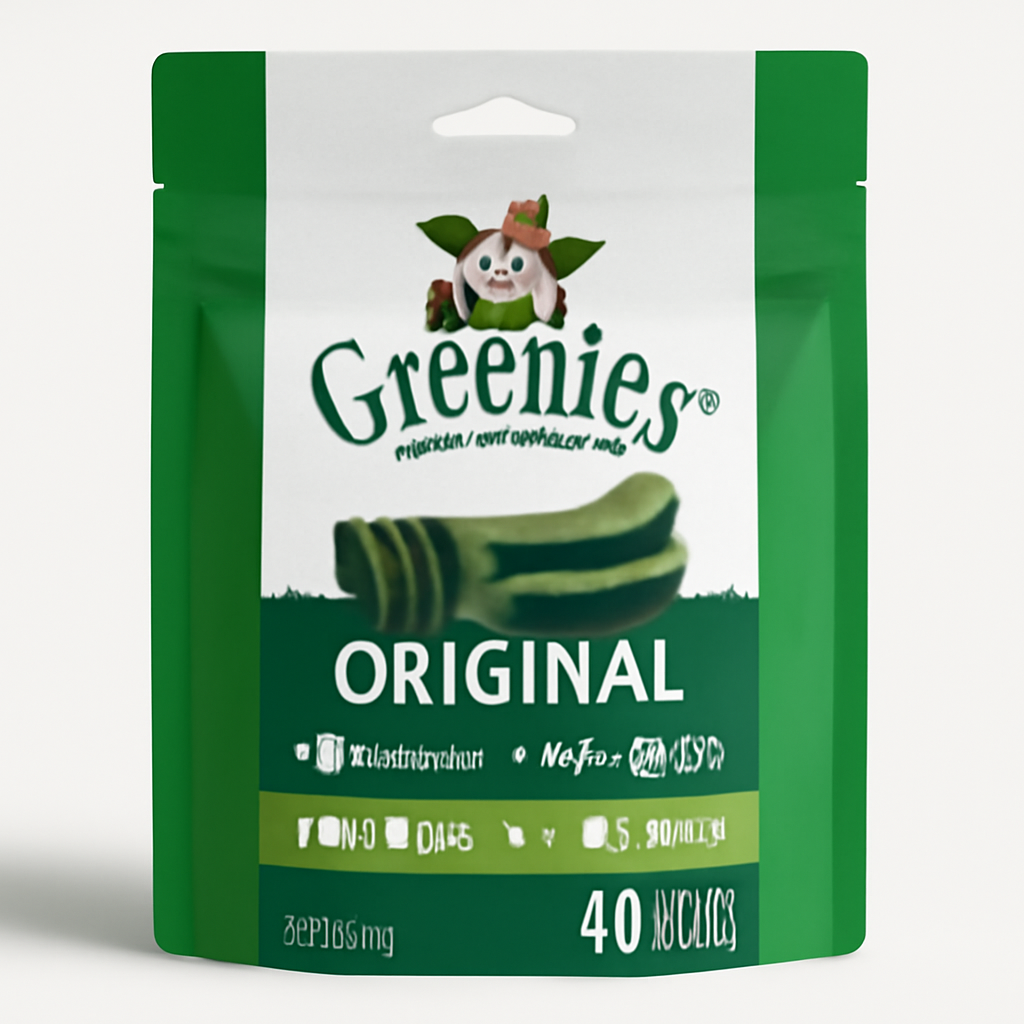
1. Greenies Original Dental Dog Treats — Best Overall
Greenies Original Dental Dog Treats are the chew most people picture when they think “dental treat,” and there’s a reason they’ve stayed on top. The chewy, ridged texture flexes against teeth to scrub plaque down to the gumline, and they carry the VOHC seal for plaque and tartar control. They’re also formulated to be highly digestible, which addresses an old concern about earlier versions.
Dogs genuinely love the taste, which matters more than it sounds — the best dental chew is useless if your dog won’t finish it. Greenies come in size ranges from Teenie to Large, so you can match the chew to your dog rather than guessing.
Pros:
– VOHC-accepted for plaque and tartar reduction
– Excellent size range for a precise fit
– Highly palatable — most dogs eat them eagerly
– Chewy texture that cleans effectively
Cons:
– Higher price per chew than budget options
– Contains wheat, so not ideal for grain-sensitive dogs
– Aggressive chewers may finish them quickly
—
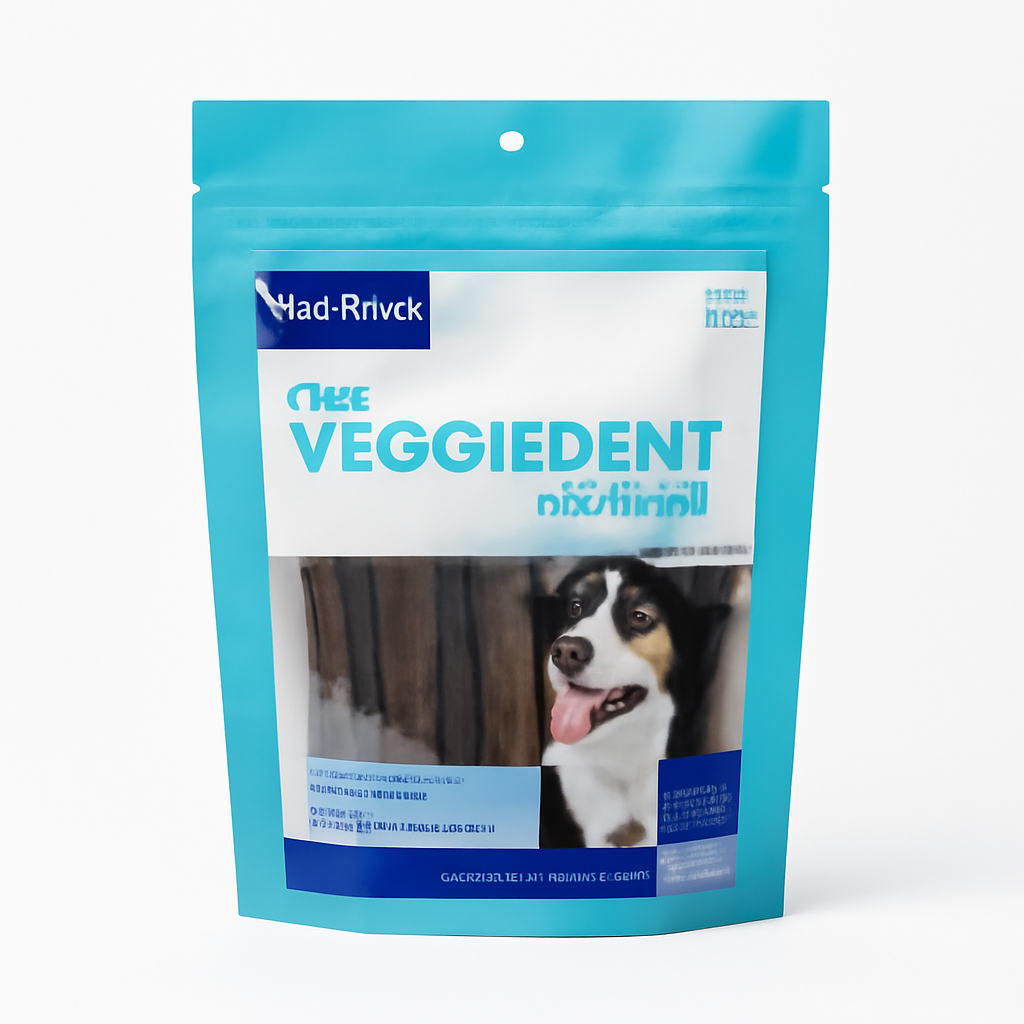
2. Virbac C.E.T. VeggieDent Fr3sh Chews — Best for Sensitive Stomachs
Virbac C.E.T. VeggieDent Fr3sh Chews come from a company that specializes in veterinary oral care, and it shows. These are plant-based, grain-free, and highly digestible, making them a strong choice for dogs that don’t tolerate meat- or wheat-based chews well. The Z-shape isn’t just for looks — it encourages longer chewing, which means more contact time cleaning the teeth.
They’re VOHC-accepted and include ingredients aimed at freshening breath, so they punch above their weight on both cleaning and odor. Many owners of dogs with food sensitivities land here after other chews caused loose stool.
Pros:
– Grain-free and highly digestible
– VOHC-accepted
– Plant-based — good for dogs sensitive to animal proteins
– Shape promotes longer, more effective chewing
Cons:
– Firmer texture that some picky dogs resist at first
– Often priced at a premium
– Fewer size tiers than Greenies
—
3. Purina DentaLife Daily Oral Care Chews — Best Value
Purina DentaLife Daily Oral Care Chews hit a sweet spot between price and performance. Their porous, ridged texture is designed to reach the hard-to-clean back teeth, and they’re VOHC-accepted for tartar control. For owners who want a legitimate daily dental chew without the premium price tag, this is often the practical answer.
They tend to be lower in calories than some competitors, which is a nice bonus if your dog is watching their weight or already getting other treats.
Pros:
– VOHC-accepted and reasonably priced
– Ridged, porous texture cleans back molars well
– Generally lower calorie
– Widely available
Cons:
– Some dogs eat them too quickly for maximum benefit
– Less premium ingredient list than top picks
—
4. Whimzees Natural Dental Dog Treats
Whimzees Natural Dental Dog Treats are the go-to for owners who want a short, clean ingredient list. They’re grain-free, made without artificial colors or flavors, and shaped into fun forms (like the toothbrush shape) with deep grooves that do real scrubbing work. If you scan labels and want to recognize everything in the bag, Whimzees delivers.
They last a satisfyingly long time for most moderate chewers, which extends the cleaning contact and keeps dogs busy.
5. Pedigree Dentastix — Budget Pick
Pedigree Dentastix Chews are the accessible, grab-them-anywhere option. The X-shape and textured surface help reduce tartar buildup, and they’re easy on the wallet for daily use across a wide range of dog sizes. They’re not the most premium formula on this list, but for owners on a tight budget who want something working on their dog’s teeth every day, they’re a reasonable starting point.
Key Ingredients to Look For (and What to Avoid)
Not all dental chews are created equal. Flip the bag over and here’s what to scan for.
Look for:
– A VOHC seal. This is the single most reliable indicator that a chew actually reduces plaque or tartar.
– Digestible bases like rice, potato, or specific plant proteins that break down easily.
– Functional additives such as zinc, sodium hexametaphosphate (helps interrupt tartar formation), or natural breath-fresheners like parsley and mint.
– Recognizable, limited ingredients. Shorter lists generally mean fewer fillers and lower allergy risk.
Be cautious of:
– Artificial dyes and flavors. They add nothing nutritionally and can trigger sensitivities in some dogs.
– Excessive fillers like corn syrup or heavy amounts of wheat gluten, especially for grain-sensitive dogs.
– Rawhide as a “dental” solution. Rawhide can pose choking and blockage risks and isn’t a purpose-built dental chew.
– Extremely hard chews (real bones, antlers, hard nylon). These can clean but also crack teeth — a common cause of expensive dental fractures.
A useful rule of thumb: the chew should be firm enough to scrape plaque but flexible enough that it gives when you press a fingernail into it. If you can’t dent it at all, it may be hard enough to damage teeth.
How to Pick the Right Chew for Your Dog’s Size and Age
Matching the chew to the dog matters for both safety and effectiveness.
By Size
– Small and toy breeds: Choose the smallest size tier (e.g., Greenies Teenie). A chew that’s too large is hard for tiny mouths to work properly, and cutting large chews down can create sharp edges.
– Medium dogs: Most standard-size chews are formulated for this range. Look for something they can’t gulp in two bites.
– Large and giant breeds: Size up. A too-small chew is a choking hazard and gets swallowed before it cleans anything. Large-size Greenies or DentaLife are built for this.
Match the chew size to your dog’s weight range on the label — this is the number one safety factor.
By Age
– Puppies: Wait until adult teeth are established (generally around six months) before introducing firm dental chews, and start with softer options. Always check the manufacturer’s minimum age and weight.
– Adult dogs: This is the prime audience for daily dental chews — full-strength options work great.
– Senior dogs: Older dogs may have worn or sensitive teeth. Softer, more flexible chews like VeggieDent are gentler on aging mouths than very firm products.
How to Use Dental Chews Safely and Effectively
A great chew used incorrectly won’t do much. Here’s how to get real results.
1. Give one daily, consistently. Dental benefits come from regular mechanical cleaning, not the occasional chew. Once a day is the sweet spot for most products.
2. Always supervise. Watch your dog, especially with new chews or fast eaters. If your dog tries to swallow large pieces, take the chew and switch to a size that forces slower chewing.
3. Count the calories. Dental chews aren’t calorie-free. Factor them into your dog’s daily intake and reduce other treats to avoid weight gain.
4. Provide fresh water. Help digestion by keeping water available.
5. Pair with brushing when you can. Even brushing a few times a week alongside daily chews dramatically improves results.
6. Don’t ignore professional care. Chews reduce plaque, but your vet should still check your dog’s mouth and recommend cleanings as needed.
Stop and reassess if you notice loose stool, vomiting, or reluctance to eat a chew — it may signal an ingredient sensitivity or the wrong size.
Frequently Asked Questions About Dog Dental Chews
Do dental chews really work?
Yes — the ones proven to work. Chews with a VOHC seal have been tested to reduce plaque or tartar. They’re not a substitute for brushing or professional cleanings, but as daily maintenance they make a measurable difference.
How often should I give my dog a dental chew?
Once a day is ideal for most products. Always follow the specific package instructions and factor the calories into your dog’s diet.
Are dental chews safe for puppies?
Wait until your puppy’s adult teeth have come in (usually around six months) and choose softer options. Always check the label’s minimum age and weight, and supervise closely.
Can dental chews replace brushing my dog’s teeth?
No. Brushing is still the gold standard. Dental chews are the realistic daily habit that fills the gap when brushing isn’t happening every day — best used alongside brushing, not instead of it.
What if my dog has a sensitive stomach?
Choose a highly digestible, grain-free option like Virbac C.E.T. VeggieDent Fr3sh Chews or a limited-ingredient chew like Whimzees. Introduce any new chew gradually and watch for changes in stool.
Are hard chews like antlers and bones good for teeth?
They can scrape plaque, but they’re also a leading cause of cracked teeth. Purpose-built dental chews with some flex are safer for daily use.
My dog swallows chews too fast — what do I do?
Size up so the chew can’t be gulped, and supervise. A larger chew forces more chewing, which is exactly where the cleaning benefit comes from.
Our Verdict
If you want one recommendation that works for the largest number of dogs, go with Greenies Original Dental Dog Treats. They’re VOHC-accepted, come in a precise range of sizes, and — crucially — dogs actually love eating them, which is what makes daily use stick.
For dogs with sensitive stomachs or grain issues, Virbac C.E.T. VeggieDent Fr3sh Chews are the smarter pick, offering the same VOHC-backed cleaning in a gentler, highly digestible form. Budget-focused owners will do just fine starting with Purina DentaLife, and label-readers who want the cleanest ingredients should reach for Whimzees.
Whichever you choose, the real secret isn’t the brand — it’s consistency. A daily VOHC-accepted chew, paired with occasional brushing and regular vet checkups, is one of the simplest ways to keep your dog’s mouth healthy well into their senior years. Pick the chew your dog will actually eat every day, and you’re already winning.
Dental chews support oral health but don’t replace veterinary care. If you notice bad breath, bleeding gums, or difficulty eating, consult your veterinarian.