Picking the right collar sounds simple — until you’re staring at a wall of nylon, leather, martingales, and GPS-tracking “smart” collars wondering which one won’t choke your dog, snap on the trail, or slip off the first time they see a squirrel. The wrong collar is uncomfortable at best and genuinely dangerous at worst.
This guide cuts through it. Below you’ll find category-by-category picks, honest pros and cons, sizing help, and the safety mistakes most owners make without realizing it.
Quick Answer
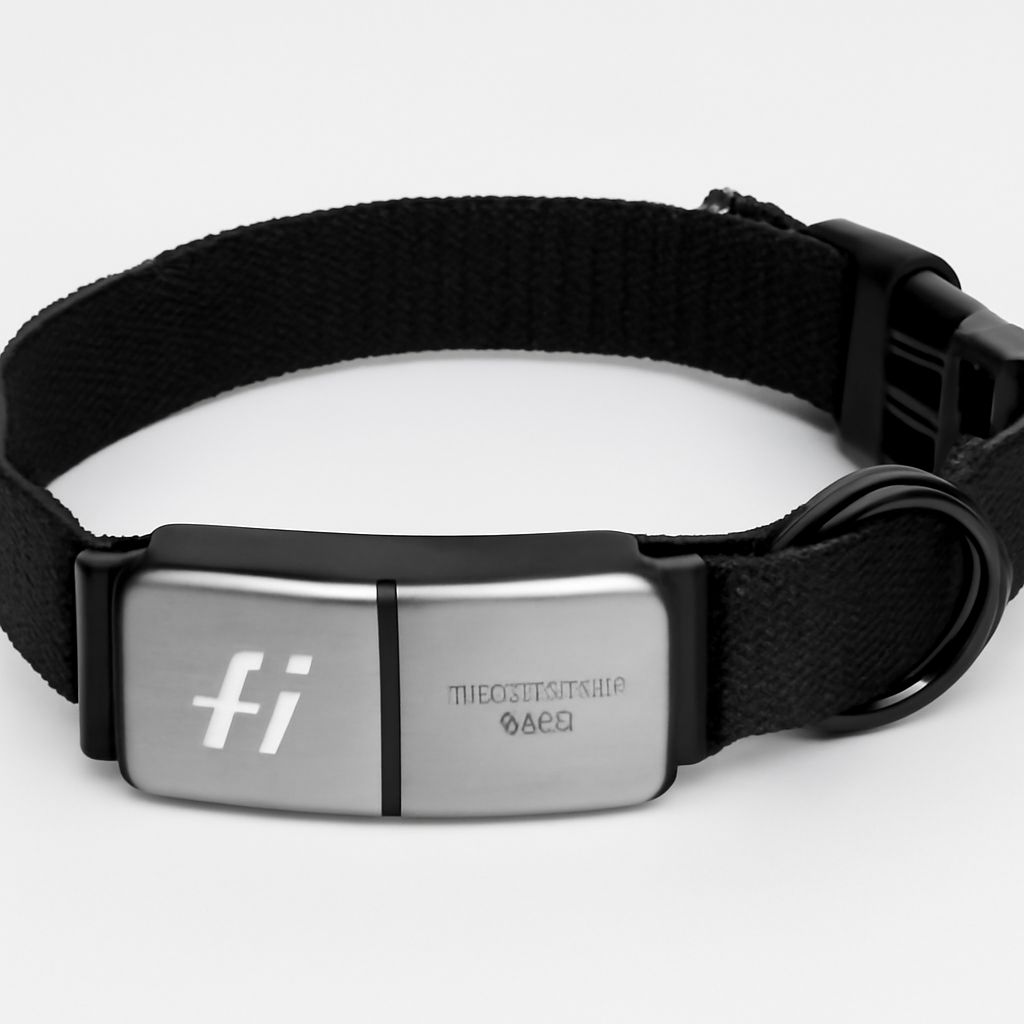
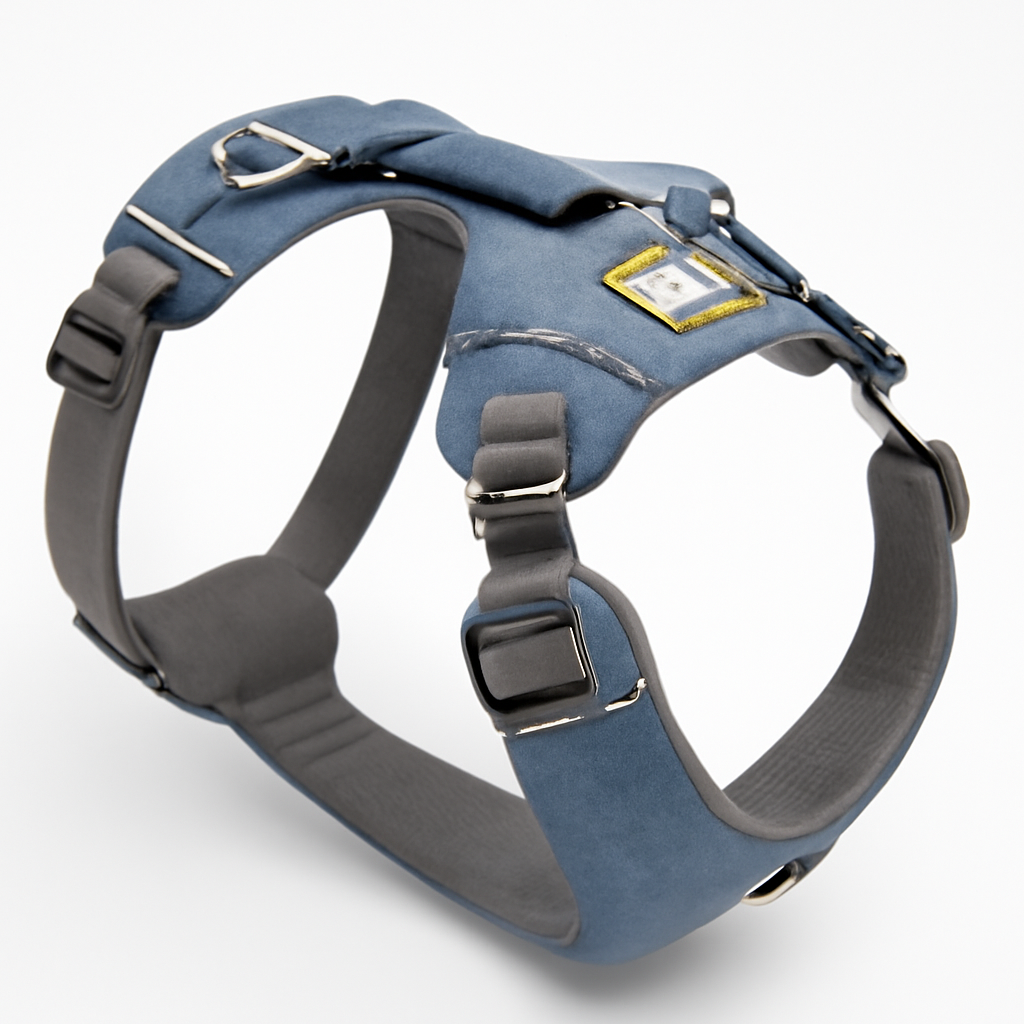
For most dogs, a well-fitted flat collar like the [Blue-9] Balance Collar is all you need for ID tags and everyday walks. If your dog backs out of collars, go with a martingale like the PetSafe Martingale. For pullers, skip the neck collar for walks entirely and use a front-clip harness like the Ruffwear Front Range Harness. And if your dog is an escape artist or you want location tracking, the Fi Smart Collar Series 3 is the standout.
—
How We Tested and Ranked These Dog Collars
We didn’t just read spec sheets. Our rankings weigh the things that actually matter to daily use:
– Durability — hardware (buckles, D-rings, welds) is the first thing to fail. We prioritized metal hardware over plastic and checked for reinforced stitching.
– Comfort and fit — collar width relative to dog size, padding, edge finishing, and how well each design distributes pressure.
– Safety — breakaway features where appropriate, proper tightening range on martingales, and reflective visibility for low-light walks.
– Ease of use — how simple it is to adjust, put on, and clean.
– Value — whether the price matches the build quality and longevity.
We also leaned heavily on how each collar performs for its intended job. A great everyday flat collar makes a terrible training tool for a strong puller, and vice versa. Categories exist for a reason, so we ranked within them.
Best Dog Collars at a Glance (Top Picks by Category)
| Product | Best For | Price Range |
| [Blue-9] Balance Collar | Everyday wear & ID tags | |
| PetSafe Martingale Collar | Dogs who slip out of collars | |
| Ruffwear Front Range Harness | Pullers & active/outdoor dogs | |
| Fi Smart Collar Series 3 | GPS tracking & escape artists | |
| Max and Neo Neo-Nylon Buckle Collar | Budget & buy-one-give-one value | |
| Halti Headcollar | Powerful pullers needing extra control |
Types of Dog Collars: Flat, Martingale, Harness & More
Before you buy, know what each style is actually designed to do.
Flat Collars
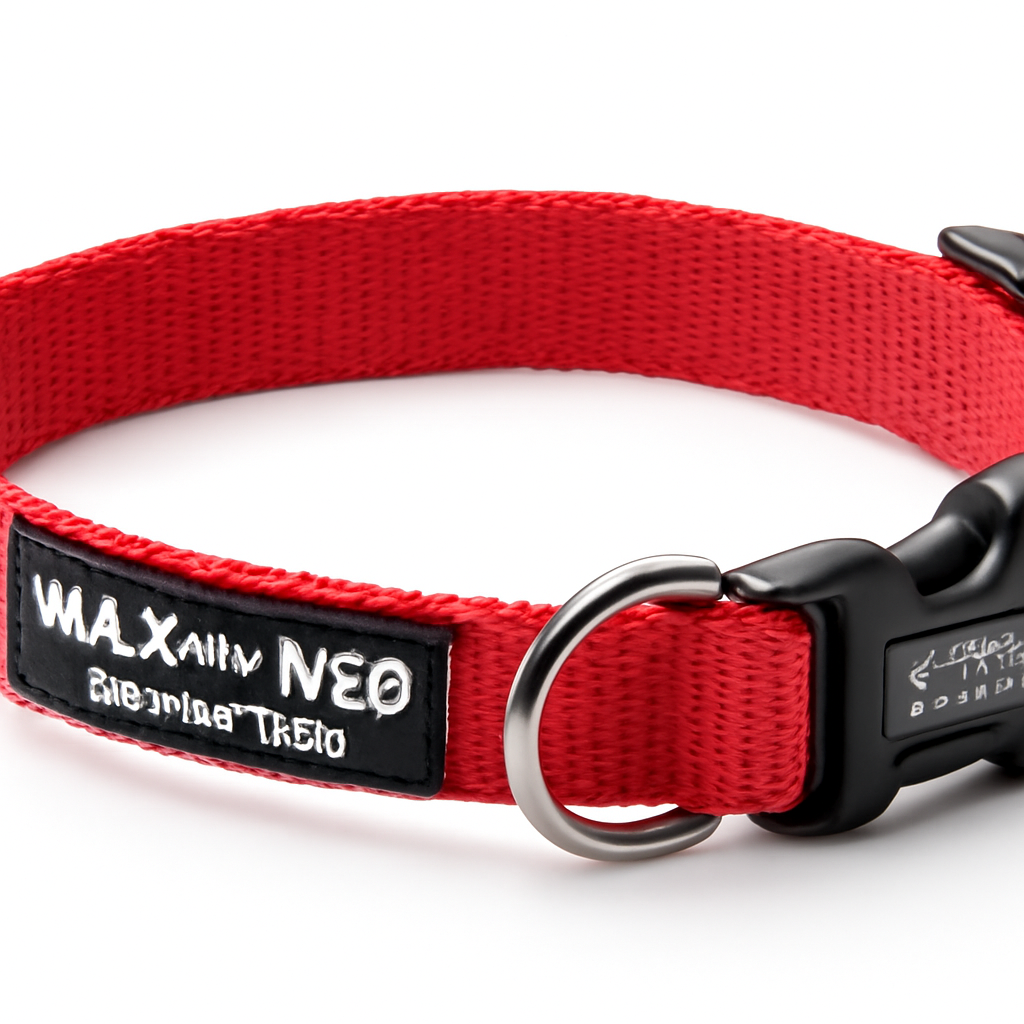
The classic everyday collar with a buckle or quick-release clasp. Perfect for holding ID tags and for dogs who walk politely on leash. Not ideal for heavy pullers or dogs with narrow heads who can back out.
Martingale Collars
A “limited-slip” design with a smaller control loop that tightens gently when your dog pulls — but only to a set point, so it can’t choke. Originally made for sighthounds (Greyhounds, Whippets) whose heads are narrower than their necks. Great for any dog that slips traditional collars.
Harnesses
Technically not a collar, but often the safer choice for walks. Harnesses take pressure off the neck entirely. Front-clip models discourage pulling by redirecting your dog; back-clip models are comfy for casual, non-pulling walkers.
Head Collars (Head Halters)
Loop around the muzzle and behind the ears, giving you steering control over strong dogs — think power steering. There’s a learning curve, and they must be introduced slowly, but they’re a humane alternative to aversive tools.
Smart / GPS Collars
Modern collars with built-in GPS and activity tracking. Ideal if your dog roams, digs under fences, or you just want peace of mind. They’re bulkier and need charging, but the tech has matured a lot by 2026.
> A note on prong and shock collars: We don’t recommend aversive tools in this guide. Modern positive-reinforcement gear paired with training gets better long-term results without the welfare risks.
Key Features to Look For Before You Buy
Whatever style you choose, judge it on these:
– Hardware material — Metal buckles and welded (not bent-and-soldered) D-rings dramatically outlast plastic. This is the single biggest predictor of longevity.
– Width and weight — Wider collars distribute pressure better on large dogs; lightweight ones suit toy breeds. A 1-inch collar on a Chihuahua is overkill.
– Adjustability — Look for a genuine adjustment range, not a fixed size. Puppies especially need room to grow.
– Reflectivity — Reflective stitching or piping is a real safety feature for early-morning and evening walks.
– Material — Nylon is durable and affordable; biothane (coated webbing) is waterproof and odor-resistant; leather is comfortable and ages well but needs care.
– Ease of cleaning — Dogs get filthy. Machine-washable or wipe-clean materials save you a lot of grief.
Top Picks in Detail
Best Overall Everyday Collar: [Blue-9] Balance Collar
A thoughtfully engineered flat collar with multiple adjustment points, so it actually contours to your dog’s neck instead of sitting loose. Metal hardware and a martingale-compatible option make it versatile.
Pros
– Multi-point adjustment for a genuinely custom fit
– Sturdy metal hardware
– Available in a limited-slip configuration
Cons
– Pricier than basic flat collars
– More adjustment straps mean a slightly busier look
Best for Escape Artists: PetSafe Martingale Collar
The go-to limited-slip collar. It tightens just enough to prevent backing out, then stops — no choking. A staple recommendation for rescue dogs and narrow-headed breeds.
Pros
– Prevents slip-outs without aversive pressure
– Simple, proven design
– Affordable
Cons
– Should be removed for unsupervised crate time (the loop can snag)
– Not a fix for hard pulling on its own
Best for Pullers & Adventures: Ruffwear Front Range Harness
If your dog pulls, the answer usually isn’t a different neck collar — it’s a good harness. The Ruffwear Front Range has both front and back clip points, padded panels, and reflective trim. It’s a favorite for hikers.
Pros
– Front clip discourages pulling
– Padded, comfortable for long wear
– Durable enough for trail use
Cons
– More expensive than a plain collar
– Still need a separate collar for ID tags
How to Choose the Right Collar Size and Fit
Getting the size right matters more than the brand.
1. Measure, don’t guess. Wrap a soft tape measure around the base of your dog’s neck, where the collar naturally sits.
2. Apply the two-finger rule. You should be able to slip two fingers snugly between the collar and your dog’s neck — no more, no less. Too loose and they slip out; too tight and it restricts breathing.
3. Check the width against the breed. Toy and small breeds: ⅜”–¾”. Medium dogs: ¾”–1″. Large and giant breeds: 1″–2″.
4. Re-check often for puppies. Growing dogs can outgrow a collar in weeks. Verify the fit weekly.
5. Account for coat. Double-coated breeds shed seasonally — a collar fitted over a winter coat may be loose come summer.
Safety Tips and Common Mistakes to Avoid
– Don’t leave a training or martingale collar on unsupervised. Loops and tags can snag on crates, fences, and furniture.
– Don’t clip a leash to a flat collar for a heavy puller. Constant neck pressure can cause tracheal and thyroid strain. Use a harness for walks and keep the collar for ID.
– Don’t ignore the tags. A collar with current ID is your dog’s fastest ticket home. A GPS collar like the Fi Smart Collar Series 3 is a strong backup, not a replacement, for a physical tag.
– Don’t forget to loosen after growth or weight change. A collar that fit last season may be dangerously tight now.
– Don’t buy on looks alone. That gorgeous studded leather collar means nothing if the D-ring is bent wire that pops under load.
Frequently Asked Questions About Dog Collars
Should my dog wear a collar all the time?
A flat collar with ID tags is fine for most dogs during the day. Remove martingales, head halters, and harnesses when unsupervised to avoid snagging.
Collar or harness — which is better?
For ID and casual walks, a collar is fine. For pulling, breathing-sensitive breeds (Pugs, Bulldogs), or any dog you want to protect from neck strain, a harness like the Ruffwear Front Range is safer.
Are martingale collars humane?
Yes, when fitted correctly. A properly adjusted martingale like the PetSafe Martingale tightens only to a preset limit and cannot choke — that’s the whole point of the design.
Do I need a GPS collar?
Not necessary for every dog, but if yours roams, escapes, or you live near roads or open land, a tracker like the Fi Smart Collar Series 3 offers real peace of mind.
How often should I replace my dog’s collar?
Inspect hardware and stitching monthly. Replace at the first sign of fraying webbing, cracked buckles, or a worn D-ring — typically every 1–2 years for daily-use nylon collars.
What’s the best collar for a strong puller who lunges?
A head halter such as the Halti Headcollar paired with training gives you the most control, but introduce it gradually so your dog accepts it.
Our Verdict
For the vast majority of dogs, a well-built, properly fitted flat collar is all you need — and the [Blue-9] Balance Collar is our top overall pick thanks to its custom fit and solid hardware. If your dog slips collars, go straight to the PetSafe Martingale. If pulling is your problem, stop fighting it at the neck and get the Ruffwear Front Range Harness — your dog’s throat will thank you. And for escape artists or anyone who wants location tracking in 2026, the Fi Smart Collar Series 3 is worth the premium.
On a tight budget? The Max and Neo Neo-Nylon Buckle Collar delivers metal hardware and reflective stitching at a fraction of the price — and the brand donates a collar to a rescue for every one sold.
Buy for the job your dog needs done, measure carefully, check the fit with two fingers, and you’ll get years of safe, comfortable walks out of whichever pick you choose.
Prices and availability change frequently — always check the current price before buying.