# Best Desk and Chair for Posture in 2026
Quick Answer
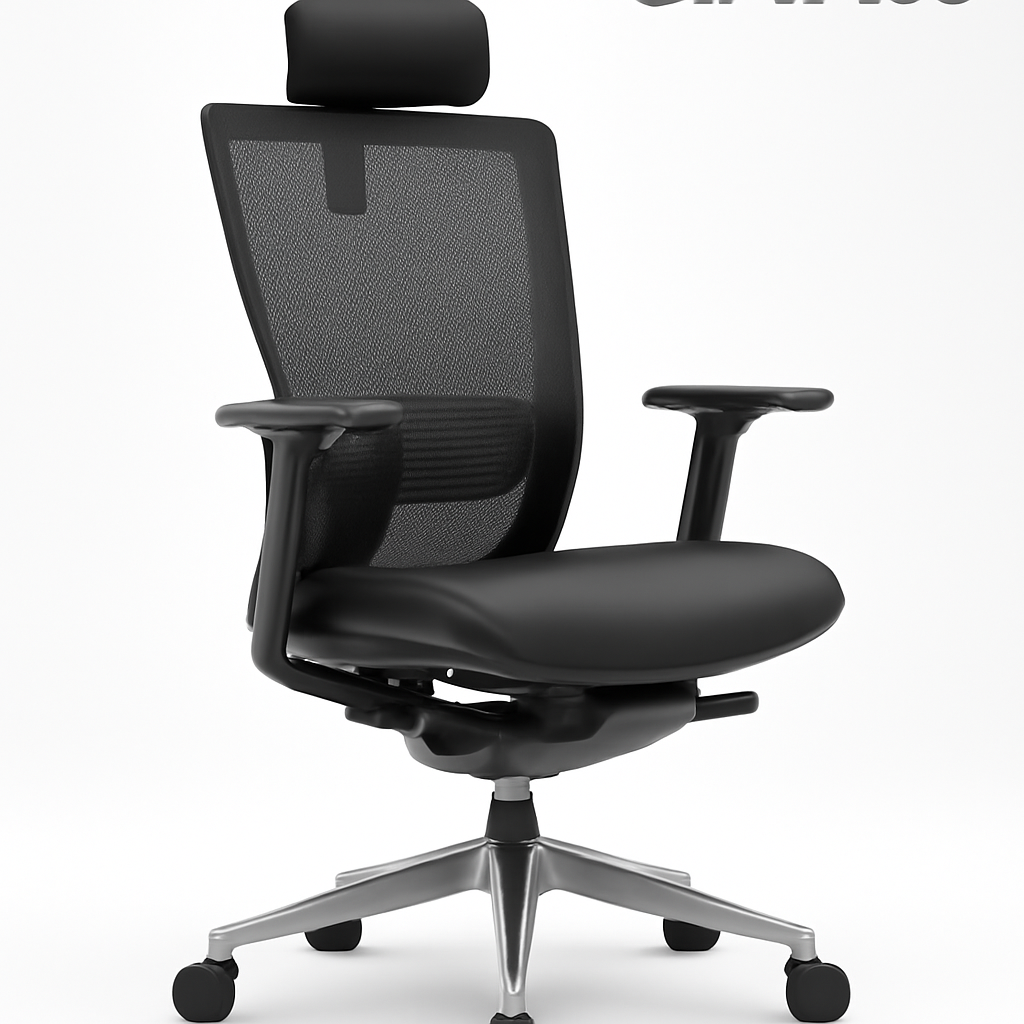
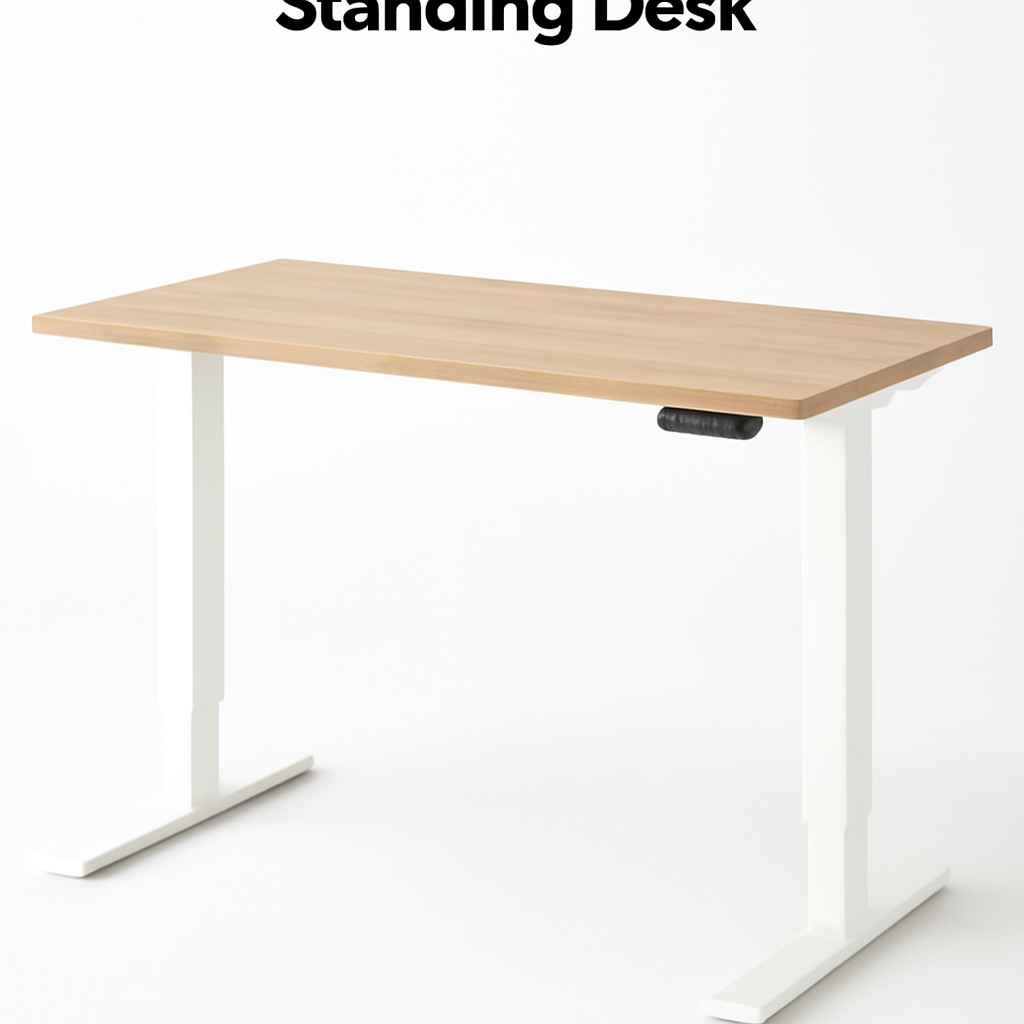
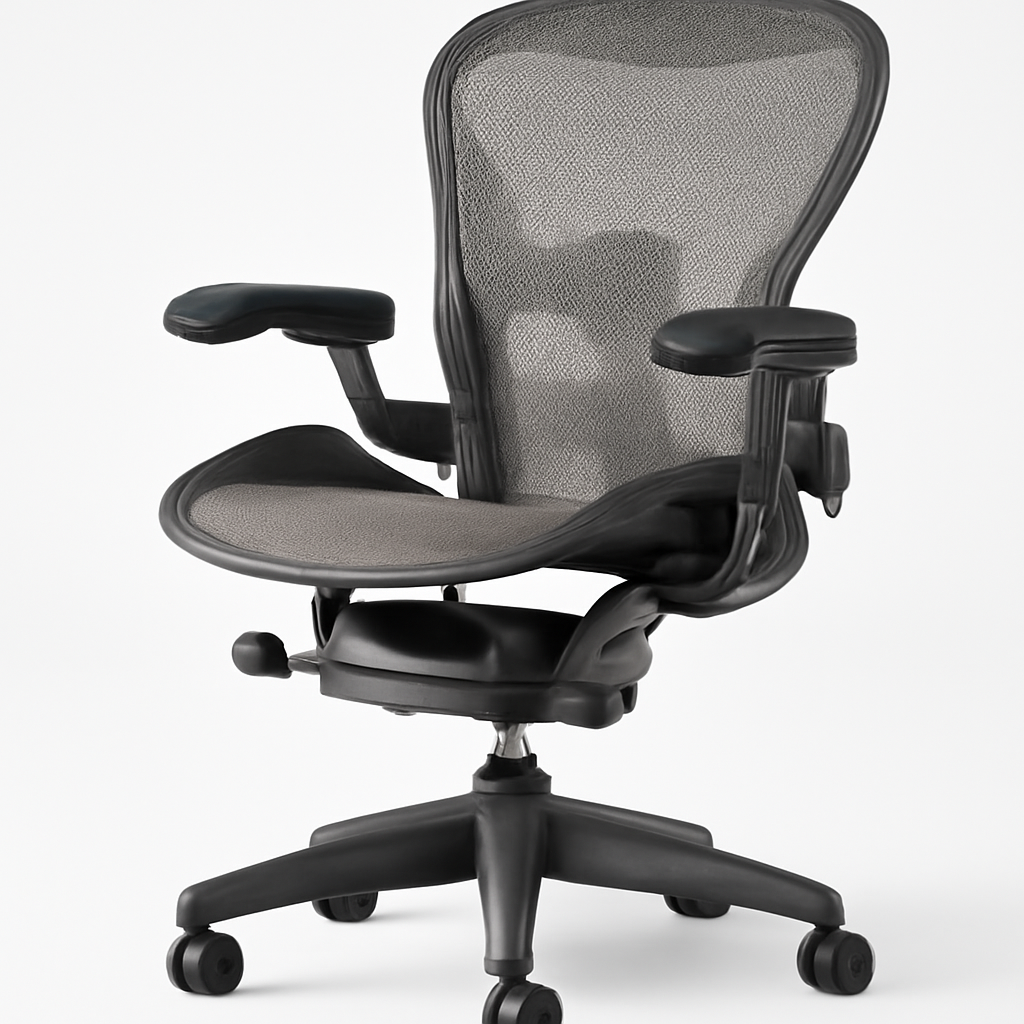
If you’re spending 8+ hours a day hunched over a desk, your spine is paying the price. The best posture-supporting setup combines an ergonomic chair with proper lumbar support, a desk at the right height, and an adjustable monitor position. Top picks include the Herman Miller Aeron Chair paired with a Flexispot E8 Standing Desk for versatile positioning, or the budget-friendly Autonomous SmartDesk Standard with an SIDIZ T50 chair. Your investment today prevents chronic pain, fatigue, and long-term spinal damage tomorrow.
—
Why Posture Matters: Health Benefits of Proper Ergonomics
You probably don’t think about your posture until your neck starts screaming during that afternoon meeting. But here’s the thing: poor desk posture isn’t just uncomfortable—it’s a slow-motion injury.
When you slouch or lean forward, your spine experiences uneven pressure distribution. Over months and years, this creates muscle imbalances, compressed discs, and chronic pain. Studies show that office workers with poor ergonomic setups report 30-40% higher rates of back and neck pain compared to those with proper positioning.
The benefits of good posture go beyond pain relief:
– Better breathing and oxygen flow: Slouching compresses your lungs. Proper posture opens your chest cavity.
– Improved focus and energy: Poor posture restricts blood flow to your brain; good posture keeps you mentally sharp.
– Reduced headaches: Neck tension from forward head posture is a leading cause of tension headaches.
– Long-term spinal health: Preventing disc degeneration now means fewer problems in your 50s and beyond.
– Better mood: Research shows posture affects your psychological state—sitting up straight literally makes you feel more confident.
The problem is that most office furniture isn’t designed with your spine in mind. A random office chair and a desk at the wrong height will gradually damage your body. Investing in ergonomic furniture isn’t a luxury—it’s preventative medicine.
—
Top Ergonomic Desk and Chair Combinations for 2026
Finding the right combination matters more than finding individual pieces. Your chair needs to work with your desk height, monitor position, and keyboard placement. Here are the most effective pairings currently available.
Premium Combination: Herman Miller Aeron + Flexispot E8 Standing Desk
The Herman Miller Aeron Chair [CHECK PRICE] is the gold standard for ergonomic seating. It offers:
– Fully adjustable lumbar support (PostureFit system)
– 8Z Posture Fit technology that supports your natural S-curve
– Customizable seat pan, armrest, and tilt tension
– 12-year warranty (rare in the furniture world)
Paired with the Flexispot E8 Standing Desk [CHECK PRICE], you get:
– Dual-motor height adjustment (22.4″ to 48.8″ range)
– Four programmable presets for sitting and standing heights
– Anti-collision technology to prevent damage
– Solid stability at full extension
Why this combo works: The Aeron provides exceptional lower back support, while the E8’s flexibility lets you alternate between sitting and standing—a major posture game-changer. When you stand, your core engages naturally. When you sit, the Aeron’s engineered support takes over.
Best Value: Autonomous SmartDesk Standard + SIDIZ T50 Chair
Budget-conscious professionals shouldn’t settle for cheap seating. The Autonomous SmartDesk Standard [CHECK PRICE] offers:
– Motorized height adjustment (28.7″ to 47.2″)
– Preset memory for sitting and standing positions
– Quiet operation (below 50dB)
– Solid bamboo or laminate top options
The SIDIZ T50 Chair [CHECK PRICE] is an underrated posture hero:
– Active tilt mechanism that encourages spinal movement
– Adjustable lumbar support with three tilt options
– Ergonomic design without the $1,500+ price tag of tier-one brands
– Made in South Korea with quality comparable to premium brands
Why this combo works: You’re getting 80% of the Herman Miller experience at 50% of the cost. The T50’s active tilt mechanism actually forces you to engage your core, and the SmartDesk’s dual motors provide the flexibility to switch positions throughout the day.
Mid-Range Hybrid: Steelcase Series 1 + Uplift V2 Desk
The Steelcase Series 1 [CHECK PRICE] is often overlooked but deserves attention:
– LiveLumbar technology that adapts to your spine’s curve
– Weight-activated backrest that responds to your movement
– Easier adjustability than premium competitors
– Good price-to-quality ratio
Paired with the Uplift V2 Standing Desk [CHECK PRICE]:
– Dual-motor, height-adjustable (22.6″ to 48.1″)
– Excellent stability even when fully extended
– Minimalist design that fits any workspace
– Excellent customer support and warranty
Why this combo works: The Steelcase Series 1’s responsive design means you’re not locked into one position—it adapts as you move. The Uplift’s robust stability ensures your monitor and keyboard won’t wobble when you alternate between sitting and standing.
—
Standing vs. Sitting Desks: Which Supports Better Posture?
This is where things get interesting. The short answer: neither is better alone. Alternating is optimal.
Sitting at a Desk
Pros for posture:
– A properly designed chair provides lower back support
– More stable position for typing and detail work
– Armrests can reduce shoulder tension
Cons for posture:
– Encourages hip flexor tightness
– Reduces core engagement (your abdominal muscles atrophy with prolonged sitting)
– Creates pressure on your lower spine disc
– Easy to slouch into bad positions
Standing at a Desk
Pros for posture:
– Forces natural core engagement
– No hip flexor compression
– More spinal alignment variety
– Increases calorie burn and blood flow
Cons for posture:
– Puts continuous pressure on your lower back and knees
– Hard on feet and legs without proper footwear and matting
– Easy to lean onto one leg (creating asymmetrical stress)
– Can increase lower back pain if done 8 hours straight
The Verdict: Alternating Heights Wins
The best posture strategy is alternating between sitting and standing every 30-60 minutes. This gives you the benefits of both without the drawbacks of either.
A height-adjustable desk paired with an ergonomic chair gives you this flexibility. Your sitting position gets better support, and your standing sessions activate your core without creating static pressure on your spine.
—
Key Features to Look for in Posture-Supporting Furniture
When evaluating desks and chairs, focus on these non-negotiable features:
Chair Features
Lumbar Support (Critical)
– Adjustable lumbar curves that match your spine’s natural S-shape
– Should support the inward curve at your lower back
– Look for: PostureFit, LiveLumbar, or independently adjustable lumbar pillows
Seat Depth and Height
– Seat should be 3-4 inches shorter than your knee-to-hip distance when seated
– Allows 2-3 inches of space between seat edge and your knees
– Adjustable height so feet rest flat on floor with knees at 90 degrees
Armrests
– Should adjust both height and width
– Proper position: elbows bent at 90 degrees with relaxed shoulders
– Prevents shoulder elevation and neck tension
Backrest Angle
– Recline function that accommodates different sitting styles
– Should support natural spinal curvature, not force you upright
– Tilt-lock feature to maintain preferred angle
Materials
– Breathable mesh or fabric (leather gets hot and restricts airflow)
– Padding firm enough to support but comfortable for 8-hour days
Desk Features
Height Adjustability
– Electric motors (better than manual cranks) for daily use
– Memory presets for sitting and standing heights
– Should adjust from 22″ to 48″ to accommodate all body types
Stability
– Minimal wobbling or flexing when fully extended
– Dual-motor systems more stable than single-motor
– Cross-support structures reduce tilt
Surface Size
– Minimum 48″ wide for monitor, keyboard, and workspace
– At least 24″ deep for proper keyboard positioning
– Enough room to arrange peripherals without stacking
Cable Management
– Built-in channels or trays for cord organization
– Prevents cables from tangling and affecting stability
—
Best Budget-Friendly Options for Posture-Conscious Workers
Good posture support doesn’t require a second mortgage. Here’s where to focus your budget:
Priority 1: Get the Chair Right ($300-$800)
Your chair matters more than your desk. You’re literally sitting on it all day. A $500 ergonomic chair beats a $200 chair by a factor of 10.
Budget picks that punch above their weight:
– SIDIZ T50 [CHECK PRICE] – Best overall value for lumbar support
– HON Ignition 2.0 [CHECK PRICE] – Solid adjustability under $300
– Eurotech Vera [CHECK PRICE] – Excellent for smaller frames, very affordable
Priority 2: Adjustable Desk Height ($400-$700)
You don’t need the fanciest standing desk. Focus on:
– Reliable dual-motor system
– Memory presets (saves your sitting/standing heights)
– Stable construction without excessive wobble
Budget picks:
– Autonomous SmartDesk Standard [CHECK PRICE]
– Monoprice Workstream [CHECK PRICE]
– IKEA Idasen [CHECK PRICE] – Surprisingly solid for the price
Priority 3: Monitor Positioning (Free-$100)
Most posture problems come from bad monitor placement, not the chair. A $15 monitor arm can fix more problems than a $500 chair.
– Monitor should be 20-26 inches from your eyes
– Top of monitor at or slightly below eye level
– Directly in front of you (no twisting neck)
A basic adjustable monitor arm costs $30-100 and is more impactful than you’d think.
Budget Setup Breakdown
| Component | Budget | Mid-Range | Premium |
| Chair | $300-500 | $600-900 | $1,200+ |
| Desk | $400-600 | $700-1,000 | $1,200+ |
| Monitor Arm | $30-50 | $75-150 | $200+ |
| Total | $730-1,150 | $1,375-2,050 | $2,600+ |
Even the budget setup provides 85% of the posture benefits of the premium option. The premium versions offer longer warranties, quieter motors, and better aesthetics—but the ergonomic foundation is similar.
—
How to Set Up Your Desk and Chair for Optimal Alignment
Having good furniture only works if you use it correctly. Here’s the exact setup process:
Step 1: Adjust Your Chair Height
1. Sit fully back in the chair
2. Adjust seat height so your feet rest flat on the floor
3. Your knees should form a 90-degree angle
4. Your thighs should be parallel to the ground
5. Check: You should be able to slide one finger under your thigh at the edge
Common mistake: Raising the chair too high to see your monitor. Don’t do this—adjust your desk and monitor instead.
Step 2: Adjust Lumbar Support
1. Sit upright and feel where your lower back naturally curves inward
2. Adjust lumbar support to match this curve exactly
3. Should feel like light support, not pressure
4. You shouldn’t have to actively “sit up straight”—the chair supports you
Testing it: Stand up, then sit back down. Does your back feel supported without you thinking about posture? You’ve got it right.
Step 3: Position Your Desk
1. Sit in your chair as adjusted
2. Set desk height so your elbows naturally rest at 90 degrees
3. When hands are on keyboard, shoulders should be relaxed (not elevated)
4. Your forearms should be parallel to the ground
Pro tip: If using a standing desk, adjust your standing height so the same 90-degree elbow angle is maintained.
Step 4: Monitor Positioning (The Posture Game-Changer)
1. Distance: Place monitor 20-26 inches from your eyes (arm’s length)
2. Height: Top of monitor at eye level or 20 degrees below
3. Angle: Tilt monitor slightly backward (5-15 degrees)
4. Alignment: Directly in front of you, not off to the side
The forward head posture killer: Most people position monitors too low and too close. This forces your neck forward by 1-2 inches, which adds 10-20 pounds of stress on your cervical spine.
Step 5: Keyboard and Mouse Position
1. Keyboard should be directly in front of you (no angling)
2. At your adjusted desk height with relaxed elbows
3. Mouse at same height as keyboard (on a wrist rest if needed)
4. Keep mouse close—no reaching across the desk
Bonus: Use a split keyboard or ergonomic keyboard to reduce wrist strain and maintain neutral positioning.
Step 6: Daily Habits
– Change positions every 30-60 minutes (stand if you’ve been sitting)
– Take posture breaks: Stand, stretch, look away from screen every 20 minutes
– 20-20-20 rule: Every 20 minutes, look at something 20 feet away for 20 seconds
– Walk around: Get up and move every hour at minimum
—
Comparison of Leading Brands and Their Posture Features
| Brand | Best For | Chair Price Range | Desk Price Range | Posture Strength |
| Herman Miller | Premium, long-term investment | $1,200-1,600 | $1,200-2,000+ | Exceptional lumbar engineering |
| Steelcase | Responsive, adaptive support | $700-1,200 | $1,000-1,800 | LiveLumbar technology |
| SIDIZ | Quality without premium markup | $400-800 | N/A (chairs only) | Underrated value |
| Flexispot | Value standing desks | N/A (desks only) | $400-900 | Steady, reliable motors |
| Autonomous | Budget-friendly both | $300-600 | $400-800 | Good for price point |
| Uplift | Premium desk quality | N/A (desks only) | $700-1,200 | Excellent stability |
| HON | Affordable office-grade | $250-500 | $600-1,100 | Solid basics, less customization |
Detailed Brand Analysis
Herman Miller Aeron
– Posture features: PostureFit system with eight different lumbar support positions; 8Z Posture Fit supports your natural spine curve
– Pros: Industry standard; exceptional warranty; perfect for 8+ hour work days; holds resale value
– Cons: Expensive; overkill for part-time home office use; takes time to adjust settings properly
– Best for: Full-time professionals who want durability and can’t afford back pain
Steelcase Series 1
– Posture features: LiveLumbar responds to your movement; weight-activated recline
– Pros: Dynamic support (not just static); good price-to-quality; easier adjustment than Herman Miller
– Cons: Less initial adjustability (by design); fewer size options
– Best for: People who move around a lot; those who want passive support
Flexispot E8 Standing Desk
– Posture features: Dual-motor for stable height transitions; allows sitting/standing alternation
– Pros: Smooth operation; reliable motors; excellent value; dual-motor stability
– Cons: Some wobble at max height with heavy loads; basic aesthetics
– Best for: Budget-conscious switchers who want standing desk benefits without premium pricing
Autonomous SmartDesk Standard
– Posture features: Height adjustment enables position changes; memory presets encourage alternation
– Pros: Very affordable; quiet operation; app connectivity
– Cons: Single-motor less stable; limited customization options
– Best for: Home office workers on tight budgets; those primarily sitting
—
Pros and Cons: Top 3 Combinations
Option 1: Herman Miller Aeron + Flexispot E8
Pros:
– Exceptional lumbar engineering meets flexible height adjustment
– Both have excellent warranties (12 years and 5 years respectively)
– Premium quality ensures decade+ of