Quick answer: If you want the most reliable, fully automatic litter box in 2026, the Litter-Robot 4 is the top overall pick thanks to its accurate cat-weight sensors, quiet cycling, and strong app. On a tighter budget, the Casa Leo Leo’s Loo Too delivers most of the convenience for less. Multi-cat homes should look hard at the PetSafe ScoopFree Smart or the high-capacity Neakasa M1.
Scooping litter is nobody’s favorite chore. In 2026, self-cleaning litter boxes have finally matured into appliances you can actually trust to run unattended — better sensors, safer cycle detection, and apps that tell you when a cat used the box or when the waste drawer is full. Below is our shortlist, how we ranked it, and exactly what to look for so you don’t overpay for features you’ll never use.
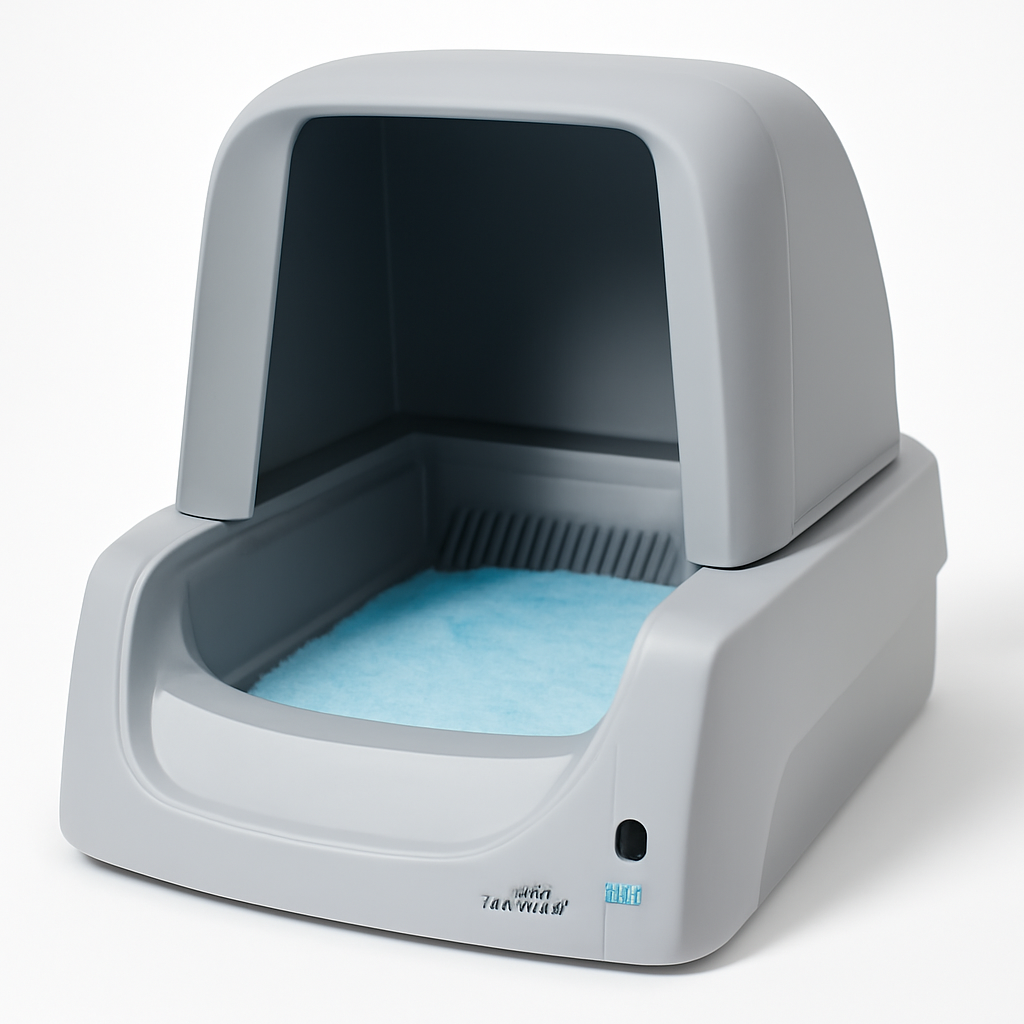
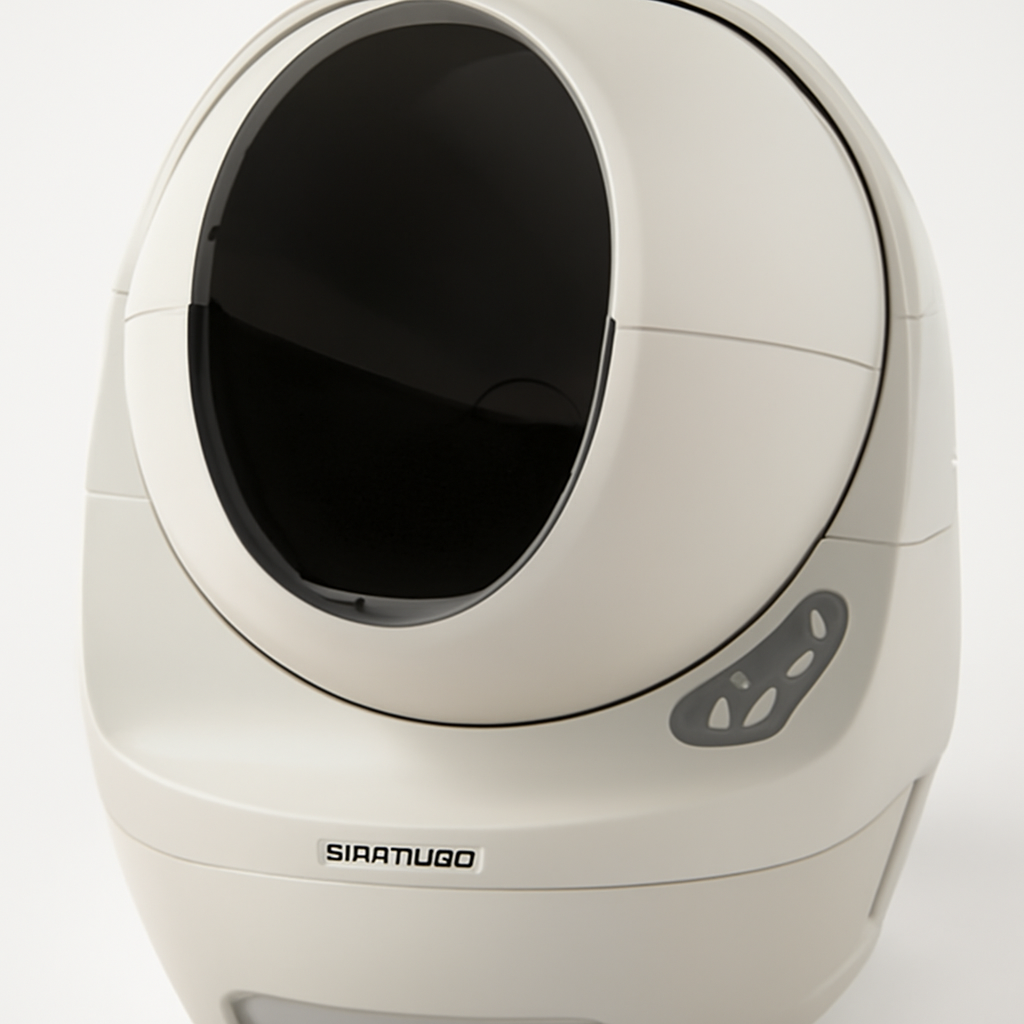
—
Why Trust an Automatic Litter Robot in 2026?
A few years ago, “self-cleaning” litter boxes were mostly gimmicks — flimsy rakes that jammed, sensors that missed smaller cats, and closed globes that trapped odor instead of removing it. That’s changed.
The 2026 generation improves on three fronts that actually matter:
– Safer cat detection. Modern units use weight-based and infrared sensors together, so the cleaning cycle won’t start while a cat is inside — including kittens and seniors under 5 lbs, which older models routinely missed.
– Real odor control. Sealed waste drawers, carbon filters, and (on premium units) automatic odor-neutralizing sprays keep a small apartment from smelling like a litter box.
– Genuinely useful apps. Instead of gimmicky notifications, today’s apps track how often each cat visits — an early warning sign for urinary and kidney issues that vets increasingly recommend watching.
The payoff is real: less daily scooping, better odor control, and health data you’d otherwise never collect. The trade-off is upfront cost and the need to buy compatible litter. For most multi-cat or busy households, the math works out.
—
How We Tested and Ranked the Top Litter Robots
We evaluated each litter robot against the criteria that separate a device you’ll keep from one you’ll return within a month:
– Cleaning reliability — Does the cycle actually complete without jamming, and does it clump/separate waste cleanly?
– Cat safety — How well do the sensors detect cats of different sizes before starting a cycle?
– Odor control — Sealed drawer, filtration, and how long before a room starts to smell.
– Capacity — Waste-drawer volume and how many days between emptying (critical for multi-cat homes and travel).
– App and monitoring — Usage tracking per cat, drawer-full alerts, and reliability of notifications.
– Litter compatibility and cost — Whether it uses standard clumping litter or a proprietary crystal system that raises ongoing cost.
– Noise — Whether the cycle wakes you or spooks a skittish cat.
– Cleaning and maintenance — How easy the unit is to wipe down and reset.
We weighted safety and cleaning reliability most heavily — a self-cleaning box that a cat won’t use, or that jams, is worthless no matter how nice the app looks. Prices shift often, so we’ve used throughout rather than quote figures that go stale.
—
Top Picks at a Glance
| Product | Best For | Price Range |
| Litter-Robot 4 | Best overall, all-around reliability | |
| Casa Leo Leo’s Loo Too | Best budget self-cleaning box | |
| PetSafe ScoopFree Smart | Multi-cat, low-maintenance crystal litter | |
| Neakasa M1 | Large / multi-cat, open-top design | |
| Petkit Pura Max 2 | Value-packed smart features | |
| Whisker Litter-Robot 3 Connect | Proven design at a lower entry point |
—
Best Overall Cat Litter Robot for 2026
Litter-Robot 4
The Litter-Robot 4 from Whisker remains the unit to beat in 2026. Its rotating-globe design sifts clumps into a sealed carbon-filtered drawer, and the redesigned sensors detect cats far more accurately than earlier generations — including light kittens that used to slip under the weight threshold. It’s noticeably quieter than the older Litter-Robot 3, and the Whisker app gives you per-cat usage tracking, drawer-full alerts, and litter-level monitoring.
It works with standard clumping litter (no proprietary refills), which keeps ongoing costs sane, and the waste drawer is large enough that a single-cat home can go well over a week between empties.
Pros:
– Excellent, accurate cat detection across cat sizes
– Uses standard clumping litter — no locked-in refill cost
– Quiet cycle and genuinely useful per-cat health tracking app
– Large sealed, carbon-filtered waste drawer
Cons:
– Premium price — the most expensive pick here
– Large footprint; needs real floor space
– Very large cats may find the entry snug
Bottom line: If you want the most reliable, lowest-hassle automatic litter box and the budget allows, this is it.
—
Best Budget Self-Cleaning Litter Box
Casa Leo Leo’s Loo Too
The Casa Leo Leo’s Loo Too delivers most of what makes a premium litter robot worthwhile at a meaningfully lower price. It’s a globe-style automatic box with weight sensors, an app with usage tracking, and a built-in odor-removal system that’s unusual at this price point. It uses standard clumping litter, so you’re not paying a premium for refills over the life of the unit.
You give up some of the polish and long-term track record of the Litter-Robot 4 — the app is less refined and the build feels a step down — but for a first-time buyer testing whether an automatic box fits their household, it’s the smart entry point.
Pros:
– Strong feature set (weight sensors, odor control, app) for the price
– Standard clumping litter — low ongoing cost
– Compact enough for apartments
Cons:
– App and build quality trail the premium picks
– Shorter track record than Whisker’s lineup
Bottom line: The best value in 2026 for anyone who wants automatic cleaning without the flagship price.
—
Best for Multi-Cat Households
Multi-cat homes have two enemies: capacity and odor. You need a unit that can absorb several cats’ worth of waste between empties and keep the room breathable.
PetSafe ScoopFree Smart
The PetSafe ScoopFree Smart uses a crystal-litter tray system that absorbs urine and dehydrates solid waste, which controls odor extremely well in busy households. The rake automatically sweeps waste into a covered trap, and the disposable-tray approach means very little hands-on cleaning. The trade-off is ongoing cost: you’re buying replacement crystal trays rather than pouring in cheap clumping litter.
Pros:
– Excellent odor control for multiple cats
– Very low daily maintenance — swap the tray, done
– Simple, reliable rake mechanism
Cons:
– Proprietary crystal trays raise ongoing cost
– Less useful for cats that prefer fine clumping litter
Neakasa M1
If your cats are large or you simply want more room, the Neakasa M1 offers a more open design and a spacious interior that big cats enter comfortably — a common sticking point with globe-style boxes. It pairs a large waste capacity with app-based monitoring, making it a strong pick for households with three or more cats.
Pros:
– Roomy, open-feel design large cats accept easily
– High capacity between empties
– Standard clumping litter compatibility
Cons:
– Larger footprint
– Newer to market than Whisker or PetSafe
Bottom line: Choose the ScoopFree Smart for maximum odor control with minimal effort; choose the Neakasa M1 for capacity and big-cat comfort.
—
Two More Worth Considering
Petkit Pura Max 2
The Petkit Pura Max 2 packs a lot of smart features — weight sensing, deodorizing, and a detailed app — into a mid-range price. It’s a strong middle option for buyers who want more tech than the budget picks offer without paying flagship money.
Whisker Litter-Robot 3 Connect
The previous-generation Litter-Robot 3 Connect is still sold and still excellent. It’s louder and less refined than the Litter-Robot 4, but it’s a proven, durable design at a lower entry point — a smart buy when it’s discounted.
—
What to Look for When Buying a Litter Robot
Use this checklist before you spend:
Safety and cat detection
This is non-negotiable. Look for units that combine weight and infrared sensors so the cycle never starts with a cat inside. If you have kittens or small seniors, confirm the sensor works below 5 lbs.
Litter type: clumping vs. crystal
– Standard clumping litter (Litter-Robot 4, Casa Leo, Neakasa) keeps ongoing costs low and lets you use litter your cat already likes.
– Proprietary crystal trays (PetSafe ScoopFree) control odor beautifully but cost more over time. Factor the refill cost into your decision, not just the sticker price.
Capacity
Match the waste-drawer size to your cat count. One cat can go a week-plus on most units; three cats may need emptying every couple of days on a smaller box. Bigger drawers matter most if you travel.
Odor control
Look for a sealed waste drawer plus carbon filtration. Premium units add active deodorizing. In a small apartment, this is one of the most noticeable day-to-day differences.
App features that actually matter
Skip the novelty. The features worth having are per-cat usage tracking (a real early-warning tool for urinary issues) and reliable drawer-full alerts. Anything beyond that is nice-to-have.
Size and placement
These are appliances. Measure your space — globe-style units are tall, and large cats need a roomy entry. Make sure there’s a power outlet nearby.
Noise
If the box will live near where you sleep or where a skittish cat hangs out, prioritize a quiet cycle. The Litter-Robot 4 is among the quietest; older rake-style units are louder.
—
Frequently Asked Questions About Litter Robots
Are automatic litter boxes safe for cats?
Yes, when they use modern dual-sensor detection. The 2026 units here are designed to detect a cat’s presence — including small kittens and seniors — and pause or delay the cleaning cycle. Always supervise a new cat for the first few days as they adjust.
Do self-cleaning litter boxes really reduce odor?
The good ones do. A sealed waste drawer plus carbon filter removes waste from the open air quickly, which is the main driver of odor. Crystal-litter systems like the ScoopFree are especially strong here. No box eliminates odor entirely if you never empty the drawer, though.
Can I use my own litter, or do I have to buy refills?
It depends on the model. The Litter-Robot 4, Casa Leo, Neakasa M1, and Petkit use standard clumping litter. The PetSafe ScoopFree uses proprietary crystal trays, which cost more over time but need less handling.
How many cats can one litter robot handle?
As a rule of thumb, one automatic box can serve up to two to three cats if you empty it regularly. Beyond that — or if your cats are large — choose a high-capacity model like the Neakasa M1 or plan on two units. Vets still recommend one box per cat plus one for finicky households.
Will my cat actually use it?
Most cats adapt within a few days, especially if you place the new box where the old one was and keep it running on a familiar litter. Larger and more anxious cats do best with roomier, open-feel designs.
Is a litter robot worth the money?
If you have multiple cats, a busy schedule, or you simply hate scooping, yes. The upfront cost is real, but the time saved and the health-monitoring data can justify it. Single-cat households on a tight budget may be fine with a manual box.
—
Our Verdict
For 2026, the Litter-Robot 4 is the best cat litter robot overall — the most reliable cleaning, the safest sensors, the best app, and standard-litter compatibility that keeps running costs down. It’s the one to buy if the budget allows.
If you want to spend less, the Casa Leo Leo’s Loo Too is the best value and covers the essentials well. Multi-cat households should choose the PetSafe ScoopFree Smart for hands-off odor control, or the Neakasa M1 when capacity and big-cat comfort matter most.
Whichever you pick, prioritize safe cat detection, the right litter type for your budget, and enough capacity for your cat count — get those three right and you’ll wonder why you ever scooped by hand.
Prices change frequently — check the current price on each product before buying.