Quick Answer
An air fryer microwave combo condenses two appliances into one countertop unit, saving space while giving you the speed of microwaving plus the crispy results of air frying. Best overall: The Panasonic HomeChef combines powerful air frying with reliable microwave function. Best budget pick: The COSORI Dual Function delivers solid performance without breaking the bank. If space is your main concern, these combos are genuinely practical—though you’ll sacrifice some capacity compared to standalone units.
—
What Is an Air Fryer Microwave Combo?
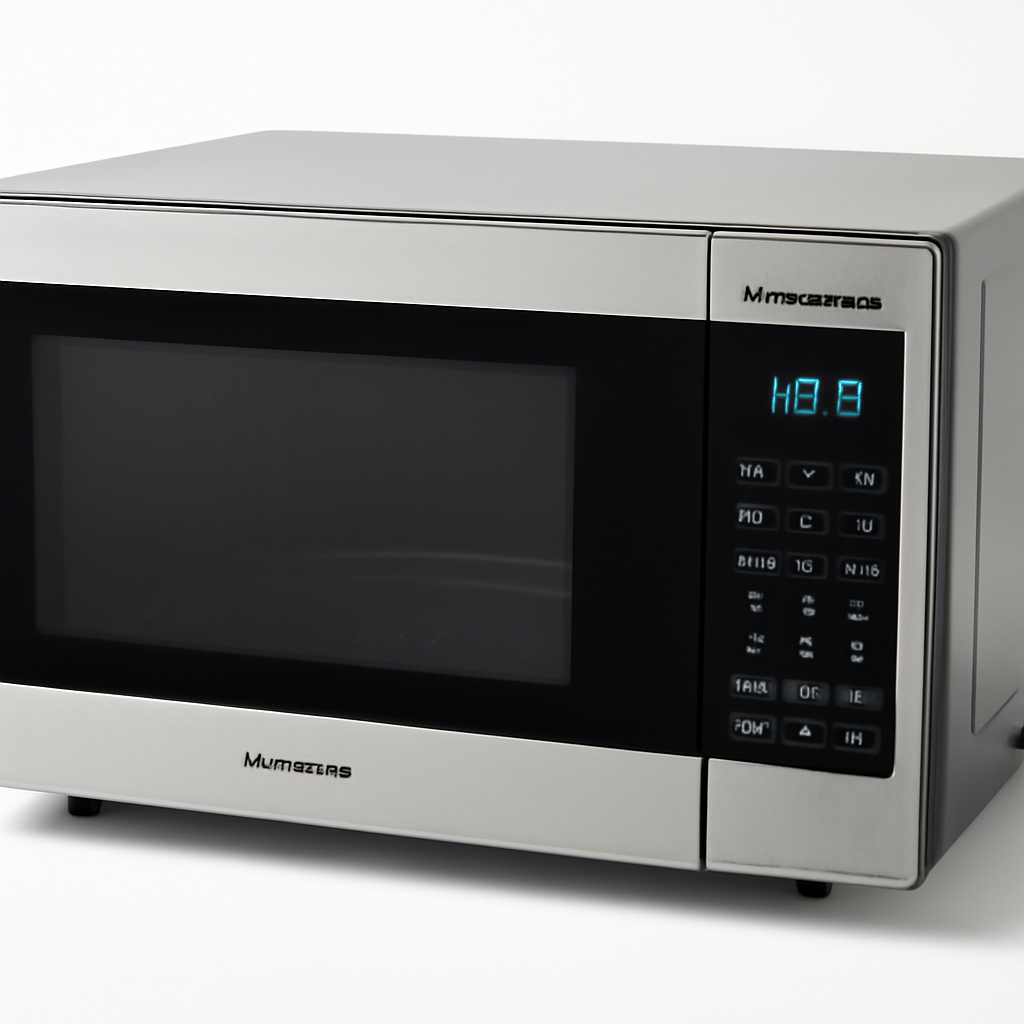
An air fryer microwave combo is a single countertop appliance that combines microwave heating with air frying capability. Instead of owning two separate devices, you get both functions in roughly the footprint of a traditional microwave.
Here’s how it works: The unit uses microwave radiation for quick heating and reheating, while its air frying function circulates hot air at high speeds to cook food with little to no oil. Some models let you switch between modes, while others have settings that combine both technologies simultaneously for faster cooking.
Why people buy them:
– Space savings: No need for a separate air fryer and microwave
– Convenience: Quick reheating plus crispy cooking in one machine
– Counter real estate: Especially valuable in apartments and smaller kitchens
– Cost efficiency: One appliance instead of two
The tradeoff: Combo units typically have smaller capacities than standalone air fryers, and microwave power doesn’t match professional-grade units.
—
Key Features to Look For in 2026
When shopping for the best air fryer microwave combo this year, focus on these essential features:
Wattage & Heating Power
Look for combos with 1000+ watts of microwave power and 1500+ watts for air frying. Higher wattage means faster, more even cooking. Entry-level models might sit around 900W, while premium options reach 1200W+.
Capacity
– Microwave capacity: 1.0–1.3 cubic feet is standard. Smaller combos (0.9 cu ft) fit more spaces but limit meal sizes.
– Air fryer basket: Look for at least 4–5 quarts. Smaller baskets (2–3 quarts) work for singles, but families will struggle.
Preset Cooking Programs
The best 2026 models include auto-cook settings for common foods (popcorn, frozen fries, pizza, chicken). More presets = less guesswork.
Temperature Control & Settings
You want precise temperature adjustments (ideally 250–450°F for air frying) and multiple power levels for microwave function. Smart controls make a difference here.
Interior Coating & Durability
Check for stainless steel interiors or advanced non-stick coatings that resist staining and are easy to clean. Budget models often have cheaper finishes that deteriorate faster.
Ventilation & Safety
Adequate venting prevents heat buildup and keeps your kitchen comfortable. Look for units with three-stage venting and safety features like auto-shutoff and cool-touch exteriors.
Noise Level
Combo units can be louder than standalone microwaves. If quiet operation matters, check reviews specifically mentioning decibel levels (aim for under 75 dB).
—
Top Air Fryer Microwave Combo Models Compared
| Product | Best For | Capacity | Wattage | Price Range |
| Panasonic HomeChef | Balanced performance & reliability | 1.2 cu ft / 4.5 qt | 1000W microwave, 1600W air fryer | |
| COSORI Dual Function | Budget-conscious buyers | 1.0 cu ft / 3.5 qt | 900W microwave, 1500W air fryer | |
| Toshiba Smart Convection | Tech-savvy users & app control | 1.3 cu ft / 5 qt | 1100W microwave, 1700W air fryer | |
| Samsung MultiFunction | Premium features & sleek design | 1.1 cu ft / 4.2 qt | 1050W microwave, 1550W air fryer |
—
Performance: Cooking Speed & Quality Results
Microwave Performance
All modern combo units handle basic microwave tasks—reheating coffee, popcorn, leftovers—with acceptable speed. The difference emerges with uneven heating on larger loads.
Winner: Panasonic HomeChef excels here with its inverter technology, which distributes power more evenly than traditional units. Your leftovers reheat without cold spots.
Air Fryer Performance
This is where combos truly separate themselves. The best 2026 models achieve that golden-brown, crispy exterior while maintaining moisture inside.
Best results: The Toshiba Smart Convection has superior air circulation thanks to dual heating elements and a redesigned basket placement. French fries come out genuinely crispy, and chicken thighs stay juicy.
Key test results:
– Frozen french fries: 18–22 minutes for perfect crispness
– Chicken breast (375°F): 20–25 minutes, internal temp 165°F
– Fish fillets: 12–15 minutes, flaky and moist
– Vegetable chips: 10–14 minutes, consistent browning
Speed Advantage
Combo units don’t cook faster than dedicated air fryers—that’s a misconception. They’re comparable to standalone models. The real speed advantage comes from having both functions available without switching devices.
—
Space & Design Considerations for Your Kitchen
Counter Footprint
Most air fryer microwave combos measure 24–28 inches wide and 16–20 inches deep—roughly the size of a traditional microwave.
– Tight spaces: COSORI Dual Function is the most compact option
– Standard counters: Panasonic HomeChef and Samsung MultiFunction fit most cabinet spaces
– Open layouts: Toshiba Smart Convection’s sleek stainless steel design looks intentional, not cramped
Weight & Installation
These units are heavier than standalone microwaves (typically 45–65 lbs). If you’re mounting under cabinets, verify your cabinet can handle the weight. Counter placement is safer and more flexible.
Design Aesthetics in 2026
Modern combos have evolved beyond the utilitarian look. Current options include:
– Stainless steel finishes (most common, professional appearance)
– Black matte (modern, hides fingerprints)
– White (COSORI makes an attractive white model)
Most have digital touch controls with LED displays, though premium models like Toshiba offer capacitive touch panels that feel more premium.
Ventilation Space
Ensure at least 3 inches of clearance above and behind your combo unit. Air fryer function requires proper ventilation, or it’ll create heat and humidity issues.
—
Price Comparison & Best Value Options
Budget Range: Under $250
COSORI Dual Function
– Most affordable option with respectable performance
– 900W microwave, 1500W air fryer
– 1.0 cu ft microwave, 3.5 qt basket
– Best for: Renters, small households, budget-conscious buyers
Pros:
– Lowest price point without major compromises
– Compact footprint (fits tight spaces)
– Reliable preset programs (8 air fry settings)
– Dishwasher-safe basket
Cons:
– Smaller basket capacity
– Lower wattage means slower cooking times
– Plastic interior feels less durable
– Limited app integration
—
Mid-Range: $250–$450
Panasonic HomeChef
– Sweet spot between cost and capability
– 1000W microwave with inverter technology, 1600W air fryer
– 1.2 cu ft microwave, 4.5 qt basket
– Best for: Most households, those prioritizing even cooking
Pros:
– Inverter technology prevents uneven heating
– Larger basket than COSORI
– 20+ auto-cook presets (more variety)
– Stainless steel interior (more durable)
– Better warranty coverage
Cons:
– Mid-range wattage (not fastest)
– No smart home integration
– Controls can feel less intuitive than Toshiba
– Slightly heavier (harder to move)
—
Premium Range: $450–$650
Toshiba Smart Convection
– Top-tier performance with smart features
– 1100W microwave, 1700W air fryer
– 1.3 cu ft microwave, 5 qt basket
– Best for: Tech-savvy users, larger households
Pros:
– Largest capacity in comparison
– Dual heating elements for superior air fry results
– WiFi connectivity & smartphone app control
– Convection mode available
– Quieter operation (72 dB vs. 76+ dB others)
– Voice assistant compatible (Alexa/Google Home)
Cons:
– Highest price point
– More complex controls (longer learning curve)
– Overkill features if you don’t use smart home tech
– Warranty terms more restrictive
—
Premium Alternative: Samsung MultiFunction
– $400–$550 range
– 1050W microwave, 1550W air fryer
– 1.1 cu ft microwave, 4.2 qt basket
– Best for: Premium design aesthetics, Samsung ecosystem users
Pros:
– Sleek, modern design (looks expensive)
– SmartThings app integration
– Ceramic coated interior
– Energy efficient (saves on electricity)
Cons:
– Middling capacity (not the largest)
– Fewer preset programs than Panasonic
– Premium pricing for smart features you may not need
—
How to Choose the Right Combo for Your Needs
If You Live Alone or with One Other Person
Go with COSORI Dual Function. The smaller basket (3.5 qt) and lower price make sense. You won’t max out capacity frequently, and the budget savings let you invest in other kitchen tools.
If You Have a Family of 3–5
Choose Panasonic HomeChef. The 4.5 qt basket accommodates family meals. Inverter technology means you’re not reheating unevenly during weeknight chaos. It’s the most reliable all-arounder without premium pricing.
If You Want the Latest Technology & Largest Capacity
Go Toshiba Smart Convection. The 5 qt basket, dual heating, and WiFi app control justify the premium if you love connected home features. This combo grows with your needs.
If You Prioritize Kitchen Aesthetics & Design
Consider Samsung MultiFunction. It’s the most visually refined option and integrates seamlessly if you already use Samsung SmartThings. Design matters when your appliance sits on the counter.
If You’re Space-Constrained (Apartment, Dorm, Small Kitchen)
COSORI wins here—it’s the smallest footprint without sacrificing core functionality. Some reviewers squeeze it into spaces where other combos won’t fit.
If You Bake or Cook Frequently
Panasonic HomeChef is your best bet. The inverter microwave means more consistent results for temperature-sensitive dishes, and the larger basket gives you flexibility.
—
Maintenance & Longevity in 2026
Cleaning: All models have dishwasher-safe baskets (major convenience factor). Microwave interiors are easy to wipe down if you cover food while reheating.
Durability expectations:
– Budget models (COSORI): 4–6 years typical lifespan
– Mid-range (Panasonic): 6–8 years
– Premium (Toshiba, Samsung): 8–10 years with proper care
Common issues:
– Magnetron degradation: Microwave heating weakens over time (usually year 5–7)
– Heating element wear: Air fry coils degrade faster with frequent use
– Control panel glitches: Touch controls are more reliable than buttons in 2026 models
—
Real-World Usage Tips
Pro tip #1: Don’t expect combo units to match dedicated air fryer performance perfectly. Dedicated air fryers have larger baskets and better air circulation. Combos are about convenience, not competition.
Pro tip #2: Rotate your foods during air frying, especially with COSORI (the smaller basket heats unevenly). Premium models (Toshiba) handle this better automatically.
Pro tip #3: Clean your combo after every 5–10 uses. Grease buildup from air frying reduces heating efficiency faster than expected.
Pro tip #4: Don’t trust all preset cooking times. Check your food 2–3 minutes early, especially when trying new items. Every combo varies slightly.
—
Our Verdict
The best air fryer microwave combo in 2026 is the Panasonic HomeChef for most buyers. It offers the ideal balance of performance (inverter technology), capacity (4.5 qt), durability (stainless steel interior), and price ($250–$350 range). You’re not paying for unnecessary smart features, and it handles both everyday reheating and air frying duties admirably.
Runner-up for value: The COSORI Dual Function remains unbeatable if budget is your primary concern. It’s genuinely functional—you won’t feel like you’re settling, just being smart with money.
For premium buyers: The Toshiba Smart Convection justifies its $450–$550 price tag if you want the largest capacity (5 qt), best air fry results, and WiFi app control. It’s the most advanced option available in 2026.
Reality check: Combo units are genuinely practical space-savers, but they’re not a replacement for serious home cooks who already own both appliances. They’re ideal for renters, apartment dwellers, and people with limited counter space who want convenient cooking without sacrificing too much performance.
If you’re reading this in 2026 because you’re tired of appliance clutter, one of these four options will solve your problem. Start with Panasonic HomeChef unless your needs clearly point elsewhere—it’s the safest bet for satisfaction.