Quick Answer
If you’re hitting the trail and want reliable hydration without constantly reaching for a water bottle, a hiking backpack with an integrated water bladder is a game-changer. The best options combine a comfortable fit, durable construction, and a quality hydration system that keeps water accessible and your hands free. For most day hikes, look for packs in the 20-30L range with a 2-3L bladder capacity. We’ll walk you through everything you need to know to find the right pack for your hiking style.
—
What to Look for in a Hiking Backpack with Water Bladder
Before you buy, understand what separates a good hiking pack from a great one—especially when hydration is built in.
Bladder Capacity and Pack Volume
The water bladder capacity works hand-in-hand with overall pack size. A 2-liter bladder fits comfortably in most day-hiking packs (20-30L), while weekend trips might call for a 3-liter bladder in a larger 30-40L pack.
Here’s the key: your total pack volume should leave room for other gear even with a full bladder inside. A pack that feels cramped with water leaves no space for layers, snacks, or a first aid kit.
Hydration System Accessibility
You want to sip water without removing your backpack. Look for:
– Tube routing sleeves that keep the drinking tube from flapping around
– Shoulder strap attachment points so the tube sits where your mouth naturally reaches it
– Easy refill access – ideally a wide mouth opening on the bladder for quick water fills and ice addition
– Quick-disconnect features that let you remove the bladder for cleaning or refilling without removing the pack
Back Panel and Suspension System
Even the best hydration system won’t help if the pack slides around or digs into your back. A quality suspension system includes:
– Padded shoulder straps that distribute weight evenly
– Breathable back panel (usually mesh or foam) to prevent sweat buildup
– Adjustable torso length to match your specific frame
– Hip belt to transfer weight from shoulders to hips, especially important on longer hikes
Material Quality and Weather Protection
You’re carrying water—sometimes in less-than-ideal conditions. Check for:
– Water-resistant or waterproof fabric (500D+ denier nylon with coatings)
– Sealed seams or taped stitching to prevent water entry
– Hydrophobic zippers designed to shed moisture
– Reinforced stress points at attachment hardware
—
Top-Rated Hiking Backpacks with Integrated Water Bladders
Let’s look at specific packs that nail the hydration-plus-comfort formula.
CamelBak M.U.L.E.
The CamelBak M.U.L.E. is the gold standard for hiking packs with water bladders. It comes with a 3-liter Crux bladder (CamelBak’s own reliable design) and features excellent tube routing that keeps the bite valve right where you need it.
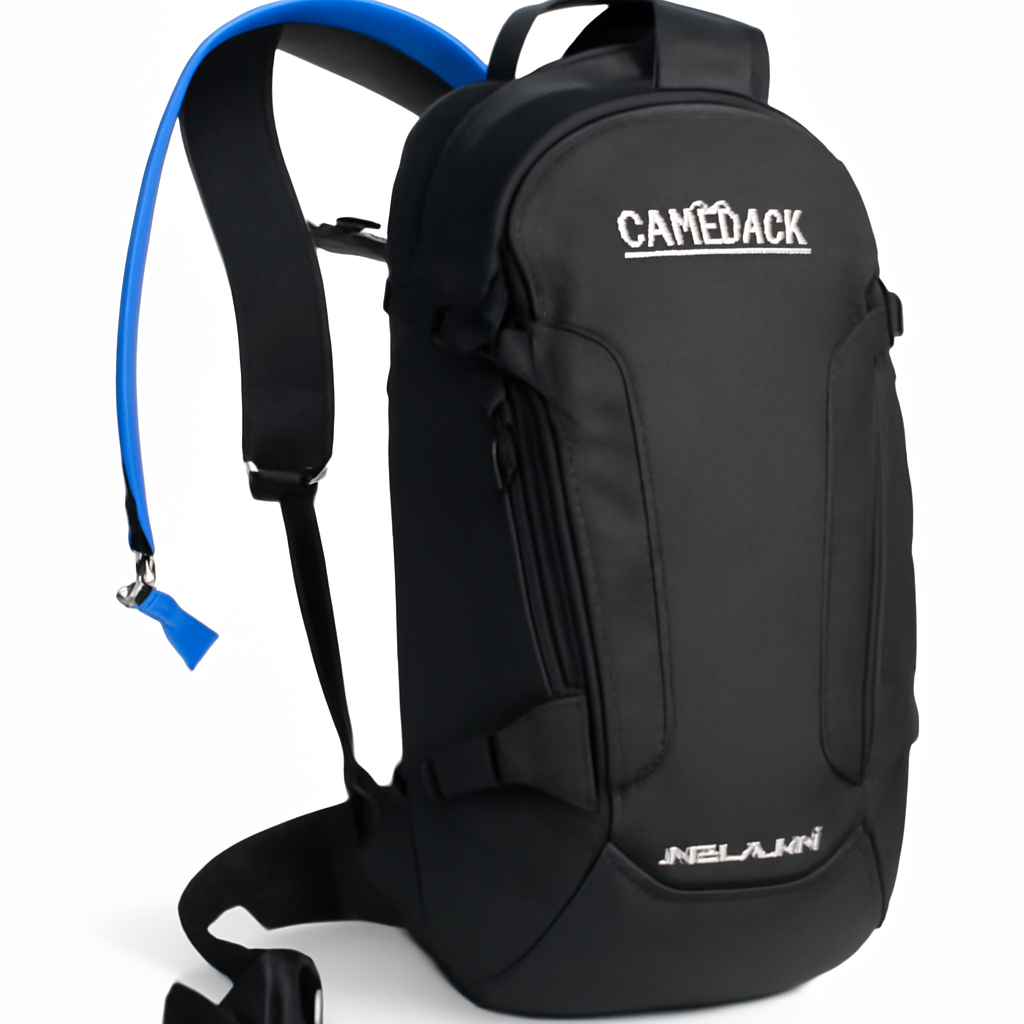
Best for: Day hikes and trail running
Hydration capacity: 3L bladder included
Pack volume: 20L
Key feature: The integrated Crux system is intuitive—easy to fill, easy to clean, and the bite valve doesn’t leak.
Pros:
– Incredibly durable—CamelBak has been perfecting this for years
– Superior comfort for longer hikes
– The bladder and tube system are top-tier quality
– Well-organized compartments despite modest size
Cons:
– Carries premium pricing
– 20L may feel tight if you pack heavy or take multiday trips
– The shoulder straps can take a few hikes to break in comfortably
Osprey Manta AG
Osprey Manta AG backpacks come in 24L and 28L sizes, each designed with a dedicated hydration compartment and front-access bladder pocket. Osprey includes their own internal bladder in many models.
Best for: All-day hikes, mixed terrain
Hydration capacity: 2.5-3L (depending on size)
Pack volume: 24L or 28L
Key feature: The Anti-Gravity suspension system distributes weight beautifully, and the pack sits high on your back for better balance.
Pros:
– Exceptional ergonomic design
– Lifetime warranty (even on used packs)
– Great ventilation on the back panel
– Compartments are intuitive and well-designed
Cons:
– Mid-to-premium price range
– The smaller sizes (24L) feel snug for longer trips
– Some users find the warranty claim process lengthy
Deuter Speed Lite
The Deuter Speed Lite series comes in multiple sizes (16L, 21L, 25L) and integrates a 3-liter hydration bladder pocket with exceptional attention to detail.
Best for: Lighter hiking, trail runners, minimalists
Hydration capacity: 3L bladder compatible
Pack volume: 16L-25L depending on model
Key feature: Deuter’s Aircomfort Flex system keeps the pack close to your body without the stiff rigidity of older suspension designs.
Pros:
– Ultralight construction without sacrificing comfort
– German engineering means attention to detail
– The blade compartment is genuinely user-friendly
– Good value for the quality
Cons:
– Smaller sizes limit what you can carry
– The ultralight material, while durable, can feel less robust than CamelBak
– Limited color options in some sizes
Gregory Citro 30
Gregory Citro 30 is built for day hikers who want room to grow their gear collection. The 30L capacity includes a dedicated 2.5-liter hydration reservoir pocket on the interior.
Best for: Full-day hikes, casual backpacking, varied terrain
Hydration capacity: 2.5L bladder pocket
Pack volume: 30L
Key feature: The pack uses Gregory’s Closefit hipbelt system, which adjusts to different body types with surprising precision.
Pros:
– Extra 10L capacity vs. smaller packs gives genuine flexibility
– Hip belt removes pressure from shoulders on longer days
– Excellent price-to-quality ratio
– Durable, understated design that lasts years
Cons:
– Slightly heavier than ultralightweight competitors
– 30L can feel excessive for short hikes
– The hydration bladder is an add-on (not always included)
—
Capacity Guide: Choosing the Right Size for Your Needs
Pack size isn’t just about how much water you’re carrying—it’s about your entire load.
Day Hikes (Under 4 Hours)
Ideal range: 15-25L packs
Bladder size: 2-2.5L
You’re carrying water, snacks, a layer, and maybe a camera. These smaller packs keep weight minimal while staying comfortable. A 2-liter bladder covers most hikers’ hydration needs for a single day.
Half-Day to Full-Day Hikes (4-8 Hours)
Ideal range: 20-30L packs
Bladder size: 2.5-3L
This is the sweet spot for most recreational hikers. You want room for extra layers, a proper lunch, and the three-liter bladder gives you genuine freedom—refill once at the halfway point, or push through with careful sipping.
Weekend Trips and Backpacking
Ideal range: 30-50L packs
Bladder size: 3L (plus extra water storage bottles)
Overnight trips need more volume for sleeping gear and extra clothing. Note: many larger backpacking packs don’t come with integrated bladders—you’re usually adding one yourself.
Pro tip: Measure your torso length (from the base of your neck to your hip bones) before buying. A pack that fits one person may not fit another, even at the same nominal size. Most quality brands offer size guides based on torso length, not just age or gender.
—
Hydration System Features That Matter Most
The water bladder itself matters as much as the pack it sits in.
Bite Valve Quality
A good bite valve should be:
– Leak-free when closed (nothing worse than discovering water pooled at the bottom of your pack)
– Easy to access with your mouth while hiking
– Cleanable – many valves have a removable cap that slides off for washing
CamelBak’s Crux system and similar competitor designs allow the valve to float in a pouch, preventing it from dragging in dirt when you’re not drinking.
Bladder Material and Durability
Most modern bladders use:
– BPA-free plastic (basically the industry standard now)
– Thick-walled construction that resists punctures and degradation
– Welded seams rather than glued seams for better longevity
Budget bladders often fail at the seams after 18-24 months of regular use. Premium bladders (especially CamelBak, Osprey, and Deuter options) typically last 3-5 years.
Refill Convenience
The wide-mouth opening makes a huge difference. Some bladders still use small openings that require you to use a small funnel or carefully angle water entry. Modern designs have openings wide enough for a standard water bottle spout or even small ice cubes.
Cleaning Access
A quality hydration system includes either:
– A removable top cap for access to the interior
– An opening wide enough for cleaning brushes (most brands include a small brush)
– Dishwasher-safe components (many newer ones are)
Regular cleaning prevents mold and funky-tasting water.
—
Comfort and Fit: Finding Your Perfect Backpack
A hydration pack is worthless if it’s agony to wear.
Torso Length Matters (More Than You’d Think)
Backpack sizing isn’t arbitrary. A pack with the wrong torso length creates dead zones where the pack doesn’t touch your back, leading to weight shifting and shoulder strain.
Most manufacturers offer these sizes:
– Extra Small (XS): torso length 40-45cm
– Small (S): 45-50cm
– Medium (M): 50-55cm
– Large (L): 55-60cm
– Extra Large (XL): 60+cm
If you’re between sizes, the general rule is: go smaller if the pack rides too high, larger if it sits too low.
Hip Belt Functionality
Even on day hikes, a hip belt that actually works transfers 20-30% of weight from your shoulders to your hips. This is huge over 6+ hours of hiking. Make sure:
– The belt wraps snugly around your hip bones (not your waist)
– It has some padding
– It stays put when you’re walking
Shoulder Strap Padding and Shape
Straps should be:
– Shaped to follow your shoulder contour (not just flat strips)
– Thick enough to distribute pressure (usually 8-12mm of padding)
– Positioned to avoid your neck (they should sit along the outside of your shoulders, not across your collarbone)
—
Durability and Weather Resistance Comparison
You’ll be using this pack in varying conditions. Here’s what to expect from different price tiers.
Budget Options ($60-$120)
What to expect:
– Basic water resistance (the fabric sheds water, but seams may not be sealed)
– Hydration bladders prone to leaks after 12-18 months
– Comfortable enough for casual hikes
– Stitching holds up, but not under heavy load for extended trips
Best if: You hike occasionally and want low risk investment.
Mid-Range Options ($120-$200)
What to expect:
– Sealed seams and proper water-resistant coatings
– Quality bladders that last 2-4 years
– Thoughtful suspension systems that feel premium
– Stands up to frequent use
Best if: You hike regularly (monthly or more) and want reliability.
Premium Options ($200+)
What to expect:
– Industry-leading materials (Dyneema fabric, for example)
– Warranty coverage and customer service
– Bladder systems with intuitive design refinements
– Feels refined after 100+ hours of use
Best if: You hike frequently, take longer trips, or want gear that lasts a decade.
—
Budget-Friendly vs. Premium Options: Best Value in 2026
Let’s break down the cost-to-benefit curve:
Best Budget Pick: Deuter Speed Lite
Deuter doesn’t skimp even on lower-priced models. The Speed Lite series offers solid construction, excellent hydration integration, and German build quality at mid-range pricing. You get 80% of the premium experience at 60% of the cost.
Price range:
Value verdict: Best bang-for-buck if you hike 2-4 times monthly.
Best Mid-Range Pick: Gregory Citro 30
Gregory offers impressive versatility and comfort at prices below premium brands. The Citro 30 scales well from day hikes to light backpacking and includes excellent suspension tuning.
Price range:
Value verdict: Sweet spot for growing outdoor enthusiasts.
Best Premium Pick: CamelBak M.U.L.E.
The highest price reflects years of hydration system refinement. If you hike frequently and prioritize comfort on long days, the investment pays for itself in durability and water access convenience.
Price range:
Value verdict: Best overall if budget allows.
—
Feature Comparison Table
| Product | Best For | Price Range | Capacity | Bladder Size | Weight |
| CamelBak M.U.L.E. | Serious day hikers, trail running | $130-$160 | 20L | 3L included | ~1.5 lbs |
| Osprey Manta AG | All-day mixed terrain | $140-$170 | 24L/28L | 2.5-3L | ~1.7-1.9 lbs |
| Deuter Speed Lite | Ultralight hikers, minimalists | $90-$140 | 16L/21L/25L | 3L compatible | ~1.2-1.4 lbs |
| Gregory Citro 30 | Day and light backpacking | $110-$150 | 30L | 2.5L pocket | ~1.9 lbs |
—
Our Verdict
If you hike regularly and want reliable hydration without overthinking it, get the CamelBak M.U.L.E.. It’s the industry standard for a reason—the hydration system just works, the comfort scales to 8+ hour days, and you’re buying confidence.
If budget matters or you prefer ultralight setups, the Deuter Speed Lite delivers 90% of the experience for significantly less money. You’ll notice the lighter weight on longer days, and the hydration pocket is genuinely intuitive.
If you want maximum versatility and don’t mind mid-range pricing, the Gregory Citro 30 gives you room to grow your gear collection and scales from day hikes to light overnights.
The worst choice? Waiting too long or overthinking it. Any of these four options will serve you faithfully for years. Focus on fit (torso length matters), hydration convenience (wide-mouth opening and easy tube access), and comfort on your longest planned hike. That’s the real test.
Happy trails—and stay hydrated.