Quick Answer
If you just want the best recommendation: Dr. Elsey’s Precious Cat Pro delivers superior odor control and low dust for most cat owners. Budget-conscious? Arm & Hammer Clump & Seal offers excellent value. Want eco-friendly? Okocat Natural Wood Pellets is your answer. The right litter depends on your cat’s preference, your home’s odor needs, and your budget—and we’ll break down all of it below.
—
Types of Kitty Litter: Which Is Right for Your Cat?
Before diving into specific products, let’s talk categories. Not all kitty litter is created equal, and what works for your neighbor’s cat might be a hard pass for yours.
Clay-Based Litter
Clay litter is the traditional standard most cat owners grew up with. It’s affordable, widely available, and comes in clumping and non-clumping varieties. Clay absorbs moisture quickly and is easy to scoop. The downsides? It creates dust (which isn’t great for your respiratory health or your cat’s lungs), and it’s heavy to haul from the store.
Silica Gel Litter
Silica gel litters absorb liquid and odor incredibly well and produce minimal dust. They’re long-lasting—you’ll change the box less frequently. However, they’re pricier than clay, and some cats find the texture off-putting. Also, while dust-free, the crystals can track around your home more easily.
Plant-Based & Natural Litter
These include wood, corn, wheat, pine, and paper-based options. They’re renewable, biodegradable, and often gentler on cats’ paws. Natural litters typically have less dust than clay and control odor through absorption and natural antimicrobial properties. The trade-off is higher cost and sometimes inconsistent clumping compared to clay.
Pellet Litter
Made from compressed wood, pine, or recycled paper, pellet litter is eco-friendly and often the lightest option to carry. Pellets break down when wet, creating dust-like particles at the bottom of the box. Some cats prefer this texture; others don’t.
—
Top Kitty Litter Brands Reviewed
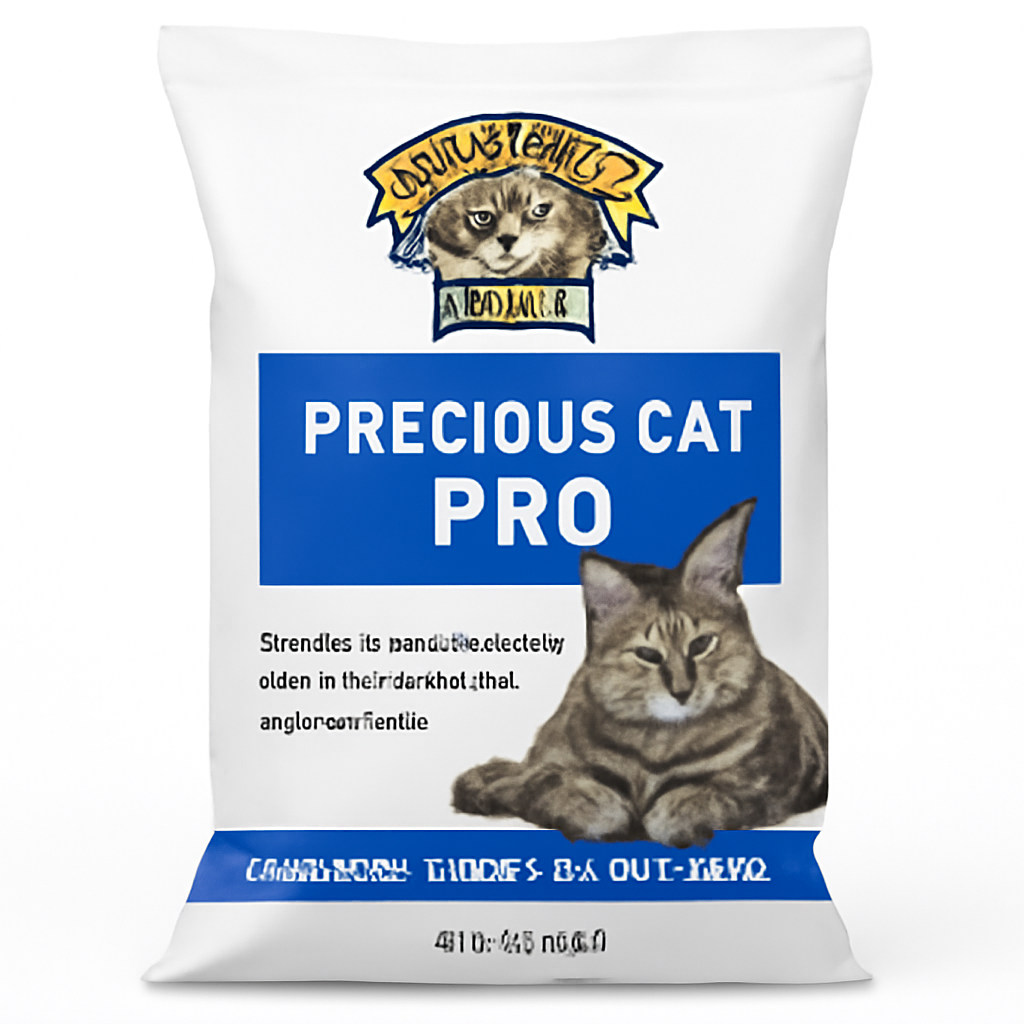
Dr. Elsey’s Precious Cat Pro
Best for: Odor control and low dust
Dr. Elsey’s has become a favorite among veterinarians and cat owners dealing with odor issues. This is a clay-based clumping litter made from naturally sourced clay with added activated carbon for superior odor neutralization.
Pros:
– Excellent odor control lasts longer than most competitors
– Ultra-low dust formula (99.9% dust-free)
– Clumps firmly for easy scooping
– Hypoallergenic and designed for sensitive cats
– Available at most major retailers
Cons:
– Slightly pricier than standard clay litters
– Heavy like traditional clay (not ideal if you have mobility issues)
– Some cats take time to transition to it
Who it works for: Multi-cat households, owners sensitive to dust, anyone prioritizing odor control over price.
—
Arm & Hammer Clump & Seal
Best for: Budget-conscious buyers
Arm & Hammer brings their baking soda expertise to cat litter. This clay-based clumping litter uses baking soda as a natural deodorizer rather than chemical fragrances.
Pros:
– Excellent value for the price
– Baking soda naturally neutralizes odors
– Clumps well for easy scooping
– Widely available in bulk options
– Works for multi-cat homes
Cons:
– More dust than premium options
– Heavier than plant-based alternatives
– Some cats find baking soda scent off-putting
Who it works for: Budget-focused households, cats that like traditional litter, anyone buying in bulk.
—
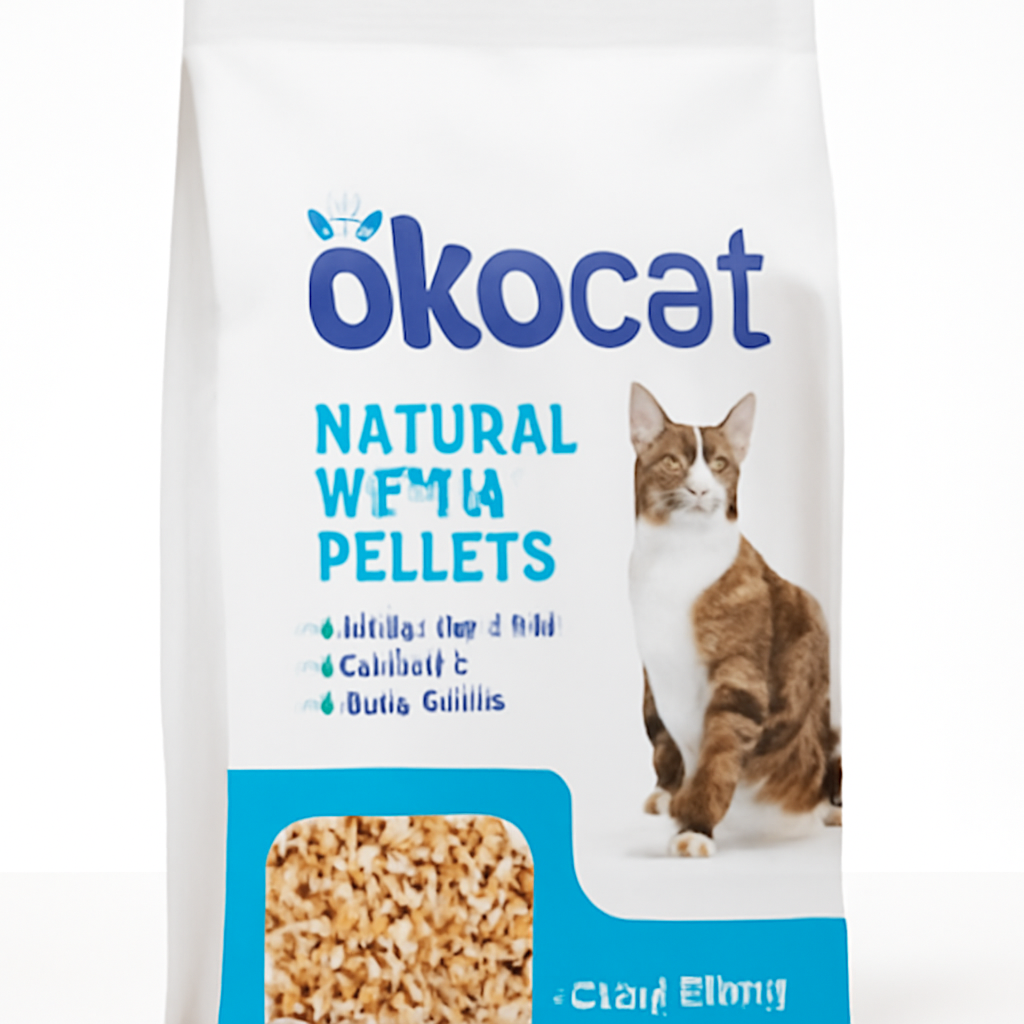
Okocat Natural Wood Pellets
Best for: Eco-conscious cat owners
Okocat uses reclaimed lumber and sustainably harvested wood to create biodegradable pellet litter. It’s among the most environmentally responsible options without sacrificing performance.
Pros:
– 100% biodegradable and compostable
– Naturally absorbent and odor-controlling
– Very low dust
– Lightweight and easy to carry
– Sustainable sourcing
Cons:
– Pellets break down into sawdust-like particles
– Some cats dislike the texture initially
– Pricier than clay options
– Requires litter box liners or more frequent cleaning
Who it works for: Environmental advocates, owners with dust sensitivity, lighter-duty single-cat homes.
—
Precious Cat Dr. Elsey’s Ultra
Best for: Cats with respiratory sensitivities
This premium variant of Dr. Elsey’s focuses on eliminating dust and harsh chemicals. It’s made without dyes, perfumes, or additives.
Pros:
– 99.9% dust-free (lab tested)
– Hypoallergenic and vet-approved
– Works well for asthmatic cats
– Superior clumping
– Fragrance-free but odor-controlling
Cons:
– Higher price point than standard litters
– Heavy (clay-based)
– Might be overkill for cats without sensitivities
Who it works for: Cats with allergies or asthma, owners with respiratory issues, anyone wanting the safest possible litter.
—
Clumping vs. Non-Clumping: Performance Comparison
This is one of the biggest decisions you’ll make, so let’s break it down clearly.
| Factor | Clumping | Non-Clumping |
| Odor Control | Superior (moisture isolated) | Adequate (if changed frequently) |
| Ease of Scooping | Very easy—clumps lift away | Difficult; stirs up dust |
| Cost | Higher initially | Lower cost |
| How Often to Change | 2-3 weeks (scoop daily) | Weekly or twice weekly |
| Dust Level | Varies by brand | Usually higher |
| Best For | Most modern cat owners | Budget buyers, non-traditional setups |
Bottom line: Clumping litter is worth the premium. It’s easier to maintain, provides better odor control, and most cats prefer it. Non-clumping is cheaper upfront but costs more in labor and litter volume over time.
—
Best Kitty Litter for Odor Control
Odor is the #1 complaint among cat owners. Here’s what actually works:
Activated Carbon Litters
Products like Dr. Elsey’s Precious Cat Pro use activated carbon specifically designed to trap odor molecules. This is one of the most effective odor-fighting ingredients available.
Baking Soda-Based Formulas
Arm & Hammer Clump & Seal proves that baking soda is a legitimate odor fighter. Unlike perfumes that mask smells, baking soda chemically neutralizes them.
Plant-Based Odor Control
Wood and pine-based litters contain natural aromatic compounds that fight odor. They’re less effective than chemical options but smell fresher naturally.
Litter Box Management Matters
Even the best litter can’t overcome poor maintenance:
– Scoop daily (twice for multi-cat homes)
– Use a deodorizing spray between changes
– Change litter completely every 2-3 weeks
– Ensure proper box size (box should be 1.5x your cat’s length)
– Add baking soda to the bottom of a fresh box for an odor barrier
—
Eco-Friendly & Natural Kitty Litter Options
If you care about the planet, here are your best bets:
Wood-Based Pellets
Okocat Natural Wood Pellets represent the gold standard. They’re made from reclaimed wood, fully biodegradable, and compostable. The downside is that they require adjustment for many cats.
Corn & Wheat Litters
Brands using corn or wheat kernels are renewable and biodegradable. They clump well and are softer on paws than clay or wood. However, they’re more expensive and can attract insects if not stored properly.
Paper-Based Litter
Recycled paper litters are dust-free, soft, and biodegradable. They’re excellent for sensitive cats but don’t clump as firmly as clay, requiring more frequent changes.
Pine Pellets
Pine is natural, absorbent, and has antimicrobial properties. However, pellets create sawdust when wet, which some cats and owners find problematic.
Eco-conscious buying tip: Even if you choose a non-traditional litter, you’re helping the environment. Mainstream clay mining is resource-intensive, and most clay litter ends up in landfills.
—
How to Choose the Best Kitty Litter for Your Budget
Your budget doesn’t have to limit your options—just match expectations to spend.
Under $15/Month (Budget-Focused)
Best option: Arm & Hammer Clump & Seal
Buy in bulk from warehouse clubs or Amazon Subscribe & Save. You’ll pay roughly $0.50-$0.75 per pound. It works reliably and controls odors better than no-name brands.
$15-$30/Month (Mid-Range)
Best option: Dr. Elsey’s Precious Cat Pro
Premium performance without breaking the bank. The superior odor control and low dust justify the extra $5-$10 monthly.
$30-$50/Month (Premium)
Best option: Okocat Natural Wood Pellets or Dr. Elsey’s Ultra
You’re prioritizing either environmental impact or maximum health benefits. These litters cost more but deliver on their specific promises.
Cost-Saving Strategies:
– Subscribe online: Amazon Subscribe & Save saves 5-20%
– Buy in bulk: Warehouse clubs offer significant per-pound savings
– Mix litters: Combine premium litter (top layer) with budget litter (bottom) for cost efficiency
– Use liners: Reduce waste and litter needed per change
– Invest in a good scoop: Prevents over-scooping and wasting litter
—
Where to Buy Kitty Litter: Online vs. In-Store
Online (Amazon, Chewy, Brand Websites)
Pros:
– Subscribe & Save discounts (5-20% off)
– Free shipping at certain thresholds
– Wider selection of specialty litters
– Home delivery eliminates hauling heavy bags
– Price comparison is easy
Cons:
– Subscription can be forgotten (watch your bills)
– Delivery times vary
– Can’t inspect product before buying
– Environmental cost of shipping
Best for: Regular buyers, bulk purchases, specialty litters
In-Store (Walmart, Target, PetSmart, Petco)
Pros:
– Immediate availability (no waiting)
– Can inspect and compare in person
– Sales and promotions visible
– No packaging waste from shipping
– Easy returns
Cons:
– Limited selection of specialty brands
– Usually more expensive per pound
– Heavy to carry (unless they deliver)
– Less convenient than home delivery
Best for: Last-minute purchases, trying new litters first, local delivery options
—
Top Picks at a Glance
| Product | Best For | Price Range |
| Dr. Elsey’s Precious Cat Pro | Odor control, low dust | |
| Arm & Hammer Clump & Seal | Budget buyers, value | |
| Okocat Natural Wood Pellets | Eco-conscious owners | |
| Dr. Elsey’s Ultra | Respiratory sensitivities |
—
Common Kitty Litter Questions Answered
Is clumping litter safe for kittens?
Most clumping litters are safe for kittens over 8 weeks old. Avoid dusty formulas, and switch to non-clumping if your kitten has digestive issues from ingestion.
Can I flush kitty litter?
No—never flush traditional clay or clumping litter. It causes plumbing problems and damages water treatment facilities. Some “flushable” plant-based litters exist, but most vets recommend disposal in the trash instead.
Why did my cat suddenly reject the litter?
Changes in litter, box placement, or box cleanliness are common culprits. Cats are creatures of habit. If switching brands, gradually mix the new litter with the old over 7-10 days. Rule out medical issues (UTI, intestinal problems) if rejection persists.
How much litter do I need per box?
Fill boxes to 2-4 inches depth. More litter doesn’t mean better odor control—it just wastes product. Most boxes need one scoop per day to stay fresh.
Is lightweight litter worth the premium?
If you struggle carrying heavy bags, yes. Plant-based and pellet litters are 30-50% lighter than clay. The premium is worth it for accessibility and reduced strain.
—
Our Verdict
For most cat owners in 2026, Dr. Elsey’s Precious Cat Pro is the best overall choice. It balances odor control, dust reduction, clumping performance, and reasonable pricing. The 99.9% dust-free formula means cleaner air for you and your cat, and the activated carbon actually works.
If budget is your primary concern, Arm & Hammer Clump & Seal delivers excellent value. You won’t get the premium dust reduction or exotic features, but odor control is solid and you’ll save significantly over premium brands.
If you’re environmentally conscious, invest in Okocat Natural Wood Pellets. Yes, there’s a learning curve as your cat adjusts to the texture, but the sustainability factor and low dust make it worth the transition period.
The real takeaway: The “best” litter is the one your cat actually uses and you’ll consistently maintain. A premium litter that costs so much you skip scooping days won’t outperform a mid-range option you change religiously. Start with one of our top picks, give it 2-3 weeks for your cat to adjust, and monitor performance. If odor, dust, or cost becomes an issue, pivot to a different category.
Your cat’s box habits tell the story. Pay attention, scoop daily, and you’ll find the perfect match.