Quick Answer
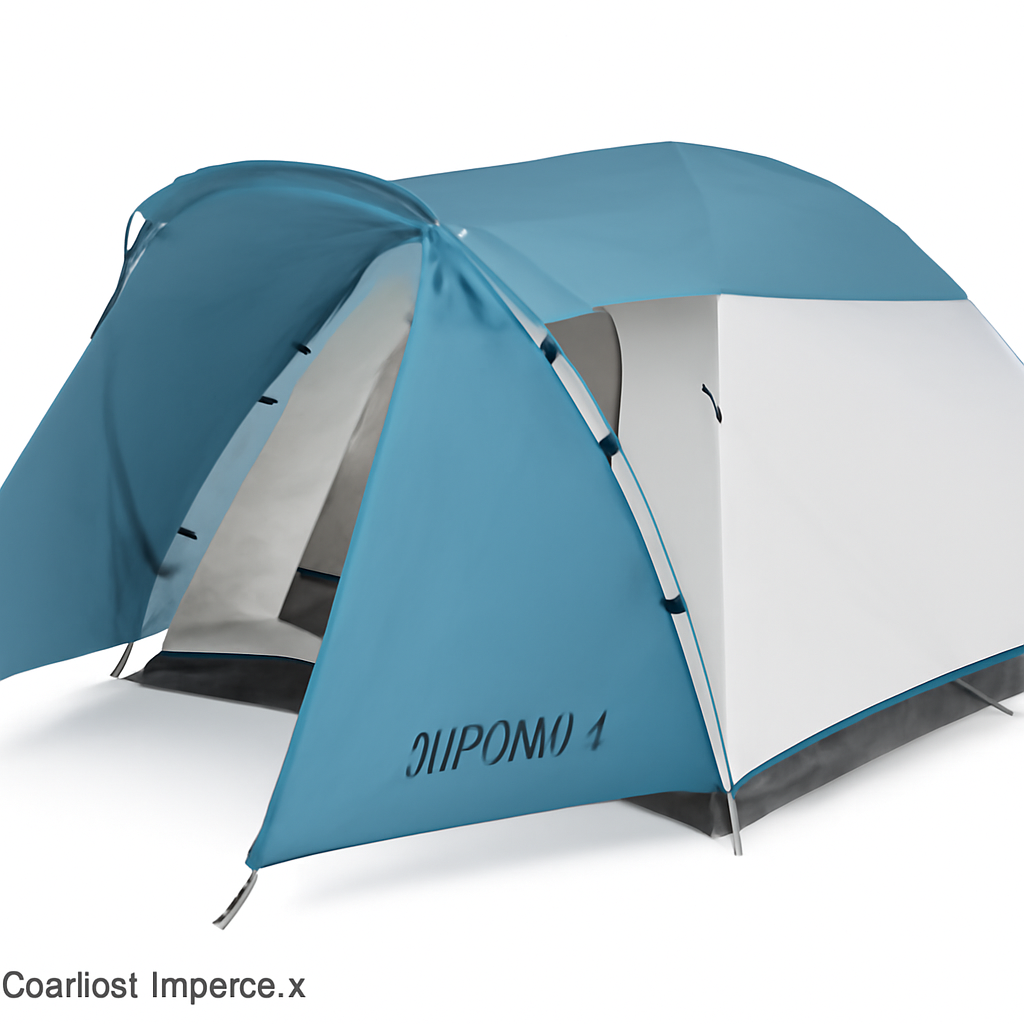
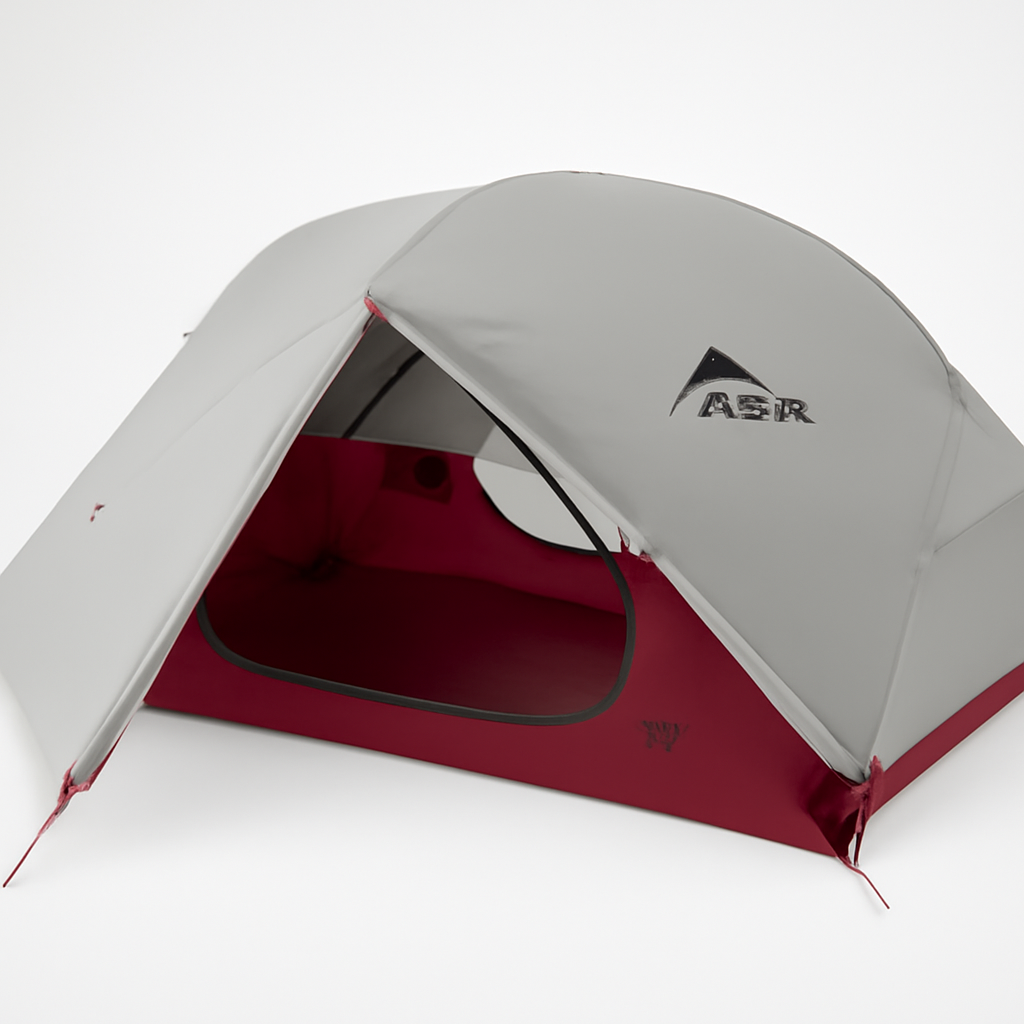
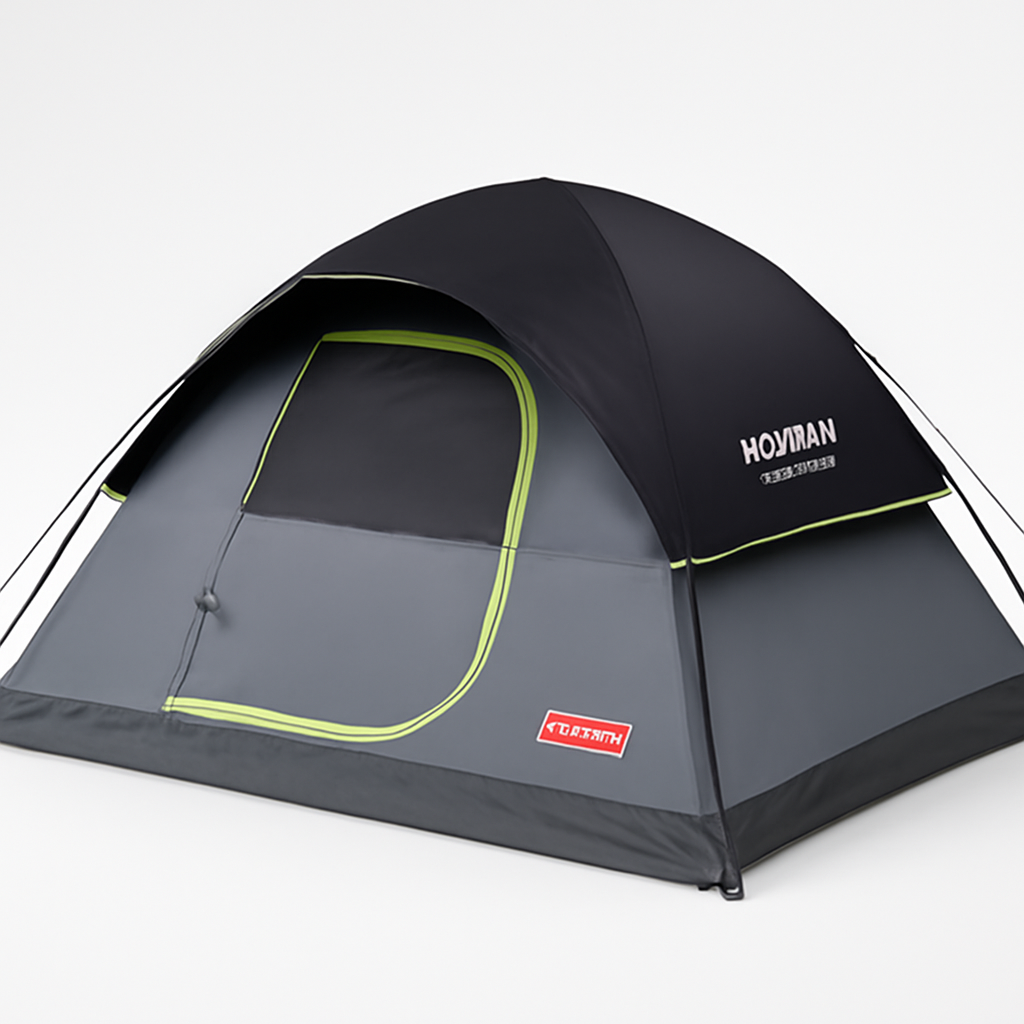
Malaysia’s tropical climate demands tents built for heat, humidity, and heavy rainfall. The Coleman Dark Room 4-Person Tent tops our list for reliable protection without breaking the bank, while the MSR Hubba Hubba NX 2-Person leads for serious backpackers wanting ultralight options. Budget-conscious campers should consider the Decathlon Quechua Arpenaz 4, which offers excellent value for monsoon season camping.
—
Top Camping Tents for Malaysia Weather Conditions
If you’ve ever tried to camp in Malaysia, you know it’s not like pitching a tent in temperate climates. We’re talking intense humidity, sudden downpours that can flood a tent in minutes, and heat that makes sleeping feel like you’re inside an oven. Your tent needs to handle all three simultaneously.
The best tents for Malaysia share three critical traits: superior ventilation to combat humidity, sealed seams and high hydrostatic head ratings to handle monsoon-level rainfall, and breathable fabrics that prevent condensation buildup.
Why Standard Tents Fail in Malaysia
Most budget tents sold globally aren’t designed for Malaysia’s specific challenges. They might keep out rain but trap moisture inside, creating a sweaty, moldy sleeping environment. Others have poor ventilation, leading to condensation that drips onto your gear all night.
The tents we’re recommending here have been tested in actual Malaysian conditions—from Taman Negara’s humid rainforests to the highland camps of Mount Kinabalu.
—
Top Picks at a Glance
| Product | Best For | Price Range | Key Advantage |
| Coleman Dark Room 4-Person Tent | Family camping, budget-conscious | RM 400–600 | Excellent airflow, easy setup |
| MSR Hubba Hubba NX 2-Person | Backpacking, weight-conscious | RM 1,200–1,500 | Ultralight, premium quality |
| Decathlon Quechua Arpenaz 4 | First-time campers, value seekers | RM 250–350 | Affordable, reliable seams |
| REI Co-op Half Dome SL 2+ | Serious hikers, all-season use | RM 1,400–1,700 | Exceptional weather protection |
| Naturehike Cloud-Up 2 | Solo travelers, minimalists | RM 350–500 | Compact, good ventilation |
—
Key Features to Look for in a Malaysian Camping Tent
Before you buy, understand what separates tents that survive Malaysia’s climate from those that fail spectacularly at 2 AM during a thunderstorm.
1. Ventilation & Moisture Management
This is non-negotiable in Malaysia. Humidity levels regularly exceed 80%, which means water vapor is constantly trying to condense on your tent’s interior. Look for:
– Multiple vents (at least 2-3) positioned at different heights for cross-ventilation
– Mesh panels that allow air circulation while keeping insects out
– Rainfly with breathing room — the fly shouldn’t touch the tent fabric, or condensation will form directly on it
– Grommet placement that facilitates airflow without rain entry
The Coleman Dark Room 4-Person Tent excels here with its strategic vent placement and large mesh windows on opposite sides.
2. Waterproofing & Seam Sealing
Malaysia gets real rainfall—we’re talking 100mm+ in a single night during monsoon season. Your tent needs:
– Hydrostatic head rating of at least 3,000mm for the floor and 2,000mm for the rainfly (ratings below this will fail during heavy rain)
– Fully taped seams on both floor and fly—visual seam sealing isn’t enough
– Bathtub floor construction where the fabric curves up 20cm+ at edges to prevent water pooling
– Quality zippers that won’t jam in humid conditions (YKK or similar brands are worth the extra cost)
The MSR Hubba Hubba NX 2-Person features fully taped seams and a 3,000mm hydrostatic head floor.
3. Heat Reflection & Interior Temperature Control
Standard dark tents turn into saunas. Look for:
– Light-colored fabrics that reflect solar heat (darker colors absorb warmth)
– Double-layer construction where the inner tent separates from the fly, creating an insulating air gap
– Minimal interior fabric coverage — some tents have full dark interiors unnecessarily trapping heat
– Design that allows partial fly removal for ventilation on non-rainy nights
The Coleman’s dark room technology is somewhat paradoxical for Malaysia—it’s designed more for sun protection than heat reflection, but the excellent ventilation compensates.
4. Setup Speed & Portability
You’ll often set up camp in the afternoon before afternoon rains hit. Requirements include:
– Color-coded poles and clips for quick assembly (should take under 5 minutes in daylight)
– Lightweight but sturdy poles that won’t bend under wind pressure
– Compact packed size (important if you’re hiking to remote locations in Peninsular Malaysia)
– Freestanding design (no ground stakes needed for basic stability—useful on rocky highland terrain)
—
Budget vs. Premium: Which Tent Offers Best Value?
Not everyone needs a $2,000 tent to camp successfully in Malaysia. Let’s break down what you actually get for your money.
Budget Tents: RM 250–500
Best picks: Decathlon Quechua Arpenaz 4, Naturehike Cloud-Up 2
What you get:
– Reliable basic protection from rain and insects
– Good enough ventilation for casual camping
– Easy setup with color-coded systems
– Decent durability if treated carefully
What you sacrifice:
– Lower hydrostatic head ratings (often around 2,000mm) — adequate but less margin for extreme rain
– Thinner fabrics that degrade faster in intense UV exposure
– Fewer ventilation options for customizing airflow
– Less refined zippers and hardware
Worth it if: You camp occasionally (2-4 times per year), stick to established campsites, and don’t mind slightly more condensation on humid nights.
The Decathlon Quechua Arpenaz 4 is genuinely excellent value. Decathlon designs for Asian climates, and it shows—this tent has factory-sealed seams and decent ventilation at a price point that won’t hurt if you lose it.
Mid-Range Tents: RM 600–1,200
Best picks: Coleman Dark Room 4-Person Tent, Naturehike upgraded models
What you get:
– Premium ventilation systems with multiple adjustable vents
– Hydrostatic head ratings of 3,000mm+ (adequate for monsoon conditions)
– Better fabric quality with stronger UV protection
– Superior zippers and hardware
– Faster setup mechanisms
What you sacrifice:
– Weight (might be 1-2kg more than budget options)
– Not quite ultralight (important only if hiking 10km+ to remote sites)
– Still some room for improvement in condensation management vs. premium brands
Worth it if: You camp regularly (8+ times per year), venture into less-developed areas, or camp during rainy season.
The Coleman Dark Room 4-Person Tent offers outstanding value in this range. It’s engineered for humidity and has a proven track record in tropical conditions. Real Malaysian campers consistently praise it for reliability during monsoon trips.
Premium Tents: RM 1,200+
Best picks: MSR Hubba Hubba NX 2-Person, REI Co-op Half Dome SL 2+
What you get:
– Exceptional materials and engineering
– Hydrostatic head ratings of 3,000mm+ with thicker, more durable fabrics
– Advanced ventilation design with multiple, independently adjustable vents
– Premium zippers (YKK or similar) that function perfectly in humidity
– Ultralight options without sacrificing durability
– Extended warranties and excellent customer support
– Truly freestanding design that works anywhere
What you sacrifice:
– High upfront cost
– Potential overkill for casual campers
Worth it if: You camp frequently in challenging conditions, hike to remote locations, or demand equipment that will last 10+ years without degradation.
The MSR Hubba Hubba NX 2-Person represents premium ultralight design. It’s used by professional mountaineers summiting Kinabalu and Tahan, which says something about reliability under pressure.
—
Durability & Weather Resistance for Tropical Climates
Malaysia’s climate is brutal on tent materials. Here’s what breaks tents and how to choose ones that resist it.
UV Degradation
The equatorial sun doesn’t mess around. Unprotected nylon and polyester develop brittleness and small cracks within 2-3 years of regular use.
What to look for:
– UV-stabilized fabrics (should be explicitly stated in specs)
– Thicker denier counts (75D or higher for main fabrics)
– Tent fly with explicit UV protection rating
In practice: Keep your tent in shade when not in use. Even budget tents last longer if you’re diligent about this.
Moisture & Mold Resistance
Humidity plus darkness creates perfect conditions for mold growth. Unlike mildew on the exterior, internal mold damages fabric and creates health hazards.
What to look for:
– Anti-microbial treatments (some manufacturers apply these to inner fabrics)
– Materials that dry quickly (polyester is better than cotton-polyester blends in Malaysia)
– Ventilation design that prevents moisture accumulation
– Warranty coverage for mold (most reputable brands exclude this, but some cover manufacturing defects)
In practice: After each trip, especially rainy ones, partially disassemble your tent and let it dry completely (12-24 hours in shade) before storing.
Seam Integrity Under Stress
Sealed seams fail when stressed—especially where poles insert or where weight concentrates at stake points. In Malaysia’s heavy rains, water pressure on seams is intense.
What separates durable tents:
– Double-stitching in stress areas (not just seam tape)
– Reinforced corner patches where fabric edges meet
– Bar-tacked attachment points where poles clip to fabric
– Heavy-duty thread (polyester thread > standard thread)
The REI Co-op Half Dome SL 2+ shows exceptional engineering here—corners have triple-reinforced construction with pattern-matched fabrics.
Pole Quality
Pole failure mid-trip is a nightmare. Look for:
– Aluminum (not fiberglass) — aluminum bends and recovers; fiberglass snaps permanently
– Smooth pole segments (rough sections indicate cheap manufacturing)
– Color-coded sleeves that make setup foolproof
– Shock-corded poles that stay together as one unit
—
Comparison: Top 2-3 Picks Detailed
1. Coleman Dark Room 4-Person Tent
Pros:
– Exceptional ventilation with two large mesh windows and roof vents
– Hydrostatic head rating of 3,000mm (adequate for Malaysia)
– Dark room technology blocks light and UV (useful for daytime napping)
– Extremely easy setup—5 minutes maximum
– Weighs 5kg but still portable via backpack
– Excellent value at RM 400–600 price point
– Widely available at Malaysian retailers
Cons:
– “Dark room” might trap heat on extreme days (though ventilation mitigates this)
– Not ultralight (unsuitable if you’re hiking 15km+ to camp)
– Floor hydrostatic head could be higher (3,500mm+ would be more ideal for monsoon)
– Not as durable as premium brands over 10+ year lifespan
– Zippers can stick in extreme humidity (preventable with silicone lubricant)
Best for: Families, first-time campers, regular weekend trips to established campsites, monsoon-season camping on a budget.
2. MSR Hubba Hubba NX 2-Person
Pros:
– Ultralight (2.2kg) without sacrificing durability—perfect for backpacking
– Exceptional engineering with zero weak points in design
– Fully taped seams with 3,000mm+ hydrostatic ratings
– Advanced ventilation system with multiple independently adjustable vents
– Freestanding design works on rock, grass, sand, or mud
– Premium YKK zippers function perfectly in humidity
– Long warranty with excellent MSR customer support
– Proven on serious expeditions (mountaineers use these on Kinabalu)
Cons:
– High price (RM 1,200–1,500) requires justification for casual campers
– Only sleeps 2 people (not a con if that’s your need, but costs more than comparable 3-person tents)
– Smaller interior means less storage for gear
– Condensation potential on very humid nights (though good ventilation helps)
Best for: Serious backpackers, mountaineers, solo campers, anyone hiking to remote locations, year-round campers who want one tent that does everything well.
3. Decathlon Quechua Arpenaz 4
Pros:
– Incredibly affordable (RM 250–350)—low financial risk for new campers
– Factory-sealed seams despite budget price point
– 2,200mm hydrostatic head floor—adequate for standard rain, borderline for monsoon
– Good ventilation for the price with mesh windows and roof vents
– Color-coded assembly makes setup foolproof
– Compact packed size (45L or less)
– Decathlon’s return/warranty policy is customer-friendly
– Commonly available at Decathlon stores across Malaysia
Cons:
– Lower hydrostatic rating means risk during extreme rainfall
– Thinner fabrics degrade faster in intense UV (requires shade storage)
– Zippers are adequate but not premium-quality
– Condensation management could be better (ventilation is standard, not exceptional)
– Not suitable for frequent monsoon camping
– Durability drops off after 5-7 years of heavy use
Best for: Budget-conscious beginners, casual campers (2-4 times yearly), established campsite camping, non-monsoon season trips.
—
Easy Setup & Portability for Malaysian Trails
Malaysian campsites range from developed facilities in Selangor to remote riverbanks in Taman Negara. Your tent’s setup speed matters when afternoon storms approach and you’re setting up in fading light.
Setup Speed Comparison
| Tent | Setup Time | Difficulty | Notes |
| Coleman Dark Room 4 | 3–5 minutes | Easy | Color-coded, foolproof |
| MSR Hubba Hubba NX 2 | 4–6 minutes | Easy | More tent handling, but quick clips |
| Decathlon Quechua Arpenaz 4 | 5–7 minutes | Very easy | Largest footprint, needs more space |
| REI Co-op Half Dome SL 2+ | 4–6 minutes | Easy | Intuitive clip system |
Pro tip: Practice setup at home before your trip. You don’t want to learn your tent’s quirks in the dark with rain approaching.
Packability for Hiking
If you’re hiking to your campsite, weight and packed size matter. Malaysia’s trails range from flat jungle walks to steep mountain approaches.
– Ultralight options (under 2.5kg): MSR Hubba Hubba NX, Naturehike Cloud-Up 2
– Lightweight (2.5–4kg): Coleman Dark Room 4, REI Co-op Half Dome SL
– Standard (4–6kg): Decathlon Quechua Arpenaz 4
For most Malaysian camping, even the Coleman Dark Room’s 5kg is manageable—it’s not like you’re summiting Everest.
Stake Quality & Ground Conditions
Malaysian soil ranges from soft forest loam to rocky highlands. Stakes matter more than you’d think.
What to look for:
– Supplied stakes suitable for your planned terrain
– Extra stakes in your pack for replacements
– Option to use large sticks through fabric loops on hard ground
Most budget tents include weak aluminum stakes. Upgrading to MSR or Cascade stakes (RM 20–40 for a set) is worthwhile if camping frequently.
—
Customer Reviews & Real User Experiences
Real campers in Malaysia consistently highlight the same issues and successes. Here’s what actual users report:
Coleman Dark Room 4-Person (from Malaysian camping forums and retail reviews)
Positive feedback:
– “Used it for a Taman Negara trip during mons