Quick Answer
Looking for a hiking backpack locally? Your best bets are REI, Dick’s Sporting Goods, Bass Pro Shops, and local outdoor retailers. The Osprey Atmos AG offers excellent comfort for longer hikes, while the Gregory Baltoro delivers durability and performance. If you’re on a budget, the Decathlon Quechua MH500 provides solid value. Most quality hiking backpacks range from $150–$400, depending on capacity and features.
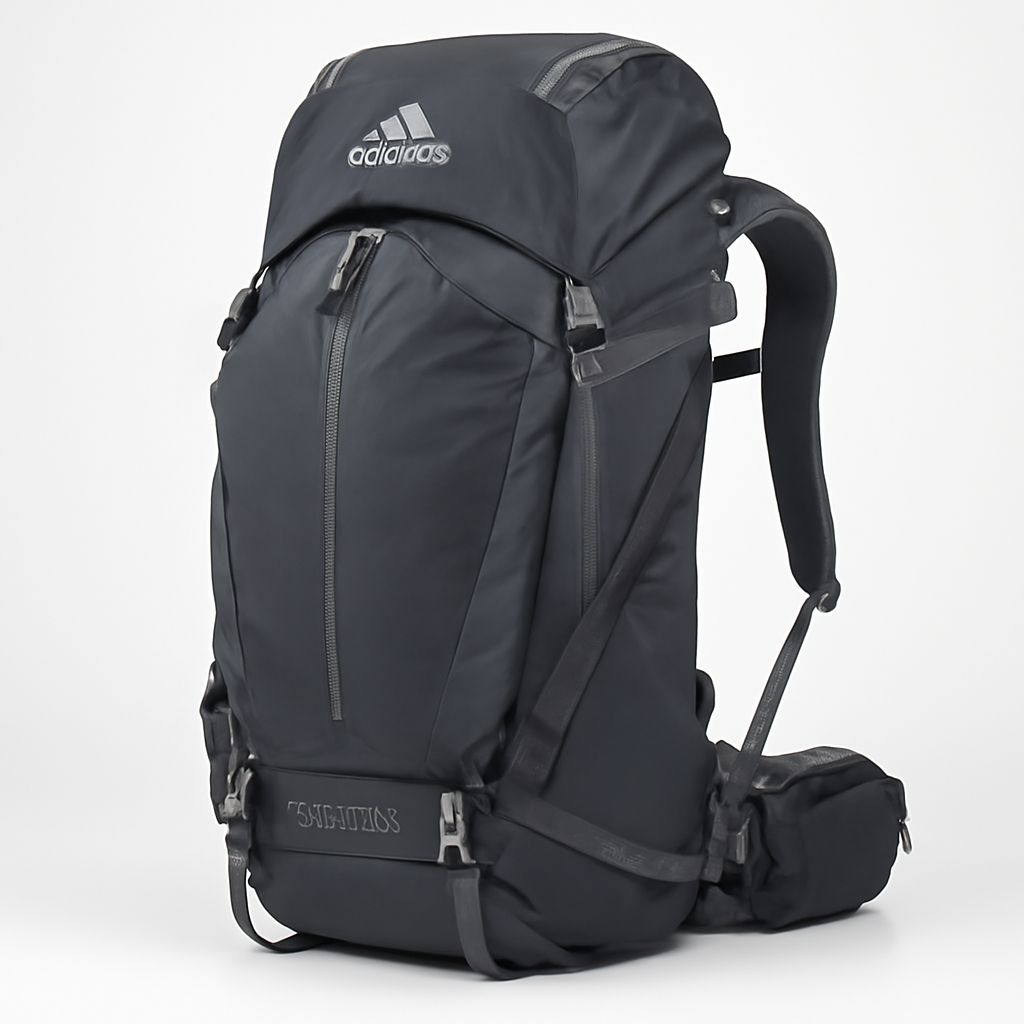
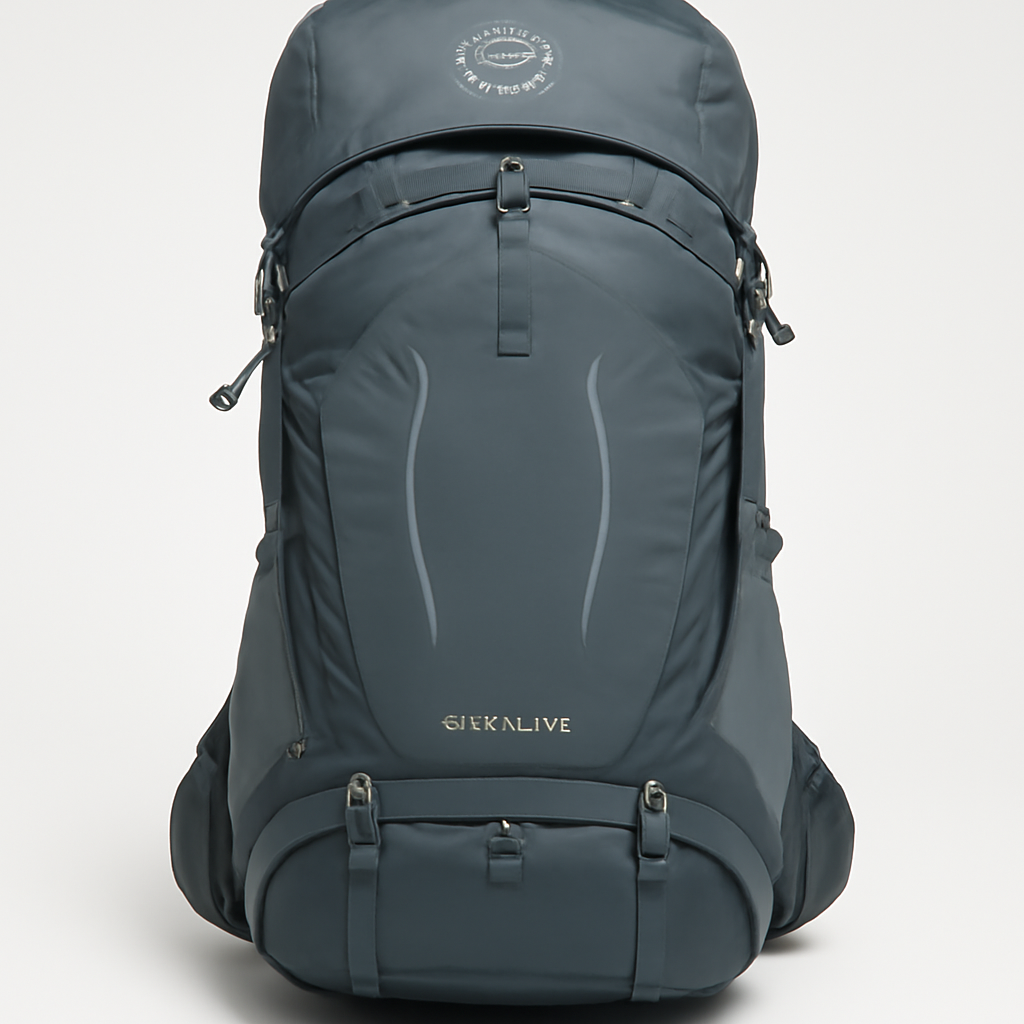
The key to finding the right pack near you is knowing your trip length, load capacity needs, and frame size—then trying it on in person before buying.
—
How to Find Quality Hiking Backpacks Locally
The biggest advantage of shopping for hiking backpacks near you in 2026 is the ability to try before you buy. A backpack that looks perfect online can feel completely wrong on your back, and fit issues only become obvious during a real fitting session.
Why local shopping matters:
– Physical fitting: Staff can help you get the right frame size and adjust straps properly
– Load testing: Many stores let you fill a pack with weight to feel how it carries
– Immediate availability: No waiting for shipping; you can start your next hike with new gear this weekend
– Easy returns: Walking into a store to return something is faster than return shipping
Where to look near you:
– Big-box outdoor retailers (REI, Dick’s Sporting Goods, Bass Pro Shops)
– Specialty outdoor shops (local hiking/climbing stores, trail outfitters)
– Department stores with athletic sections (some locations carry basic options)
– Sporting goods chains (Academy Sports, Modell’s)
Start by searching “outdoor retailer near me” or “REI near me” in Google Maps. Call ahead to confirm they have hiking backpacks in stock and ask if they offer fitting services.
—
Top-Rated Hiking Backpack Brands Available Now
In 2026, several established brands dominate the hiking backpack market and are readily available at local retailers:
Osprey
Osprey has maintained its reputation for comfort and durability. Their packs use proprietary suspension systems and premium materials. The Osprey Atmos AG is their flagship day-hiking and weekend pack, known for exceptional weight distribution and ventilation.
Why locals choose it: Excellent customer service, lifetime warranty, and consistently available at major outdoor retailers.
Gregory
Gregory packs are built tough and designed with real hikers in mind. They excel at load-carrying comfort. The Gregory Baltoro is their premium multi-day backpack and a favorite among serious trekkers.
Why locals choose it: Legendary durability; many people own the same Gregory pack for 10+ years.
The North Face
An accessible option available at Dick’s Sporting Goods and other mainstream retailers. Their hiking packs balance performance and price.
Why locals choose it: Widespread availability and strong warranty support.
Decathlon Quechua
Decathlon’s Quechua MH500 offers exceptional value for budget-conscious hikers. It’s less common in standalone outdoor stores but available at Decathlon locations and online.
Why locals choose it: Honest pricing and decent quality for weekend hikes.
—
Top Hiking Backpacks at a Glance
| Product | Best For | Capacity | Price Range |
| Osprey Atmos AG | Day hikes & weekend trips | 50-65L | $250–$350 |
| Gregory Baltoro | Multi-day backpacking | 65-85L | $300–$450 |
| The North Face Borealis | General hiking | 28L | $120–$180 |
| Decathlon Quechua MH500 | Budget-friendly trips | 50L | $80–$120 |
—
Capacity & Size: Choosing the Right Fit for Your Trips
This is where many beginners stumble. You don’t need a 70-liter pack for a day hike, and you can’t fit three days’ worth of gear in a 30-liter pack.
Match capacity to trip length:
Day hikes (1 day, under 8 hours)
– Capacity needed: 15–25L
– Essential gear: Water, snacks, map, light jacket, first aid
– Example: A simple daypack or the lower-capacity versions of larger packs
– Consider: You don’t need a heavy-duty pack for this; even an athletic backpack works
Weekend trips (1–2 nights, 2–3 days)
– Capacity needed: 40–60L
– Essential gear: Tent, sleeping bag, clothes, toiletries, food, cooking gear
– Example: Osprey Atmos AG (50L) or The North Face Borealis (larger configurations)
– Consider: This is the sweet spot for most recreational hikers
Multi-day backpacking (3+ nights)
– Capacity needed: 65–85L
– Essential gear: Everything above, plus extra food, water-carrying capacity, and comfort items
– Example: Gregory Baltoro (75L)
– Consider: Larger packs are heavier; make sure the frame is sized for your build
Finding your frame size:
This is critical and often overlooked. Packs come in small, medium, and large frame sizes.
– Measure your torso length (the distance from the base of your neck to your hip bones)
– Small frame: Usually 16–18″ torso
– Medium frame: Usually 18–20″ torso
– Large frame: Usually 20–22″ torso
Staff at REI or any specialty store will measure you for free. This single step prevents buying a pack that never fits properly.
—
Essential Features to Look For in a Hiking Backpack
1. Suspension System
This is what separates a comfortable pack from an uncomfortable one. Modern backpacks use one of two systems:
– Aluminium frame: Provides rigid support; better for heavy loads (60+ lbs) or longer trips. Found on packs like the Gregory Baltoro.
– Frameless/minimal frame: Lighter weight; works for day hikes and light loads. Many modern packs compromise here.
Look for packs with adjustable hip straps and shoulder straps. The goal is 60–80% of weight on your hips, not your shoulders.
2. Ventilation
In 2026, ventilation technology has improved dramatically. Look for:
– Mesh back panels: Allow air circulation between your back and the pack
– Airflow channels: Grooved designs that reduce contact with your back
– Prevents sweat buildup on long hikes
The Osprey Atmos AG is excellent for this.
3. Weather Resistance
You want water protection without excessive weight:
– Built-in rain cover: Most quality packs include one
– Water-resistant fabric: Nylon or polyester with coatings
– Sealed zippers: Prevents water seeping through zipper tracks
Don’t expect waterproofing; no pack is fully waterproof without a rain cover or liner.
4. Organizational pockets
More pockets = less digging. Look for:
– Hip belt pockets: Quick access to snacks and phone
– Top lid pocket: Keeps small items accessible
– Sleeping bag compartment: Usually at the bottom; keeps weight low
– Hydration sleeve: Dedicated space for water bladder
5. Accessibility
Consider how you pack and unpack:
– Top-loading vs. panel-loading: Top-loading is traditional (open from top); panel-loading opens like a suitcase (easier access to middle items)
– Removable dividers: Let you customize how space is organized
—
Budget Options vs. Premium Hiking Backpacks
Budget-friendly packs ($80–$150)
The Decathlon Quechua MH500
– Pros: Honest price, decent quality, good for casual weekenders, available at Decathlon stores
– Cons: Heavier materials; less advanced ventilation; shorter warranty (typically 2 years)
– Best for: First-time hikers testing the hobby; occasional weekend trips
The North Face Borealis (entry-level)
– Pros: Available everywhere; familiar brand; okay for day hikes
– Cons: Less sophisticated design; can feel uncomfortable on longer hikes; lower-quality materials
Mid-range packs ($150–$300)
Sweet spot for most hikers. Quality build, good features, reasonable price.
– Osprey’s mid-range offerings
– Gregory’s entry-level technical packs
– Better ventilation, lighter materials, improved durability
Premium packs ($300–$500+)
The Osprey Atmos AG and Gregory Baltoro
– Pros: Cutting-edge comfort technology; lighter materials; excellent ventilation; lifetime warranty; proven durability
– Cons: Higher cost; arguably “overkill” for casual day hikers
– Best for: Serious hikers, multi-day trips, professional guides
Real talk: A $300 pack will feel noticeably better than a $100 pack on a 8-hour hike. Whether that difference is worth $200 depends on how often you hike and how far.
Comparison: Budget vs. Premium
| Factor | Budget ($80–$150) | Premium ($300–$500) |
| Comfort | Okay for short trips | Excellent for long days |
| Weight | Heavier (4–5 lbs) | Lighter (3–3.5 lbs) |
| Durability | 3–5 years typical | 10+ years with care |
| Ventilation | Basic | Advanced airflow tech |
| Warranty | 1–2 years | Lifetime or 10+ years |
| Best for | Day hikes, beginners | Regular hiking, backpacking |
—
Where to Buy Hiking Backpacks Near You
Brick-and-Mortar Retailers (2026)
REI (REI.com and local stores)
– Probably the best option if you want expert fitting
– Staff are trained hikers who test gear themselves
– Co-op membership (lifetime benefit) for returns and discounts
– Carries all major brands
– Fitting rooms and load-testing available
Dick’s Sporting Goods
– Wider selection of mainstream brands
– Usually has budget to mid-range options
– Less specialized expertise than REI
– Good if you want quick access
Bass Pro Shops
– Excellent selection, especially for regional brands
– Knowledgeable staff in larger locations
– Often has in-store brands like White River
Local specialty outdoor shops
– Often carry niche brands and exclusive designs
– Staff usually have deep hiking experience
– May offer fitting services and hiking advice
– Worth calling ahead to confirm stock
Decathlon
– Good for Decathlon brand products
– Growing presence in 2026; check if there’s a location near you
– Budget-friendly options; less hands-on service
Online with Local Pickup (Hybrid Approach)
Many retailers now offer “buy online, pick up in store” or “try at home” programs:
– REI’s try-on rental: Rent a pack for a weekend hike before buying
– Amazon Try Before You Buy: Available on some backpacks; try for 30 days
– Retailer apps: Check Dick’s, Bass Pro, and others for BOPIS (buy online, pick up in store)
This hybrid approach gives you the convenience of online shopping with the ability to see the product in person before committing.
—
Customer Reviews: Best Local Hiking Backpacks in 2026
What are actual hikers saying about packs they’re using right now?
Osprey Atmos AG — The Comfort King
Common feedback:
– “The ventilation is real; my back doesn’t get sweaty like my old pack”
– “Expensive but worth it for weekend trips; the suspension is noticeably better”
– “Hip belt pockets are perfectly placed; easy access to phone and snacks”
– “Lighter than expected; doesn’t add much weight to my load”
Typical complaint: “For occasional hikers, the price feels steep. For regular hikers, it pays dividends.”
Gregory Baltoro — The Workhorse
Common feedback:
– “Built like a tank; my friend’s is 8 years old and still perfect”
– “Sits lower on your back than competitors; takes adjustment but feels secure”
– “Heavy fabric seems redundant but explains the durability”
– “Load-carrying ability is stellar; comfortable even with 40+ lbs”
Typical complaint: “Heavier than modern alternatives; not the lightest option for ultralight backpacking.”
The North Face Borealis — The Accessible Option
Common feedback:
– “Great starter pack; does everything you need for short hikes”
– “Available at every sporting goods store; no waiting”
– “Price is right for beginners who don’t know if they’ll keep hiking”
Typical complaint: “Doesn’t feel premium; straps loosen over time.”
Decathlon Quechua MH500 — The Value Play
Common feedback:
– “Honestly shocked at the quality for the price”
– “Perfect for weekend camping; you’re not risking damage to an expensive pack”
– “Heavy, but you get what you pay for”
Typical complaint: “Not ideal for serious backpacking; better for casual hiking.”
—
Pros & Cons: Top 2 Picks
Osprey Atmos AG
Pros:
✓ Advanced ventilation system reduces sweat
✓ Lightweight but sturdy (under 4 lbs for 50L)
✓ Excellent hip belt design distributes load perfectly
✓ Lifetime warranty and strong customer service
✓ Available at most quality retailers
Cons:
✗ Premium pricing ($250–$350)
✗ Not ideal for ultralight backpacking (some prefer lighter)
✗ Aluminum frame adds small amount of weight
✗ Hip belt less padded than some competitors
—
Gregory Baltoro
Pros:
✓ Exceptional durability; often lasts 10+ years
✓ Excellent load-carrying capacity (up to 85L)
✓ Proven design trusted by professional guides
✓ Can handle heavy loads comfortably
✓ Strong resale value
Cons:
✗ Heavier material (5+ lbs for 75L)
✗ Steeper price tag ($300–$450)
✗ Sits lower on back (requires adjustment period)
✗ Less ventilation than newer designs
✗ Overkill for casual day hikers
—
Our Verdict
For most hikers shopping locally in 2026:
The Osprey Atmos AG is the best overall choice. It balances comfort, weight, and technology at a price point that justifies the investment for regular hikers. If you’re shopping at REI, Dick’s, or a local outdoor store, this pack is available almost everywhere, fits true to size, and performs exactly as promised.
If you’re serious about backpacking:
The Gregory Baltoro is your pack. Yes, it costs more and weighs more, but the durability and load-carrying ability make it worth the premium if you’re doing multi-day trips regularly.
If you’re a beginner or budget-conscious:
Start with the Decathlon Quechua MH500 or The North Face Borealis. These won’t break the bank, and you’ll learn what you like before investing $300+. After a season of weekend hikes, you’ll know whether to upgrade to a premium pack.
The Buying Process
1. Call local retailers and confirm they have packs in your size range
2. Visit in person and try on 3–5 options
3. Get a fitting: Have staff measure your torso and adjust straps
4. Load test: Ask to walk around with a weighted pack
5. Ask about returns: Most quality retailers offer 30–60 day returns
6. Buy locally if price is competitive; online only if you need a specific model not in stock
The best hiking backpack is the one you’ll actually use. That means it has to fit comfortably, be available to try on near you, and suit your hiking style and budget.
Happy trails in 2026.