Quick Answer
A harness distributes pressure evenly across your small dog’s chest and back, protecting their delicate neck and trachea—something a collar can’t do. Look for adjustable, padded harnesses made from durable nylon or mesh that fit snugly without restricting movement. The Ruffwear Front Range Harness is our top pick for everyday walks, while the Puppia Soft Harness works best for toy breeds that need maximum comfort.
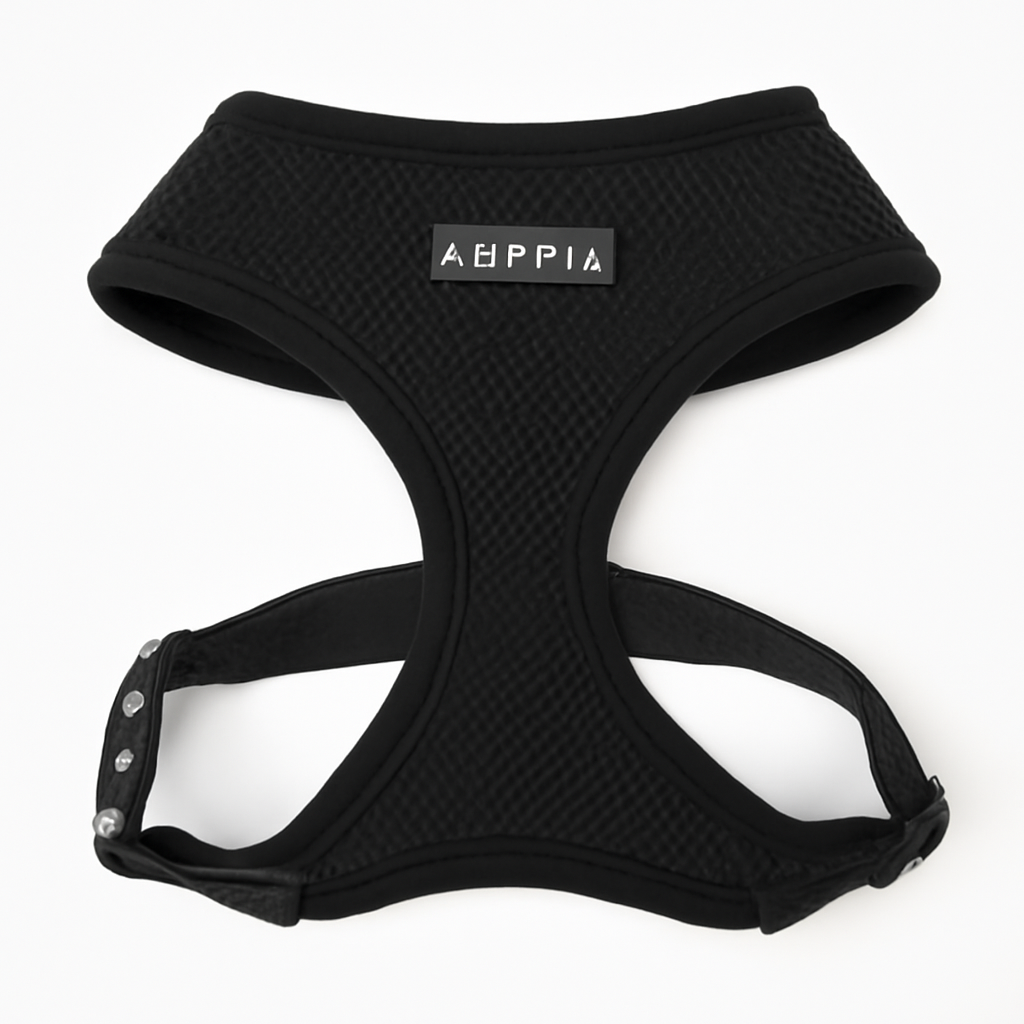
—
Why a Harness is Better Than a Collar for Small Dogs
Small dogs have a reputation for pulling, jumping, and getting excited—but their bodies are fragile. A traditional collar puts all pulling pressure directly on the neck and throat, which can lead to serious health problems over time.
Here’s what makes harnesses superior:
– Protects the trachea: Small breeds are prone to tracheal collapse, a condition where the windpipe weakens. A harness bypasses the neck entirely, eliminating this risk.
– Distributes pressure evenly: Instead of choking force on one point, a harness spreads load across the chest and shoulders—much safer for Chihuahuas, Yorkies, and Pomeranians.
– Better control during walks: You get more leverage without hurting your dog, making it easier to manage pulling or lunging behavior.
– Reduces escape risk: A harness is harder for small dogs to slip out of compared to collars, especially for breeds with narrow heads.
– Ideal for training: Front-clip harnesses naturally discourage pulling by turning your dog toward you when they lunge.
If you’re still using a collar for daily walks, switching to a harness is one of the best decisions you can make for your small dog’s long-term health.
—
Top Dog Harness Styles for Small Breeds
There are several harness designs available, and each serves a different purpose. Here’s what to consider:
Back-Clip Harnesses
The leash attaches to a ring on the dog’s back. This is the most common style and works well for small dogs that don’t pull excessively.
Best for: Dogs under 15 lbs, calm walkers, and owners who prioritize comfort over control.
Pros:
– Comfortable and unrestricted
– Simple to put on and take off
– Excellent for training puppies
Cons:
– Doesn’t discourage pulling as effectively as front-clip
– Less control if your dog lunges suddenly
Front-Clip Harnesses
The leash attaches at the chest, naturally directing a pulling dog toward you rather than forward.
Best for: Small dogs with pulling issues, young pups in training, and owners needing better control.
Pros:
– Dramatically reduces pulling behavior
– Safer on busy streets (better directional control)
– Great for leash training
Cons:
– Takes longer to put on (more straps)
– Some dogs find it initially uncomfortable
Dual-Clip Harnesses
These feature both back and front attachment points, giving you flexibility depending on the situation.
Best for: Multi-purpose use, dogs with varying energy levels, and owners who want options.
Pros:
– Versatile for different scenarios
– Grow with your puppy’s needs
– Great value
Cons:
– More expensive
– May feel bulky on toy breeds
Step-In Harnesses
Your dog steps into the harness (like putting on a sweater) and you fasten it at the back.
Best for: Dogs who hate harnesses pulled over their heads, anxious small dogs, and owners wanting quick assembly.
Pros:
– Easy to put on for head-sensitive dogs
– Feels less restrictive
– Quick fastening
Cons:
– Takes practice to get both front legs in correctly
– Harder to adjust fit once on
—
How to Measure Your Small Dog for the Perfect Fit
A poorly fitting harness can be uncomfortable, ineffective, or even dangerous. Here’s the exact process:
What You’ll Need
– Soft measuring tape (or string + ruler)
– Paper to write measurements
– Treats (for keeping your dog still)
Step-by-Step Measurement
1. Measure Chest Girth
– Place the tape measure around the widest part of your dog’s chest, just behind the front legs
– The tape should be snug but not tight (you should fit one finger between tape and body)
– Write down this number
2. Measure Neck Circumference
– Measure around your dog’s neck at the base (where a collar would sit)
– Keep the tape comfortably loose
– This determines harness size category
3. Check Torso Length (for some harnesses)
– Measure from the base of the neck down to where the back legs start
– This matters for harnesses that cover the back
4. Measure Your Dog’s Weight
– Use a bathroom scale or ask your vet
– Most small dog harnesses are sized by weight (under 10 lbs, 10-20 lbs, etc.)
General Small Dog Sizing
| Dog Weight | Chest Girth | Harness Size | Examples |
| Under 5 lbs | 8-10″ | XS/Extra Small | Chihuahua, Pomeranian toy |
| 5-10 lbs | 10-13″ | S/Small | Pomeranian, Pug, Shih Tzu |
| 10-20 lbs | 13-17″ | SM/Small-Medium | Cocker Spaniel, Beagle |
| 20-30 lbs | 17-22″ | M/Medium | Beagle, Cocker Spaniel |
Pro Tip for Online Shopping
Most harness brands provide a sizing chart. Use your actual measurements against their chart, not your dog’s breed—individual dogs vary significantly. When in doubt, order the smaller size if the harness has adjustable straps.
—
Best Materials and Durability Features
The material you choose affects comfort, longevity, and washability. Here’s what works best for small dogs:
Nylon
Durability: High
Comfort: Medium
Washability: Excellent
Nylon is the industry standard for small dog harnesses. It’s affordable, water-resistant, and lasts years with proper care. Look for thick, woven nylon (not thin plastic-like material).
Mesh
Durability: Medium-High
Comfort: High
Washability: Excellent
Breathable mesh harnesses are ideal for small dogs since they don’t overheat easily. The downside: they’re less durable than nylon and may not hold up if your dog is an aggressive chewer.
Padded Materials
Durability: Medium
Comfort: High
Washability: Good (but harder to dry)
Neoprene or foam padding adds comfort for dogs with sensitive skin or those who wear harnesses for extended periods. Just note that padded harnesses take longer to air dry after washing.
Eco-Friendly Options
Some premium harnesses use recycled polyester or organic cotton blends. These are comfortable and durable, but typically cost more.
Hardware Quality
Don’t overlook the buckles, D-rings, and stitching:
– Plastic buckles: Lightweight but less durable. Fine for small dogs under 10 lbs.
– Metal hardware: More expensive but lasts longer. Recommended for regular daily use.
– Stitching: Look for reinforced stitching at stress points (where straps connect). Double stitching is better than single.
—
Comfort and Safety Considerations
Weight Distribution
A good harness for small dogs should distribute weight across the strongest parts of their body—the chest and shoulders. Avoid harnesses that put pressure on the armpits or sides, which can restrict movement and cause chafing.
Adjustability
Small dogs vary wildly in shape. A Chihuahua’s frame is completely different from a Pug’s. Look for:
– Multiple adjustment points (at least 2-3 straps)
– D-rings positioned so the leash doesn’t pull awkwardly
– Enough room to grow if you have a puppy
Escape Prevention
Small dogs are surprisingly good at squirming out of harnesses. The best ones:
– Have overlapping straps (harder to slip out of)
– Sit snugly but not restrictively around the chest
– Include a back fastener in addition to side buckles
Test the fit by gently pulling upward on the harness. It should move slightly but not come off.
Visibility and Safety
If your small dog walks in low-light conditions, consider:
– Reflective stitching or patches
– Light-colored harnesses (easier to spot)
– Attachment points for clip-on lights
The Ruffwear Front Range Harness includes reflective trim, making it visible at dawn and dusk walks.
Heat and Breathability
Small dogs overheat more easily than larger breeds. A mesh or breathable harness prevents overheating on warm days. If you live in a hot climate, mesh is worth the investment.
—
Price Comparison: Budget to Premium Options
Budget Options ($15-$30)
Best for: First-time harness buyers, dogs who destroy gear, and casual indoor dogs.
Example: Puppia Soft Harness
Pros:
– Affordable entry point
– Light and comfortable for small breeds
– Available in tons of colors/patterns
Cons:
– Less durable than premium options
– Thinner materials may wear faster
– Simpler design with fewer adjustment points
—
Mid-Range Options ($30-$60)
Best for: Most small dog owners, regular daily walkers, dogs with mild pulling.
Example: Ruffwear Front Range Harness
Pros:
– Balanced comfort and durability
– Better padding and hardware than budget options
– Often includes safety features (reflective trim)
– Lasts 3-5+ years with care
Cons:
– More expensive than basic harnesses
– Heavier than budget options (though still lightweight for small dogs)
—
Premium Options ($60-$120+)
Best for: Dogs with special needs, frequent travelers, owners wanting maximum durability, or highly trained dogs.
Example: Kong Cloud Collar Harness
Pros:
– Maximum comfort with premium padding
– Exceptional durability (5-10+ year lifespan)
– Advanced features (GPS attachment points, modular design)
– Usually guaranteed or warrantied
Cons:
– Significantly more expensive
– Often heavier (not ideal for toy breeds under 5 lbs)
– Overkill for casual use
Quick Comparison Table
| Product | Best For | Price Range | Key Feature |
| Puppia Soft Harness | Budget buyers, toy breeds | $20-$30 | Lightweight, colorful |
| Ruffwear Front Range | Daily walkers, control | $45-$60 | Front-clip, reflective |
| Kong Cloud Collar | Premium durability | $80-$120 | Max padding, lifetime quality |
| Embark Adventure Harness | Outdoor dogs, all-day wear | $50-$70 | Dual-clip, lightweight |
—
How to Train Your Small Dog to Wear a Harness
Even if you choose the perfect harness, your small dog needs time to adjust. Here’s the proven training method:
Phase 1: Introduction (Days 1-2)
Goal: Let your dog inspect the harness without pressure.
1. Leave the harness on the floor near their bed
2. Reward with treats when they sniff it
3. Don’t force anything—just build curiosity
4. Repeat 3-4 times per day
Phase 2: Wearing Without Fastening (Days 3-4)
Goal: Get them comfortable with the feeling.
1. Gently drape the harness over their back (don’t fasten)
2. Immediately give high-value treats
3. Let them walk around the house with it loose
4. Keep sessions to 5-10 minutes
5. Praise heavily when they’re calm
Phase 3: Fastening and Indoor Walks (Days 5-7)
Goal: Build confidence in a safe environment.
1. Fasten the harness while they’re focused on a treat
2. Check fit (one finger under straps)
3. Let them walk around indoors for 5-15 minutes
4. Reward calm behavior frequently
5. Don’t clip the leash yet—just let them move freely
Phase 4: Leash Attachment and Short Walks (Days 8-10)
Goal: Transition to outdoor walking.
1. Clip the leash while indoors first
2. Walk around the house for 2-3 minutes
3. Go outside for very short walks (5-10 minutes)
4. Choose quiet areas (not busy streets)
5. Reward heavily for calm walking
Phase 5: Regular Walking (Beyond Day 10)
Goal: Make the harness routine.
Once your dog is comfortable, gradually extend walk time and explore new areas. Most dogs adapt within 7-14 days.
Training Tips for Stubborn Small Dogs
They’re pulling hard:
– Use front-clip harnesses specifically designed to turn them toward you
– Reward with treats during turns (positive association)
– Practice in low-distraction areas first
They’re freezing or acting scared:
– Go back a phase—return to indoor practice
– Use their favorite treats or toys for motivation
– Keep sessions shorter (3-5 minutes)
They’re sore or showing signs of discomfort:
– Stop training immediately
– Recheck the fit (harness may be too tight or rubbing)
– Consider a different style or brand
– Consult your vet if discomfort persists
—
Top 3 Small Dog Harnesses: Detailed Reviews
1. Ruffwear Front Range Harness
Best For: Active small dogs, owners wanting control, everyday walks with pulling behavior
Why We Recommend It:
The Ruffwear Front Range is the gold standard for small dog harnesses. The front-clip design makes it genuinely easy to control pulling without choking your dog. The padded chest panel fits snugly without restricting breathing, and the reflective trim means your dog is visible on evening walks.
Pros:
– Exceptional build quality (lasts 5+ years)
– Front and back attachment points
– Lightweight despite durability
– Designed by a company that genuinely understands dog biomechanics
– Multiple color options
– Great customer service if issues arise
Cons:
– Mid-range pricing makes it more expensive than budget options
– Slightly more complex to put on than step-in styles
– Not ideal for dogs under 5 lbs (may feel bulky)
Size Range: XS (5-15 lbs) to M (25-35 lbs)
—
2. Puppia Soft Harness
Best For: Toy breeds, budget-conscious buyers, dogs with sensitive skin, indoor/casual walking
Why We Recommend It:
Puppia harnesses are beloved by small dog owners for a reason—they’re genuinely comfortable for tiny dogs. The soft mesh construction won’t irritate sensitive skin, and the minimal design means your Chihuahua or Pomeranian won’t feel restricted. The price is unbeatable for the quality you get.
Pros:
– Ultra-lightweight (barely noticeable to your dog)
– Soft nylon mesh won’t cause skin irritation
– Incredibly easy to put on (step-in design)
– Available in tons of colors and patterns
– Affordable for trying harnesses for the first time
– Portable for travel
Cons:
– Less durable than premium options (3-4 year lifespan typical)
– No reflective safety features
– Back-clip only (won’t help with pulling control)
– Fewer adjustment points (less customizable fit)
– May not hold up if your dog is a power chewer
Size Range: XS (2-4 lbs) to S (8-12 lbs)
—
3. Kong Cloud Collar Harness
Best For: Dogs with skin sensitivities, premium durability seekers, dogs wearing harnesses all day, outdoor enthusiasts
Why We Recommend It:
If budget isn’t a concern and you want the absolute most comfortable harness available, Kong’s Cloud Collar is it. The neoprene padding is buttery soft, and the design distributes weight so evenly that many dogs forget they’re wearing it. This harness will legitimately last 5-10+ years.
Pros:
– Maximum comfort (premium neoprene padding)
– Exceptionally durable (built to last a decade)
– Back-clip attachment is simple and secure
– Washable padding that dries quickly
– Kong’s brand reputation means reliability
– Several size options for tiny to medium small dogs
Cons:
–