Quick Answer
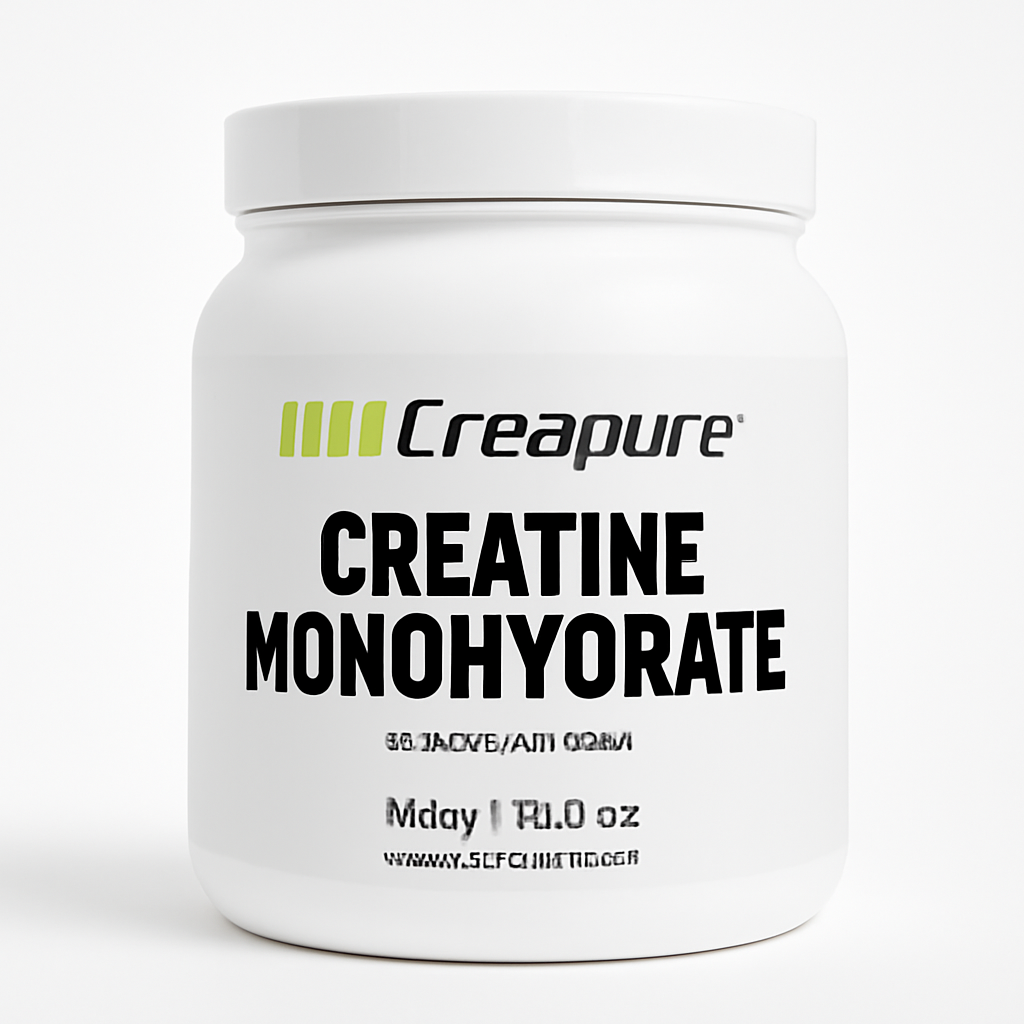
If you’re looking to build muscle, boost strength, and improve athletic performance, creatine monohydrate is one of the most researched and effective supplements available. It’s affordable, well-tolerated, and backed by decades of scientific evidence. We recommend starting with Creapure Creatine Monohydrate or [Optimum Nutrition Creatine Powder for quality and value.
—
What Is Creatine Monohydrate and How Does It Work?
Creatine monohydrate is a combination of the amino acid creatine bonded to a water molecule. It’s one of the most studied sports supplements on the market, and for good reason—it actually works.
Here’s the simple science: Your muscles use ATP (adenosine triphosphate) as their primary energy source during intense exercise. Creatine helps your body regenerate ATP faster, which means your muscles can work harder for longer before fatigue sets in.
When you supplement with creatine monohydrate, it accumulates in your muscle cells and gets converted into phosphocreatine. This compound rapidly donates energy during heavy lifting, sprinting, or other high-intensity activities. More phosphocreatine available = more power output = better training results.
The powder itself is colorless and nearly tasteless, dissolving in water or mixing easily into protein shakes. Your body also produces about 1-2 grams of creatine naturally each day from dietary sources like red meat and fish, but supplementation allows you to maintain higher muscle creatine levels consistently.
—
Benefits of Creatine Monohydrate for Muscle Gain and Performance
If you’re serious about training, creatine monohydrate delivers measurable results:
Muscle Growth and Strength Gains
Creatine increases total body water in muscle cells and improves strength output during resistance training. Studies consistently show that lifters taking creatine gain 2-3 pounds of lean muscle mass within the first two weeks (mostly water), followed by genuine muscle growth. More importantly, you’ll lift heavier weights, which drives long-term hypertrophy.
Improved Athletic Performance
Whether you’re a sprinter, footballer, or CrossFit athlete, creatine boosts short-burst power and allows you to perform more reps at a given weight. This is especially valuable for sports requiring repeated high-intensity efforts.
Enhanced Cognitive Function
Emerging research suggests creatine may support brain function, memory, and mental fatigue resistance—not just muscle performance. This makes it useful for anyone under cognitive stress, not just athletes.
Better Training Recovery
By buffering fatigue and supporting ATP regeneration, creatine lets you recover between sets faster and maintain volume across your training sessions. This compounds over weeks and months.
Vegetarian and Vegan-Friendly Gains
Since creatine is minimal in plant-based diets, vegetarians and vegans see even more dramatic benefits from supplementation than omnivores.
—
Top Creatine Monohydrate Brands Compared
| Product | Best For | Price Range | Quality Marker |
| Creapure Creatine Monohydrate | Premium purity & patented sourcing | German pharmaceutical-grade | |
| Optimum Nutrition Creatine Powder | Budget-friendly quality | Third-party tested, micronized | |
| MuscleTech Platinum 100% Creatine | Strength gains and value | Micronized, unflavored | |
| Naked Nutrition Creatine Monohydrate | Clean label, minimal additives | 99% pure, no fillers |
Top Picks: Detailed Breakdown
#### Creapure Creatine Monohydrate
Creapure is the gold standard for creatine quality. It’s a patented form of creatine monohydrate manufactured in Germany under pharmaceutical-grade standards. If you want to guarantee you’re getting 99.99% pure creatine with zero contaminants, Creapure is the answer.
Pros:
– Pharmaceutical-grade manufacturing
– Extensively tested for purity
– Micronized for better absorption
– Works as advertised with no filler
Cons:
– Premium pricing compared to generic options
– Not flavored (though this is neutral for most users)
– May be overkill for casual gym-goers
—
#### Optimum Nutrition Creatine Powder
Optimum Nutrition is a trusted, mainstream supplement brand that doesn’t cut corners. Their creatine monohydrate is micronized for faster absorption and third-party tested for quality assurance. At a mid-range price, it’s the best balance of reliability and value.
Pros:
– Third-party tested by DOMS
– Unflavored (mixes into any drink)
– Affordable and widely available
– Proven track record with thousands of users
Cons:
– Not as “premium” as Creapure
– Basic packaging
– Requires consistent dosing to see results
—
#### MuscleTech Platinum 100% Creatine
MuscleTech’s offering is pure creatine monohydrate with no additives. It’s micronized and affordable, making it ideal for lifters who want an effective product without brand markup or unnecessary ingredients.
Pros:
– 100% pure creatine, no blends
– Micronized for better solubility
– Competitive pricing
– Mixes cleanly
Cons:
– Less brand recognition than Optimum Nutrition
– Minimal research marketing (just the product)
– Similar to other commodity creatine products
—
How to Choose the Right Creatine Monohydrate Supplement
When shopping for creatine, focus on these criteria:
1. Purity and Third-Party Testing
Look for products tested by DOMS, Informed-Sport, or NSF. Avoid anything without quality verification. Creapure and Optimum Nutrition both meet this standard.
2. Micronization
Micronized creatine has smaller particle size, which means better absorption and mixing. This is standard in 2026 and shouldn’t cost more.
3. No Unnecessary Additives
You don’t need sugar, artificial sweeteners, or proprietary blends mixed into your creatine. The supplement works on its own. Naked Nutrition’s minimal formula approach is ideal here.
4. Price Per Serving
A quality creatine costs roughly $0.10–0.30 per 5-gram serving. If it’s cheaper, be skeptical about purity. If it’s much more expensive, you’re paying for marketing.
5. Brand Reputation
Buy from established supplement companies with transparent sourcing and customer reviews. Companies like Optimum Nutrition, MuscleTech, and Creapure have earned trust over decades.
—
Dosage and Loading Protocols Explained
Standard Approach (No Loading)
– Daily dose: 3–5 grams per day
– Timeline: Takes 3–4 weeks to reach optimal muscle saturation
– Best for: Most people; simpler, fewer side effects
Simply take 5 grams daily with water and a carb + protein meal (improves absorption). You’ll see results in 4 weeks without any loading phase.
Loading Protocol (Faster Results)
– Loading phase: 20 grams per day (split into 4 × 5g doses) for 5–7 days
– Maintenance: 3–5 grams per day thereafter
– Timeline: Noticeable effects in 1–2 weeks
The loading phase saturates muscle creatine faster, but it’s optional. You’ll reach the same endpoint with standard dosing—it just takes longer. Loading can cause mild bloating and digestive discomfort.
Pro Tips for Maximum Absorption
– Take creatine with a meal containing carbs and protein (insulin spike improves uptake)
– Mix into a dextrose drink immediately post-workout for best results
– Stay hydrated—creatine pulls water into muscles, so drink 2–3 extra liters daily
– Consistency matters more than timing; daily routine > perfect meal timing
—
Potential Side Effects and Safety Considerations
Creatine monohydrate is one of the safest supplements ever tested. Decades of research involving thousands of athletes shows no serious adverse effects at recommended doses. That said, here’s what you should know:
Mild, Non-Serious Side Effects
Water Retention
Creatine pulls water into muscle cells, causing a 1–3 pound weight gain in the first week. This is intramuscular, not subcutaneous fat. You’ll look more vascular and feel fuller, which most lifters enjoy.
Stomach Bloating
Some users (especially during loading) report mild GI discomfort. Taking creatine with food minimizes this.
Creatinine Elevation
Your kidneys produce creatinine as a byproduct of creatine metabolism. Supplementation raises serum creatinine levels, but this is not harmful. However, if you have pre-existing kidney disease, consult your doctor before supplementing.
Populations That Should Consult a Doctor
– People with existing kidney or liver disease
– Those on medications affecting kidney function
– Individuals with severe dehydration
– Anyone with a history of renal problems
The Myth of “Cycling”
You don’t need to cycle off creatine. It’s safe to take continuously. Your body adjusts naturally, and muscle creatine remains elevated even after stopping supplementation for weeks.
—
Creatine Monohydrate vs. Other Forms: Which Is Best?
The supplement market has created dozens of “advanced” creatine forms. Here’s the honest breakdown:
| Form | Cost | Absorption | Science | Verdict |
| Creatine Monohydrate | $ | 99-100% | Decades of proof | Best choice |
| Buffered Creatine (Kre-Alkalyn) | $$ | ~100% | Minimal evidence | Not better, more expensive |
| Creatine Ethyl Ester | $$ | Lower | Conflicting studies | Avoid; unstable |
| Liquid Creatine | $$$ | Low | Degrades in solution | Avoid; degrades |
| Creatine HCL | $$$ | ~100% | Limited studies | Maybe better, unproven |
Why Stick with Monohydrate?
1. It works. Proven for 30+ years with thousands of studies
2. It’s affordable. You’ll spend $10–20/month
3. It’s stable. Won’t degrade in your shaker bottle
4. It’s tested. Every major brand is verified for purity
Creatine monohydrate remains the standard because the science supports it and the price-to-benefit ratio is unbeatable. Newer forms claim advantages that haven’t materialized in practice.
—
FAQ: Common Questions About Creatine Monohydrate
Q: Will creatine make me gain fat?
A: No. The initial weight gain is water in muscle cells. Creatine doesn’t add calories and won’t cause fat gain.
Q: Is creatine vegan-friendly?
A: Yes. Creatine monohydrate is synthesized in labs and is 100% vegan.
Q: Can I take creatine with caffeine?
A: Yes. No negative interactions. Many athletes combine them.
Q: How long until I see results?
A: 3–4 weeks of consistent dosing. Some see subtle strength gains by week 2.
Q: Do I need to “load” creatine?
A: No, it’s optional. Standard 5g daily dosing works just as well, only slower.
Q: Can women take creatine?
A: Absolutely. Women see the same benefits as men with no hormonal side effects.
—
Our Verdict
Creatine monohydrate is the supplement recommendation we’d make to anyone serious about training in 2026. It’s proven, affordable, and safe.
For Most People: Optimum Nutrition Creatine Powder
If you want quality, value, and reliability, start here. It’s third-party tested, widely available, and backed by one of the most trusted supplement brands. You’ll see real results at a reasonable price.
For Premium Purity: Creapure Creatine Monohydrate
If you’re willing to pay for pharmaceutical-grade manufacturing and the absolute best purity, Creapure is worth the premium. German sourcing and decades of research make this the gold standard.
For a Clean-Label Option: Naked Nutrition Creatine Monohydrate
If minimalism and ingredient transparency matter to you, Naked Nutrition delivers pure creatine with zero fillers or additives.
Getting Started: The Simple Protocol
1. Choose your brand (Optimum Nutrition is our standard pick)
2. Mix 5 grams into water or a shake daily
3. Take it with food for better absorption
4. Stay hydrated (drink extra water)
5. Be consistent for 3–4 weeks before evaluating results
You’ll likely notice improved strength by week 3, visible muscle fullness by week 4, and measurable lean mass gains by week 6–8. At $0.15 per serving, it’s one of the best investments you can make in your training.
Bottom line: If you lift weights, play sports, or want a science-backed edge on performance, creatine monohydrate belongs in your supplement stack.