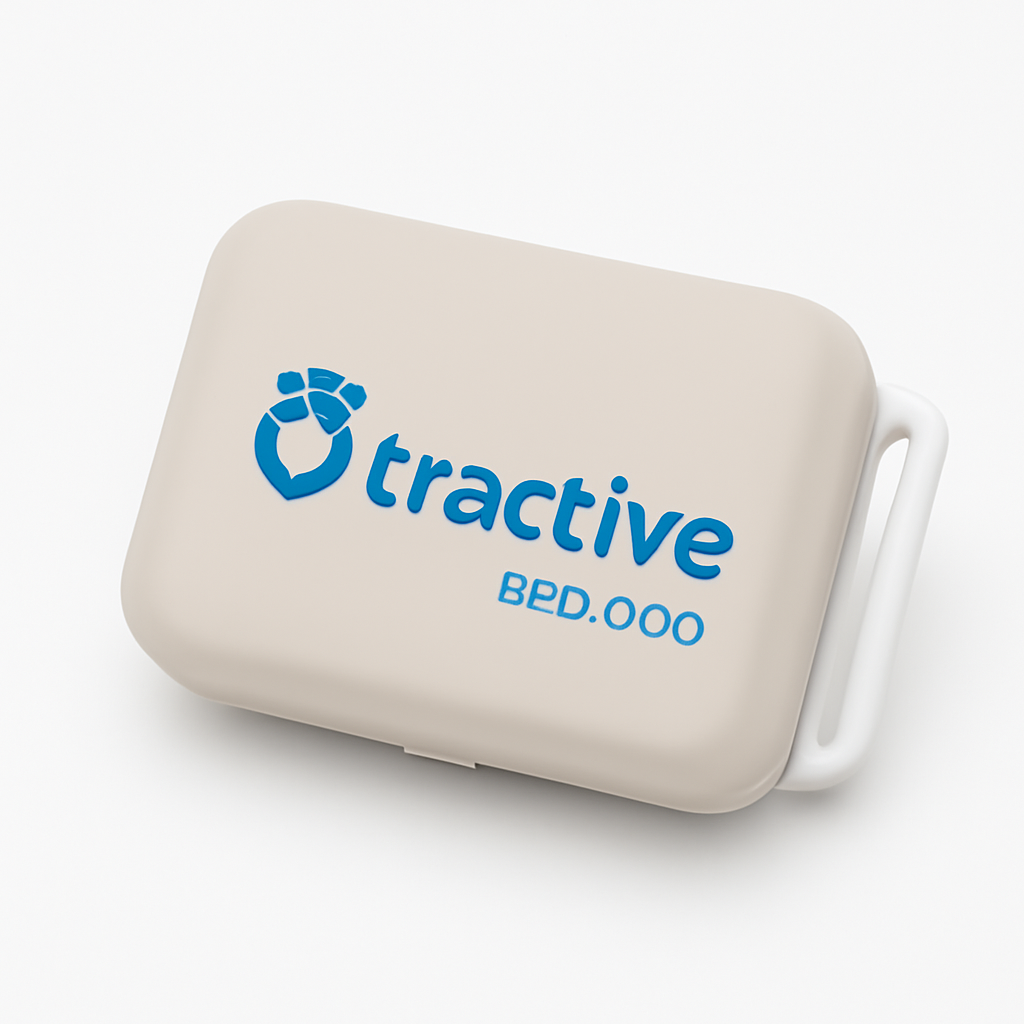
Quick answer: If your dog is a fence-jumping escape artist and you want the widest coverage for the lowest hardware cost, get the Tractive GPS DOG — it’s the most affordable way into real-time LTE tracking and it works across a huge list of countries. If you want the best build quality and escape detection on a collar your dog actually wears 24/7, get the Fi Series 3 Smart Collar. If you hunt, hike off-grid, or spend time where there’s no cell signal at all, none of the subscription trackers will save you — you need a Garmin Alpha or Astro handheld-and-collar system that doesn’t depend on cell towers.
Now here’s the part most guides skip: the tracker isn’t what fails. The setup is what fails. Skip to the last section before you buy anything.
—
Top Picks at a Glance
| Product | Best For | Price Range |
| Tractive GPS DOG | Budget pick + international travel | |
| Fi Series 3 Smart Collar | Escape artists, daily wear, battery life | |
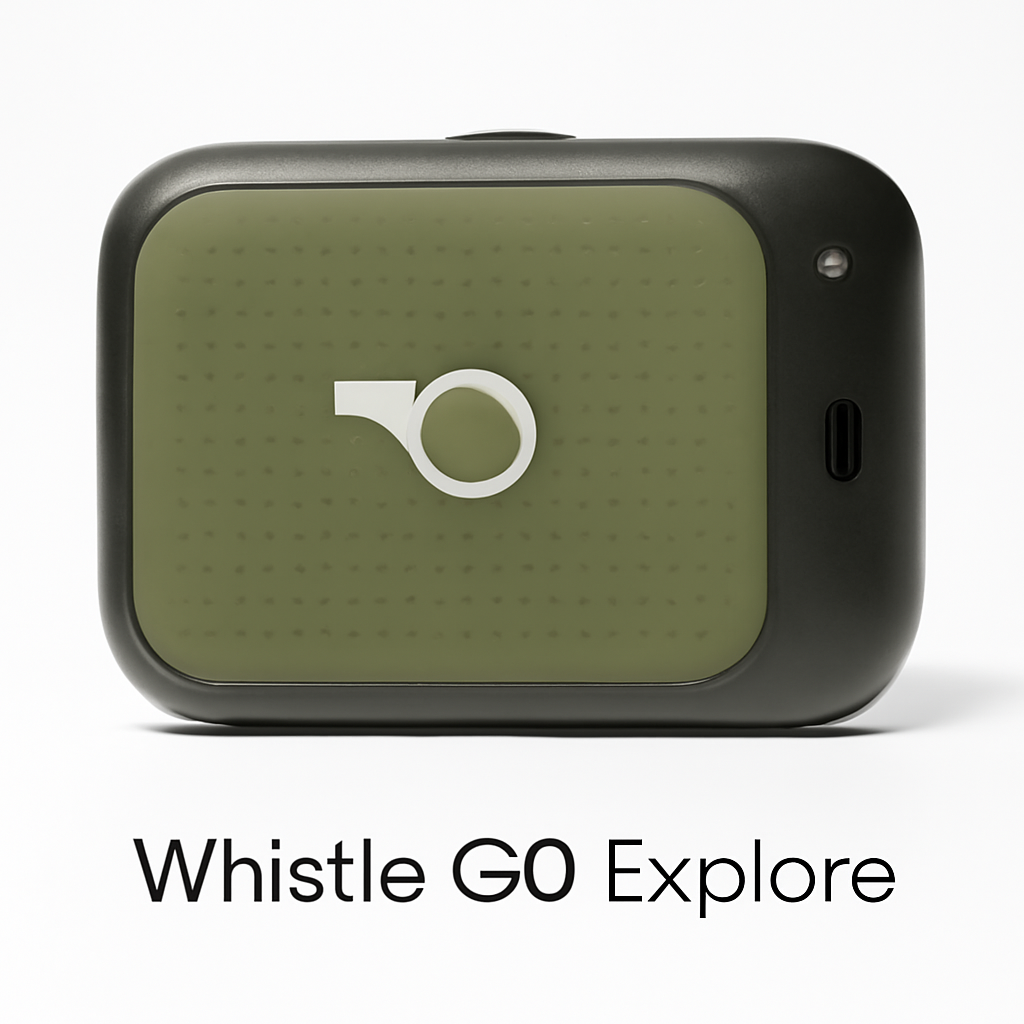
| Whistle Go Explore | Health + activity tracking alongside GPS | |
| Garmin Alpha / Astro series | Off-grid, hunting, no-cell-coverage areas | |
| Jiobit Smart Tag | Small dogs and toy breeds | |
| Apple AirTag | Bluetooth-only backup, not a real tracker |
—
How GPS Dog Trackers Actually Work (LTE, Bluetooth, and Satellite Explained)
Almost every buying mistake comes from not understanding this one thing: GPS tells the tracker where it is. Something else has to tell you.
That “something else” is the difference between a $30 tag and a $200 collar.
LTE / cellular trackers
This is the category most people actually want. The device gets a GPS fix from satellites, then uses a built-in cellular radio — the same kind in your phone — to transmit that location to the company’s servers, which push it to your app.
What this means practically: the tracker works anywhere there’s cell service, at unlimited distance. Your dog can be four towns over and you’ll still see a live dot. This is why Tractive, Fi, and Whistle all require a subscription — you’re paying for a cellular data plan, not just software.
The catch: no cell signal, no updates. Dead zones in rural areas, deep canyons, and thick forest will blank you out. The tracker keeps logging, but you don’t see it until it reconnects.
Bluetooth tags
Apple AirTag and Tile fall here. There’s no GPS chip and no cellular radio inside. An AirTag just shouts its ID over Bluetooth, and any passing iPhone quietly relays the location to Apple.
In a dense city, that crowdsourced network is genuinely useful. On a rural trail at 6am with nobody around, an AirTag is an expensive plastic disc. Do not buy a Bluetooth tag as your primary tracker for a dog that runs. It’s a fine secondary — clip one on alongside a real tracker so you have a fallback if the LTE unit dies — but it is not a lost-dog solution.
Satellite / radio (RF) systems
Garmin’s Astro and Alpha lines work completely differently. The dog’s collar gets a GPS fix and transmits it over a dedicated radio frequency directly to a handheld device you carry. No cell towers, no subscription, no monthly fee.
The tradeoff is range — you’re limited to the radio link between handheld and collar (line of sight matters enormously, and terrain cuts it down), and you have to carry a second device. But for hunters, backcountry hikers, and anyone in genuinely remote country, it’s the only thing that works when there’s no signal.
—
Subscription vs. No-Subscription Trackers: The Real Cost Over 3 Years
The hardware price is marketing. The subscription is the actual purchase.
Every LTE tracker charges monthly or annually, typically discounted heavily if you prepay for one to three years. Run the math before you commit:
Total 3-year cost = hardware + (monthly fee × 36)
For most mid-tier trackers, the subscription ends up costing several times what the collar itself did. A cheap tracker with an expensive plan can easily beat a premium tracker with a cheap plan over three years. Check both numbers.
Three things to watch for:
Prepay lock-in. The advertised “$X/month” price is almost always the 2- or 3-year prepay rate. The month-to-month rate is meaningfully higher. If you’re not sure you’ll keep using it, budget the monthly rate.
The device is a brick without the plan. Cancel the subscription and most LTE trackers stop reporting entirely. You don’t get a degraded Bluetooth-only mode — you get nothing. This is the single biggest complaint across every brand.
Coverage isn’t included everywhere. Some plans cover a single country. International coverage may be a different tier or unavailable entirely. More on this below.
No-subscription options are Garmin’s RF systems and Bluetooth tags. Garmin’s upfront cost is high — the handheld plus collar is a serious investment — but it’s genuinely a one-time purchase. Over five years of ownership, it can come out ahead of a subscription tracker while working in places the subscription tracker can’t.
—
Battery Life, Range, and Waterproofing: What the Specs Don’t Tell You
Battery life is a lie told at the lowest update rate
Every manufacturer’s headline battery number assumes the tracker is sitting still in “sleep” or low-power mode, checking in every few minutes. The moment your dog leaves the geofence and the tracker jumps to live tracking — GPS fix every 2–3 seconds, cellular radio hammering — battery life collapses to a fraction of the advertised figure.
Read the spec as: “idle standby life” and “live tracking life.” The second number is the one that matters during an actual emergency, and it’s usually measured in hours, not days. A tracker with mediocre standby life but strong live-tracking endurance is the better buy for an escape artist.
Also: cold weather and weak cell signal both drain batteries faster. A tracker straining to reach a distant tower burns power much faster than one sitting on a strong signal.
Range means two different things
“Unlimited range” on an LTE tracker means unlimited reporting range — as long as there’s coverage. It doesn’t mean the tracker is more accurate.
GPS accuracy in the open is usually within a few metres. Under tree canopy, between buildings, or indoors, that degrades badly. This is why a tracker will sometimes show your dog in the neighbour’s yard when they’re asleep in your kitchen. It’s not broken; it’s physics. Good trackers add a Bluetooth “close-range finder” mode for the last few metres — Fi and Jiobit both do this well, and it’s more useful than it sounds when you’re standing in a field at midnight.
Waterproof ratings
Look for an IP rating (IPX7, IP67, IP68) rather than the word “waterproof,” which means nothing on its own. Roughly: IPX7-class means brief submersion is fine — rain, puddles, a quick swim. IP68-class means better sustained submersion. If your dog swims, dock-dives, or works in water, this is not a spec to compromise on. Check the manufacturer’s stated rating rather than trusting the product photo of a dog in a lake.
One thing nobody mentions: the charging port is the weak point. Trackers with contact-pin charging can corrode if put back on a wet dog. Dry the contacts.
—
Best GPS Dog Trackers for Travel and International Trips
This is where most trackers quietly fail, and it’s entirely about the SIM card inside.
Tractive is the standout here. It’s a European company built around multi-country coverage, and it supports tracking across a long list of countries on a single subscription without swapping hardware. If you road-trip across borders, relocate, or travel with your dog regularly, this is the default recommendation — and it’s the cheapest hardware in the category too.
Fi and Whistle are built around North American cellular networks. They’re excellent domestically. Take them abroad and you may find yourself with a very nice, very silent collar.
Before you travel, do three things:
1. Check the brand’s current supported-country list on their own site — these change, and a guide written last year is not a reliable source.
2. Confirm whether international is included or an upsell tier.
3. Test it on arrival, in the first hour, before you’re relying on it. Walk the dog somewhere you can see them and confirm the app is updating live.
For air travel specifically: check your airline’s rules on lithium batteries in cargo-hold pet carriers, since policies vary and some restrict powered devices.
—
Sizing and Fit: Matching a Tracker to Your Dog’s Breed and Collar
There are two form factors.
Integrated collar systems (Fi) — the tracker is part of the collar. Cleaner, more secure, no rattling attachment, and generally better waterproofing because there are fewer seams. Downside: you’re locked into their collar, and you need the right size.
Clip-on modules (Tractive, Whistle, Jiobit) — attach to your existing collar or harness. More flexible, cheaper to replace, but the attachment is the failure point. A module that pops off in dense brush is worse than no tracker at all, because you’ll spend twenty minutes running toward a device lying in a hedge.
By dog size
Toy and small breeds (under ~20 lbs): weight is the constraint. A tracker that’s fine on a Labrador is a genuine burden on a Chihuahua’s neck. Jiobit is the standout here — it’s the smallest serious tracker in the category and was designed to be worn by children, so it’s built to disappear. A general rule from the pet-gear world is to keep total collar-plus-accessory weight modest relative to the dog; if the tracker visibly changes how your dog carries their head, it’s too big.
Medium breeds: you have every option. Pick on features, not size.
Large and giant breeds: weight is a non-issue, so prioritise durability and battery. Check the collar-width compatibility — some clip-on mounts are sized for narrower collars and won’t sit properly on a 1.5″ or 2″ strap.
Thick-coated breeds (Huskies, Newfoundlands, Pyrenees): the coat physically blocks GPS and cellular signal if the tracker sinks into the ruff. Mount it on top of the neck, not underneath, and make sure it sits above the fur rather than buried in it.
Escape artists specifically: the tracker needs to survive the escape. A dog going under a fence or through a hedge will scrape the tracker hard. Integrated collars win here.
—
Health and Activity Tracking: Useful Feature or Marketing Filler?
Honest answer: mostly filler, with two real exceptions.
The step counting and activity goals are pedometer-grade. They’re motivating in the same way a fitness watch is motivating — genuinely useful for managing an overweight dog’s exercise, not medically precise. If your vet has told you to increase your dog’s activity, having a number is better than guessing.
The two features that are actually worth something:
Sleep and behaviour trend tracking. Whistle has pushed hardest here, flagging changes in scratching, licking, and sleep patterns. A dog that suddenly starts licking a paw significantly more, or sleeping noticeably less, is telling you something. Catching that trend a week early is a real benefit — not a diagnosis, but a prompt to look closer.
Escape/geofence detection, which is really the core feature dressed up as a “smart” one. Fi’s escape detection is the best-executed version: it knows your home Wi-Fi, knows when the collar leaves it, and alerts fast. Speed of alert matters more than any other feature on this list. A tracker that tells you in 30 seconds is worth several that tell you in ten minutes.
What to ignore: calorie estimates, breed-comparison leaderboards, and anything framed as a “health score.” Those are engagement features, not health tools.
—
Common Setup Mistakes That Cause Lost-Dog Alerts to Fail
Most “the tracker didn’t work” stories are setup stories. Fix these on day one.
1. Phone notifications are muted. The single most common failure. Go into your phone’s settings, find the tracker app, enable notifications, and set them to bypass Do Not Disturb and any focus modes. Then have someone trigger a test alert while your phone is locked and in your pocket. If you didn’t hear it, it doesn’t work.
2. The geofence is drawn too tight. A safe zone drawn exactly to your property line will fire constantly, because GPS drift alone will push the dot across the boundary. You’ll get so many false alerts that you’ll start ignoring them — and then miss the real one. Draw it generously, and let the tracker’s Wi-Fi or Bluetooth home detection do the precise work.
3. Battery left to run down. Charge on a schedule, not when the app warns you. Pick a day — Sunday night, whatever — and make it a habit. A tracker at 4% is a tracker that will die during the search.
4. Wrong power mode. Many trackers default to a battery-saving mode that updates infrequently. That’s fine for a fenced-yard dog and dangerous for a runner. If your dog is a genuine escape risk, accept the shorter battery life and set a faster update interval.
5. Collar too loose. The two-finger rule exists for a reason. A collar you can fit four fingers under will come off over the head during a panic pull, and you’ll be tracking a collar in a ditch. This is the failure mode people find hardest to believe until it happens to them.
6. Never doing a live test. Before you need it, hand the collar to a friend, have them drive a few miles away, and track them in the app. You’ll learn how fast it updates, how the alerts feel, and where the app’s live-tracking button actually is — which is exactly what you don’t want to be learning at 11pm in the rain.
7. Only one person has the app. Add your partner, roommate, or neighbour to the account. Lost-dog searches are a two-person job.
—
Pros and Cons: The Top Three
Tractive GPS DOG
Pros
– Lowest hardware cost in the category
– Best-in-class international and multi-country coverage
– Works with any collar you already own
– Straightforward, uncluttered app
Cons
– Clip-on module can be knocked loose in heavy brush
– Build quality is functional rather than premium
– Health tracking is thinner than Whistle’s
Buy it if: you want real LTE tracking on a budget, or you travel across borders.
Fi Series 3 Smart Collar
Pros
– Excellent build quality and durability
– Strongest escape detection and fastest alerts
– Integrated collar means nothing to fall off
– Strong standby battery life
Cons
– Highest hardware cost of the mainstream options
– You’re committed to Fi’s collar and sizing
– North America focused — weak for international travel
Buy it if: you have a determined escape artist and want the most reliable daily-wear option.
Garmin Alpha / Astro
Pros
– No subscription, ever
– Works with zero cell coverage
– Built for genuine field use and abuse
– Can track multiple dogs at once
Cons
– Highest upfront cost by a wide margin
– Requires carrying a handheld device
– Range limited by terrain and line of sight
– Overkill for a suburban dog
Buy it if: you hunt, work dogs, or spend real time off-grid.
—
Our Verdict
For most dog owners: get the Tractive GPS DOG. It does the one thing that matters — showing you a live location anywhere there’s cell coverage — at the lowest total cost, and it’s the only mainstream pick that handles international travel properly. Attach it securely and it will do the job.
If your dog has actually escaped before, spend more and get the Fi Series 3. When you’re dealing with a serial escapee, alert speed and a collar that physically stays on are worth the premium. The integrated design removes the most common point of failure.
If you want health insight alongside GPS, get the Whistle Go Explore. Its behaviour and sleep trend tracking is the only health feature in this category that’s more than a novelty.
If you go where there’s no signal, buy Garmin and don’t waste money on an LTE tracker first. No subscription tracker works in a dead zone, regardless of what the box says.
And whatever you buy: add an Apple AirTag to the collar as a backup if you’re in a populated area. It costs little, needs no subscription, and gives you a second chance if the primary tracker’s battery dies mid-search.
Then go do the live test. This weekend. Before you need it.