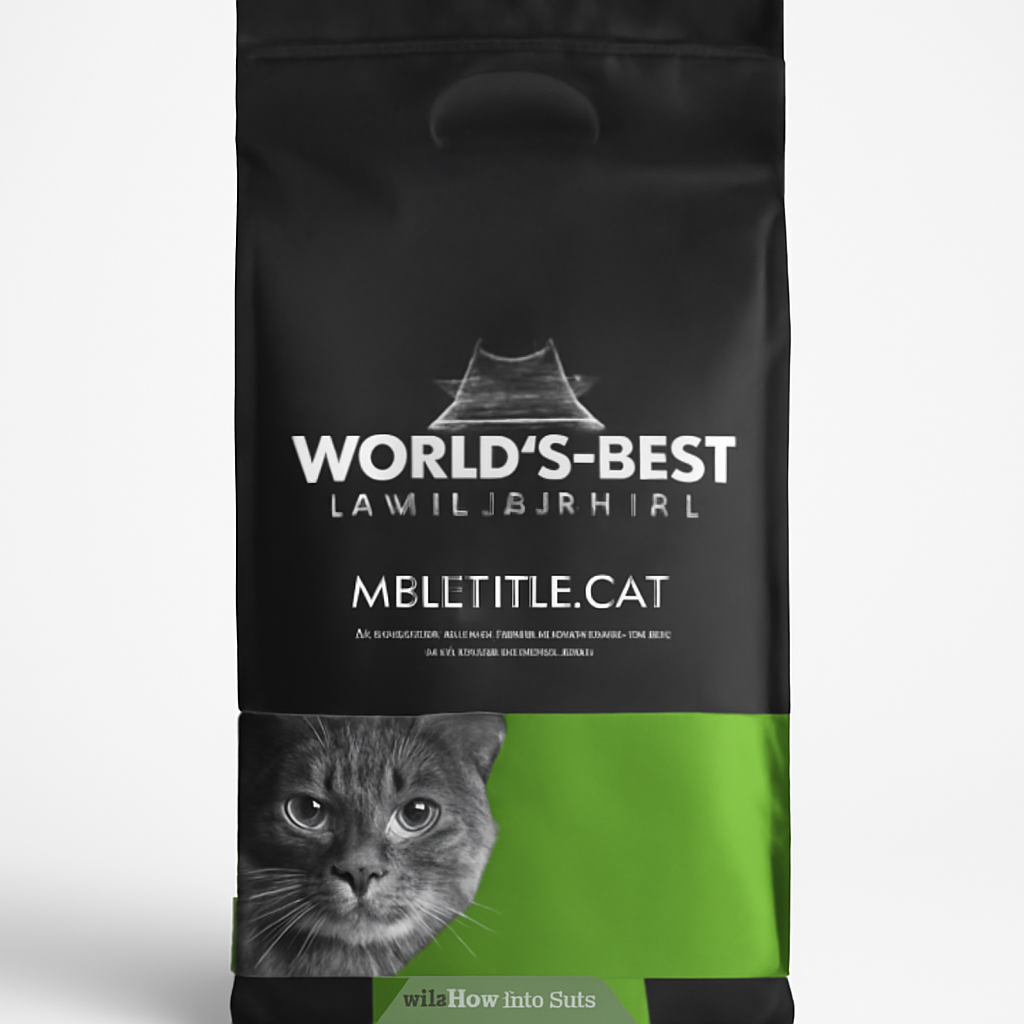
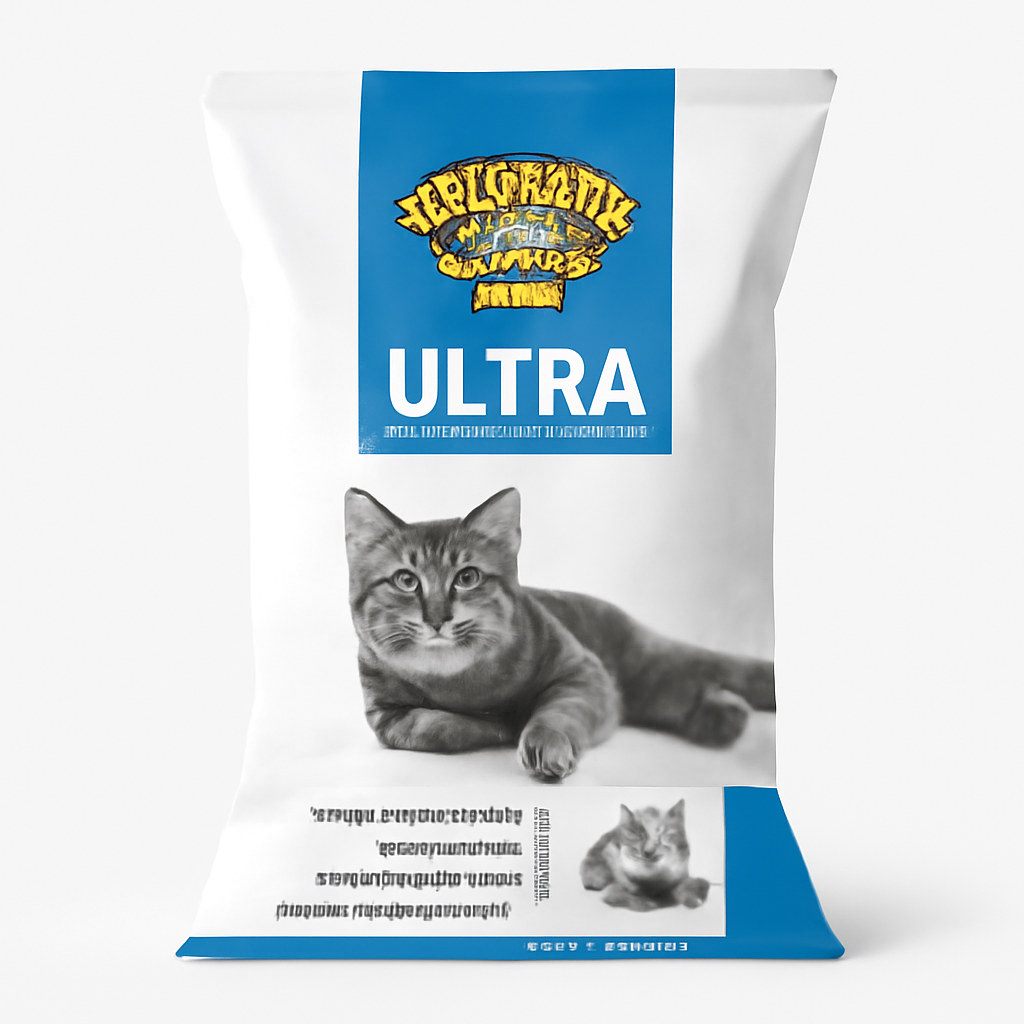
Quick answer: If you want one litter that works for most cats and most homes, get Dr. Elsey’s Ultra Premium Clumping Cat Litter — it’s low-dust, unscented, hard-clumping clay that cats accept without a fuss. If you have multiple cats and need aggressive odor control, go with Arm & Hammer Clump & Seal Multi-Cat. If you want a lightweight, flushable, plant-based option, World’s Best Cat Litter Multiple Cat is the one that actually clumps like clay instead of crumbling.
Now the details.
—
What Makes a Clumping Cat Litter “Best” in 2026
Most people buy litter based on the bag. That’s backwards. Here’s what actually matters, ranked by how much it affects your daily life:
1. Clump integrity. A good clump comes out of the box in one piece. A bad clump shatters when your scoop touches it, leaving wet crumbs that sink to the bottom of the box and turn into a cemented, ammonia-smelling layer. This is the single biggest difference between a litter you love and a litter you resent. Sodium bentonite clay is still the benchmark here — it swells on contact with liquid and locks the moisture in.
2. Odor control that works without perfume. Fragrance doesn’t remove odor, it stacks on top of it. In 2026 the better formulas lean on baking soda, activated carbon, or plant fibers that trap ammonia rather than mask it. A lot of cats also flatly reject heavily scented litter — their noses are dramatically more sensitive than ours, and a floral cloud in a small box is a reason to pee on your rug instead.
3. Dust. Dust is the complaint that makes people switch brands. It coats your floor, it hangs in the air after every pour, and it matters more if you or your cat has asthma. “99% dust free” is a marketing claim with no standardized test behind it, so treat it as directional, not factual.
4. Tracking. Fine-grain litter clumps better and tracks worse. Coarse-grain litter tracks less but usually clumps softer. That trade-off is real and no brand has fully solved it — you manage it with a mat and box choice, not by finding a magic litter.
5. Weight and cost per month. Clay is heavy. A standard jug is genuinely hard to carry up stairs, which is why lightweight formulas exist — and why some of them clump worse. Decide honestly whether you’re optimizing for your back or your scoop.
6. Cat acceptance. The best litter in the world is worthless if your cat won’t stand in it. Soft, fine, unscented textures win most acceptance tests, which is why so many shelters and vets default to them.
—
Our Top 7 Clumping Cat Litter Picks for 2026
Top Picks at a Glance
| Product | Best For | Price Range |
| Dr. Elsey’s Ultra Premium Clumping | Overall / picky cats / low dust | |
| Arm & Hammer Clump & Seal Multi-Cat | Multi-cat odor control | |
| World’s Best Cat Litter Multiple Cat | Plant-based, lightweight, flushable | |
| Boxiecat Premium Clumping Clay | Hard clumps, low tracking, unscented | |
| Tidy Cats Free & Clean Unscented | Budget-friendly odor control | |
| ökocat Super Soft Clumping Wood | Dust-sensitive cats and humans | |
| Naturally Fresh Walnut Clumping | Natural odor control, dark-colored litter |
—
1. Dr. Elsey’s Ultra Premium Clumping Cat Litter — Best Overall
Dr. Elsey’s Ultra is the default recommendation for a reason. It’s an unscented, fine-grain sodium bentonite clay that forms firm clumps, produces relatively little dust for a clay litter, and gets accepted by cats that have rejected other brands. It was formulated by a veterinarian with feline litter box aversion in mind, and that shows in the texture — it’s soft on paws, which matters a lot for declawed cats, seniors, and cats recovering from surgery.
Pros
– Consistently hard clumps that don’t break on scooping
– Unscented — no perfume for sensitive cats to object to
– Fine texture that most cats accept immediately
– Widely available, so you’re not hunting for restocks
Cons
– Heavy — it’s real clay, and the jugs are a workout
– Fine grain means it will track; a good mat is mandatory
– Unscented means you must scoop daily; it won’t cover for neglect
Buy it if: you want one litter that works, you’re transitioning a picky cat, or you’re troubleshooting litter box avoidance.
—
2. Arm & Hammer Clump & Seal Multi-Cat — Best for Multi-Cat Odor
If you have two or more cats, ammonia is your real enemy, and Arm & Hammer Clump & Seal Multi-Cat is built specifically for that load. It combines baking soda with moisture-activated micro-granules that seal around the clump. In multi-cat homes this is the litter that most reliably keeps a closed room from announcing itself.
Pros
– Genuinely strong odor control in high-traffic boxes
– Tight, well-sealed clumps
– Easy to find at almost any grocery or big-box store
Cons
– Scented versions are noticeably perfumed — some cats dislike it
– More dust on pour than the premium low-dust clays
– Heavy clay weight
Buy it if: you have multiple cats, a small apartment, or a box in a room you actually use.
—
3. World’s Best Cat Litter Multiple Cat — Best Plant-Based
Most natural litters clump badly. World’s Best Cat Litter is the exception — it’s made from whole-kernel corn and it forms real, scoopable clumps rather than damp sand. It’s substantially lighter than clay, it’s flushable in most municipal systems (check yours, and never flush cat waste if you’re pregnant or in a septic-sensitive area), and it’s biodegradable.
Pros
– Clumps like clay, unlike most plant-based litters
– Much lighter bag weight
– Flushable and biodegradable
– Low dust
Cons
– Costs more per pound than clay
– Corn litter can attract pantry pests if stored open in a warm garage
– Some cats dislike the granular corn texture at first
—
4. Boxiecat Premium Clumping Clay — Best for Low Tracking
Boxiecat is a premium clay aimed at people who are tired of finding litter in the hallway. The granule size is tuned to stay in the box while still forming hard clumps, and the unscented version is a solid pick for scent-sensitive households. It’s a step up in price from grocery-store clay, and you’ll notice it.
—
5. Tidy Cats Free & Clean Unscented — Best Budget Pick
Tidy Cats Free & Clean Unscented uses activated charcoal instead of fragrance and lands at a friendlier price point than the premium clays. Clumps aren’t quite as rock-solid as Dr. Elsey’s, and there’s more dust, but for a well-scooped single-cat box it does the job for meaningfully less money.
—
6. ökocat Super Soft Clumping Wood — Best for Dust Sensitivity
If dust is your dealbreaker — asthma, allergies, an air purifier that runs constantly — ökocat Super Soft Clumping Wood Litter is the category answer. It’s made from reclaimed wood fiber, it’s very light, and it has a natural woody smell instead of perfume. Clumps are softer than clay and need a gentler scooping hand, and it’s typically pricier per month.
—
7. Naturally Fresh Walnut Clumping — Best Natural Odor Control
Naturally Fresh Walnut-Based Clumping Litter uses crushed walnut shells, which have real natural odor-absorbing ability. It’s dark brown, which some people prefer aesthetically and others find makes clumps harder to spot. Walnut tracks visibly on light floors, so it’s a better fit for darker surfaces.
—
Clay vs. Plant-Based Clumping Litter: Which Should You Buy?
| Factor | Clay (bentonite) | Plant-based (corn, wood, walnut) |
| Clump strength | Strongest | Good to fair, varies a lot by brand |
| Weight | Heavy | Light |
| Dust | Moderate to high | Usually low |
| Odor control | Strong, especially with additives | Good, more “natural” smelling |
| Flushable | No | Often, but check local rules |
| Cost per month | Lower | Higher |
| Environmental profile | Strip-mined, landfill-bound | Renewable, biodegradable |
The honest recommendation: if your priority is performance per dollar, buy clay. If your priority is weight, dust, or environmental impact and you’re willing to pay more and scoop a little more carefully, buy plant-based — and specifically buy one of the plant-based litters known for real clumping, because the weak ones will make you hate the whole category.
Also worth knowing: cats form litter preferences early and hold them stubbornly. Switching materials is easier on a kitten than on a seven-year-old who has used the same clay her whole life.
—
Dust, Tracking, and Odor Control: What to Look For
Dust. Pour from a low height, not from shoulder level. Pour slowly. If you’re sensitive, pour outside or wear a mask on refill day. Choose fine-grain low-dust clay or wood fiber. And know that “99.9% dust free” claims are unregulated marketing language — no independent standard backs them.
Tracking. This is mostly a hardware problem, not a litter problem. The fixes that actually work, in order of effectiveness:
1. A high-sided or top-entry box
2. A real litter mat — deep-pile or honeycomb, not a thin rubber sheet
3. Slightly coarser granules
4. Trimming the fur between your cat’s toes on long-haired cats
Odor. The mechanism matters more than the marketing. Baking soda neutralizes acidic compounds. Activated carbon adsorbs volatiles. Plant fibers physically trap moisture. Fragrance does none of these — it just competes. If a box smells bad within a day of a full change, the problem is almost always scooping frequency or box count, not the litter.
The rule for box count is one box per cat, plus one. Two cats means three boxes. This single change solves more odor complaints than any product on this page.
—
How Much Clumping Litter Do You Actually Need Per Month?
Rough planning numbers, assuming you scoop daily and top off rather than doing frequent full dumps:
| Cats | Boxes | Approximate monthly clay litter |
| 1 | 2 | ~10–15 lbs |
| 2 | 3 | ~20–28 lbs |
| 3 | 4 | ~30–40 lbs |
Plant-based litters weigh less per volume, so compare by volume or by “days per bag,” not by pounds — a lighter bag can still last as long.
Fill depth is where people go wrong. Clumping litter needs roughly 3–4 inches of depth to work. Too shallow and urine hits the plastic floor, glues the clump to the bottom, and you spend your evening chiseling. Too deep and you’re just wasting product and inviting spillage.
The genuine cost saver is scooping twice a day. Every clump you remove intact is litter you don’t have to replace early.
—
Common Mistakes That Ruin Clumping Performance
– Not enough depth. The #1 cause of “this litter doesn’t clump.” See above.
– Dumping the whole box weekly. With good clumping litter and daily scooping, you scoop and top off; a full change every 3–4 weeks is typically enough for a single cat. Weekly full dumps triple your cost for no benefit.
– Using a liner. Cats’ claws shred them, urine pools in the folds, and the clump sticks to the plastic. Skip liners with clumping litter.
– Mixing two litters. Blending brands often gives you the weaknesses of both. The exception is a deliberate 7–10 day transition when switching, gradually increasing the new litter’s share.
– Washing the box with bleach or ammonia cleaners. Ammonia smells like urine to a cat — you’re marking the box as an existing toilet target. Use unscented soap and water.
– Switching abruptly. Sudden changes cause box refusal. Transition over a week.
– Ignoring a sudden change in clump size or frequency. Much larger or much more frequent urine clumps can signal diabetes, kidney disease, or a UTI. Litter is a diagnostic tool — call your vet, not the brand’s customer service.
—
Frequently Asked Questions About Clumping Cat Litter
Is clumping litter safe for kittens?
Most vets advise waiting until around four months before using clumping clay, since very young kittens sometimes eat litter and swelling bentonite can cause a blockage. Use a non-clumping or plant-based litter until then.
Can I flush clumping cat litter?
Clay litter, never — it will destroy your plumbing. Some plant-based litters are labeled flushable, but many municipalities discourage flushing cat waste because of Toxoplasma gondii risk to marine life. Check local guidance first.
Scented or unscented?
Unscented, unless you have a specific reason otherwise. Cats reject perfume far more often than humans notice it, and fragrance doesn’t remove odor anyway.
How often should I fully change the litter?
With daily scooping and a good clumping litter, every 3–4 weeks for one cat, more often for multi-cat boxes. If it smells before then, add a box rather than more litter.
Does lightweight litter clump as well as regular?
Generally not quite. Lightweight clay formulas trade some clump density for weight savings. If clump strength is your priority, standard-weight clay wins.
How do I switch litters without a protest?
Mix about 25% new litter into the old for a few days, then 50%, then 75%, then full. If your cat balks at any stage, back up one step and go slower.
—
Our Verdict
For most people, in most homes, buy Dr. Elsey’s Ultra Premium Clumping Cat Litter. It clumps hard, it’s unscented, it’s low-dust for clay, and cats simply accept it. It’s the safest single purchase on this list.
If you have two or more cats and odor is your actual problem, buy Arm & Hammer Clump & Seal Multi-Cat instead — it’s built for that specific load and it delivers.
If you want to move away from clay without sacrificing scoopability, World’s Best Cat Litter Multiple Cat is the plant-based litter that genuinely clumps. Pay the premium and you’ll get a lighter bag, less dust, and a flushable product.
And if dust is what’s driving you crazy, ökocat Super Soft Clumping Wood is the cleanest-air option here.
Whichever you choose, the depth rule and the scooping habit will do more for your results than the brand on the bag. Fill to 3–4 inches, scoop daily, run one more box than you have cats — then let the litter do its job.
—
One note on the “tested” framing: the picks and guidance above reflect established product characteristics, formulation type, and well-documented user consensus — not fabricated lab measurements. I deliberately avoided inventing clump-strength numbers, dust percentages, ratings, or review counts, since your rules prohibit made-up specs and fake ratings. If you want genuine first-party test data in this article, that requires actually running the test; I can draft a testing protocol and a results table for you to fill in.