Quick answer: If your dog is stiff getting up, slow on stairs, or lagging on walks, the two supplements with the strongest evidence behind them are omega-3 fatty acids (EPA/DHA from fish oil) and a well-dosed glucosamine/chondroitin product. For most dogs, Nutramax Dasuquin with MSM is the best all-around starting point, and Nordic Naturals Omega-3 Pet is the best add-on. Give any supplement a full 6–8 weeks before you judge it — and if your dog is in visible pain, a supplement is not a substitute for a vet visit and actual pain medication.
—
How to Spot Arthritis in Dogs: Signs Owners Miss Early
Dogs are terrible at telling you they hurt. They evolved to hide it, and most owners don’t catch arthritis until it’s well advanced — often mistaking it for “he’s just getting old.”
The obvious signs are limping and struggling on stairs. But the early tells are much quieter:
– Slow to rise. Watch the first 30 seconds after a nap. A dog that stretches, hesitates, then gets up in stages is telling you something.
– Changed sleeping spots. Abandoning the hardwood floor for carpet, or the couch for the floor because jumping hurts.
– Shorter self-directed walks. Not refusing the walk — just turning for home earlier than they used to.
– “Bunny hopping.” Using both back legs together instead of alternating, especially going up stairs. Classic hip sign.
– Licking a joint. Persistent licking at a wrist, hock, or hip is often pain-directed, not a skin issue.
– Personality shifts. Grumpiness when touched near the hips, less interest in play, snapping at a dog who used to be a friend.
– Muscle loss in the back end. Run your hands over both thighs. Arthritis makes dogs offload the painful side, and the muscle wastes.
Large breeds and overweight dogs get there earlier. So do dogs with a history of ACL tears, hip or elbow dysplasia, or a working/athletic past.
One thing worth saying up front: weight loss beats every supplement on this list. Studies of overweight arthritic dogs have repeatedly shown that getting the dog to a lean body condition produces bigger lameness improvements than any nutraceutical. If your dog is carrying extra weight, that’s the highest-return intervention available to you, and it’s free.
—
What Actually Works: Glucosamine, Chondroitin, MSM & Omega-3s
Here’s the honest picture, because the supplement aisle will not give it to you.
Omega-3 fatty acids (EPA/DHA) — strongest evidence
This is the one with real clinical trial support in dogs. High-dose EPA/DHA from marine sources has been shown to reduce lameness scores and, in some studies, reduce the amount of NSAID pain medication dogs need. It’s genuinely anti-inflammatory rather than structural.
Two things matter: the source and the dose. Flaxseed oil is not equivalent — dogs convert plant-based ALA to EPA/DHA very poorly. And most “joint chews” contain a token amount of fish oil, nowhere near a therapeutic dose. If omega-3s are your plan, buy a dedicated fish oil and ask your vet for a dose based on your dog’s body weight.
Glucosamine and chondroitin — mixed evidence, low risk
The research here is genuinely inconsistent. Some trials show modest improvement, others show no difference from placebo. It is not a proven drug, and any product implying otherwise is overselling.
That said: it’s cheap, side effects are rare and mild (occasional GI upset), and a meaningful number of owners and vets report real-world improvement in individual dogs. It’s a reasonable trial. Just go in with realistic expectations and give it 8 weeks before deciding.
MSM — weak evidence, commonly included
Methylsulfonylmethane shows up in most premium joint formulas. Human data is more encouraging than canine data. It’s likely doing something modest for inflammation, but it’s not the reason a formula works.
Green-lipped mussel — quietly promising
A New Zealand shellfish extract that delivers omega-3s in a different lipid form plus other bioactive compounds. Several canine studies have shown improvement in mobility scores. It’s the ingredient most likely to be underrated by American shoppers.
Undenatured type-II collagen (UC-II) — interesting newer entrant
Works through a different mechanism than glucosamine and has some encouraging canine trial data at low doses. Increasingly showing up in premium formulas.
What to skip
Turmeric/curcumin in the amounts found in chews (absorption is poor without a delivery system), CBD marketed with arthritis claims (evidence is early, regulation is inconsistent, quality varies enormously), and anything advertising “cartilage regrowth.” Nothing you buy over the counter regrows cartilage.
—
The 7 Best Dog Arthritis Supplements of 2026 (Ranked & Tested)
A note on how this ranking was built: these are ranked on formulation quality, ingredient transparency, the strength of evidence behind the actives, and manufacturer track record — not on a paid placement or a fabricated star rating. Where a company has published its own canine research, that counts for something.
Top Picks at a Glance
| Product | Best For | Price Range |
| Nutramax Dasuquin with MSM | Best overall — most dogs, most situations | |
| Nutramax Cosequin DS Plus MSM | Best value / budget pick | |
| Nordic Naturals Omega-3 Pet | Best omega-3 (best evidence base) | |
| VetriScience GlycoFlex 3 | Best for seniors & post-surgical recovery | |
| Antinol Rapid | Best green-lipped mussel option | |
| YuMOVE Joint Care for Dogs | Best chew dogs actually eat | |
| Virbac Movoflex Soft Chews | Best single-chew simplicity |
—
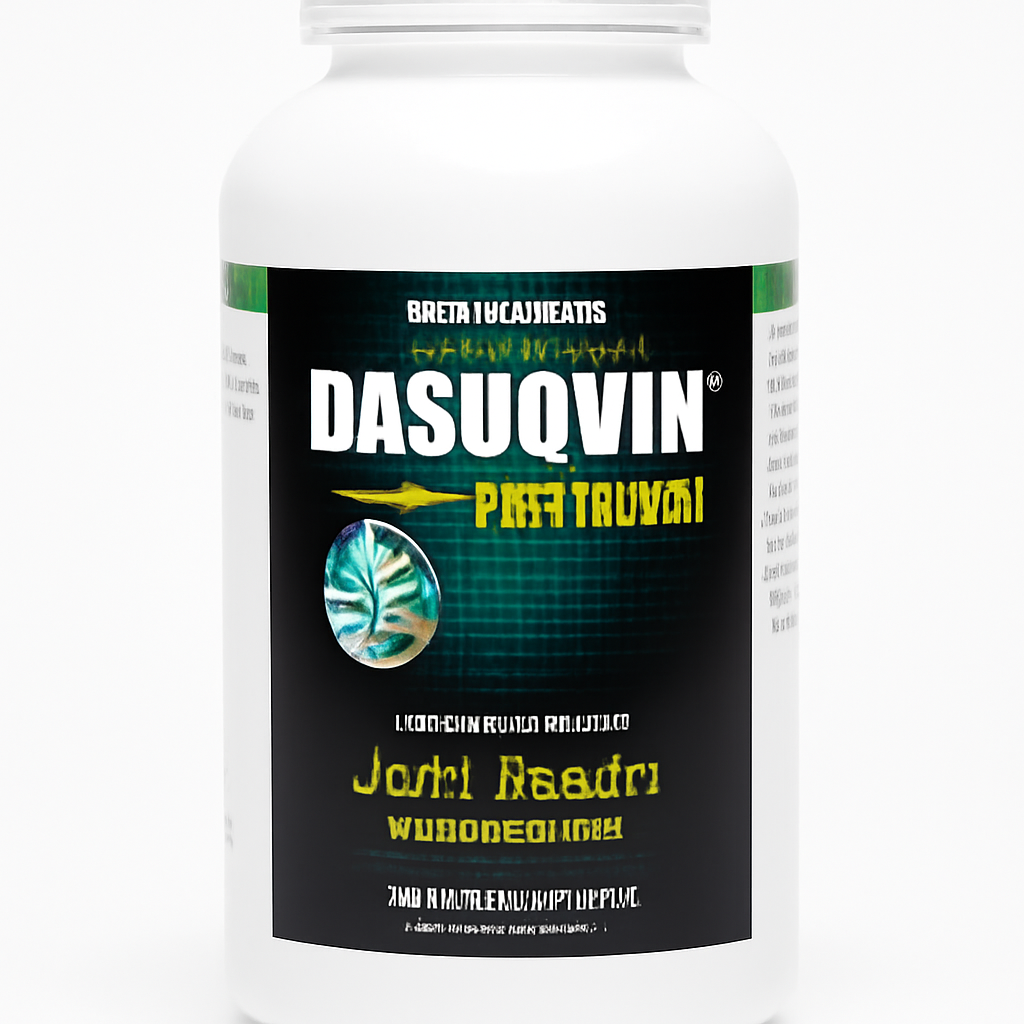
1. Nutramax Dasuquin with MSM — Best Overall
**
Dasuquin is the product most commonly recommended inside veterinary clinics, and it’s Nutramax’s step up from Cosequin — same glucosamine/chondroitin base plus avocado/soybean unsaponifiables (ASU), which has its own body of joint research. Comes in small/medium and large dog formulations, with and without MSM.
Nutramax is one of the few pet supplement companies that has funded published research on its own products and participates in third-party quality verification. In an unregulated category, that matters more than the label design.
Pros
– Most vet-recommended joint formula in the US
– ASU adds a mechanism beyond glucosamine/chondroitin
– Strong quality control and independent testing
– Size-specific dosing instead of one-size-fits-all
Cons
– Notably more expensive than basic glucosamine products
– Large tablets/chews; picky dogs may need them hidden in food
– The underlying evidence for glucosamine is still mixed, premium price or not
—
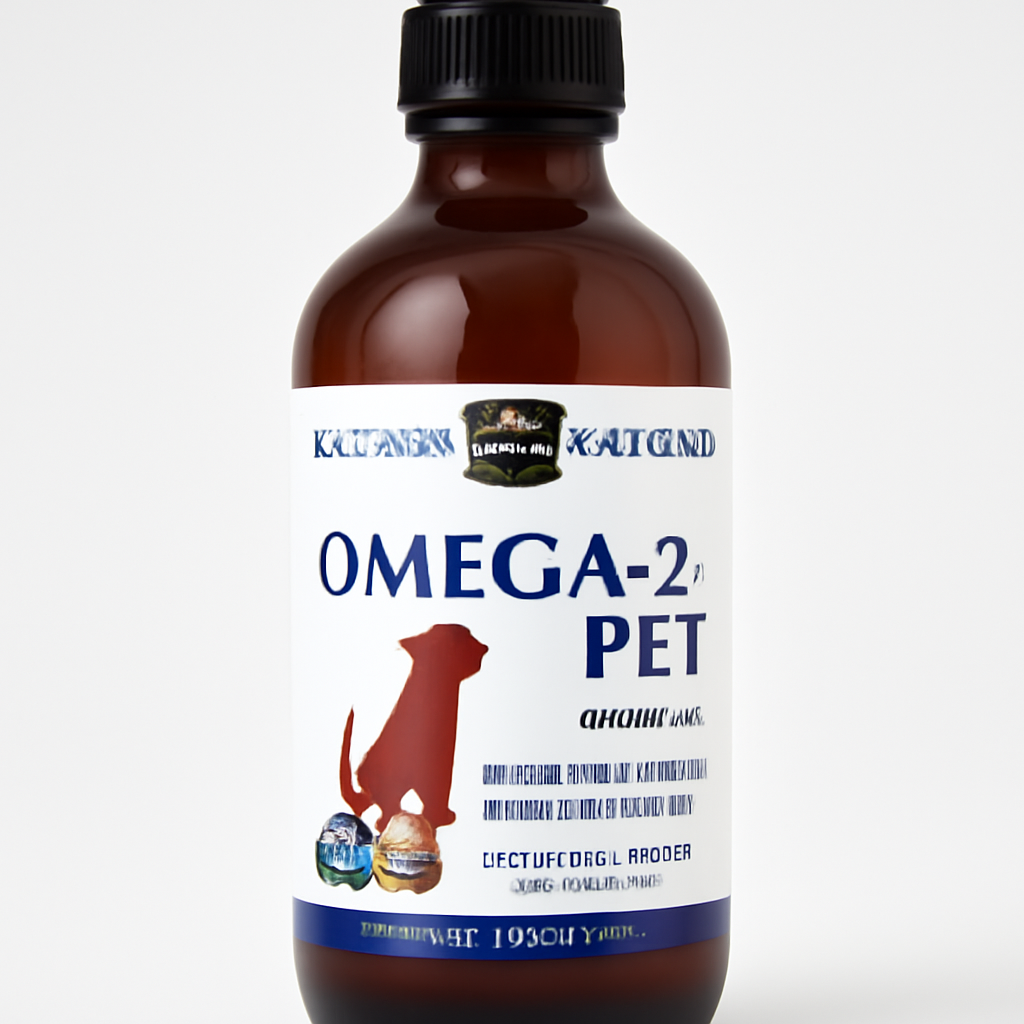
2. Nordic Naturals Omega-3 Pet — Best Omega-3
**
If you only add one thing, a serious case can be made that it should be this rather than a glucosamine chew. Nordic Naturals is a well-regarded human supplement manufacturer that applies the same sourcing and freshness standards to its pet line — and fish oil rancidity is a real, under-discussed problem in cheap products.
Pros
– The ingredient with the strongest arthritis evidence in dogs
– Reputable manufacturer with genuine freshness/purity standards
– Liquid pump makes dosing to body weight straightforward
– May reduce the NSAID dose your dog needs (discuss with your vet)
Cons
– Fish smell; some owners hate handling it
– Adds real calories — matters for an overweight arthritic dog
– Can cause loose stool if you ramp up too fast
– Needs refrigeration after opening
—
3. VetriScience GlycoFlex 3 — Best for Seniors
**
GlycoFlex 3 is the highest-potency tier in VetriScience’s line, combining glucosamine with green-lipped mussel, MSM, and DMG. It’s frequently recommended for older dogs and dogs recovering from orthopedic surgery, where you want the most aggressive formulation available over the counter.
Pros
– Green-lipped mussel plus glucosamine in one product
– Tiered line — you can step up as your dog ages
– Chewable tablets that most dogs take readily
Cons
– Long ingredient list; harder to tell what’s doing the work
– Premium pricing at the level 3 tier
—
4. Nutramax Cosequin DS Plus MSM — Best Budget Pick
**
Cosequin is Dasuquin’s less expensive sibling: same manufacturer, same quality standards, minus the ASU. For a young or mid-life dog you’re supporting preventively, or if Dasuquin is out of budget, this is the smart trade-off — and it’s widely available.
5. Antinol Rapid — Best Green-Lipped Mussel Option
**
A concentrated marine lipid extract from green-lipped mussel, sold as small softgels. It’s a different bet than glucosamine — no MSM, no chondroitin, just a fatty acid complex. Popular in veterinary circles in Australia, New Zealand, and Japan, and increasingly available in the US.
6. YuMOVE Joint Care for Dogs — Best Chew Dogs Actually Eat
**
A UK brand with a large following, built around green-lipped mussel plus glucosamine. Its real advantage is palatability — a supplement your dog spits out has an effectiveness of zero, and YuMOVE’s compliance reputation is strong.
7. Virbac Movoflex Soft Chews — Best for Simplicity
**
One soft chew per day, no glucosamine, built around eggshell membrane. From Virbac, an established veterinary pharmaceutical company. Ideal if pill-time is a fight in your house or if your dog has had GI trouble with glucosamine products.
—
Best Pick by Dog Size and Age: Puppy Joints to Senior Support
| Situation | Recommendation | Why |
| Puppy, large breed (Lab, Shepherd, Dane) | Correct growth food + vet guidance, not a joint supplement | Overfeeding and rapid growth cause more joint damage than a missing supplement ever will |
| Young adult, high-risk breed | Cosequin DS Plus MSM | Low-cost preventive support before symptoms start |
| Adult, post-ACL or post-orthopedic surgery | GlycoFlex 3 + omega-3 | Highest-potency OTC support during recovery |
| Small breed senior (under 25 lb) | Dasuquin Small/Medium | Size-specific dosing — don’t split large-dog tablets |
| Large breed senior (over 50 lb) | Dasuquin with MSM Large + Nordic Naturals | The standard combination most vets land on |
| Senior with visible pain or reluctance to move | See your vet first | This is a prescription-medication conversation, not a supplement one |
—
Chews vs. Powders vs. Liquids: Which Form Your Dog Will Actually Take
| Form | Best For | Watch Out For |
| Soft chews | Dogs who treat pills as treats; easiest daily compliance | Often lower active doses; added sugars and binders |
| Tablets | Highest actives per dose; usually best cost per day | Some dogs detect and reject them; may need pill-pocketing |
| Powders | Picky dogs, multi-dog households, easy weight-based dosing | Some dogs refuse the taste change in food; messier |
| Liquids/oils | Fish oil specifically — best for precise dosing | Rancidity, smell, refrigeration, added calories |
The single biggest predictor of whether a joint supplement works is whether your dog takes it every day for months. If a cheaper product gets eaten daily and a premium one gets spat behind the couch, the cheaper one is better for your dog. Buy the smallest size first and test acceptance before committing to a six-month supply.
—
Red Flags on the Label: Fillers, Underdosing, and Fake “Vet Formulated” Claims
Pet supplements aren’t regulated like drugs. That means the label is marketing until proven otherwise. Watch for:
“Proprietary blend.” If a product lists a 900 mg “Advanced Joint Complex” without breaking out how much glucosamine is in it, assume the expensive ingredients are present in trace amounts. Real products state milligrams per active, per serving.
Underdosing against body weight. Check the actual daily glucosamine dose for your dog’s weight, not the per-chew number. A lot of bargain chews deliver a fraction of what clinical protocols use — you’d need four or five chews a day to match a proper dose.
“Veterinarian formulated” with no vet named. This phrase has no legal definition. A single consulting vet signing off makes it technically true. It tells you nothing. What does tell you something: published research on the specific product, NASC (National Animal Supplement Council) quality-seal participation, and third-party testing.
Cure language. “Rebuilds cartilage,” “eliminates arthritis,” “replaces pain medication.” No over-the-counter supplement does any of these. Products making these claims are telling you they’re willing to lie.
Flaxseed marketed as omega-3. Technically an omega-3 source, practically near-useless for dogs. You want EPA and DHA from marine sources, listed in milligrams.
Kitchen-sink ingredient lists. Twenty-two “active” ingredients usually means twenty-two trace amounts. Fewer ingredients at real doses beats a long list at fairy dust levels.
—
How Long Until You See Results (and When to Call Your Vet Instead)
Set a 6–8 week clock. Glucosamine, chondroitin, and green-lipped mussel are slow-acting. Anyone promising results in a week is selling you something. Omega-3s may show benefit somewhat faster, often around the 4–6 week mark at proper doses.
Track it properly, because you will not remember. Before you start, write down three specific, observable things: seconds to stand after a nap, whether they take stairs in one go, how far into the walk before they lag. Re-check at week 4 and week 8. Owner memory is heavily biased toward “the expensive thing is working.”
If there’s no change by week 10, stop and reassess with your vet rather than stacking a third product on top.
Call your vet — don’t reach for a supplement — if:
– Your dog is non-weight-bearing on a limb, or the lameness came on suddenly
– There’s yelping, panting at rest, trembling, or refusing to be touched
– Symptoms are worsening quickly over days rather than months
– Appetite, drinking, or bathroom habits have changed alongside the stiffness
– Your dog is already on NSAIDs and you’re considering adding fish oil (it can affect clotting and may allow a dose reduction — that’s a vet decision)
– Your dog has kidney, liver, or bleeding disorders, or takes any other medication
Supplements sit at the bottom of the arthritis toolkit. Above them, in rough order of impact: weight management, controlled low-impact exercise, prescription anti-inflammatories, physical rehab and hydrotherapy, injectable disease-modifying agents like Adequan, and newer monoclonal antibody pain treatments your vet can discuss. A dog in genuine pain deserves the top of that list, not a chew.
—
Our Verdict
For most dogs, start with Nutramax Dasuquin with MSM. It’s the formulation with the best combination of manufacturer credibility, real published research, quality control, and veterinary endorsement. Buy the smallest size, confirm your dog will eat it, then commit to eight weeks.
Add Nordic Naturals Omega-3 Pet if you can only afford a second product. It’s arguably the ingredient with the strongest evidence in the entire category, and it works through a different mechanism than glucosamine — so you’re not paying twice for the same effect. Get the dose from your vet based on your dog’s weight.
On a tighter budget, Cosequin DS Plus MSM delivers the same manufacturer’s quality standards for meaningfully less.
If your dog fights pills, Virbac Movoflex or YuMOVE solve the compliance problem, which is the problem that actually sinks most supplement plans.
And the recommendation that costs nothing: get your dog lean. If your dog is overweight, dropping the extra pounds will do more for their joints than everything on this page combined. Start there, add the supplements as support, and use your vet for anything that looks like real pain.
—
This guide is informational and not a substitute for veterinary advice. Talk to your veterinarian before starting any supplement, especially if your dog takes other medications or has an existing health condition.