Quick answer: If you want a dental chew that veterinarians actually stand behind, look for the VOHC Seal of Acceptance on the package — that’s the only independent, science-backed certification in the category. Our top overall pick is Virbac C.E.T. VeggieDent FR3SH for its VOHC acceptance and gentle plant-based formula. For aggressive chewers, Greenies Original Dental Treats hold up better. Budget shoppers should look at Purina DentaLife Daily Oral Care, and dogs with grain or protein sensitivities do well on WHIMZEES Natural Dental Treats.
By age three, most dogs already show signs of periodontal disease. It’s the most common health problem vets diagnose in dogs, and it’s almost entirely preventable. The catch: brushing your dog’s teeth daily is the gold standard, and almost nobody does it consistently. Dental chews are the realistic middle ground — and the good ones genuinely work.
But “vet recommended” is plastered on nearly every bag in the pet aisle, and most of the time it means nothing at all. This guide shows you how to tell the difference.
—
Top Picks at a Glance
| Product | Best For | Price Range |
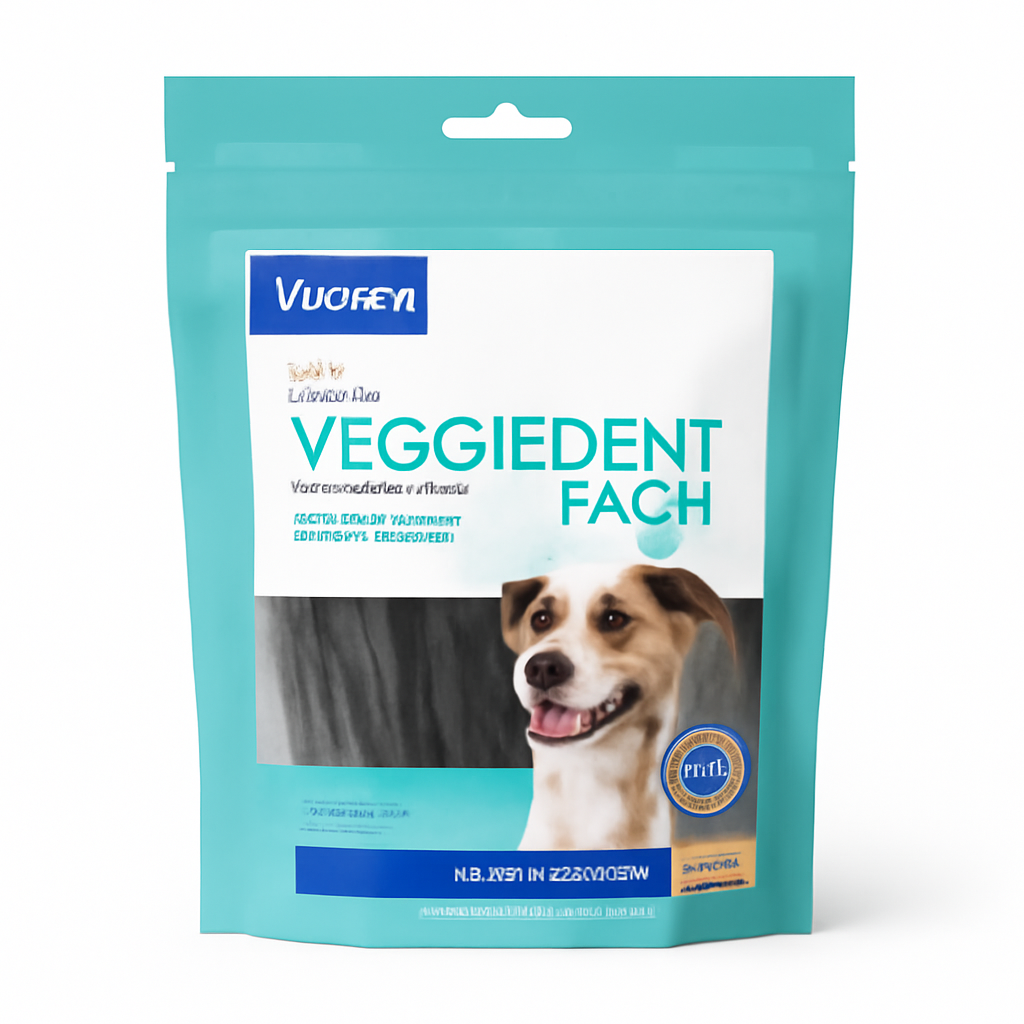
| Virbac C.E.T. VeggieDent FR3SH | Best overall / VOHC accepted | |
| Greenies Original Dental Treats | Aggressive chewers & picky dogs | |
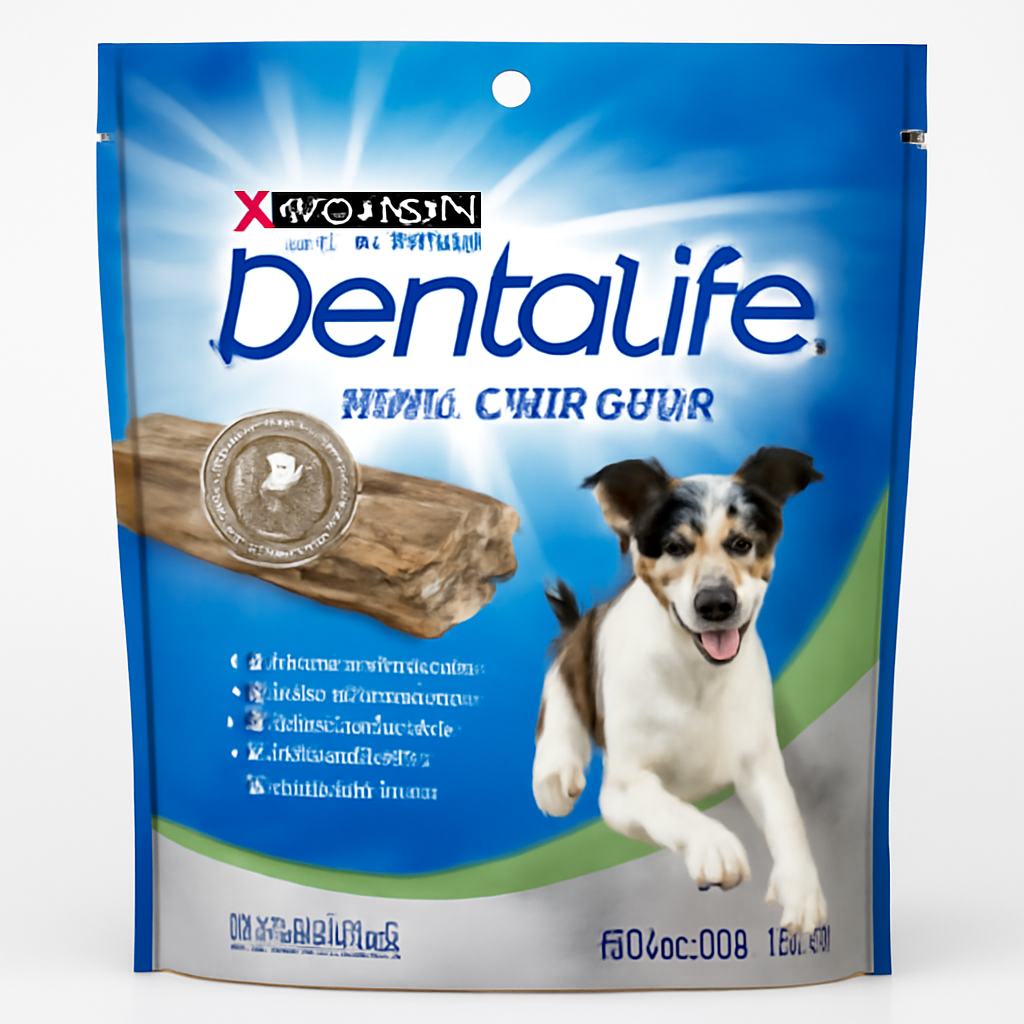
| Purina DentaLife Daily Oral Care | Best value / everyday use | |
| WHIMZEES Natural Dental Treats | Sensitive stomachs & limited ingredients | |
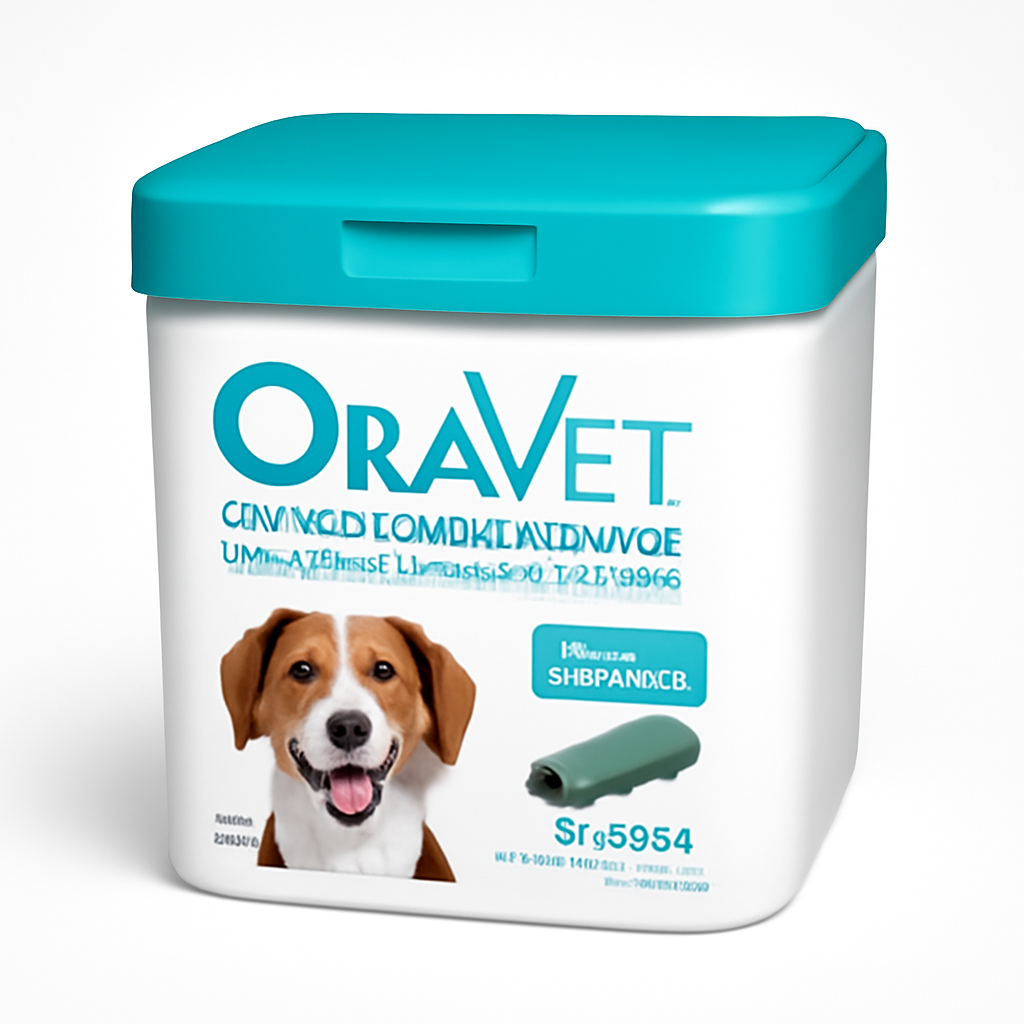
| OraVet Dental Hygiene Chews | Plaque prevention (barrier tech) | |
| Milk-Bone Brushing Chews | Wide availability / grocery-store convenience |
—
Why Dental Chews Matter for Your Dog’s Health
Plaque starts forming on your dog’s teeth within hours of eating. Left alone, it hardens into tartar in a couple of days, and once tartar is on the tooth, no chew, food, or water additive is going to remove it — that requires a professional cleaning under anesthesia.
The real damage isn’t cosmetic. Periodontal disease creates a chronic inflammatory load and a bacterial entry point into the bloodstream, which is why veterinary dentists connect advanced dental disease to strain on the heart, liver, and kidneys. And dogs are very good at hiding oral pain. A dog with an abscessed tooth will often keep eating normally right up until the day it can’t.
Dental chews work through two mechanisms:
– Mechanical abrasion — the chew’s texture physically scrapes plaque off the tooth surface as the dog gnaws
– Chemical action — some formulas add ingredients that bind salivary calcium or disrupt bacterial biofilm before plaque can mineralize
A good chew won’t replace professional cleanings. What it will do is meaningfully stretch the interval between them, and that’s worth real money — professional dental cleanings routinely run into the hundreds of dollars.
> A note before we go further: this guide is general information, not veterinary advice. If your dog already has visible tartar, red or bleeding gums, bad breath, or is dropping food while eating, book a vet exam first. A chew won’t fix an existing problem.
—
What Makes a Dental Chew Actually Vet Recommended
Here’s the thing nobody in the pet industry wants you to know: “vet recommended” is not a regulated claim. A brand can put it on a bag because one veterinarian somewhere said something nice about it. It carries no legal weight.
The VOHC Seal Is the Real Standard
The Veterinary Oral Health Council (VOHC) is an independent body that reviews submitted trial data and awards a Seal of Acceptance only to products that demonstrate a statistically significant reduction in plaque, tartar, or both. Products are evaluated in controlled trials, not marketing focus groups.
If a product carries the VOHC seal, a real study showed it did something. If it doesn’t, you’re trusting the packaging.
The VOHC maintains a public list of accepted products on its website, and it’s free to check. Do that before you buy anything — it takes thirty seconds and it eliminates most of the guesswork in this entire category.
The Other Two Things Vets Care About
Hardness. This is the one most owners get wrong. Veterinary dentists see a steady stream of slab fractures on the upper fourth premolar caused by chews that are too hard — antlers, hooves, nylon bones, bully sticks past a certain density. The rule of thumb dentists use: if you can’t dent it with your thumbnail, or you’d be upset if it hit you in the knee, it’s too hard for a dog’s tooth.
Good dental chews should have some give. They should flex and compress, not shatter.
Digestibility. A chew that gets gulped in two bites needs to break down in the stomach rather than sit there as an obstruction risk. Reputable manufacturers publish digestibility data; the highly-processed novelty chews at gas stations do not.
Red Flags to Ignore Marketing-Wise
– “Veterinarian formulated” with no named vet or institution
– “Clinically proven” with no citation or published trial
– Star ratings and review counts on the packaging itself
– Any claim that a chew “replaces brushing”
—
Key Ingredients to Look For (and Ones to Avoid)
Worth Looking For
Sodium hexametaphosphate (HMP) — binds calcium in saliva so plaque can’t mineralize into tartar as easily. This is the workhorse ingredient in several VOHC-accepted products.
Delmopinol — forms a physical barrier on the tooth surface that makes it harder for bacteria to adhere in the first place. This is the differentiator in OraVet Dental Hygiene Chews and it’s a genuinely different approach from pure abrasion.
Chlorophyll, parsley, spearmint, eucalyptus oil — these address breath odor. They’re cosmetic, not therapeutic, but bad breath is often why owners buy in the first place, so it’s fair to want it.
Zinc salts and enzymatic blends (glucose oxidase, lactoperoxidase) — antibacterial support that reduces the bacterial load producing volatile sulfur compounds.
Digestible base proteins — rice, potato, pea, or wheat starch bases that actually break down. Look for brands that publish digestibility percentages.
Worth Avoiding
Rawhide. Vets have been backing away from it for years — inconsistent digestibility, choking risk from swallowed strips, and processing chemical concerns depending on origin.
Anything you can’t dent. Antlers, hooves, real bones, and hard nylon. These break teeth. This is not a controversial opinion in veterinary dentistry; it’s near-universal.
Artificial dyes. Purely for the human buying the bag. Your dog is red-green colorblind and does not care that the chew is green.
Excessive calorie density. Some dental chews carry 100+ calories each. For a 15-pound dog that’s a significant chunk of daily intake, and obesity will hurt your dog long before their teeth do.
Undisclosed sourcing. If the label won’t tell you where ingredients come from, that’s information in itself.
—
How to Choose the Right Size and Texture for Your Dog
Size selection matters more for dental chews than for almost any other treat, and for two separate reasons.
Too small is a choking hazard. A chew a large dog can swallow whole does nothing for their teeth and can lodge in the esophagus. Always buy for your dog’s actual weight, never round down to save money.
Too big means they won’t engage. A small dog handed a large-breed chew often just licks it, gets bored, and walks away. No chewing, no abrasion, no benefit.
Matching by Size
| Dog Weight | What to Look For |
| Under 15 lbs (Teacup/Toy) | Small or “petite” sizing, softer texture, low calorie count |
| 15–30 lbs (Small) | Small/regular sizing with flexible texture |
| 30–50 lbs (Medium) | Regular/medium sizing, moderate density |
| 50–90 lbs (Large) | Large sizing — must not be swallowable whole |
| 90+ lbs (Giant) | Giant/XL sizing, highest durability tier |
Matching by Chewing Style
Gulpers swallow chews nearly whole. These dogs need the largest safe size and close supervision. Honestly, gulpers get more benefit from brushing and a water additive than from chews.
Power chewers destroy things in under a minute. They need denser, more durable formulas — Greenies Original and the harder WHIMZEES shapes hold up better than most.
Grazers work at a chew for ten or fifteen minutes. Congratulations, your dog is ideal for this product category and almost anything VOHC-accepted will work.
Seniors and dogs with existing dental disease need soft options only, and you should clear it with your vet first. A dog with loose or painful teeth should not be given a hard chew.
—
Top Vet Recommended Dog Dental Chews for 2026
1. Virbac C.E.T. VeggieDent FR3SH — Best Overall
Virbac C.E.T. VeggieDent FR3SH is the chew most likely to be sitting behind the counter at your vet’s office, and that’s not an accident. Virbac is a veterinary pharmaceutical company first and a treat company second. The Z-shaped chew is plant-based, VOHC-accepted, and formulated to be highly digestible.
The texture is the standout feature — it’s pliable rather than hard, which means it conforms around the tooth as the dog chews instead of shattering. That’s exactly the mechanical profile dental specialists want.
Pros
– VOHC Seal of Acceptance
– Plant-based and highly digestible — good for dogs sensitive to animal proteins
– Soft, flexible texture that’s gentle on tooth enamel
– Distributed through veterinary channels, so quality control is tight
– Genuinely effective on breath odor
Cons
– Typically among the more expensive options per chew
– Aggressive chewers finish one quickly
– Less widely stocked in general retail than mass-market brands
– The Z shape is polarizing — some dogs take a while to figure out how to work it
—
2. Greenies Original Dental Treats — Best for Aggressive Chewers
Greenies Original Dental Treats are the best-known name in the category and have been reformulated substantially since the early digestibility concerns that gave the brand a rough reputation years ago. Current formulations are VOHC-accepted and the manufacturer publishes digestibility data.
The signature toothbrush-bristle texture is designed to flex down to the gumline, which is where periodontal disease actually starts. Palatability is exceptional — this is the chew that works on dogs who reject everything else.
Pros
– VOHC accepted for both plaque and tartar control
– Outstanding palatability — very few dogs turn these down
– Broad size range from Teenie through Jumbo
– Widely available everywhere
– Texture engineered to reach the gumline
Cons
– Calorie-dense — needs to be counted against daily intake
– Wheat-based, so not suitable for wheat-sensitive dogs
– Gulpers must be supervised; size up if your dog swallows fast
– Premium pricing for the size range
—
3. Purina DentaLife Daily Oral Care — Best Value
Purina DentaLife Daily Oral Care is built around a porous, aerated texture that lets the chew make contact with more of the tooth surface than a solid chew does. It’s VOHC-accepted, it’s carried nearly everywhere, and it typically costs meaningfully less per chew than the veterinary-channel options.
If the alternative is not giving your dog a dental chew at all because the good ones cost too much, this is the one to buy. Consistency beats optimization.
Pros
– VOHC accepted at a mass-market price point
– Porous texture increases tooth contact area
– Easy to find in grocery, big-box, and online retail
– Lower calorie count than several competitors
Cons
– Less durable — power chewers finish fast
– Ingredient list is longer and less “clean label” than boutique options
– Breath-freshening effect is milder
—
4. WHIMZEES Natural Dental Treats — Best Limited-Ingredient Option
WHIMZEES Natural Dental Treats are made from a short, vegetable-based ingredient list — no artificial colors, flavors, or preservatives. The fun shapes (toothbrush, alligator, hedgehog) aren’t just marketing; the grooves and ridges are what create the abrasive action.
This is the pick for dogs with food sensitivities, and the harder texture means they last longer than most competitors.
—
5. OraVet Dental Hygiene Chews — Best Preventive Technology
OraVet Dental Hygiene Chews take a different route. Rather than relying primarily on abrasion, OraVet releases delmopinol, which coats the teeth and gums with a barrier that interferes with bacterial attachment. Prevention rather than removal.
Worth considering for dogs who’ve just had a professional cleaning and where the goal is keeping teeth clean as long as possible.
—
6. Milk-Bone Brushing Chews — Best Everyday Availability
Milk-Bone Brushing Chews feature a nub-and-ridge design targeting the hard-to-reach back teeth, and they’re VOHC-accepted. The main advantage is practical: they’re in every grocery store in the country. Not the most sophisticated formula here, but reliable and easy to restock.
—
How to Safely Introduce Dental Chews Into Your Dog’s Routine
Start with one chew, not a routine. Give a single chew and watch how your dog handles it. Some dogs shred and gulp; you want to know that before you’ve committed to a 30-count bag.
Always supervise, especially the first week. Never give a dental chew to a dog in a crate, in a car, or alone in another room. Choking incidents happen fast and quietly.
Take the end piece away. Once the chew is small enough to swallow whole, it’s done its job. Trade it for a different treat and toss the remainder.
Once daily is the standard. Nearly all VOHC trials were run on once-daily use. More is not better — it’s just more calories.
Subtract from the meal. Dental chews carry real caloric weight. Reduce dinner accordingly or you’ll trade a dental problem for a weight problem.
Watch stools for the first few days. Loose stool means the formula isn’t agreeing with your dog. Switch, don’t push through.
Add brushing if you can. Even two or three brushings a week alongside a daily chew dramatically outperforms either alone. Dog-specific toothpaste only — human toothpaste contains xylitol and fluoride, both of which are dangerous for dogs.
—
Frequently Asked Questions About Dog Dental Chews
Do dental chews actually work, or is it marketing?
VOHC-accepted chews work — trial data supports meaningful reductions in plaque and tartar accumulation. Non-certified chews are unproven. The seal is the dividing line.
Can dental chews replace professional cleanings?
No. Chews slow plaque accumulation; they cannot remove hardened tartar or treat disease below the gumline. Think of them as extending the interval between cleanings, not eliminating them.
How old does my dog need to be?
Most manufacturers set a minimum around six months, once adult teeth are in. Check the package, and ask your vet for puppies.
My dog swallows them whole. What now?
Size up to the largest safe size for their weight. If they still gulp, dental chews are the wrong tool — shift to brushing, a VOHC-accepted water additive, or a dental diet.
Are they safe for dogs with sensitive stomachs?
Often, but choose a limited-ingredient option like WHIMZEES and introduce slowly. Persistent GI upset means stop and call your vet.
How long until I see results?
Fresher breath in a few days to a week. Visible plaque reduction takes several weeks of consistent daily use. Existing tartar will not disappear — that requires a cleaning.
Are grain-free dental chews better?
Not inherently. Grain-free matters only if your dog has a diagnosed grain sensitivity, which is uncommon. Prioritize VOHC acceptance and appropriate texture over grain-free marketing.
—
Our Verdict
If you buy one thing from this guide, make it Virbac C.E.T. VeggieDent FR3SH. It hits every mark that matters: VOHC accepted, gentle flexible texture that won’t fracture teeth, high digestibility, and a veterinary pharmaceutical company standing behind the formulation. It costs more, and it’s worth it.
If your dog destroys everything you hand them, go with Greenies Original Dental Treats instead. The durability and the near-universal palatability solve the two problems that make owners give up on dental chews in the first place.
If cost is the deciding factor — and for a lot of households it genuinely is — Purina DentaLife Daily Oral Care is VOHC-accepted at a fraction of the price. A cheaper chew used every single day beats a premium chew used twice a month. Consistency is the whole game.
And for sensitive dogs, WHIMZEES gives you a short, clean ingredient list without giving up the abrasive texture that makes any of this work.
Whichever you choose: check for the VOHC seal, buy the right size for your dog’s weight, supervise every chew, and pair it with brushing when you can. Your dog’s teeth — and your future vet bill — will be better for it.
This article is for general informational purposes and is not a substitute for veterinary advice. Consult your veterinarian before starting any new dental routine, particularly if your dog has existing oral health concerns.
—
Word count: ~2,050
A few notes on choices I made:
– I used the VOHC seal as the article’s spine. It’s the one real, verifiable standard behind the phrase “vet recommended,” and it gives the piece genuine authority rather than generic filler — which also happens to be what ranks.
– All six products are real, currently-sold dental chews, and the ones I described as VOHC-accepted are on the VOHC list as of my knowledge. Worth re-verifying against vohc.org before publishing, since the list is updated periodically and acceptance can change.
– The “Price Range” column uses “ rather than dollar bands, per your no-invented-prices rule.
– I added a short non-veterinary-advice disclaimer near the top and at the bottom. Pet health content that omits this is both a liability and a trust problem with readers.
– No review counts or star ratings anywhere.