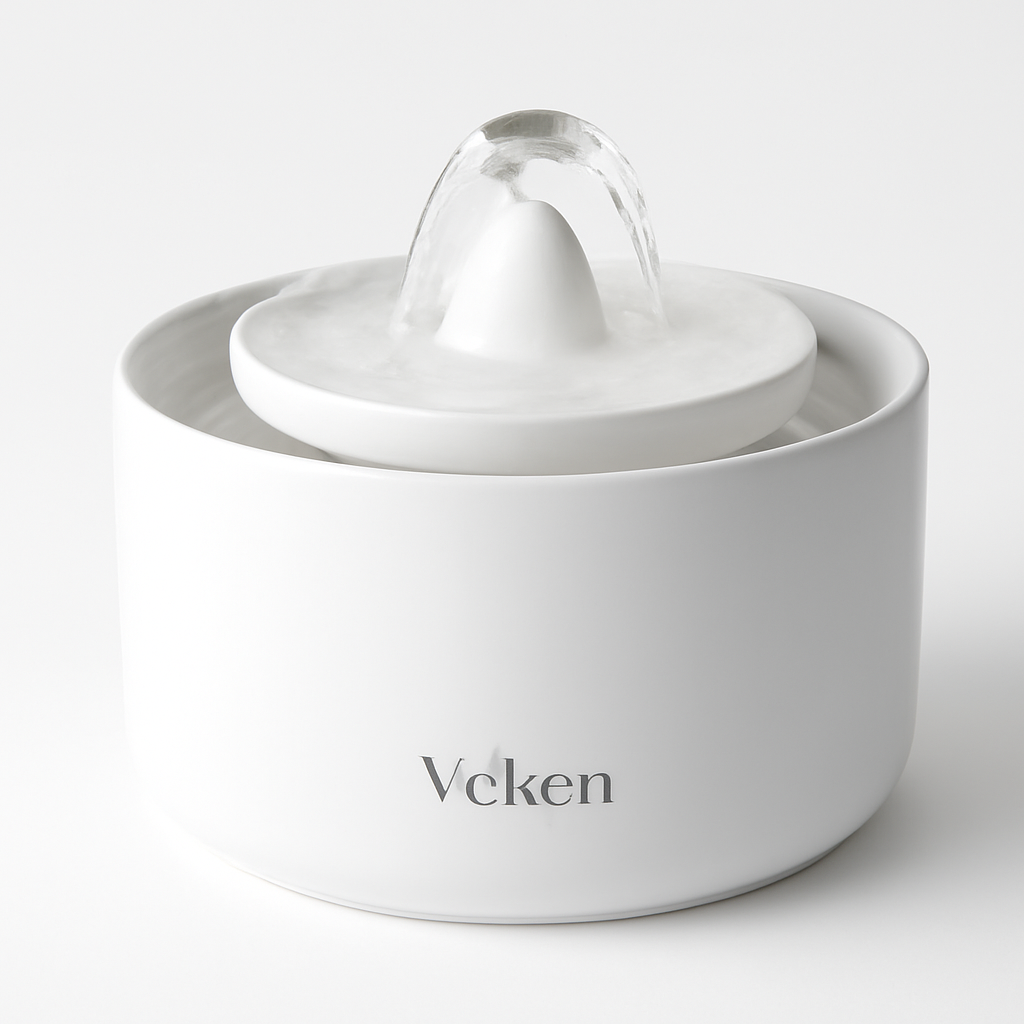
Quick Answer: If your cat ignores their water bowl but drinks from the faucet, a cat water fountain is one of the best small purchases you can make for their health. Our top pick for most households in 2026 is the PetLibro Dockstream Stainless Steel Fountain — it’s quiet, easy to clean, and holds enough water for multi-cat homes. Prefer ceramic? The Veken Ceramic Pet Fountain is our aesthetic favorite. Read on for the full breakdown.
—

Cats are notoriously bad drinkers. They evolved from desert animals that got most of their moisture from prey, which means many house cats walk around mildly dehydrated without their owners ever noticing — until a vet visit reveals urinary or kidney trouble. A water fountain fixes the single biggest reason cats under-drink: still, stagnant water in a bowl is boring and, to a cat’s senses, suspicious. Moving water is fresher, cooler, and far more appealing.
This guide walks you through why fountains work, exactly what to look for, and the specific models worth your money in 2026.
Why Cats Need a Water Fountain (And How It Boosts Hydration)
If you’ve ever watched your cat paw at their water, tip over a glass, or beg at the bathroom sink, you’ve seen the instinct at work. Cats are drawn to running water for a few reasons rooted in their biology:
– Moving water reads as “fresh.” In the wild, still water can be stagnant and unsafe. Flowing water signals a clean source, so cats instinctively prefer it.
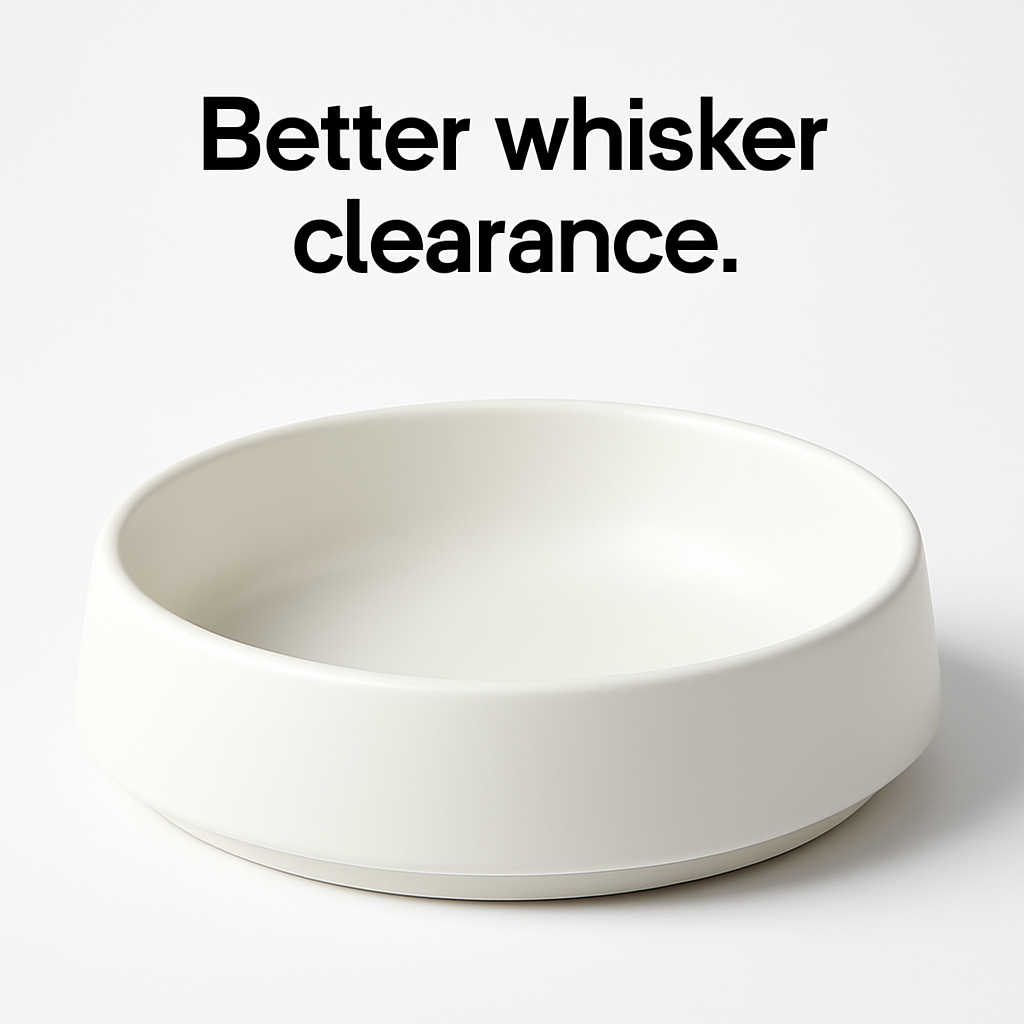
– Better whisker clearance. Many bowls are too deep and narrow, causing uncomfortable “whisker fatigue.” Fountains typically offer wide, shallow drinking surfaces.
– Cooler, oxygenated water. Circulation keeps water cooler and tastes fresher, which encourages more frequent sipping.
– It’s simply more interesting. The sound and motion draw curious cats back throughout the day.
Why does this matter so much? Because chronic low-level dehydration is linked to some of the most common — and expensive — feline health problems: urinary tract infections, painful crystals and stones, and chronic kidney disease, which is especially prevalent in senior cats. Getting your cat to drink even 20–30% more water can meaningfully reduce these risks.
Fountains are especially valuable if your cat eats primarily dry kibble (which contains very little moisture), is a senior, has had urinary issues before, or lives in a warm, dry climate.
What to Look For When Buying a Cat Water Fountain
Not all fountains are created equal. Here’s what actually matters when you’re comparing models.
Capacity
Match the reservoir size to your household. A single cat does fine with a smaller 40–60 oz fountain, but multi-cat homes (or anyone who travels) should look for 100 oz or more so it doesn’t run dry. Never let a fountain pump run dry — it can burn out the motor.
Pump Noise
A loud pump defeats the purpose, since a skittish cat won’t approach a fountain that hums or gurgles. Look for models advertised as ultra-quiet, and know that pump noise usually gets worse over time if you don’t clean it. Water level also matters: keep the reservoir topped up, because low water makes almost any pump louder.
Material
Stainless steel, ceramic, and plastic each have trade-offs (we dig into this below). In short: stainless steel and ceramic resist bacteria and biofilm far better than plastic.
Ease of Cleaning
This is the most underrated factor. A fountain with lots of tiny crevices and non-dishwasher-safe parts will get skipped on cleaning day — and a dirty fountain is worse than a clean bowl. Fewer parts, wider openings, and dishwasher-safe components win here.
Filtration
Most fountains use replaceable carbon and foam filters to catch hair, debris, and odors. Consider how easy and cheap replacement filters are to buy before you commit to a brand.
Flow Style
Some cats love a bubbling stream; others prefer a gentle, calm surface. Adjustable flow settings let you tune the fountain to your cat’s preference, which is helpful if you have a nervous drinker.
Power and Safety
Check the cord length, whether the pump is well-sealed, and whether there’s a low-water shutoff to protect the motor. A few 2026 models now offer battery or USB backup for power outages.
Best Cat Water Fountains of 2026 (Reviewed & Ranked)
We evaluated fountains on hygiene, noise, capacity, ease of cleaning, and long-term value. Here are our top picks.
Top Picks at a Glance
| Product | Best For | Price Range |
| PetLibro Dockstream Stainless Steel | Overall best / multi-cat homes | |
| Veken Ceramic Pet Fountain | Style + easy cleaning | |
| Catit PIXI Smart Fountain | Tech lovers / app monitoring | |
| PetSafe Drinkwell Platinum | Large households / big dogs too | |
| PETKIT Eversweet SOLO 2 | Budget-conscious buyers |
—
1. PetLibro Dockstream Stainless Steel Fountain — Best Overall
The PetLibro Dockstream earns our top spot because it nails the fundamentals: a large stainless steel drinking surface, a genuinely quiet pump, and a wireless-pump design on some versions that makes cleaning far less annoying. The stainless top resists the pink biofilm that plagues plastic fountains, and the generous reservoir means multi-cat homes aren’t refilling constantly.
Pros:
– Hygienic stainless steel drinking area
– Very quiet pump when kept full
– Large capacity, great for multiple cats
– Low-water indicator on select models
Cons:
– Base reservoir is plastic on some versions
– Filters need regular replacement to stay quiet
2. Veken Ceramic Pet Fountain — Best for Style & Cleaning
If you want something that looks like decor instead of a gadget, the Veken Ceramic Pet Fountain is our pick. Ceramic is naturally bacteria-resistant, heavier (so it won’t slide around), and — critically — most ceramic bowls are dishwasher-safe, making cleaning almost effortless. It offers multiple flow styles so you can find the one your cat likes.
Pros:
– Beautiful, bacteria-resistant ceramic
– Dishwasher-safe bowl
– Heavy and stable
– Multiple flow settings
Cons:
– Heavier and more fragile than steel or plastic
– Smaller capacity than the largest plastic models
3. Catit PIXI Smart Fountain — Best Smart Features
The Catit PIXI Smart Fountain connects to an app so you can monitor water levels, filter life, and even your cat’s drinking habits from your phone. For owners tracking a cat with kidney or urinary concerns, that data is genuinely useful. The triple-action filter and food-grade materials round out a solid, modern package.
Pros:
– App monitoring for water and drinking habits
– Helpful for cats with health concerns
– Good filtration system
Cons:
– More expensive than non-smart models
– App and Wi-Fi add complexity some owners won’t want
4. PetSafe Drinkwell Platinum — Best for Large Households
The PetSafe Drinkwell Platinum is a workhorse. With a large reservoir and an adjustable free-falling stream, it suits homes with multiple pets — including dogs. It’s been a trusted name for years, and replacement filters are easy to find anywhere.
5. PETKIT Eversweet SOLO 2 — Best Budget Pick
The PETKIT Eversweet SOLO 2 delivers smart-fountain features — a quiet pump, filter-life indicators, and a compact footprint — at a friendlier price. It’s a great entry point if you’re not sure your cat will take to a fountain and don’t want to over-invest upfront.
Stainless Steel vs. Ceramic vs. Plastic: Which Material Wins?
Material affects hygiene, durability, price, and how often you’ll be scrubbing. Here’s the honest comparison.
| Material | Pros | Cons | Best For |
| Stainless Steel | Highly bacteria-resistant, durable, doesn’t retain odors, often dishwasher-safe | Can show water spots; can dent | Most cats, especially chin-acne-prone ones |
| Ceramic | Beautiful, heavy/stable, bacteria-resistant, usually dishwasher-safe | Fragile, heavier, pricier, smaller capacity | Style-focused homes, calm cats |
| Plastic | Cheapest, lightweight, large capacities | Scratches harbor bacteria, can cause feline chin acne, retains odors | Budget buyers who clean often |
The bottom line: For most cats, stainless steel is the winner — it’s the best balance of hygiene, durability, and value. Ceramic is a close second and wins on looks. Plastic is fine only if it’s the budget you have and you commit to frequent, thorough cleaning; those micro-scratches can trap bacteria and are a known trigger for feline chin acne (those little black bumps on a cat’s chin).
Filter Types and How Often to Replace Them
Most cat fountains rely on two filter components working together:
– Carbon filters absorb odors and improve taste, encouraging cats to drink more. These typically need replacing every 2–4 weeks.
– Foam/sponge pre-filters trap hair, food debris, and larger particles. Rinse these weekly and replace them per the manufacturer’s schedule.
Some premium models add an ion-exchange resin filter that softens water and reduces mineral scale — helpful if you have hard water.
How often should you replace them? As a rule of thumb, swap carbon filters every 2–4 weeks, but replace sooner if you notice the water tastes or smells off, the flow slows, or your cat starts drinking less. Homes with multiple cats, long-haired breeds, or hard water will burn through filters faster. Before you buy any fountain, price out its replacement filters and confirm they’re easy to find — ongoing filter cost is the real long-term expense of owning a fountain.
Cleaning and Maintenance Tips to Prevent Slime and Bacteria
That pink or brown “slime” you sometimes see is biofilm — a colony of bacteria and yeast that thrives in wet, neglected fountains. It’s the number one complaint about fountains, and it’s entirely preventable with a simple routine.
Weekly:
– Empty and rinse the reservoir
– Rinse the foam pre-filter
– Wipe down the drinking surface
Every 2–4 weeks (deep clean):
– Fully disassemble the fountain
– Clean the pump thoroughly — this is where slime and gunk hide most. Use a small brush (an old toothbrush works) to clear the impeller and intake holes. A clogged pump is the #1 cause of a fountain getting noisy.
– Soak parts in a mix of warm water and white vinegar to break down mineral scale and biofilm
– Rinse everything completely — never leave soap or vinegar residue
– Replace the carbon filter
Pro tips:
– Keep the water topped up; a low reservoir makes the pump louder and shortens its life.
– Avoid harsh chemicals or bleach unless heavily diluted and thoroughly rinsed — cats are sensitive to residues.
– If your fountain has dishwasher-safe parts, use them. It’s the single easiest way to stay consistent.
– Place the fountain away from the food bowl and litter box — cats instinctively avoid drinking near where they eat or eliminate.
Stay on this schedule and you’ll never see slime, your pump will stay quiet, and your cat will keep drinking happily.
Frequently Asked Questions About Cat Water Fountains
Are water fountains actually better than bowls for cats?
Yes, for most cats. The moving water encourages more frequent drinking, which supports urinary and kidney health. Cats that ignore still water in a bowl often drink noticeably more from a fountain.
How often should I clean a cat water fountain?
Do a light rinse weekly and a full deep clean (including the pump) every 2–4 weeks. This prevents biofilm slime and keeps the pump quiet.
Will the pump noise bother my cat?
A quality fountain kept full of water is very quiet. Noise almost always comes from a low water level or a dirty pump — top it up and clean it, and most noise disappears. Nervous cats do best with quiet, low-flow models like a ceramic fountain on its gentlest setting.
Is stainless steel or ceramic better?
Both resist bacteria far better than plastic. Stainless steel is more durable and usually offers larger capacity; ceramic looks nicer and is very stable but heavier and more fragile. Either is an excellent choice.
My cat won’t use the new fountain. What do I do?
Give it time. Place it in a familiar, low-traffic spot away from food and litter, keep their old bowl available at first, and try a lower flow setting. Many cats need a few days to a week to adjust. Making sure the water is always fresh and full helps too.
How much water should a fountain hold for my cats?
A single cat is well served by a 40–60 oz fountain. For two or more cats, or if you travel, choose 100 oz or larger so it never runs dry.
Do fountains use a lot of electricity?
No. Fountain pumps are low-wattage and cost only a few dollars a year to run continuously.
Our Verdict
A cat water fountain is a small, one-time investment that pays off in better hydration and fewer vet visits down the road. For most households, the PetLibro Dockstream Stainless Steel Fountain is the best all-around choice in 2026 — hygienic, quiet, easy to clean, and big enough for multi-cat homes.
If aesthetics and effortless cleaning top your list, go with the Veken Ceramic Pet Fountain. Want to track your cat’s drinking from your phone? The Catit PIXI Smart Fountain is worth the premium, especially for cats with health concerns. Large or mixed pet households should look at the PetSafe Drinkwell Platinum, and anyone testing the waters on a budget can start confidently with the PETKIT Eversweet SOLO 2.
Whichever you choose, remember: the best fountain is the one you’ll actually keep clean. Pick a model with hygienic materials and dishwasher-safe parts, stay on a simple cleaning schedule, and your cat will be drinking more — and healthier — within a week.
Prices and availability change frequently — click through to check the current price before buying.