Quick Answer: For most cats, a high-protein dry food like Hill’s Science Diet Adult or Purina Pro Plan Complete Essentials offers the best balance of nutrition, digestibility, and value. If you have a picky eater, a premium wet food like Wellness CORE Grain-Free Pâté is worth every penny. Kittens and seniors need life-stage-specific formulas — don’t skip this. Read on for the full breakdown.
Choosing cat food shouldn’t feel like decoding a chemistry textbook. But walk down any pet-store aisle (or scroll any online store) and you’re hit with hundreds of bags and cans all claiming to be “premium,” “natural,” and “vet-recommended.” Meanwhile your cat just stares at the bowl and walks away.
This guide cuts through the noise. We’ll show you exactly what separates genuinely good cat food from expensive marketing, name our top picks for every situation, and flag the ingredients you should avoid. Whether you’ve got a finicky Persian, a growing kitten, or a mellow 14-year-old tabby, there’s a right answer here.
—
How We Chose the Best Cat Foods for 2026
We didn’t just pick the brands with the biggest ad budgets. Our recommendations are built around what actually matters for feline health:
– Named animal proteins first. Cats are obligate carnivores — they need meat. We prioritized foods that list a specific protein (chicken, salmon, turkey) as the first ingredient, not a vague “meat by-product” or a plant.
– AAFCO compliance. Every food here meets the Association of American Feed Control Officials nutritional standards for its life stage. This is the baseline, non-negotiable.
– Ingredient transparency. Brands that clearly disclose sourcing and avoid mystery fillers scored higher.
– Real-world palatability. Nutrition is useless if your cat won’t eat it. We weighted foods with a strong reputation among picky eaters.
– Value for money. Premium doesn’t have to mean absurd. We looked at cost per serving, not just sticker price.
We cross-referenced veterinary nutrition guidance, ingredient panels, and long-standing brand track records to land on the picks below.
—
What to Look For in High-Quality Cat Food
Before you shop, understand these five markers of quality. Once you know them, you can evaluate any bag or can yourself.
1. A Named Protein as the First Ingredient
The first ingredient makes up the largest portion of the food. You want to see “Chicken,” “Deboned Salmon,” or “Turkey” — not “corn,” “meat meal,” or “animal digest.”
2. High Protein, Moderate Fat, Low Carbs
Cats thrive on protein and fat. They have almost no dietary need for carbohydrates. Look for higher protein percentages and be wary of foods loaded with grains and starches used as cheap calorie fillers.
3. Taurine
This amino acid is essential for cats — a deficiency can cause heart disease and blindness. Quality foods always include it. It’s a quick tell for a properly formulated recipe.
4. Moisture Content
Cats are notoriously bad at drinking enough water. Wet food (around 75% moisture) helps with hydration and urinary health. Many vets recommend at least some wet food in a cat’s diet.
5. Life-Stage Appropriateness
Kittens, adults, and seniors have genuinely different needs. “All life stages” formulas exist but aren’t always ideal — more on this below.
—
Best Overall Dry Cat Food
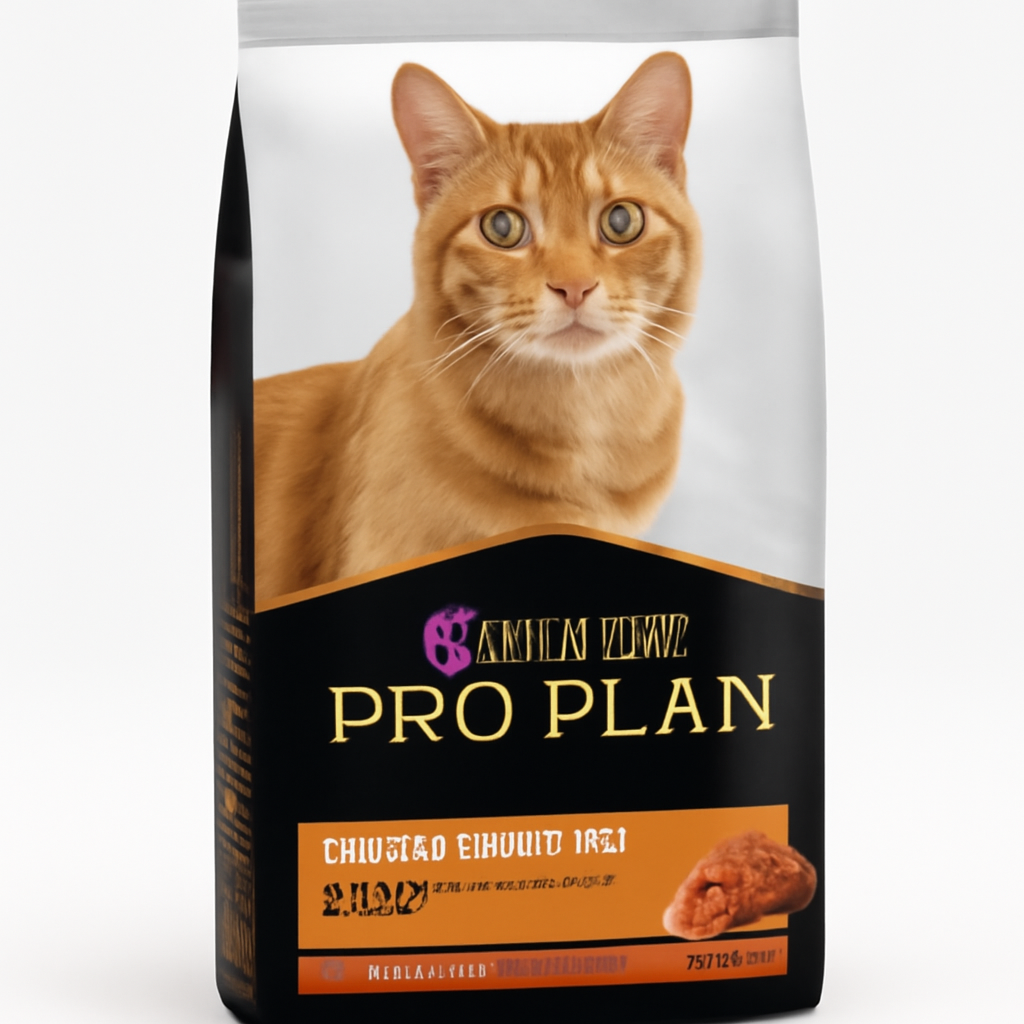
🏆 Purina Pro Plan Complete Essentials
This is our top all-around pick, and it’s the one we’d recommend to a friend with a healthy adult cat and no special requirements. Real chicken or salmon leads the ingredient list, protein content is high, and it includes live probiotics for digestive health. It’s widely available, consistently formulated, and priced sensibly for the quality.
Pros:
– Real animal protein as the #1 ingredient
– Contains guaranteed live probiotics for digestion
– Excellent protein-to-price ratio
– Easy to find in stores and online
Cons:
– Contains some grains (fine for most cats, but not ideal for grain-sensitive ones)
– Kibble size may be large for some smaller cats
Runner-Up: Hill’s Science Diet Adult
The brand vets recommend more than any other, and for good reason. Hill’s is obsessive about consistency and clinical backing. Every batch is formulated to the same precise standard, which matters if your cat has a sensitive stomach that reacts to recipe changes.
Pros:
– Extensively vet-recommended and clinically tested
– Highly consistent batch-to-batch formulation
– Gentle on sensitive digestive systems
Cons:
– Ingredient list is less “boutique” than some premium rivals
– Priced slightly above budget options
—
Best Wet Cat Food for Picky Eaters
If your cat turns up their nose at everything, moisture and aroma are your best friends. Wet food smells stronger and tastes richer — it wins over finicky eaters far more often than dry kibble.
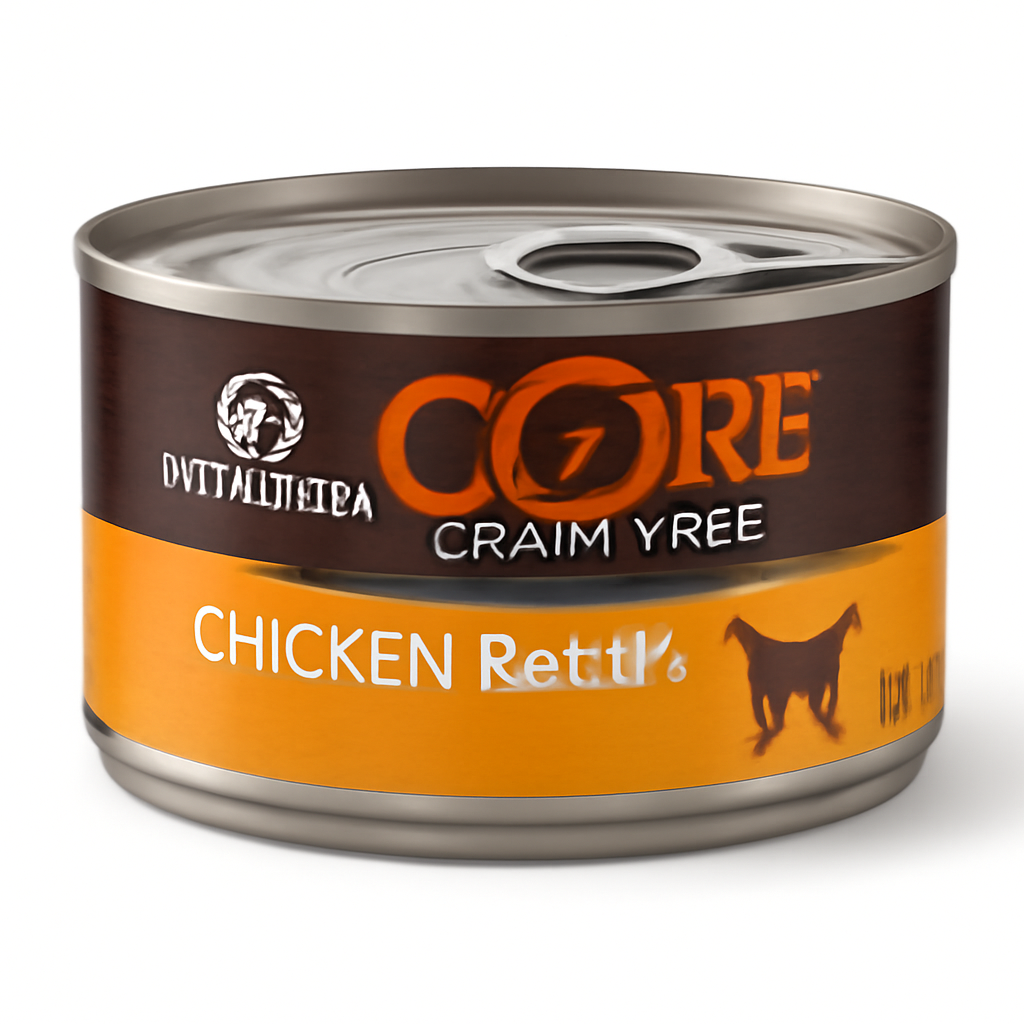
🏆 Wellness CORE Grain-Free Pâté
This is the wet food we reach for when a cat is being difficult. It’s grain-free, packed with animal protein, and has a smooth pâté texture that most picky cats devour. No fillers, no artificial anything — just a high-protein, high-moisture meal that also supports hydration and urinary health.
Pros:
– Grain-free with high animal-protein content
– Smooth pâté texture that appeals to fussy cats
– High moisture supports hydration and urinary tract health
Cons:
– More expensive per serving than dry food
– Once opened, must be refrigerated and used quickly
Also Worth Trying: Fancy Feast Classic Pâté
Don’t let the supermarket price fool you — Fancy Feast Classic Pâté has quietly earned respect even among nutrition-focused cat owners. The Classic line is grain-free, protein-forward, and its wide flavor range gives you plenty of options to find the one your cat can’t resist. It’s the best value “picky eater insurance” on the market.
—
Best Cat Food for Kittens vs. Senior Cats
Age changes everything about what your cat needs. Feeding a kitten adult food — or a senior a kitten formula — can genuinely harm their health.
For Kittens
Kittens grow at an astonishing rate and need extra calories, protein, and DHA for brain and eye development.
Top Pick: Royal Canin Kitten — Formulated specifically for the growth stage, with a kibble size tailored to tiny mouths and a nutrient profile built for rapid development. Royal Canin’s breed- and life-stage-specific approach really shines here.
For Senior Cats
Older cats (roughly 11+) often need fewer calories, more digestible protein, and support for aging joints and kidneys.
Top Pick: Hill’s Science Diet Senior 11+ — Adjusted protein and phosphorus levels support aging kidneys, with added ingredients for joint and cognitive health. It’s an easy, trustworthy choice for a cat entering its golden years.
> Tip: Transition between life-stage foods gradually over 7–10 days, mixing increasing amounts of the new food into the old. A sudden switch is a common cause of stomach upset.
—
Top Picks at a Glance
| Product | Best For | Price Range |
| Purina Pro Plan Complete Essentials | Best overall dry food | |
| Hill’s Science Diet Adult | Vet-recommended / sensitive stomachs | |
| Wellness CORE Grain-Free Pâté | Picky eaters (wet) | |
| Fancy Feast Classic Pâté | Best-value wet food | |
| Royal Canin Kitten | Kittens | |
| Hill’s Science Diet Senior 11+ | Senior cats |
—
Ingredients to Avoid: Fillers and Red Flags
Flip any bag over and scan the ingredient panel. These are the red flags that signal a lower-quality food:
– Vague “meat by-products” or “animal digest.” Named organ meats can be nutritious, but unnamed “by-products” tell you nothing about the source or quality.
– Corn, wheat, and soy as top ingredients. These are cheap fillers used to bulk up food and cut costs. Cats derive little nutritional value from them, and some are common allergens.
– Artificial colors. Dyes like Red 40 or Yellow 5 are purely cosmetic — your cat doesn’t care what color the kibble is. They’re a sign the maker is marketing to you, not feeding your cat.
– Artificial preservatives (BHA, BHT, ethoxyquin). Many premium brands use natural preservatives like mixed tocopherols (vitamin E) instead. Look for those.
– Added sugars and sweeteners. Cats can’t even taste sweetness, and they have no business eating sugar. Its presence is a red flag.
– “Meat meal” from unspecified sources. A named meal (like “chicken meal”) is fine and actually protein-dense. An unnamed “meat meal” is a mystery you don’t want.
If a food leads with a named protein and skips the items above, you’re already ahead of most of the aisle.
—
Frequently Asked Questions About Cat Food
Is wet or dry food better for cats?
Both have merits. Dry food is convenient, affordable, and good for grazing. Wet food provides crucial moisture and is often more palatable. Many vets recommend a combination — dry available during the day, with wet food at meals — to get the benefits of both.
How much should I feed my cat?
It depends on weight, age, and activity level. Start with the feeding guidelines on the package, then adjust based on your cat’s body condition. If you can’t easily feel the ribs, cut back; if the ribs are sharply visible, feed more. Your vet can give a precise target.
Is grain-free cat food better?
Not automatically. Grain-free can help cats with specific grain allergies, but most cats tolerate grains fine. What matters more is high animal protein and low overall carbohydrate content. Don’t pay a premium for “grain-free” alone if your cat has no sensitivity.
How do I switch my cat to a new food?
Slowly. Over 7–10 days, gradually mix increasing amounts of the new food with decreasing amounts of the old. A rapid switch often causes vomiting or diarrhea, and it may make a picky cat reject the new food outright.
Can I feed my cat the same food every day?
Yes — cats generally do well on a consistent, complete-and-balanced diet. Unlike humans, they don’t need variety for nutrition. That said, some owners rotate proteins to prevent finickiness and reduce the risk of developing a single-food fixation.
How long does cat food stay fresh?
Dry food is best used within about a month of opening — store it in an airtight container away from heat and light. Opened wet food must be refrigerated and used within a day or two. Always check the best-by date on the packaging.
—
Our Verdict
For the vast majority of cats, Purina Pro Plan Complete Essentials is the smartest all-around choice — high-quality protein, digestive support, and a price that won’t make you wince. If your cat is a diva at mealtime, add Wellness CORE Grain-Free Pâté to the rotation and watch the bowl empty.
Have a kitten or a senior? Skip the one-size-fits-all approach and go life-stage-specific with Royal Canin Kitten or Hill’s Science Diet Senior 11+. And if you want the reassurance of the most vet-recommended brand on the shelf, Hill’s Science Diet Adult never disappoints.
Whatever you choose, remember the fundamentals: a named protein first, no cheap fillers, and a formula matched to your cat’s age. Nail those three, and you’re feeding your cat better than most. Your cat may not say thank you — but a shiny coat, steady weight, and good energy will say it for them.
Prices change frequently — always check the current price before buying.