Quick answer: For most dogs, a gentle liquid solution like Virbac Epi-Otic Advanced is the safest, most versatile pick. If your dog hates liquid in their ears, go with Pet MD Dog Ear Wipes. For dogs prone to yeast or bacterial infections, a medicated-style option like Zymox Ear Cleanser is worth the upgrade. Always avoid anything with alcohol or hydrogen peroxide as a main ingredient, and see a vet if you spot pain, swelling, or heavy discharge.
If your dog shakes their head, scratches at their ears, or has that unmistakable “corn chip” smell, you’re in the right place. Dirty ears are one of the most common — and most preventable — health problems in dogs. The good news: a $10–$20 bottle of the right cleaner, used correctly, prevents most ear infections before they start. This guide walks you through what actually matters, which products are worth buying in 2026, and how to clean your dog’s ears without hurting them.
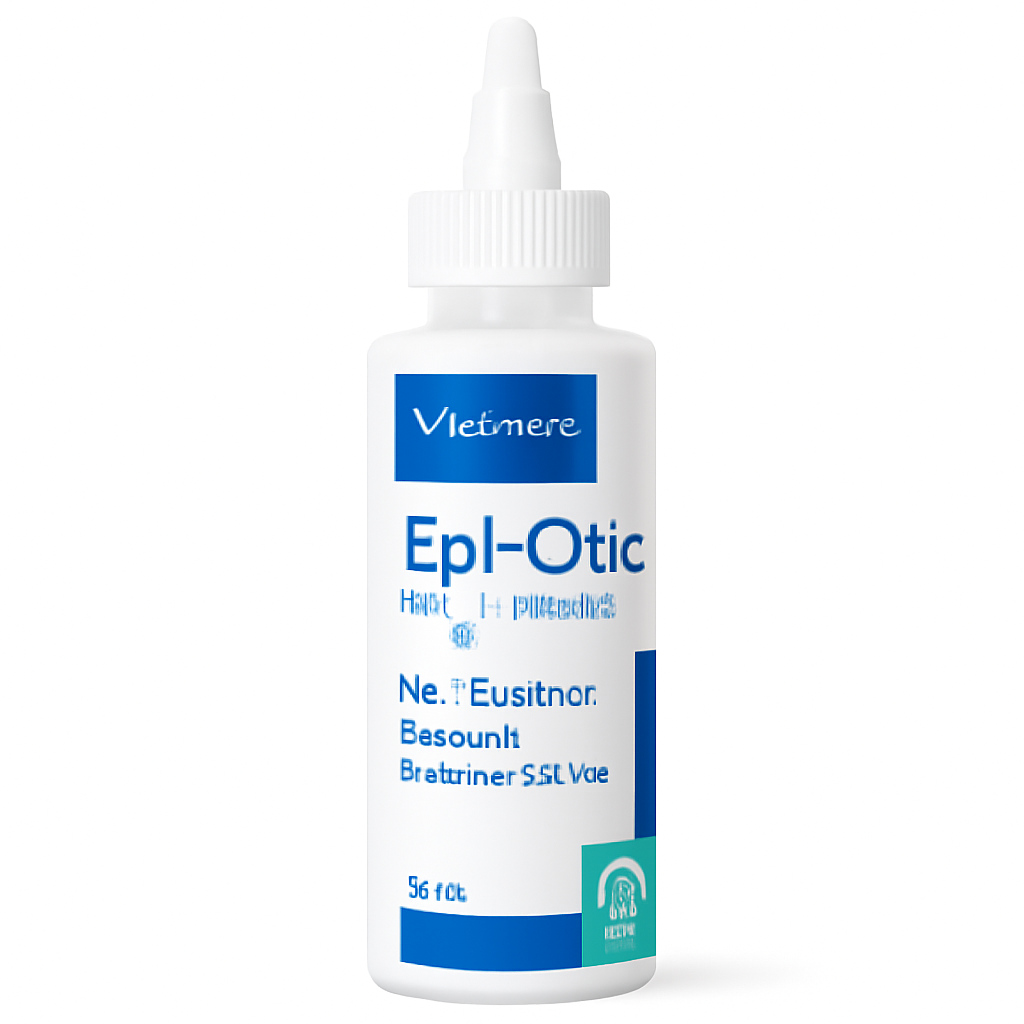
Top Picks at a Glance
| Product | Best For | Price Range |
| Virbac Epi-Otic Advanced | Most dogs / everyday routine cleaning | |
| Zymox Ear Cleanser | Infection-prone or sensitive ears | |
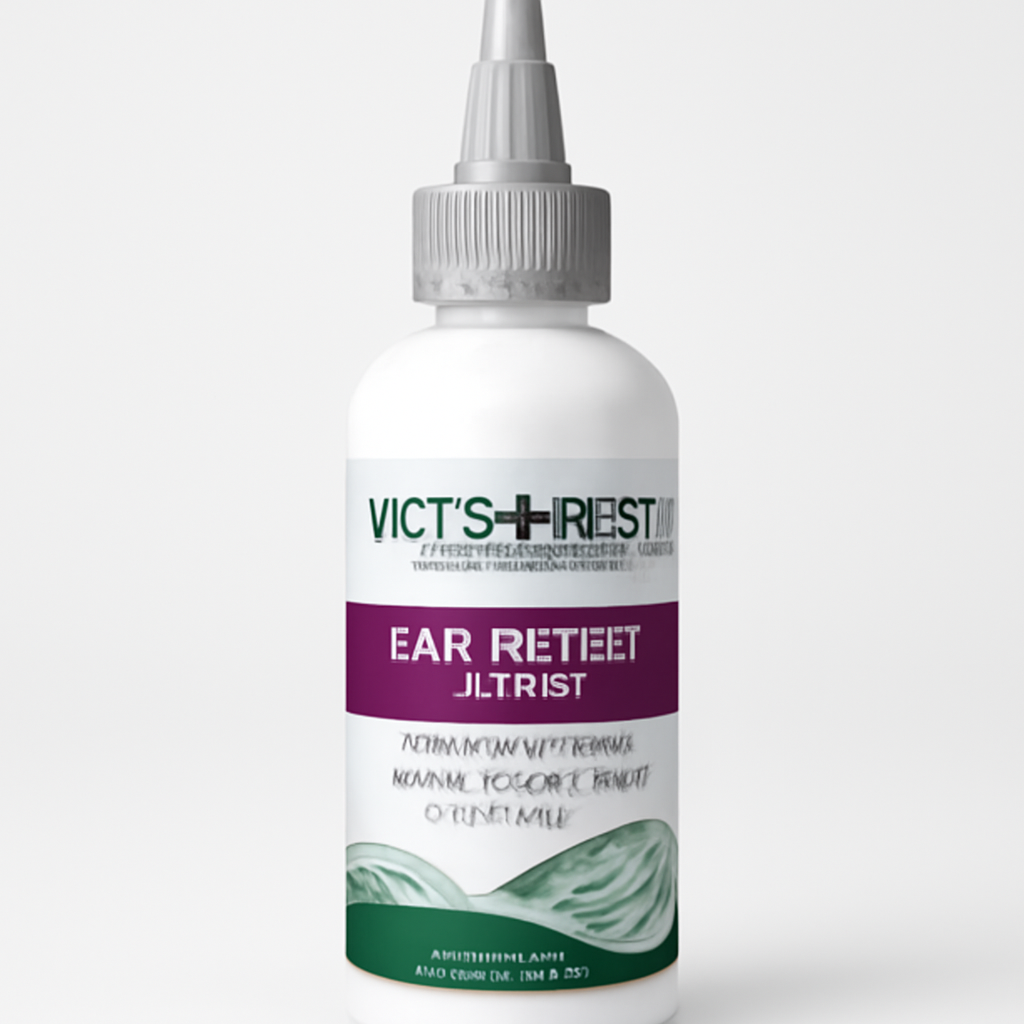
| Vet’s Best Ear Relief Wash | Budget-conscious owners / mild odor | |
| Pet MD Dog Ear Wipes | Squirmy dogs / quick maintenance | |
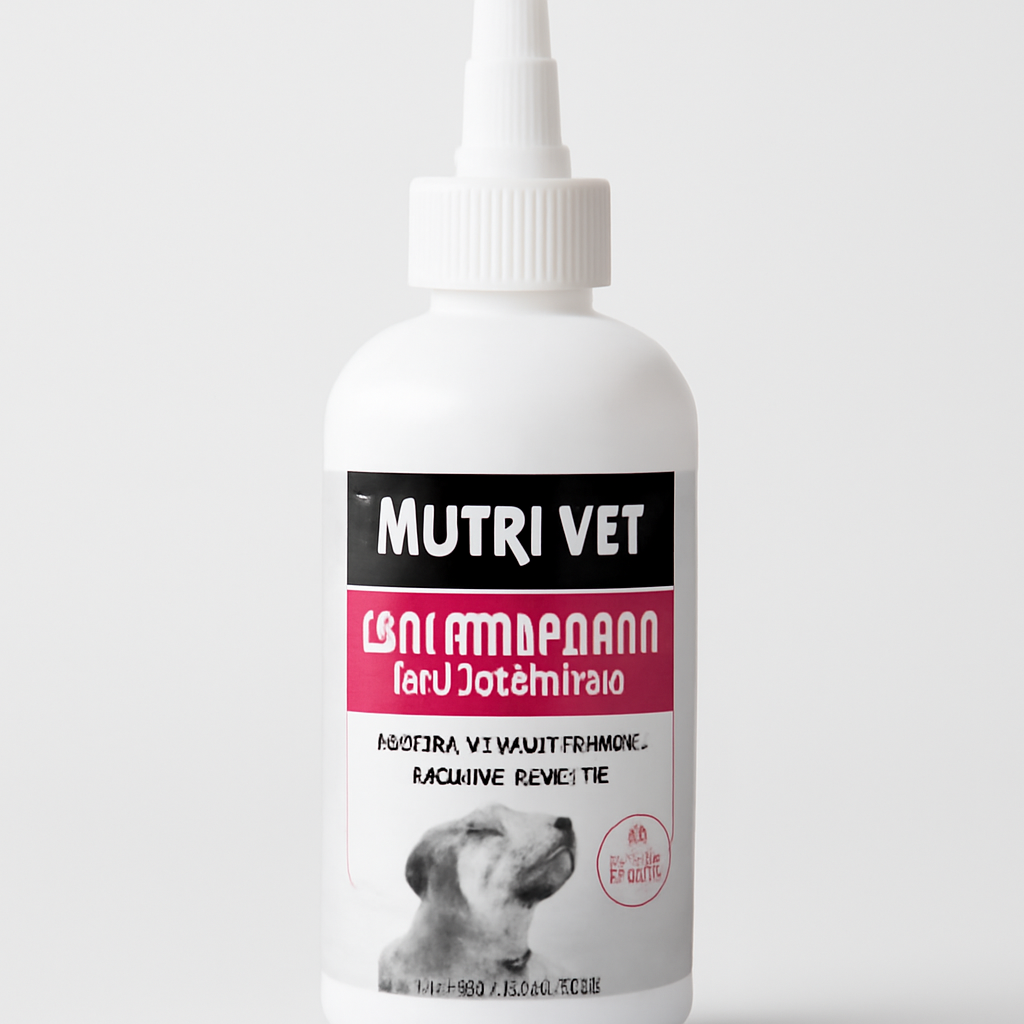
| Nutri-Vet Ear Cleansing Solution | Basic routine cleaning on a budget |
Why Regular Ear Cleaning Matters for Your Dog’s Health
A dog’s ear canal is shaped like an “L” — it goes down and then turns inward toward the eardrum. That shape traps moisture, wax, dirt, and debris far more easily than a human ear does. When that gunk builds up, it becomes a warm, damp home for yeast and bacteria. The result is an ear infection (otitis), which is painful, often expensive to treat, and prone to coming back.
Regular cleaning does three things:
– Removes buildup before it feeds an infection.
– Lets you spot problems early — you’ll notice redness, odor, or discharge while it’s still minor.
– Keeps treatment working. If your vet prescribes ear medication, a clean canal helps it actually reach the skin.
The flip side matters too: over-cleaning can irritate a healthy ear and strip its natural protective oils. The goal isn’t a spotless ear every day — it’s a clean, dry, comfortable ear on a schedule that fits your specific dog.
Types of Dog Ear Cleaners: Solutions, Wipes, and Foams
Not every cleaner works the same way. Here’s how the three main formats compare.
Liquid Solutions
The most common and most effective format. You squeeze the solution directly into the ear canal, massage the base of the ear, and let your dog shake out the loosened debris. Liquids reach deep into that L-shaped canal where wipes can’t.
– Best for: Thorough cleaning, dogs with floppy ears, infection prevention.
– Trade-off: Messier, and some dogs resist having liquid poured in their ears.
Ear Wipes
Pre-moistened pads you use on the visible parts of the ear and the entrance to the canal. Convenient, mess-free, and great for dogs that panic at the sight of a bottle.
– Best for: Quick maintenance, upright-eared breeds, wiggly or anxious dogs.
– Trade-off: Can’t clean deep into the canal, so they’re better for upkeep than for tackling real buildup.
Foams
A middle ground — the foam expands to coat the canal and is often marketed as less drippy than liquid. Some owners find foams easier to control.
– Best for: Owners who want liquid-level cleaning with less mess.
– Trade-off: Fewer options on the market, and coverage can be less thorough than a proper liquid flush.
Key Ingredients to Look For (and Ones to Avoid)
Reading the label is where a lot of buyers get lost. Here’s a plain-English breakdown.
Ingredients Worth Looking For
– Salicylic acid — a mild antimicrobial and cleaning agent common in vet-recommended solutions.
– Ketoconazole / other antifungals (in medicated cleansers) — help control yeast, a very common ear troublemaker.
– Aloe vera and chamomile — soothe irritated skin.
– Drying agents that leave the canal dry without harsh alcohol — moisture control is half the battle.
– Enzymatic formulas (like those in some Zymox products) — break down debris without scrubbing.
Ingredients to Be Cautious About or Avoid
– Hydrogen peroxide — leaves moisture behind and can irritate raw skin. Don’t use it as a routine cleaner.
– Rubbing alcohol as a main ingredient — stings badly, especially on any inflamed or scratched skin.
– Heavy fragrances and dyes — pure cosmetics that can irritate sensitive dogs.
– Chlorhexidine at high concentrations without vet guidance — useful in some medicated products, but not something to DIY at random strengths.
A small amount of alcohol as a drying agent low on the ingredient list is common and usually fine. The problem is when it’s the star of the show.
How to Choose the Right Cleaner for Your Dog’s Breed and Ear Type
Your dog’s anatomy should drive your choice more than marketing claims.
Floppy-Eared Breeds (Cocker Spaniels, Basset Hounds, Labradors)
Those adorable droopy ears trap heat and moisture, making infections far more likely. Go with a thorough liquid solution and clean on a consistent schedule. Epi-Otic Advanced is a popular vet pick for exactly this reason.
Upright-Eared Breeds (German Shepherds, Huskies, most terriers)
Better airflow means fewer problems, so you can often get away with lighter, less frequent cleaning. Wipes are frequently enough for maintenance here.
Hairy-Eared Breeds (Poodles, Doodles, Schnauzers)
Hair in the canal traps debris. These dogs often need more frequent cleaning and, in some cases, professional grooming to manage ear hair. Pair a good liquid cleaner with a grooming routine.
Water-Loving and Swimming Dogs
If your dog swims, a drying cleanser used after every swim helps clear trapped water before it causes “swimmer’s ear.”
Sensitive or Infection-Prone Dogs
If your dog has a history of recurring infections, choose a gentle enzymatic or antifungal-forward formula like Zymox Ear Cleanser and talk to your vet about a maintenance schedule.
Signs Your Dog Needs an Ear Cleaning (or a Vet Visit)
Time for a Cleaning
– Mild wax or dirt visible at the ear opening
– A faint odor
– Occasional head shaking or scratching
– Your normal cleaning interval has come up
Time to Call the Vet Instead
Cleaning won’t fix an active infection — and can make some conditions worse. See a vet if you notice:
– Strong, foul, or yeasty odor
– Redness, swelling, or heat in the ear
– Dark, coffee-ground-like discharge (a classic sign of ear mites) or yellow/green pus
– Pain — flinching, crying, or aggression when you touch the ear
– Head tilt, loss of balance, or repeated ear infections
– Any sign of a ruptured eardrum — never pour cleaner into an ear you suspect is damaged
When in doubt, a quick vet visit is cheaper than treating an infection that’s had a month to dig in.
How to Safely Clean Your Dog’s Ears Step-by-Step
1. Gather your supplies. Ear cleaner, cotton balls or gauze (never cotton swabs deep in the canal), a towel, and treats. Do this somewhere easy to wipe down — dogs shake.
2. Get your dog calm and settled. A tired dog after a walk is easier than an energetic one. Reward calm behavior.
3. Inspect the ear first. If you see redness, swelling, discharge, or your dog reacts in pain, stop and call your vet.
4. Apply the solution. Lift the ear flap and squeeze the recommended amount into the canal. Don’t jam the bottle tip deep — rest it at the opening.
5. Massage the base of the ear for 20–30 seconds. You should hear a soft squishing sound — that’s the cleaner breaking up debris.
6. Let your dog shake. This brings loosened gunk up and out. Step back.
7. Wipe away debris. Use a cotton ball or gauze to gently clean the visible ear and canal opening only. Never push anything deep into the canal.
8. Reward and repeat on the other ear. End on a positive note so the next cleaning is easier.
9. Let the ear dry and check that it looks clean and comfortable.
How often? For most dogs, every 2–4 weeks is a reasonable starting point. Floppy-eared, hairy-eared, and swimming dogs may need it more often; upright-eared dogs may need it less. Follow your vet’s guidance for dogs with a history of ear issues.
Detailed Reviews: Our Top Picks
Virbac Epi-Otic Advanced — Best Overall
A widely vet-recommended liquid solution designed for routine cleaning and to help reduce buildup between cleanings.
Pros
– Gentle enough for regular use on most dogs
– Effective at flushing wax and debris from deep in the canal
– Frequently recommended by veterinarians
– Works well for floppy-eared, infection-prone breeds
Cons
– Liquid format is messier than wipes
– Some dogs resist having solution poured into the ear
– Premium pricing compared to basic cleaners
Zymox Ear Cleanser — Best for Sensitive or Infection-Prone Ears
An enzyme-based cleanser aimed at dogs with a history of yeast or bacterial irritation, designed to clean gently without harsh scrubbing.
Pros
– Enzymatic formula is gentle on irritated skin
– Good choice for dogs that get recurring ear trouble
– Low-sting, low-irritation approach
Cons
– Costs more than standard cleaners
– Not a substitute for veterinary treatment of an active infection
– Best results require consistent, ongoing use
Vet’s Best Ear Relief Wash — Best Value
A plant-based wash marketed for cleaning and odor control at a friendly price.
Pros
– Affordable and widely available
– Uses soothing botanical ingredients
– Good entry point for owners new to ear cleaning
Cons
– May be less effective on heavy buildup than premium solutions
– Not medicated — not for infection-prone dogs
– Some dogs are sensitive to the botanical scent
Head-to-Head Comparison
| Feature | Virbac Epi-Otic Advanced | Zymox Ear Cleanser | Vet’s Best Ear Relief | Pet MD Wipes |
| Format | Liquid | Liquid | Liquid | Wipes |
| Deep-canal cleaning | Excellent | Very good | Good | Limited |
| Best use | Everyday routine | Sensitive ears | Budget cleaning | Quick maintenance |
| Mess level | Higher | Higher | Higher | Very low |
| Ideal dog | Floppy/prone-to-buildup | Infection-prone | General use | Squirmy/upright ears |
Frequently Asked Questions About Dog Ear Cleaners
How often should I clean my dog’s ears?
For most dogs, every 2–4 weeks. Floppy-eared, hairy-eared, and swimming dogs often need it more frequently; upright-eared dogs usually need it less. When in doubt, ask your vet for a schedule based on your dog.
Can I use human ear cleaner or hydrogen peroxide on my dog?
No. Human products aren’t formulated for a dog’s ear pH or anatomy, and hydrogen peroxide leaves moisture behind and can irritate raw skin. Use a product made for dogs.
Is it safe to use cotton swabs (Q-tips)?
Not inside the canal. They can push debris deeper and risk damaging the eardrum. Use cotton balls or gauze on the visible ear and canal opening only.
My dog hates ear cleaning. What can I do?
Start slow, pair it with treats, and try wipes like Pet MD Dog Ear Wipes for maintenance. Cleaning after a walk, when your dog is tired, also helps. If your dog is fearful or aggressive about it, ask your vet or groomer for help.
What’s the difference between an ear cleaner and an ear medication?
Cleaners remove wax and debris and help prevent problems. Medications treat active infections, mites, or inflammation, and usually require a vet’s diagnosis. A cleaner won’t cure an infection — and shouldn’t be used in place of prescribed treatment.
Should I clean my dog’s ears if they look fine?
Routine light cleaning is good preventive care, but don’t overdo it — over-cleaning a healthy ear can cause irritation. Match your frequency to your dog’s breed and history.
How do I know if it’s an infection versus normal dirt?
Normal dirt is light brown or gray wax with little to no odor. Warning signs of infection include strong odor, redness, swelling, pain, dark or pus-like discharge, and head shaking. Those need a vet, not a cleaner.
Our Verdict
For the majority of dogs in 2026, Virbac Epi-Otic Advanced is the cleaner we’d reach for first — it’s gentle enough for routine use, thorough enough to prevent the buildup that leads to infections, and it’s a longtime vet favorite. If your dog has a history of yeast or bacterial ear trouble, step up to Zymox Ear Cleanser for its gentler enzymatic approach. Shopping on a budget? Vet’s Best Ear Relief Wash covers the basics well. And if your dog turns cleaning time into a wrestling match, keep a pack of Pet MD Dog Ear Wipes on hand for easy maintenance between deeper cleans.
Whatever you choose, the real secret is consistency: a good cleaner used on a sensible schedule prevents far more problems than any product can fix after the fact. And when you see the warning signs of a true infection, skip the DIY and see your vet — it’s the fastest, kindest, and usually cheapest path back to comfortable ears.
This guide is for general informational purposes and isn’t a substitute for professional veterinary advice. Always consult your veterinarian about your dog’s specific health needs.