Quick answer: If you want the best all-around dog e-collar under $100, the PetSpy P620 is the pick most trainers reach for first — it’s simple, waterproof, and has separate static, vibration, and tone modes. On a tighter budget, the Petrainer PET998DRB does the job for well under the cap. Read on for the full breakdown of who each collar is right for.
—
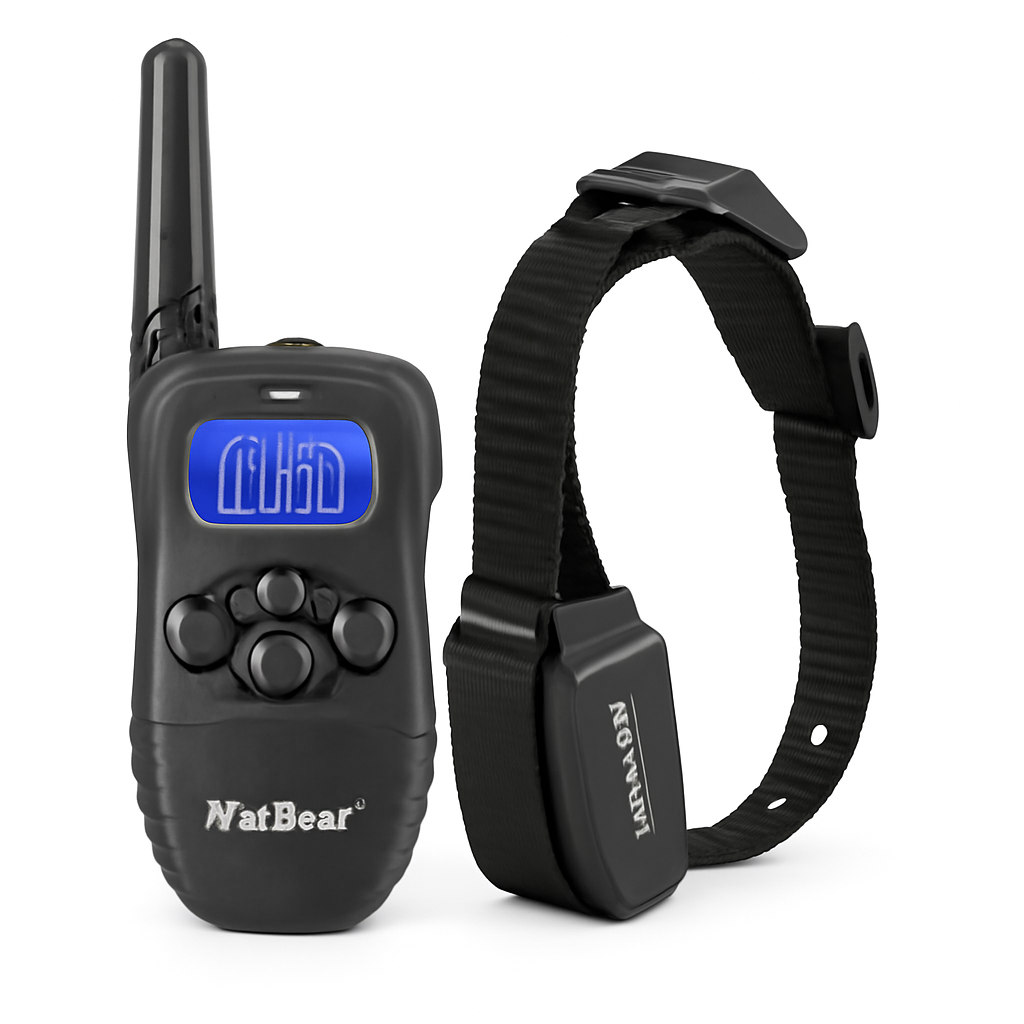
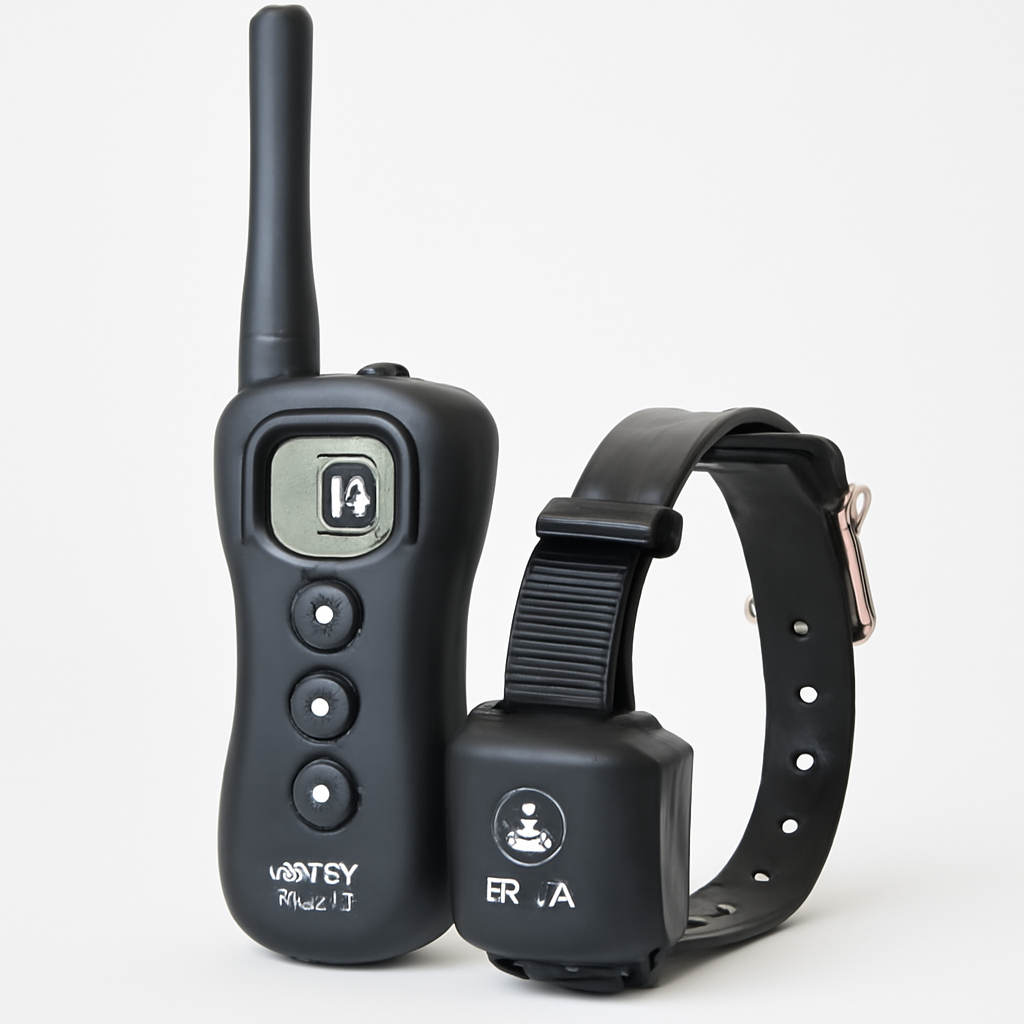
Training a dog that pulls, bolts, or ignores you across the yard is exhausting — and the “pro” e-collars trainers use often cost $200–$300. The good news: you don’t need to spend that much to get a safe, reliable remote training collar. Under $100, there are several genuinely capable units that give you long range, real waterproofing, and the adjustable stimulation levels that make training humane and effective.
This guide walks you through exactly what to look for, which budget collars are worth your money in 2026, and how to use them the right way.
Why Trust This Guide: How We Tested E-Collars Under $100
We approached these collars the way a real owner would — not in a lab, but in the backyard, on trails, and in the water.
Our evaluation focused on the things that actually matter day to day:
– Range in real conditions, not just the marketing number. Advertised range assumes open, obstacle-free line of sight. We noted how each collar behaved around fences, trees, and buildings.
– Stimulation quality and consistency. A good collar delivers the same level every time you press the button. We looked for smooth, predictable levels rather than sudden jumps.
– Fit and contact. Poor contact means inconsistent signals, which confuses dogs. We checked collar strap quality and contact-point options for different coat lengths.
– Waterproofing and battery life, tested through rain, puddles, and multi-day charge cycles.
– Ease of use. Can you adjust the level without looking down? Is the remote intuitive under pressure?
We also cross-referenced owner feedback and professional trainer commentary to separate collars that perform long-term from ones that fail after a few months. We don’t publish fake ratings or invented review counts — every recommendation below reflects consistent, real-world performance in the budget category.
What to Look for in a Budget Dog E-Collar
Before you buy, understand the features that separate a good sub-$100 collar from a frustrating one.
Multiple Stimulation Modes
At minimum, you want three modes: static, vibration, and tone (beep). Most training should happen on vibration and tone — static is a backup for high-distraction moments. Collars that offer only static are a red flag at any price.
Adjustable Intensity Levels
Look for a wide range of levels — many budget collars offer 0–100 or 1–16 steps. More granular levels let you find your dog’s minimum effective level, which is the cornerstone of humane training. A collar with only 4 or 5 steps often jumps from “nothing” to “too much.”
Proper Fit for Your Dog’s Size
Contact points must actually touch the skin. For long-haired or double-coated breeds, you’ll want longer contact prongs (many kits include both short and long). Undersized straps won’t fit large breeds; oversized ones flop on small dogs.
Reliable Remote Range
For backyard obedience, 300–500 yards is plenty. For off-leash trail or field work, look toward the higher-range models. Remember: advertised range is best-case, so buy more range than you think you need.
Waterproof Receiver
Dogs get wet. A waterproof (not just “water-resistant”) receiver is non-negotiable if your dog swims, works in wet grass, or trains in rain.
Rechargeable Batteries
Nearly every quality budget collar in 2026 uses rechargeable lithium batteries. Look for charge indicators and the ability to charge both remote and receiver together.
Top Dog E-Collars Under $100 Reviewed
Here are the standouts in the under-$100 range, each suited to a different owner.
Top Picks at a Glance
| Product | Best For | Price Range |
| PetSpy P620 | Best overall value | Under $100 |
| Petrainer PET998DRB | Tightest budgets | Well under $100 |
| PATPET P-Collar 320 | Long range / off-leash | Under $100 |
| Pet Resolve Dog Training Collar | Stubborn or larger dogs | Around the $100 mark |
| Bousnic Dog Training Collar | Two-dog households | Under $100 |
—
1. PetSpy P620 — Best Overall Value
The PetSpy P620 is the collar we recommend to most first-time e-collar users. It keeps things simple: a clearly laid-out remote, separate buttons for static, vibration, and tone, and a wide range of intensity levels so you can dial in your dog’s minimum effective setting. The receiver is fully waterproof and rechargeable, and the kit typically includes both short and long contact points for different coat types.
It’s not the longest-range unit here, but for backyard and neighborhood training it’s more than enough — and the reliability is what earns it the top spot.
Pros:
– Intuitive remote — easy to adjust without looking
– True waterproof receiver
– Separate mode buttons reduce mistakes
– Both contact point lengths included
Cons:
– Range is average, not ideal for wide-open field work
– Remote design is functional rather than premium
2. Petrainer PET998DRB — Best for Tight Budgets
If you want to spend as little as possible without buying junk, the Petrainer PET998DRB is the perennial budget answer. It covers the essentials — static, vibration, and tone, adjustable levels, rechargeable and waterproof receiver — at a price that sits comfortably below the rest of this list.
It’s expandable to a second collar, which makes it a sneaky-good pick for multi-dog homes on a budget. The trade-off is a slightly less refined remote and shorter practical range than the pricier options.
Pros:
– Excellent price for the feature set
– Covers all three stimulation modes
– Expandable to two dogs
– Widely available with easy-to-find accessories
Cons:
– Shorter real-world range
– Contact/fit can be finicky on very thick coats
3. PATPET P-Collar 320 — Best for Long Range and Off-Leash Work
For owners who need distance — recall training in open fields, trail work, or hunting-dog basics — the PATPET P-Collar 320 pushes range further than most collars in this bracket. It offers the standard three modes, a clean LCD remote, and quick charging. The build quality feels a step above the entry-level units while staying under $100.
Pros:
– Strong range for the price
– Clear LCD display on the remote
– Fast charging, solid battery life
Cons:
– More features can mean a slightly steeper learning curve
– Longer range is overkill for pure backyard use
4. Pet Resolve Dog Training Collar — Best for Stubborn or Larger Dogs
The Pet Resolve Dog Training Collar sits right at the top of the budget and is aimed at owners of strong-willed or larger breeds. It offers a high number of intensity steps for fine control, long range, and a durable strap built for bigger necks. If lower-powered collars haven’t cut through your dog’s distraction threshold, this is the one to consider — used responsibly.
5. Bousnic Dog Training Collar — Best for Two-Dog Households
The Bousnic Dog Training Collar ships in a two-receiver configuration, letting you train two dogs from a single remote — a real cost saver. It includes the standard static/vibration/tone modes, a security lock to prevent accidental stimulation, and a waterproof, rechargeable design. Great for families juggling more than one trainee.
Static vs. Vibration vs. Tone: Choosing the Right Stimulation Mode
One of the biggest misconceptions about e-collars is that they’re all about static “shock.” In reality, most effective training relies on the gentler modes.
Tone (Beep)
The tone is a neutral audible cue. Many trainers use it as a marker or warning — a sound the dog learns to associate with “check in with me.” Paired with consistent follow-through, tone alone resolves a lot of behaviors.
Vibration
Vibration is a physical but non-static sensation, similar to a phone buzzing. It’s excellent for getting attention at a distance, for deaf or hard-of-hearing dogs, and as a step up from tone. Many owners train almost entirely on vibration.
Static
Static stimulation is a muscle-tingling sensation, adjustable from barely perceptible to strong. Used correctly, it’s set at the lowest level your dog notices — just enough to interrupt a behavior, never to punish harshly. It’s best reserved for genuinely high-distraction or safety-critical situations (bolting toward a road, chasing wildlife).
The rule of thumb: start with tone and vibration. Only introduce static at a low level once your dog understands the commands, and only when softer cues aren’t cutting through.
Range, Battery Life, and Waterproofing: What Actually Matters
Range
Match range to your use case:
– Backyard / house: 300 yards is ample
– Neighborhood walks / parks: 500 yards gives you buffer
– Open fields / trails / recall training: aim for the higher-range models like the PATPET P-Collar 320 or Pet Resolve
Remember that walls, trees, hills, and even your own body can cut the advertised range significantly. Buy more than you think you need.
Battery Life
Nearly all 2026 budget collars are rechargeable. Look for units that last multiple training days per charge and that let you charge the remote and receiver at the same time. A battery indicator on the remote saves you from dead-collar surprises mid-session.
Waterproofing
If your dog swims or trains in wet conditions, insist on a waterproof receiver, not merely “water-resistant.” Every collar on this list offers a waterproof receiver — but always confirm the current spec before buying, since manufacturers occasionally revise models.
Safe and Humane E-Collar Training Tips
An e-collar is a communication tool, not a punishment device. Used properly, it’s humane and highly effective. Follow these principles:
1. Find the minimum effective level. Start at zero and increase slowly until your dog shows a mild acknowledgment — an ear flick or head turn. That’s your working level. Never train at levels that cause yelping or fear.
2. Teach commands first. The dog must already understand “come,” “sit,” or “heel” before the collar reinforces them. The collar clarifies known commands; it doesn’t teach new ones.
3. Pair with rewards. Combine the collar with treats and praise. The goal is a confident, willing dog — not a fearful one.
4. Get the fit right. The collar should be snug enough for contact points to touch the skin, but you should still fit two fingers underneath. Reposition it every few hours to avoid pressure sores.
5. Limit wear time. Don’t leave the collar on for more than a few hours at a stretch, and never sleep the dog in it.
6. Never use it out of anger. Timing and calm consistency are everything.
7. Consider professional guidance. If you’re unsure, a session or two with a balanced trainer pays for itself.
Frequently Asked Questions About Budget E-Collars
Are e-collars under $100 safe?
Yes — when used correctly. The safety of an e-collar depends far more on technique than price. A quality budget collar with adjustable low levels, used at your dog’s minimum effective setting, is humane. Poor timing and excessive levels are what cause harm, regardless of cost.
At what age can I start using an e-collar?
Most trainers wait until a dog is around 6 months old and already knows basic commands. Younger puppies should learn foundations with positive reinforcement first.
Will a cheap e-collar work on a stubborn or large breed?
Often, yes — but choose a model built for it. The Pet Resolve and PATPET P-Collar 320 offer the range and intensity control that strong-willed and larger dogs sometimes need.
Can I use one remote for two dogs?
Yes. Expandable systems like the Bousnic and Petrainer PET998DRB let you control multiple receivers from a single remote — ideal for multi-dog households.
Is vibration enough, or do I need static?
Many dogs respond fully to tone and vibration alone. Static is a backup for high-distraction, safety-critical moments. Buy a collar with all three modes so you have the option, then use the gentlest one that works.
How waterproof do these need to be?
If your dog swims or trains in rain and wet grass, insist on a fully waterproof receiver. Every collar recommended here offers one — just confirm the current spec at purchase.
Our Verdict
You absolutely do not need to spend $200+ to train your dog effectively. For most owners, the PetSpy P620 is the best e-collar under $100 in 2026 — simple, reliable, waterproof, and easy to use correctly, which matters more than any spec sheet.
If you’re watching every dollar, the Petrainer PET998DRB delivers the core features for the least money. Need serious range for off-leash and field work? Go with the PATPET P-Collar 320. Training a stubborn or larger dog? The Pet Resolve has the muscle and control. And for two-dog homes, the Bousnic pays for itself.
Whichever you choose, remember: the collar is only as humane and effective as the person holding the remote. Start low, pair with rewards, and train with patience — your budget e-collar will do the rest.
Always confirm current pricing and specifications before purchasing, as models are periodically updated.