Quick answer: If your dog is still in training, anxious, or you need a safe space while you’re away, a crate wins. If your dog is house-trained, calm, and you mainly want a comfortable spot for them to rest, a bed is the better buy. Most dog owners in 2026 actually end up using both — a crate for structure and safety, and a bed for everyday lounging. This guide breaks down exactly when to choose each, what to look for, and which specific products are worth your money.
Let’s get into it.
—
Dog Crate vs Bed: Key Differences at a Glance
Before we compare individual products, it helps to understand what each option is actually for. A crate and a bed solve different problems, even though they overlap on “a place for your dog to sleep.”
A dog crate is an enclosed structure — usually wire, plastic, or reinforced fabric — that gives your dog a den-like space. It’s a training tool first and a resting spot second. A dog bed is an open cushion designed purely for comfort and joint support. It does nothing for containment or training, but it’s far more inviting for a dog who already knows the house rules.
Here’s how they stack up side by side:
| Feature | Dog Crate | Dog Bed |
| Primary purpose | Training, containment, safety | Comfort, rest, joint support |
| Best for | Puppies, anxious dogs, travel | House-trained, calm adult dogs |
| Portability | Varies (wire heavy, soft-sided light) | Usually light and easy to move |
| Comfort level | Needs added padding | High out of the box |
| Chew resistance | High (metal/plastic models) | Low to moderate |
| Typical lifespan | 3–8 years | 1–4 years |
| Price range |
The short version: crates are about structure and safety, beds are about comfort. Neither is universally “better” — it depends entirely on your dog and your situation.
—
When a Dog Crate Is the Better Choice
A crate earns its keep in specific situations, and if any of these describe your dog, it’s probably the smarter first purchase.
You’re house-training a puppy
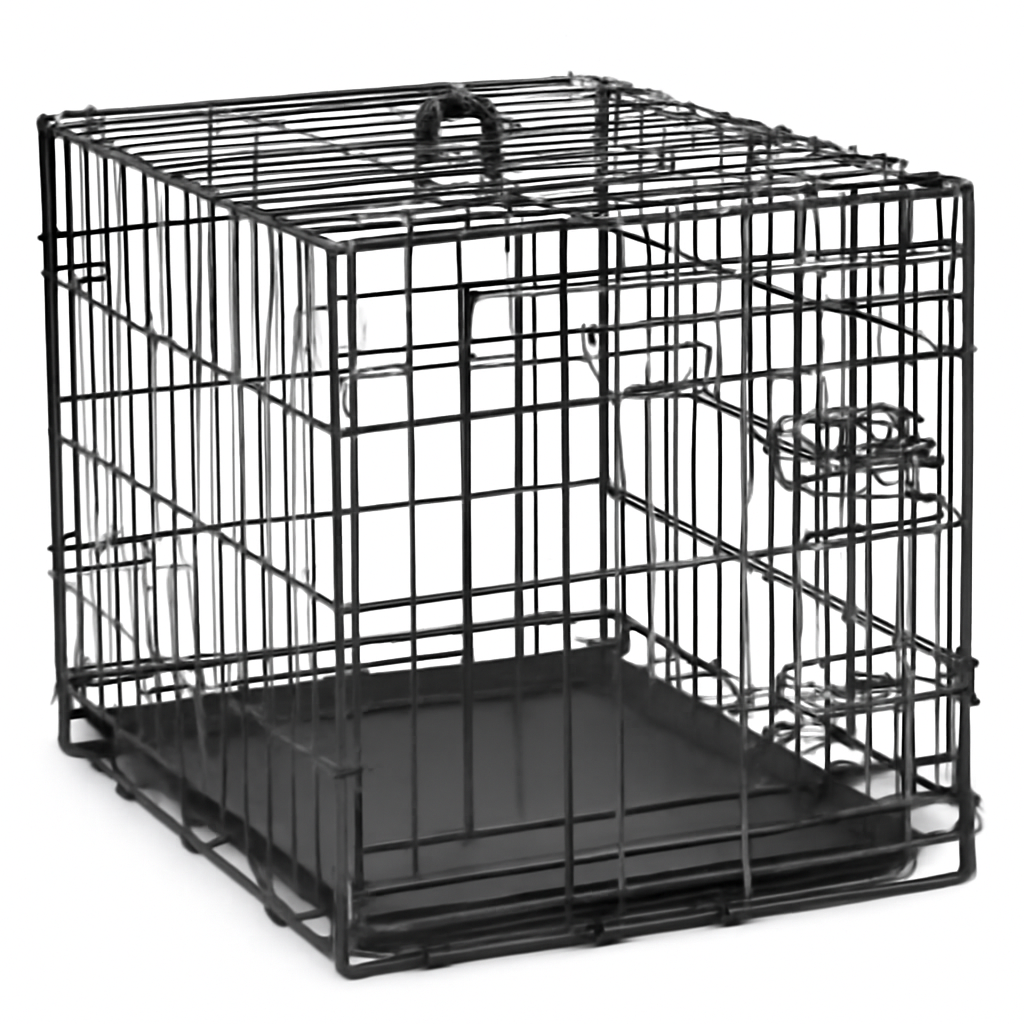
Dogs instinctively avoid soiling their sleeping area, which makes a properly sized crate one of the fastest ways to house-train a puppy. The MidWest Homes for Pets iCrate is the go-to here — it ships with a divider panel so you can shrink the interior while your puppy grows, preventing them from using one end as a bathroom.
Your dog has separation anxiety
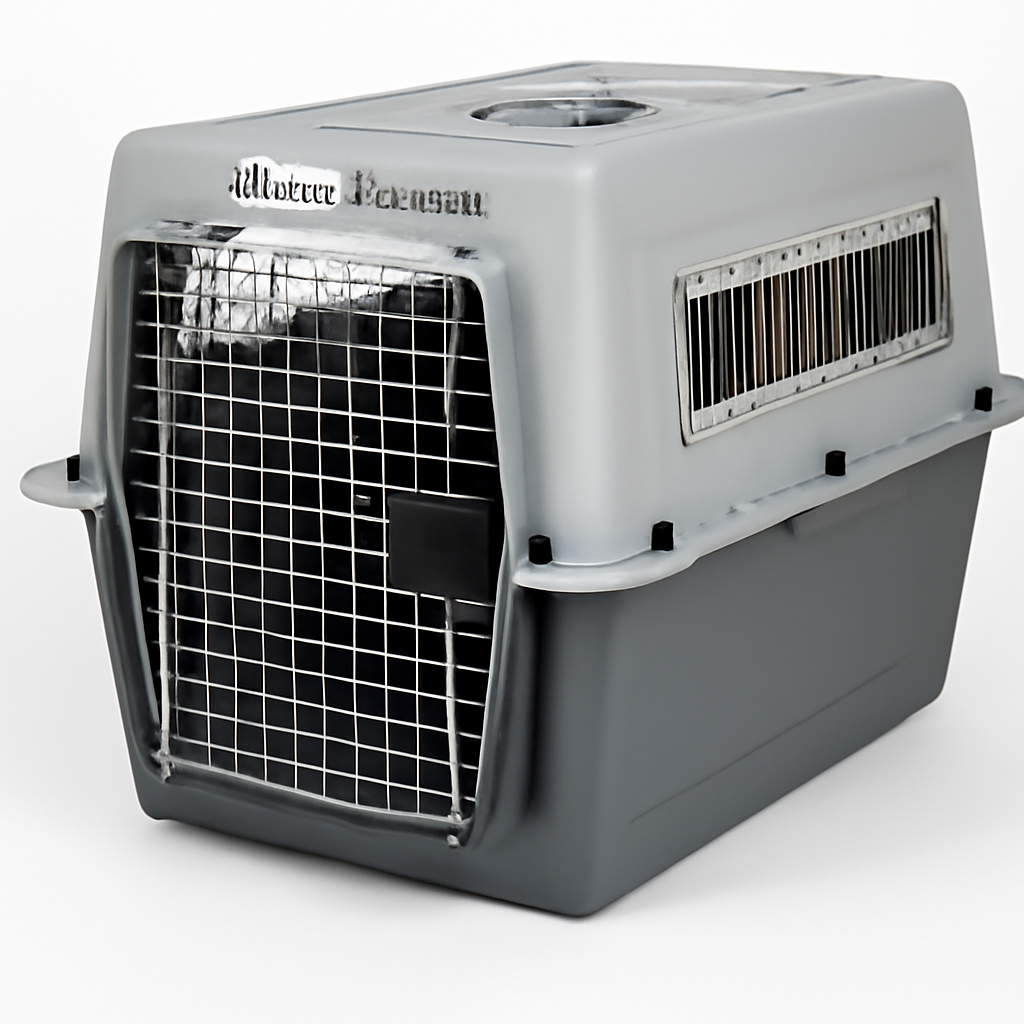
For anxious dogs, an enclosed den can be genuinely calming — it removes the overwhelming “open house” feeling and gives them one predictable, safe spot. A high-visibility wire crate isn’t always ideal here; some dogs settle better in a covered or plastic-sided model like the Petmate Sky Kennel, which limits sightlines and reduces overstimulation.
You travel or fly with your dog
If you’re putting your dog in a car for long trips or flying, a crate isn’t optional — it’s a safety device. The Petmate Sky Kennel is airline-compliant for many carriers (always confirm with yours), and its hard shell protects your dog far better than a bed ever could.
Your dog is a chewer or escape artist
Beds get destroyed. A determined chewer can shred a plush bed in an afternoon, and that stuffing is a real intestinal-blockage risk. A heavy-gauge wire or aluminum crate like the Diggs Revol holds up to dogs who treat soft furniture as a chew toy.
—
When a Dog Bed Makes More Sense
Not every dog needs a crate — and forcing one on the wrong dog just wastes money and space. A bed is the better call in these cases.
Your dog is already house-trained and calm
If your adult dog reliably holds it, doesn’t destroy furniture, and just wants somewhere soft to nap, a crate is overkill. A quality orthopedic bed does everything you actually need. The Big Barker 7″ Pillow Top is a favorite for medium-to-large breeds because of its thick, supportive foam that doesn’t flatten over time.
Your dog is older or has joint issues
Senior dogs and breeds prone to hip and elbow problems benefit enormously from orthopedic support. A firm memory-foam bed like the PetFusion Ultimate Lounge distributes weight evenly and takes pressure off aching joints — something a bare crate floor actively works against.
You want something that fits your living space
Beds blend into a home far more gracefully than a wire box. If aesthetics matter, a low-profile bed placed in a corner or next to the couch keeps your dog close without dominating the room.
Your dog already has a crate and needs comfort inside it
This is the overlap most owners miss: you can — and often should — put a bed inside a crate. A crate-sized orthopedic pad turns a bare training tool into a genuinely cozy den.
—
Comparing Comfort, Safety, and Durability
Let’s line up the three factors that matter most.
Comfort
Beds win outright, and it’s not close. A crate is a hard-floored box until you add padding; a bed is engineered for comfort from the start. Orthopedic models like the Big Barker 7″ Pillow Top use dense foam that supports a dog’s spine and joints, while a crate needs a separate mat to get anywhere near that.
Winner: Bed
Safety
Crates win decisively. During travel, unsupervised hours, or recovery from surgery, an enclosed crate prevents your dog from wandering into trouble, chewing hazards, or escaping. The Diggs Revol adds child-safe latches and a collapsible frame, closing the gap on the two big crate complaints (pinch injuries and bulk).
Winner: Crate
Durability
Crates last longer, full stop. A well-built wire or aluminum crate can survive a decade of use. Beds, even premium ones, compress and wear — though the best (Big Barker offers a 10-year warranty on its foam) dramatically outlast bargain options. Cheap beds are the worst value in this whole category; they flatten within months.
Winner: Crate
—
Sizing and Placement Tips for Both
Getting the size wrong is the single most common mistake, so here’s how to nail it.
Sizing a crate
Your dog should be able to stand up without ducking, turn around fully, and lie down stretched out — but no bigger. Too much extra room defeats house-training, because your dog can pee in one corner and sleep in the other.
Measure your dog from nose to tail base, then add 2–4 inches for length. Measure from the floor to the top of the head (or ears, for upright-eared breeds) and add 2–4 inches for height. For growing puppies, buy for the adult size and use a divider like the one included with the MidWest iCrate.
Sizing a bed
Measure your dog while they’re lying down in their favorite sleeping position — sprawled-out sleepers need a bigger bed than curl-up sleepers. Add roughly 6–12 inches to the longest measurement. Err larger; dogs rarely complain about too much space on a bed.
Placement
– Crate: Put it in a low-traffic but not isolated spot. Dogs want to feel included, not banished. A corner of the living room or bedroom usually works.
– Bed: Place it where your dog already likes to rest and away from drafts and direct AC vents. Senior dogs appreciate a spot that’s easy to reach without stairs.
—
Cost Breakdown: Crates vs Beds in 2026
Pricing shifts constantly, so treat these as ranges rather than exact figures — always confirm current pricing before you buy.
| Product | Best For | Price Range |
| MidWest iCrate | Puppies & house-training | |
| Diggs Revol | Modern homes & chewers | |
| Petmate Sky Kennel | Travel & anxious dogs | |
| Big Barker 7″ Pillow Top | Large & senior breeds | |
| PetFusion Ultimate Lounge | Joint support, all sizes |
A few things to keep in mind on cost in 2026:
– Budget wire crates are the cheapest entry point, but you’ll likely add a mat, which narrows the real-world price gap with a mid-range bed.
– Premium designer crates like the Diggs Revol cost more upfront but replace both a crate and the eyesore factor — worth it if the crate lives in a visible room.
– Orthopedic beds carry the highest per-item comfort premium, but the good ones last years and often come with multi-year warranties, making them cheaper per year than they look.
– The most economical setup for most owners is a mid-range crate plus a crate-sized orthopedic pad — you get safety and comfort without paying top dollar for both categories separately.
—
Our Top Picks and Final Recommendation
Here are the standouts, with honest pros and cons for the top three.
Best Crate Overall: Diggs Revol
Pros:
– Collapsible without pinch points — genuinely safe to fold
– Looks good enough to leave out in a living room
– Strong, chew-resistant construction with a removable tray for easy cleaning
Cons:
– Pricier than a basic wire crate
– Heavier than soft-sided travel options
Best for: Owners who want one crate that handles training, everyday use, and looks decent doing it.
Best Value Crate: MidWest iCrate
Pros:
– Extremely affordable
– Included divider makes it grow with a puppy
– Folds flat for storage and travel
Cons:
– Bare wire floor needs a separate pad for comfort
– Not as escape-proof for serious Houdini dogs
Best for: New puppy owners on a budget who want a proven house-training tool.
Best Bed Overall: Big Barker 7″ Pillow Top
Pros:
– Thick, supportive foam that resists flattening
– Long foam warranty (10 years) — rare in this category
– Excellent for large and senior dogs with joint concerns
Cons:
– Premium price
– Too large and plush for small breeds or tight spaces
Best for: Big-breed and senior dogs who need real orthopedic support.
Rounding out the list, the PetFusion Ultimate Lounge is the more affordable orthopedic bed that suits dogs of nearly any size, and the Petmate Sky Kennel remains the default choice for travel and airline use.
—
Our Verdict
There’s no single winner in the dog crate vs bed debate — because they’re not really competing for the same job.
If you’re raising a puppy, managing anxiety, traveling, or dealing with a chewer, start with a crate — the Diggs Revol if budget allows, or the MidWest iCrate if you want proven value.
If your dog is house-trained, calm, and just needs a comfortable place to rest — especially if they’re older or a large breed — go straight to a quality bed like the Big Barker 7″ Pillow Top or the PetFusion Ultimate Lounge.
And honestly? For most dogs, the ideal setup in 2026 is both: a crate for structure and safety in the early years, with an orthopedic bed inside it (and another in the living room) for comfort. Buy the crate first if your dog needs training or containment; buy the bed first if they don’t. Either way, spend a little more on the version you’ll use daily — it’s the piece your dog will spend a third of their life on.