Quick Answer: If your dog is slowing down on walks, hesitating at the stairs, or stiff after a nap, a joint supplement can help. Dasuquin (from Nutramax) is widely regarded as one of the most complete over-the-counter joint supplements for dogs, thanks to its combination of glucosamine, chondroitin, and ASU (avocado/soybean unsaponifiables). It’s our top overall pick, but the right choice depends on your dog’s size, budget, and whether they need added omega-3s or MSM. Below, we break down how Dasuquin works, how it compares to the competition, and how to pick the correct formula.
—
Why Joint Health Matters for Aging and Active Dogs
Joint problems aren’t just an “old dog” issue. Cartilage — the smooth cushion between bones — naturally wears down over time, but it also takes a beating from high-impact activity, extra body weight, and genetics. Large and giant breeds (think Labs, German Shepherds, Great Danes) are especially prone, as are dogs who’ve had prior joint injuries.
Common signs your dog’s joints need support:
– Stiffness after rest — that slow, creaky first few steps in the morning
– Reluctance to jump, climb stairs, or get in the car
– Slowing down on walks or lagging behind
– Licking or chewing at a joint (often the hips, knees, or elbows)
– Audible clicking or a change in gait
The frustrating part is that dogs are stoic. They hide discomfort well, so by the time you notice a limp, the underlying wear may have been building for a while. That’s why many vets recommend starting joint support proactively in at-risk breeds — often around middle age — rather than waiting for obvious arthritis.
A supplement won’t reverse existing damage, but the right one can support cartilage, ease everyday stiffness, and help keep your dog moving comfortably for longer.
—
What Is Dasuquin and How Does It Work?
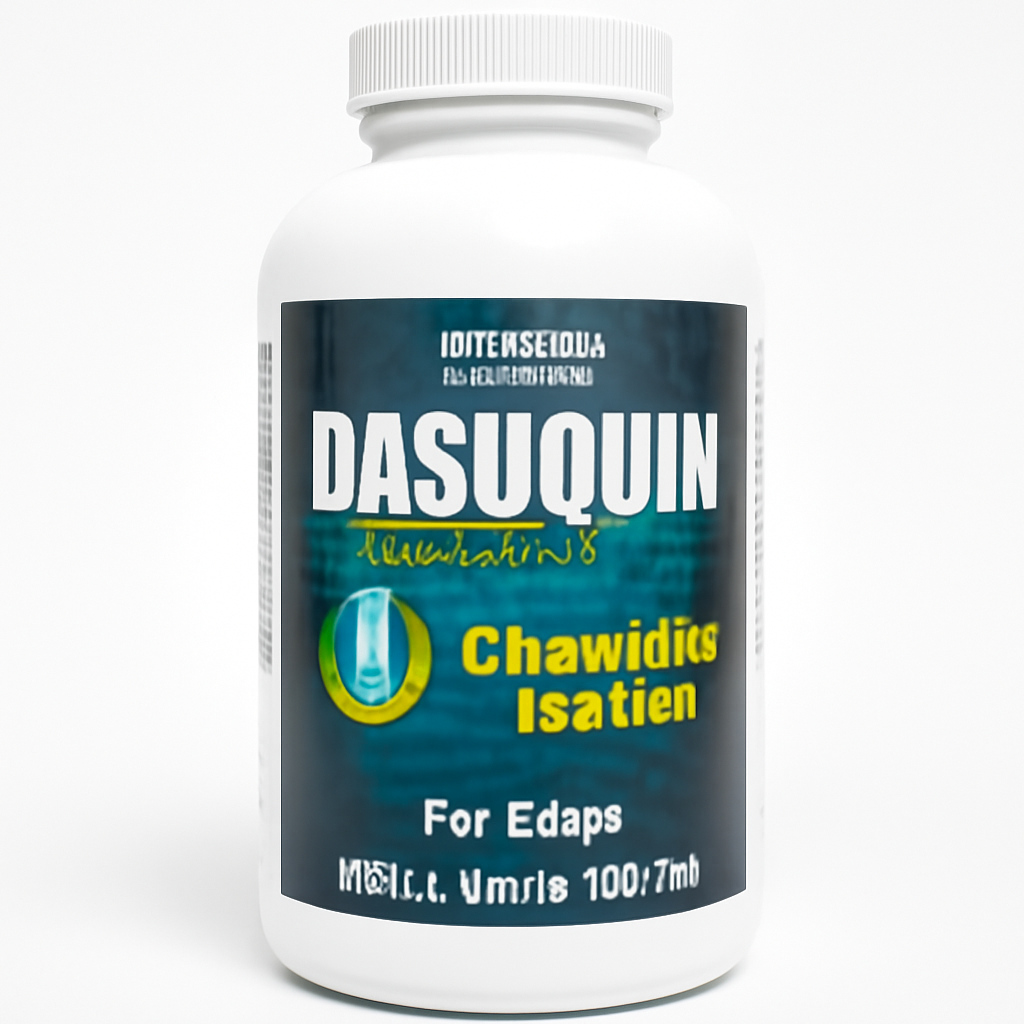
Dasuquin is a joint health supplement made by Nutramax Laboratories, the same company behind the well-known Cosequin line. It’s frequently recommended by veterinarians and is one of the most researched OTC options on the market.
What sets Dasuquin apart from basic glucosamine chews is its ASU (avocado/soybean unsaponifiables) component. Here’s the simplified version of how the formula works together:
– Glucosamine provides a building block for cartilage and helps support the joint’s natural repair processes.
– Chondroitin sulfate helps cartilage retain water and resist compression, and may help slow the enzymes that break cartilage down.
– ASU is thought to enhance the effects of glucosamine and chondroitin, supporting the cartilage-producing cells and helping manage inflammation-related wear.
Dasuquin comes in a few variations:
– Dasuquin (glucosamine + chondroitin + ASU)
– Dasuquin Advanced (adds ingredients like boswellia and green tea extract for extra support)
– Dasuquin with MSM (adds methylsulfonylmethane, which some owners use for added comfort)
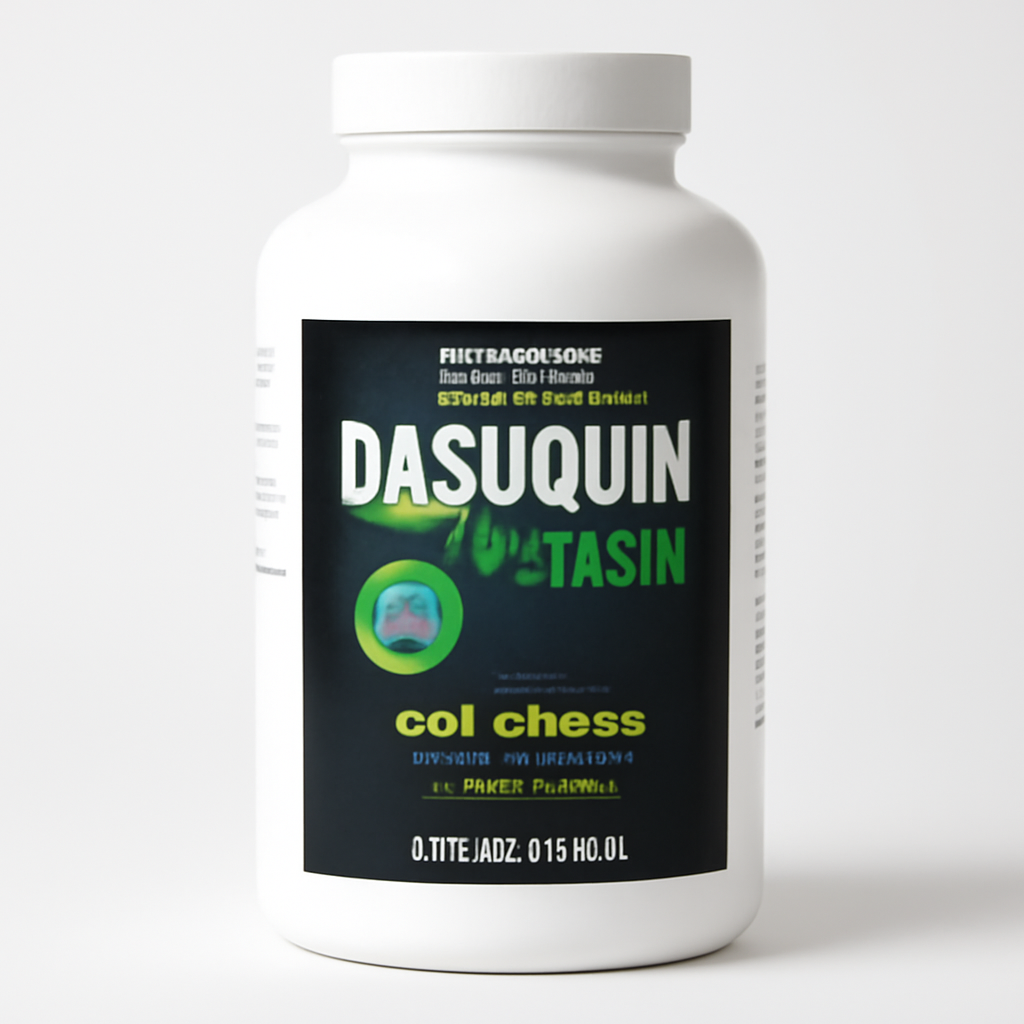
It’s sold as soft chews and chewable tablets, formulated separately for small/medium dogs and large dogs so the ingredient ratios match your pet’s size.
—
Dasuquin vs. Other Dog Joint Supplements
Dasuquin isn’t the only game in town, and it isn’t always the right fit. Here’s how the leading options stack up.
Top Picks at a Glance
| Product | Best For | Price Range |
| Nutramax Dasuquin with MSM | Overall best; dogs needing complete, vet-trusted support | $$$ |
| Nutramax Cosequin DS Plus MSM | Budget-friendly proven glucosamine/chondroitin | $$ |
| Zesty Paws Mobility Bites | Picky eaters; owners who want omega-3s + glucosamine in a tasty chew | $ |
| VetriScience GlycoFlex 3 | Highly active, athletic, or senior large-breed dogs | $$$ |
| Grizzly Wild Alaskan Salmon Oil | Adding omega-3s alongside any joint supplement | $ |
How they differ
Dasuquin is the most comprehensive of the bunch because of the ASU. If you want a single, well-rounded product and price is secondary, it’s the one to beat.
Cosequin (also from Nutramax) is essentially Dasuquin’s more affordable sibling — same trusted glucosamine and chondroitin foundation, but without the ASU. If budget matters or your dog has milder needs, it’s a strong, proven choice.
Zesty Paws Mobility Bites lean into palatability and often bundle in omega-3s and other extras. They’re widely available and easy to give, though the active-ingredient levels differ from the Nutramax line, so check the label.
VetriScience GlycoFlex 3 is a favorite for performance and senior dogs, built around ingredients like Perna canaliculus (green-lipped mussel), which is a natural source of joint-supporting compounds.
—
Key Ingredients to Look For (Glucosamine, Chondroitin, ASU)
When you flip a joint supplement over and read the label, these are the ingredients that actually earn their place:
Glucosamine
The foundation of nearly every joint supplement. Look for glucosamine hydrochloride, which is a concentrated form. This is the raw material that supports cartilage maintenance.
Chondroitin Sulfate
Works hand-in-hand with glucosamine. Many studies pair the two because they appear to complement each other. Quality and source matter here — cheaper products sometimes underdose it.
ASU (Avocado/Soybean Unsaponifiables)
The “premium” ingredient and the main reason to choose Dasuquin over basic formulas. ASU is thought to boost the effectiveness of glucosamine and chondroitin.
MSM (Methylsulfonylmethane)
A sulfur compound many owners add for extra everyday comfort. It’s the difference between the standard and “with MSM” versions of both Dasuquin and Cosequin.
Omega-3 Fatty Acids (EPA/DHA)
Not always in the joint chew itself, but a powerful complement. This is why many owners pair a supplement like Grizzly Wild Alaskan Salmon Oil with their dog’s joint formula — omega-3s support a healthy inflammatory response body-wide.
Green-Lipped Mussel & Boswellia
Natural extras found in products like GlycoFlex 3 and Dasuquin Advanced. Nice-to-haves that round out a formula.
What to avoid: vague “proprietary blends” that don’t disclose amounts, products with lots of filler, and anything making cure-all claims.
—
How to Choose the Right Dasuquin Formula for Your Dog’s Size
This is where owners most often go wrong — buying the correct product but the wrong version. Dasuquin and Cosequin are formulated differently by weight, and the dosing depends on it.
– Small & Medium Dogs (under ~60 lbs): Choose the formula clearly labeled for small/medium dogs. The chews are sized smaller and the active-ingredient ratios are matched to lighter dogs.
– Large Dogs (over ~60 lbs): Choose the large dog formula, which has higher ingredient levels appropriate for bigger bodies.
– Deciding on MSM: If your dog has more noticeable stiffness, the “with MSM” version is a reasonable step up. For proactive support in a younger at-risk breed, the standard formula is often plenty.
– Deciding on Advanced: Dasuquin Advanced adds extra botanicals. Consider it for dogs who need more robust support or who haven’t responded as well to the standard formula.
Also decide between soft chews (easier for picky dogs and toothless seniors) and chewable tablets (often more economical per serving). If your dog turns their nose up at chews, a highly palatable option like Zesty Paws Mobility Bites may win them over — palatability matters, because the best supplement is the one your dog will actually eat.
—
Dosage, Safety, and When to Talk to Your Vet
Dosing basics
Most joint supplements — Dasuquin included — use a loading phase followed by a maintenance phase. The loading period (typically the first four to six weeks) uses a higher daily amount to build up the ingredients, after which you drop to a lower ongoing dose. Always follow the exact amounts on your product’s label for your dog’s weight.
How long until it works?
Joint supplements aren’t painkillers — they work gradually. Many owners report seeing a difference within 4 to 8 weeks. If you see nothing after a couple of months, it’s worth reassessing with your vet.
Safety
Glucosamine, chondroitin, and ASU are generally very well tolerated in dogs. The most common side effects are mild digestive upset (soft stool or a bit of gas), often resolved by giving the supplement with food. Serious reactions are uncommon.
When to talk to your vet — do this first if:
– Your dog is diabetic or has blood-sugar concerns (discuss glucosamine)
– Your dog has a shellfish allergy (many glucosamine sources are shellfish-derived)
– Your dog is on other medications, especially blood thinners or NSAIDs
– Your dog is showing sudden or severe limping, pain, or swelling — that needs a diagnosis, not just a supplement
– Your dog is pregnant, nursing, or has a known health condition
A supplement supports joint health; it doesn’t replace a proper veterinary exam. If there’s real pain, your vet may recommend prescription options alongside a supplement.
—
Frequently Asked Questions About Dog Joint Supplements
Is Dasuquin better than Cosequin?
Both are made by Nutramax and share the same glucosamine/chondroitin foundation. Dasuquin adds ASU, making it the more complete (and more expensive) option. Cosequin is an excellent, more affordable choice if you don’t need the extra ingredient.
Do I need a prescription for Dasuquin?
No. Dasuquin is an over-the-counter supplement. That said, it’s smart to loop in your vet, especially for a dog with existing health issues.
Can I give my dog human glucosamine supplements?
It’s not recommended. Human products may contain additives, sweeteners (like xylitol, which is toxic to dogs), or dosages that aren’t appropriate. Stick to products formulated for dogs.
At what age should I start a joint supplement?
It varies. Large and giant breeds, or dogs with prior injuries, may benefit from starting proactively in early-to-middle age. For most dogs, the first signs of stiffness are a good cue to begin. Ask your vet what makes sense for your breed.
Can I combine a joint supplement with fish oil?
Yes, and many owners do. Omega-3s from a product like Grizzly Wild Alaskan Salmon Oil complement joint supplements nicely. Just avoid doubling up on the same active ingredients across multiple products.
Are soft chews or tablets better?
Neither is “better” — it comes down to your dog. Chews are easier for picky eaters and seniors with dental issues; tablets are often cheaper per dose.
—
Pros and Cons of Our Top Picks
1. Nutramax Dasuquin with MSM — Best Overall
Pros
– Most complete formula: glucosamine + chondroitin + ASU + MSM
– Made by a trusted, veterinary-recommended manufacturer
– Size-specific formulas for accurate dosing
– Widely available in chews and tablets
Cons
– Higher price than basic glucosamine supplements
– Some dogs need the loading phase before results show
– Easy to accidentally buy the wrong size version
2. Nutramax Cosequin DS Plus MSM — Best Value
Pros
– Same trusted maker as Dasuquin at a lower price
– Proven glucosamine/chondroitin combination
– Great for milder needs or budget-conscious owners
Cons
– No ASU, so less comprehensive than Dasuquin
– May be less effective for advanced joint wear
3. VetriScience GlycoFlex 3 — Best for Active & Senior Large Dogs
Pros
– Built around green-lipped mussel, a natural joint source
– Popular with owners of athletic and working dogs
– Strong support tier for demanding needs
Cons
– Premium price
– Palatability varies dog to dog
—
Our Verdict
For most dogs in 2026, Nutramax Dasuquin with MSM is the joint supplement to reach for first. It’s the most complete over-the-counter formula available, it comes from a manufacturer vets know and trust, and the ASU component gives it a genuine edge over standard glucosamine chews. Just be sure to buy the version matched to your dog’s size.
If money is tight or your dog’s needs are on the milder side, Nutramax Cosequin DS Plus MSM delivers the same trusted foundation for less. Have a highly active, athletic, or large senior dog? Give VetriScience GlycoFlex 3 a serious look. And whichever you choose, consider pairing it with Grizzly Wild Alaskan Salmon Oil for added omega-3 support — while Zesty Paws Mobility Bites remain a solid, palatable backup for dogs who refuse anything less tasty.
Start early, be patient through the loading phase, and check in with your vet — your dog’s future self (and those pain-free zoomies) will thank you.
This guide is for informational purposes and isn’t a substitute for professional veterinary advice. Always consult your veterinarian before starting a new supplement.