Quick answer: If your dog is slowing down on walks, hesitating at the stairs, or stiff after a nap, a joint supplement powder is one of the easiest and most cost-effective ways to support their mobility. Powders let you scale the dose to your dog’s exact weight and mix seamlessly into food, so picky eaters never know it’s there. For most dogs, look for a powder with glucosamine, chondroitin, and MSM, ideally with added omega-3s or green-lipped mussel. Our overall top pick for 2026 is Nutramax Cosequin Powder for its research backing and vet trust, with Nutramax Dasuquin Powder as the premium upgrade for dogs with more advanced stiffness.
—
Why Joint Supplements Matter for Dogs
Joint wear is one of the most common — and most under-treated — problems dogs face as they age. Cartilage, the smooth cushioning tissue between bones, gradually breaks down over a dog’s life. When it thins, bones start to rub, which leads to inflammation, discomfort, and the stiffness so many owners write off as “just getting old.”
But it’s not only senior dogs. Large and giant breeds are prone to joint issues from puppyhood because of how fast their skeletons grow. Active dogs — agility competitors, hunting dogs, weekend hiking companions — put repeated stress on their joints for years. And certain breeds are simply genetically predisposed to hip and elbow problems.
The signs are easy to miss until they’re obvious:
– Slowing down or lagging on walks
– Hesitating before jumping onto the couch or into the car
– Stiffness after resting, especially first thing in the morning
– Licking at a specific joint
– Reluctance to climb or descend stairs
– A subtle change in gait or a “bunny hop”
Here’s the key insight most owners miss: joint supplements work best as prevention, not rescue. Starting a supplement early — before cartilage is severely degraded — gives the joint the raw materials it needs to maintain and repair itself. Waiting until your dog is visibly limping means you’re playing catch-up against damage that’s already done.
Key Ingredients to Look For (Glucosamine, Chondroitin, MSM)
Not all supplements are created equal, and the label is where you separate the effective products from the marketing fluff. Here are the ingredients that actually have a track record.
Glucosamine
Glucosamine is the foundation of nearly every quality joint supplement. It’s a natural building block of cartilage, and supplementing it gives the body more raw material to repair and maintain that cushioning tissue. Look specifically for glucosamine hydrochloride (HCl), which is more concentrated and better studied than glucosamine sulfate for dogs.
Chondroitin
Chondroitin sulfate works hand-in-hand with glucosamine. It helps cartilage retain water and elasticity, and it may help block the enzymes that break cartilage down. The glucosamine-chondroitin combination is the most researched pairing in canine joint care, which is why you’ll see them together in almost every reputable product.
MSM (Methylsulfonylmethane)
MSM is a natural sulfur compound valued for its anti-inflammatory properties. Where glucosamine and chondroitin rebuild, MSM helps manage the inflammation and discomfort that come with joint stress. It’s a strong complement rather than a standalone solution.
Bonus ingredients worth paying for
– Omega-3 fatty acids (EPA/DHA) — powerful natural anti-inflammatories, usually from fish oil
– Green-lipped mussel — a natural source of glucosamine, chondroitin, and omega-3s in one
– Hyaluronic acid — supports joint lubrication
– Turmeric/curcumin — plant-based anti-inflammatory support
– ASU (avocado/soybean unsaponifiables) — helps protect existing cartilage; found in premium formulas
What to avoid: vague “proprietary blends” that don’t disclose amounts per serving, excessive fillers, and products that hide the actual glucosamine dose. If you can’t tell how many milligrams your dog is getting, that’s a red flag.
Powder vs. Chews vs. Liquid: Which Format Wins?
The best format is the one your dog will actually take consistently. That said, each has real trade-offs.
| Format | Strengths | Weaknesses |
| Powder | Precise dosing by weight, easy to hide in food, no added sugars/binders, often cheapest per dose, great for picky eaters | Requires mixing into a moist meal to stick |
| Chews | Convenient, treat-like, no prep | Fixed dose (hard to fine-tune), added calories and binders, some dogs dislike the texture |
| Liquid | Fast absorption, easy for dogs that won’t eat powder | Shorter shelf life, can be messy, usually pricier per dose |
Why powder often wins: Powders give you the tightest control over dosing, which matters enormously when you’re covering everything from a 10-lb terrier to a 120-lb mastiff. Because they skip the binders and flavor coatings that chews rely on, powders tend to deliver more active ingredient per dollar. And for the classic “spits out the pill” dog, a scoop stirred into wet food is nearly undetectable. The one requirement is a moist meal — sprinkle it over kibble with a splash of water, broth, or a spoonful of wet food and it disappears.
How to Choose the Right Supplement for Your Dog’s Age & Breed
By age
– Puppies & young dogs (large breeds): Large and giant breeds can benefit from early joint support during their rapid growth phase. Talk to your vet, but preventive supplementation is increasingly common.
– Adult dogs (active/working): If your dog is athletic or does repetitive high-impact activity, a maintenance dose of glucosamine/chondroitin helps offset the cumulative stress.
– Senior dogs (7+): This is where the full glucosamine + chondroitin + MSM + omega-3 stack earns its keep. Seniors often benefit from higher-potency or “advanced” formulas.
By size and breed
– Large & giant breeds (Labs, German Shepherds, Great Danes, Mastiffs, Golden Retrievers): Higher predisposition to hip and elbow dysplasia. Prioritize higher glucosamine doses and start early.
– Small breeds (Dachshunds, French Bulldogs, Corgis): More prone to back and knee (patella) issues. Precise, weight-appropriate dosing matters — another point in favor of powder.
– Sporting & working dogs: Consider adding omega-3s and green-lipped mussel for the extra anti-inflammatory support.
Match potency to need
A young dog on a preventive plan doesn’t need the same strength as a 10-year-old with visible stiffness. Standard formulas (like Cosequin) suit maintenance and mild cases; advanced formulas with ASU (like Dasuquin) are built for dogs that need more.
Top Dog Joint Supplement Powders of 2026
Here are the powders worth your money this year. All are real, widely available brands — check current pricing and current dosing on the label before buying.
Top Picks at a Glance
| Product | Best For | Price Range |
| Nutramax Cosequin Powder | Overall best / vet-trusted maintenance | |
| Nutramax Dasuquin Powder | Advanced support & seniors | |
| Nutramax Cosequin with MSM & HA | Added anti-inflammatory support | |
| Zesty Paws Mobility Bites / Powder | Budget-friendly all-in-one | |
| VetriScience GlycoFlex Powder | Active & working dogs | |
| Doggie Dailies Advanced Hip & Joint | Value multi-ingredient blend |
—
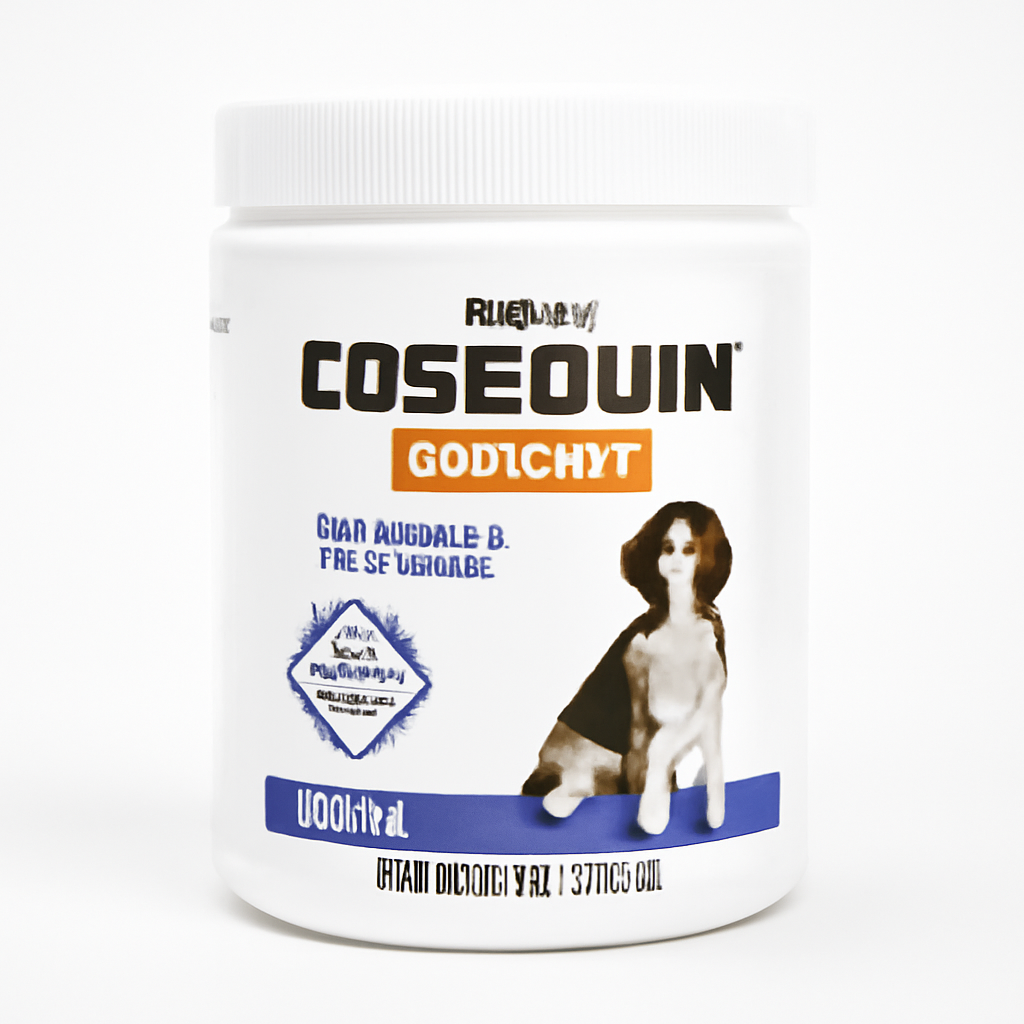
1. Nutramax Cosequin Powder — Best Overall
Nutramax Cosequin Powder is the benchmark most other joint supplements are measured against. Nutramax is one of the most researched names in veterinary joint care, and Cosequin is among the most commonly recommended supplements by vets. The powder form makes it easy to mix into food and dose by weight, delivering glucosamine and chondroitin in a formula with a long track record.
It’s the safe, sensible default: proven ingredients, a trusted manufacturer, and a formula that suits most dogs from maintenance through mild stiffness.
Pros:
– Backed by one of the most research-focused brands in the category
– Frequently recommended by veterinarians
– Powder mixes easily into food; good for picky eaters
– Solid glucosamine/chondroitin foundation
Cons:
– Standard formula may not be strong enough for advanced arthritis
– Premium pricing versus generic blends
—
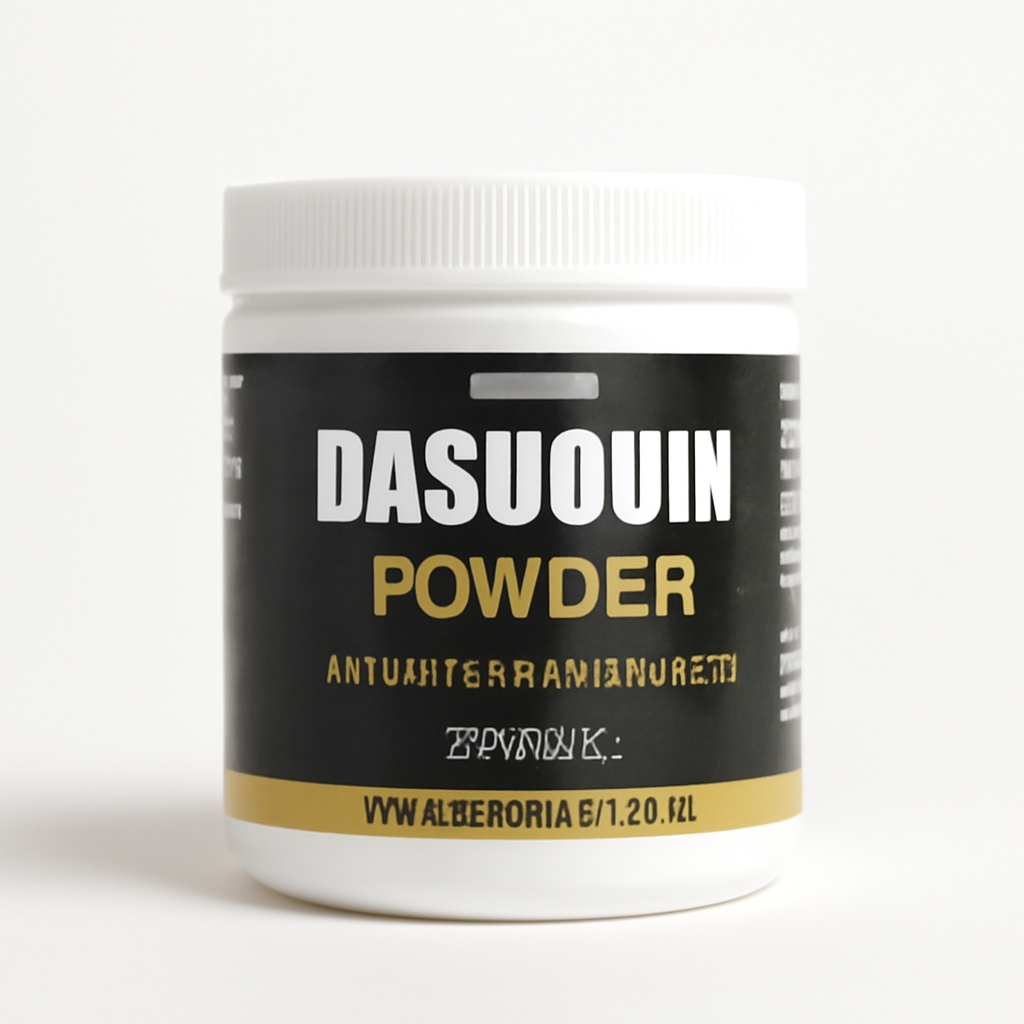
2. Nutramax Dasuquin Powder — Best for Advanced Support
Nutramax Dasuquin Powder is Cosequin’s more powerful sibling. The key differentiator is ASU (avocado/soybean unsaponifiables), which is added to the glucosamine and chondroitin base to help protect existing cartilage. For senior dogs, larger breeds, or dogs already showing noticeable stiffness, Dasuquin is the step-up choice — and it’s the one many vets reach for when a standard formula isn’t cutting it.
Pros:
– Advanced formula with ASU for extra cartilage support
– Excellent for seniors and dogs with more pronounced joint issues
– Same trusted Nutramax quality and research pedigree
– Precise powder dosing
Cons:
– Among the more expensive options
– More than a young, healthy dog strictly needs
—
3. VetriScience GlycoFlex Powder — Best for Active & Working Dogs
VetriScience GlycoFlex Powder stands out for including green-lipped mussel, a natural all-in-one source of glucosamine, chondroitin, and omega-3s. That makes it a strong pick for sporting dogs, agility competitors, and working breeds that need robust anti-inflammatory support alongside cartilage building. GlycoFlex comes in tiered strengths, so you can scale up as your dog ages.
Pros:
– Green-lipped mussel adds natural omega-3 support
– Tiered strengths for different life stages and needs
– Well-suited to active and athletic dogs
Cons:
– Green-lipped mussel formulas can be pricier
– Some dogs are sensitive to the natural marine flavor
—
4. Zesty Paws Mobility Powder — Best Budget All-in-One
Zesty Paws Mobility is a popular value-oriented line that packs glucosamine, chondroitin, MSM, and often added extras like green-lipped mussel and turmeric into one affordable formula. It’s a great entry point for owners who want a comprehensive ingredient list without the premium price tag, and the brand is widely stocked.
5. Doggie Dailies Advanced Hip & Joint — Best Value Blend
Doggie Dailies Advanced Hip & Joint offers a multi-ingredient formula — typically glucosamine, chondroitin, MSM, and supporting compounds — at a competitive price. It’s a solid mid-market option for owners who want more than a bare-bones glucosamine product but don’t need a premium veterinary formula.
Dosage, Safety, and Vet Guidance
Dose by weight. Nearly all joint powders are dosed according to your dog’s body weight, which is exactly why the powder format is so convenient — you can measure the precise scoop your dog needs. Always follow the specific product’s label, since concentrations vary between brands.
Expect a loading period. Many supplements use a higher “loading dose” for the first 4–6 weeks, then drop to a lower maintenance dose. Joint supplements are not painkillers — they work gradually, so give it a full 4–8 weeks before judging results.
Safety profile. Glucosamine, chondroitin, and MSM have a strong safety record in dogs. Side effects are uncommon and usually mild (soft stool or minor GI upset), often resolved by giving the supplement with food or easing into the dose.
When to talk to your vet first:
– Your dog is diabetic (discuss glucosamine use)
– Your dog has a known shellfish allergy (many sources are shellfish-derived)
– Your dog is on other medications
– Your dog is pregnant or nursing
– You’re seeing significant lameness — rule out injury or advanced disease first
Important: Supplements support joint health but don’t replace veterinary care. Sudden limping, severe pain, or rapid decline warrants a vet visit, not a scoop of powder. And never give your dog human joint products without vet approval — some contain ingredients (or sweeteners like xylitol) that are toxic to dogs.
Frequently Asked Questions
How long until I see results?
Most owners notice changes in 4–8 weeks. Joint supplements build up over time, so consistency matters more than speed.
Can I give joint supplements to a healthy young dog?
Yes, especially for large and giant breeds prone to joint issues. Preventive supplementation is increasingly common, but check with your vet on timing and dose.
Is powder better than chews?
For dosing precision and picky eaters, powder usually wins. Chews win on convenience. The best choice is whichever your dog takes reliably every day.
Are these supplements safe long-term?
Glucosamine, chondroitin, and MSM are well-tolerated for long-term use in most dogs. Long-term joint support is exactly what these products are designed for.
Can I give too much?
These ingredients have a wide safety margin, but more isn’t better. Stick to the label dose (including the loading-to-maintenance transition) and consult your vet before exceeding it.
My dog has a shellfish allergy — what now?
Look for shellfish-free formulas; some glucosamine is derived from non-shellfish sources. Ask your vet for a recommendation.
Our Verdict
For the majority of dogs, Nutramax Cosequin Powder is the smartest place to start. It combines a research-driven, vet-trusted formula with the dosing flexibility of a powder — the best balance of proven ingredients, quality, and everyday usability on the market in 2026.
If your dog is a senior, a large breed, or already showing real stiffness, step up to Nutramax Dasuquin Powder for the added ASU cartilage support. Active and working dogs will appreciate the green-lipped mussel in VetriScience GlycoFlex Powder, and budget-conscious owners get a genuinely comprehensive blend from Zesty Paws Mobility.
Whichever you choose, the most important move is to start early and stay consistent. Joint supplements reward the owners who don’t wait for a limp to appear — give it a full two months, dose by your dog’s weight, and loop in your vet if anything seems off. Your dog’s future self (and their next flight of stairs) will thank you.
This guide is for informational purposes and isn’t a substitute for professional veterinary advice. Always consult your veterinarian before starting any new supplement.