Quick answer: For most dogs, the Dremel PawControl 7760 is the best all-around nail grinder in 2026 — it’s quiet, powerful enough for large breeds, and cordless. If your dog is small or nervous, the Casfuy Dog Nail Grinder is a gentler, budget-friendly pick. Anxious dogs do best with an ultra-quiet, low-vibration model and slow desensitization, no matter which grinder you buy.
Keeping your dog’s nails trimmed isn’t just cosmetic. Overgrown nails change the way your dog walks, put pressure on the joints, and can eventually curl into the paw pad. If you’ve ever “quicked” your dog with clippers and watched them flinch away from the trimmer for weeks afterward, a nail grinder can completely change that experience. Below, we’ll walk through why grinders often beat clippers, what features actually matter, and our top 7 picks for 2026.
Why a Nail Grinder Beats Clippers for Most Dogs
Clippers work by cutting the nail with a sharp blade. That’s fast, but it comes with two problems: it’s easy to cut into the quick (the blood vessel and nerve inside the nail), and clippers can crush or splinter thicker nails, especially on large breeds.
A nail grinder uses a small rotating sanding drum to file the nail down gradually. Here’s why that matters:
– More control. You remove a little at a time, so it’s much harder to hit the quick by accident.
– Smooth edges. Ground nails don’t have the sharp corners clippers leave behind — great if your dog jumps on people or scratches hardwood floors.
– Better for thick or dark nails. If you can’t see the quick (common with black nails), grinding lets you sneak up on it safely.
– Less “one big scary moment.” Instead of a sudden snip, grinding is gradual, which many dogs tolerate better once they’re used to the sound.
The trade-offs? Grinding is slower, it makes noise and vibration that some dogs dislike at first, and there’s a faint burning-nail smell. For most owners, the added safety and clean finish are worth it.
How to Choose the Best Dog Nail Grinder: Key Features to Compare
Not all grinders are equal. Here’s what to actually pay attention to.
Noise Level
This is the single biggest factor for nervous dogs. Quieter motors (often marketed around 50 dB or lower) are far easier to introduce. Cheap grinders tend to whine at a high pitch that dogs hate.
Power and Speed Settings
Small dogs need very little power; a 60-lb Lab with thick nails needs more. Look for at least two speed settings so you can match the grinder to your dog. More power also means you finish faster, which keeps stressful sessions short.
Corded vs. Cordless
Cordless models are more convenient and safer around a squirming dog, but you’ll want good battery life and a USB-C charging port. Corded models never run out of power mid-session but limit your movement. (More on this below.)
Grinding Port / Safety Guard
The best grinders have a plastic cap or guard with different-sized openings. This limits how much nail is exposed to the drum, protecting fur and reducing the chance of over-grinding.
Battery Life & Charging
For cordless units, look for several hours of runtime and USB-C. Avoid models that need proprietary chargers or die after 30 minutes.
Replaceable Grinding Bands
The sanding drums wear out. Make sure replacement bands are cheap and easy to find.
Our Top 7 Dog Nail Grinder Picks for 2026
Top Picks at a Glance
| Product | Best For | Price Range |
| Dremel PawControl 7760 | Best overall / large breeds | |
| Casfuy Dog Nail Grinder | Best budget / small dogs | |
| Dremel 7300-PT | Best proven workhorse | |
| Wahl Pet Nail Grinder | Best for quiet operation | |
| Furminator Nail Grinder | Best safety guard | |
| Hertzko Electric Nail Grinder | Best for multi-pet homes | |
| Oster Gentle Paws | Best for first-timers |
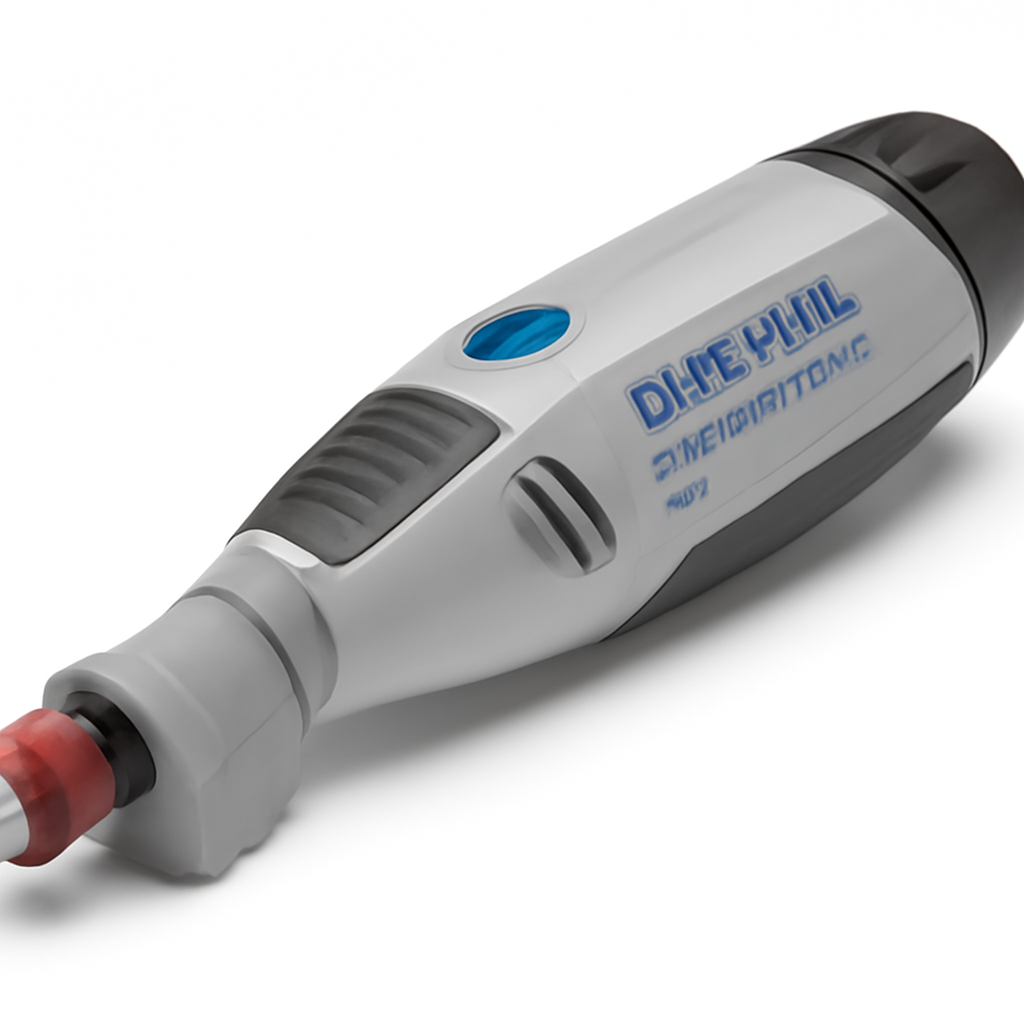
1. Dremel PawControl 7760 — Best Overall
The Dremel PawControl 7760 is purpose-built for pets and is the grinder we recommend to most people. It’s cordless with a USB-C rechargeable battery, runs quieter than Dremel’s older rotary tools, and has enough torque to handle thick large-breed nails without bogging down. The included paw guard keeps fur out of the drum.
Pros:
– Strong enough for large and giant breeds
– Cordless with USB-C charging
– Quieter and lower-vibration than general-purpose rotary tools
– Well-designed paw guard and replaceable bands
Cons:
– Pricier than generic grinders
– Slightly bulkier in the hand for tiny dogs
2. Casfuy Dog Nail Grinder — Best Budget & Small Dogs
The Casfuy Dog Nail Grinder punches well above its price. It’s whisper-quiet, has two speeds, and a three-port guard sized for small, medium, and large nails. For small and medium dogs — or owners who want to try grinding without a big investment — it’s the easiest recommendation.
Pros:
– Very affordable
– Low noise and vibration, great for anxious dogs
– Three-port guard fits different nail sizes
– Simple to use for beginners
Cons:
– Underpowered for very thick, large-breed nails
– Battery life is decent but not class-leading
3. Dremel 7300-PT — Best Proven Workhorse
The Dremel 7300-PT has been a groomer favorite for years. It’s a two-speed cordless rotary tool that’s slightly louder than the PawControl but extremely durable and reliable.
Pros:
– Rugged, long-lasting motor
– Trusted by professional groomers
– Handles most nail sizes well
Cons:
– Older battery tech on some versions
– Louder than newer purpose-built pet grinders
4. Wahl Pet Nail Grinder — Best for Quiet Operation
From a brand known for grooming clippers, the Wahl Pet Nail Grinder focuses on low-noise, low-vibration operation. A strong choice if noise is your dog’s main objection.
5. Furminator Nail Grinder — Best Safety Guard
The Furminator Nail Grinder features a well-designed guard that limits exposure and helps prevent over-grinding — reassuring for first-time users worried about the quick.
6. Hertzko Electric Nail Grinder — Best for Multi-Pet Homes
The Hertzko Electric Nail Grinder offers a three-port guard and solid battery life, making it convenient for households juggling several dogs (or cats) of different sizes.
7. Oster Gentle Paws — Best for First-Timers
The Oster Gentle Paws is a simple, two-speed grinder that’s approachable and inexpensive — a nice entry point if you’re nervous about the whole process.
Corded vs. Cordless: Which Grinder Type Is Right for You?
Both types can do the job well; it comes down to your dog and your routine.
| Factor | Corded | Cordless |
| Power consistency | Always full power | Drops as battery drains |
| Freedom of movement | Limited by cord | Move freely around a squirming dog |
| Session length | Unlimited | Limited by battery |
| Best for | Large breeds, frequent multi-dog sessions | Most home users, small/medium dogs |
Go cordless if you have one or two dogs and value convenience and maneuverability — this covers the majority of owners, and it’s why most of our top picks are cordless. Consider corded if you have several large dogs, do long grooming sessions, or hate remembering to charge things. If you choose cordless, prioritize USB-C charging and a battery that lasts several sessions.
Noise, Vibration & Getting an Anxious Dog Comfortable
For a scared dog, the grinder’s sound is usually the real problem — not the sensation. Here’s how to build tolerance:
1. Introduce it turned off. Let your dog sniff the grinder. Give treats. No grinding yet.
2. Turn it on across the room. Reward calm behavior. Gradually move closer over several days.
3. Touch it (off) to their paw. Pair every step with high-value treats like chicken or cheese.
4. Grind one nail, then stop. End on a positive note. Don’t try to do all four paws on day one.
5. Go slow over a week or two. Rushing sets you back further than going slow.
Choosing a genuinely quiet, low-vibration model — like the Casfuy or Wahl — makes this whole process dramatically easier. A lick mat with peanut butter (xylitol-free) stuck to the wall can also keep your dog occupied during sessions.
How to Safely Grind Your Dog’s Nails Step by Step
1. Get comfortable. Sit where you can hold the paw gently but securely. For small dogs, your lap works well.
2. Isolate one nail. Push back any fur and hold the toe firmly but gently.
3. Grind in short bursts. Touch the drum to the nail tip for 2–3 seconds, then pull away to check progress and avoid heat buildup.
4. Work from the tip inward. Round the bottom and edges. Stop when you see a small dark dot appearing in the center — that’s the edge of the quick. Do not go further.
5. Avoid friction burn. Don’t hold the grinder in one spot too long. Short passes keep the nail cool.
6. Reward constantly. Treats between nails keep the mood positive.
7. Finish and praise. Even if you only do two paws, that’s a win. Repeat every 1–2 weeks.
Keep styptic powder nearby just in case — though grinding makes quicking far less likely than clippers do.
Frequently Asked Questions About Dog Nail Grinders
How often should I grind my dog’s nails?
Every 1–2 weeks for most dogs. If you hear nails clicking on hard floors, they’re too long. Frequent light grinding actually causes the quick to recede over time, letting you keep nails shorter.
Is grinding safer than clipping?
Generally yes. Because you remove nail gradually, it’s much harder to hit the quick. It also leaves smoother edges. The trade-off is that it’s slower and noisier.
Will the grinder hurt my dog?
Not if used correctly. Use short bursts to avoid heat, and stop before you reach the quick. Most discomfort comes from friction heat, which short passes prevent.
Can I use a human Dremel or rotary tool?
You can, but purpose-built pet grinders like the Dremel PawControl 7760 are quieter, lower-vibration, and come with paw guards. A high-speed workshop tool can generate too much heat and noise.
My dog is terrified of the sound. What do I do?
Start with the desensitization steps above and choose the quietest grinder you can, such as the Casfuy. Go slowly over days or weeks, pairing every step with treats.
How long do the grinding bands last?
It varies by nail thickness and how many dogs you groom, but they’re inexpensive and replaceable. Keep a few spares on hand.
Our Verdict
For most dog owners in 2026, the Dremel PawControl 7760 is the best dog nail grinder — it’s quiet, powerful enough for any breed, cordless, and built specifically for pets. If you have a small dog, an anxious dog, or you’re grinding on a budget, the Casfuy Dog Nail Grinder delivers 90% of the experience for a fraction of the price and is exceptionally easy on nervous pups. Want a groomer-proven workhorse? The Dremel 7300-PT won’t let you down.
Whichever you choose, remember that the tool matters less than the approach: go slow, use short bursts, reward generously, and your dog will learn to sit calmly for nail day.
Prices and availability change frequently — always check the current price before buying. This guide is for informational purposes and isn’t a substitute for veterinary advice.