Quick answer: Costco is a genuinely good place to buy dog joint supplements — mainly because warehouse-club pricing shines on products you buy every single month for years. The standout options you’ll typically find are Kirkland Signature Hip & Joint Chews (Costco’s own value pick) and name-brand chews like Zesty Paws Mobility Bites. But the strongest clinical formulas — think Nutramax Dasuquin and Nutramax Cosequin — often live online or at the vet rather than on the warehouse shelf. This guide breaks down what’s actually worth buying, how the cost-per-dose math shakes out, and when to skip the club altogether.
—
Why Joint Supplements Matter for Aging and Active Dogs
If your dog is slowing down on stairs, hesitating before jumping into the car, or stiff after a long nap, you’re seeing the early language of joint discomfort. It rarely shows up as a dramatic limp at first — it shows up as hesitation.
Two groups of dogs benefit most:
– Aging dogs. Cartilage naturally thins with age, and osteoarthritis is extremely common in senior dogs. Large and giant breeds often show signs by middle age.
– Active and working dogs. Agility dogs, hunting dogs, and any pup that repeatedly jumps, twists, and sprints puts real mechanical load on hips, knees, and elbows.
Joint supplements won’t reverse arthritis or regrow cartilage, and any product promising that is overselling. What a good supplement can do is support cartilage maintenance, help manage low-grade inflammation, and — for many dogs — improve day-to-day comfort and mobility. Think of it as long-term maintenance, not a cure. The dogs who benefit most are the ones started early, before significant joint damage sets in.
—
Key Ingredients to Look For (Glucosamine, Chondroitin, MSM, Omega-3s)
Flip any joint chew over and you’ll see a familiar cast of ingredients. Here’s what each one actually does and why it matters.
Glucosamine
The backbone of nearly every joint formula. Glucosamine is a building block of cartilage and the fluid that cushions joints. Look for glucosamine hydrochloride (HCl), which is more concentrated than glucosamine sulfate. Dosing is roughly weight-based, so a big dog needs a meaningfully larger dose than a small one.
Chondroitin
Chondroitin sulfate works hand-in-hand with glucosamine — it helps cartilage retain water and resist compression. The two are almost always paired, and there’s reasonable evidence they perform better together than either alone.
MSM (Methylsulfonylmethane)
A sulfur compound often added for its anti-inflammatory support. It’s a “nice to have” that can help with comfort, though the evidence base is thinner than for glucosamine/chondroitin.
Omega-3 Fatty Acids (EPA & DHA)
This is the ingredient most owners underrate. Marine-sourced omega-3s (fish oil, green-lipped mussel) have some of the strongest evidence for reducing joint inflammation. Many premium chews now include green-lipped mussel, and plenty of vets recommend adding a dedicated fish oil on top.
A quick note on what to ignore
Buzzwords like “clinically inspired” or “vet-formulated” mean nothing on their own. What matters is the guaranteed analysis — the actual milligrams of active ingredients per chew, matched to your dog’s weight.
—
Does Costco Sell Dog Joint Supplements? What’s Actually on the Shelf
Yes — but with caveats, and the selection is famously inconsistent.
Costco’s pet aisle rotates seasonally and varies by region and by warehouse. On any given trip you might find:
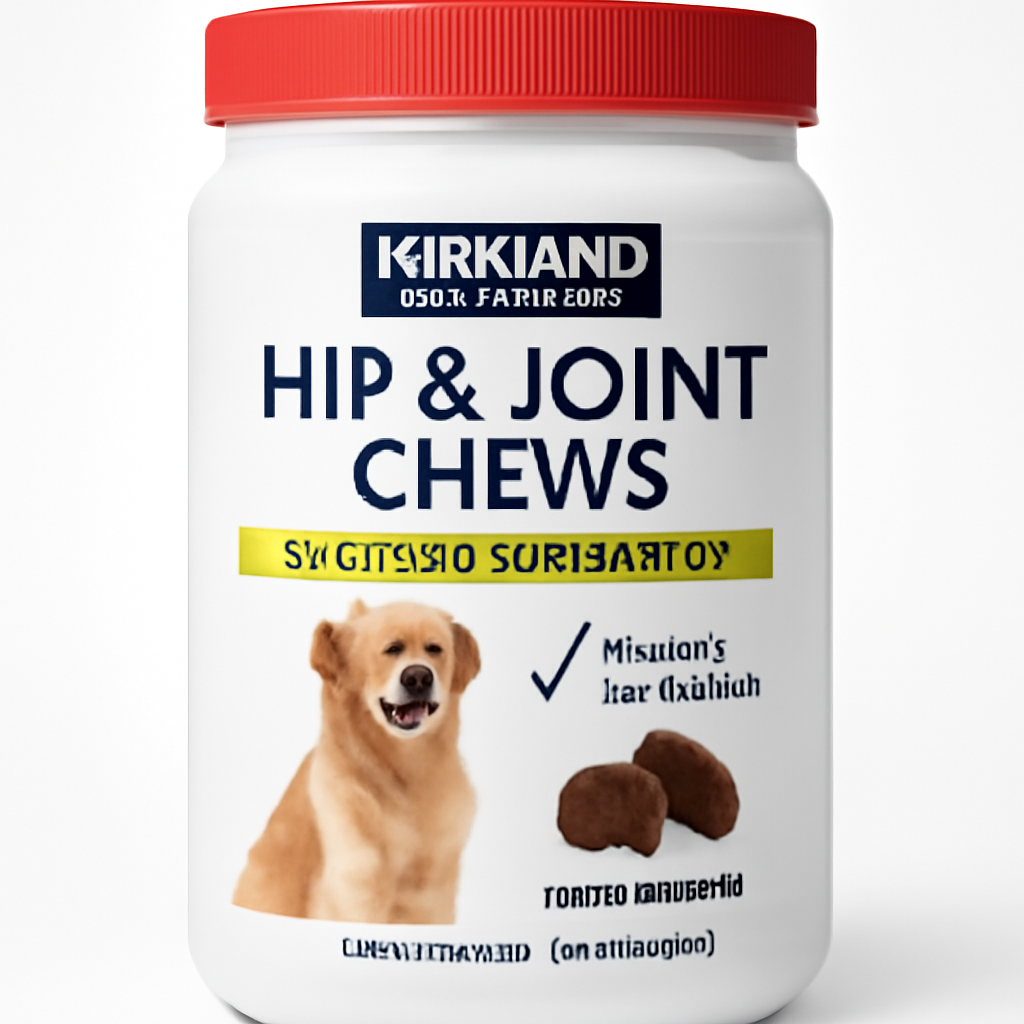
– Kirkland Signature Hip & Joint Chews — Costco’s private-label option, when in stock, and usually the best raw value.
– Zesty Paws Mobility Bites — a popular name-brand soft chew that shows up in club-size tubs.
– Occasionally a rotating third-party brand as a seasonal buy.
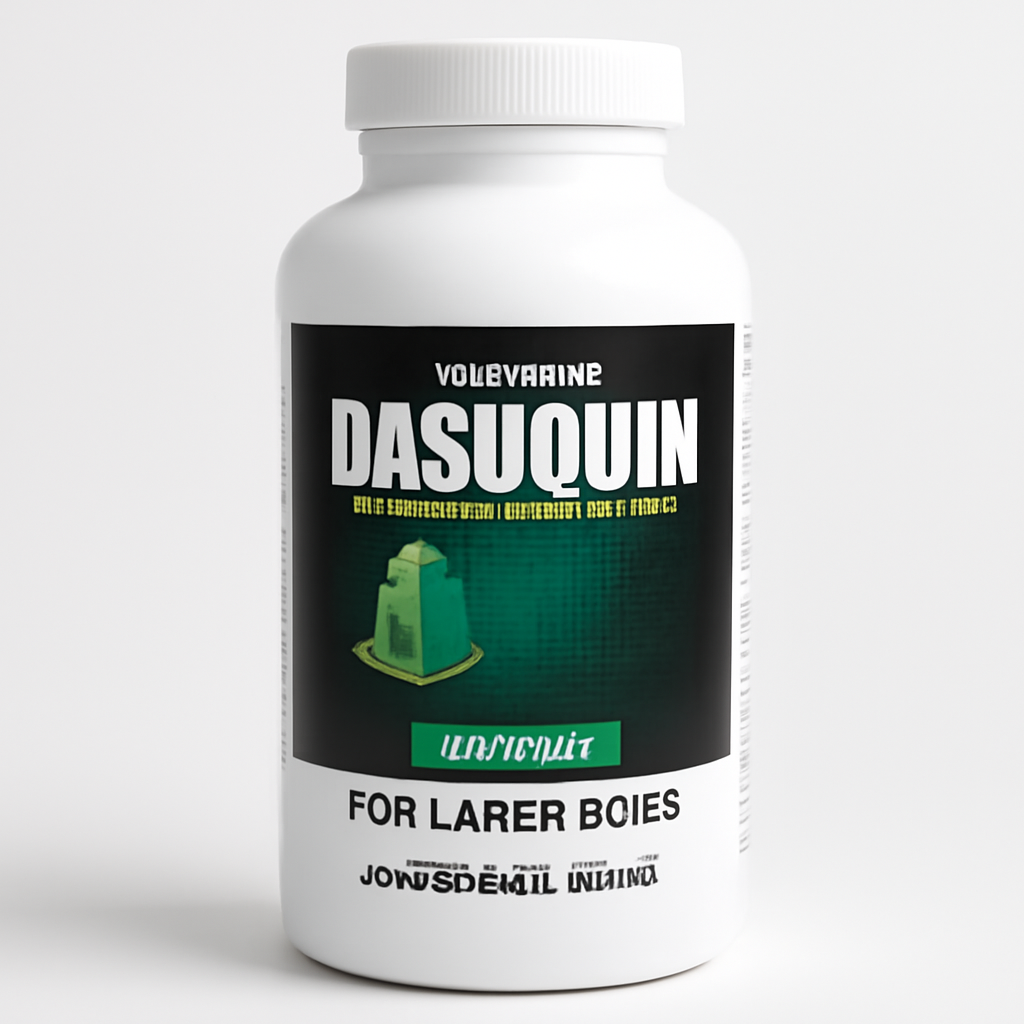
What you generally won’t reliably find in-warehouse are the heavy-hitter clinical formulas — Nutramax Cosequin and Nutramax Dasuquin. These are more commonly stocked at the vet, on Costco.com, or through other online retailers.
Two practical tips:
1. Check Costco.com, not just the warehouse. The online catalog often carries joint supplements (and larger counts) that never hit your local shelf.
2. Stock is a moving target. If you find a formula your dog does well on, buy a backup. Warehouse clubs are notorious for discontinuing an item right when you’ve committed to it.
—
Kirkland Signature vs. Name-Brand Joint Chews: Cost Per Dose Breakdown
This is where Costco earns its reputation. The right way to compare joint supplements isn’t sticker price — it’s cost per dose for your dog’s weight, because a 90-lb dog burns through chews far faster than a 15-lb dog.
Here’s how the main contenders stack up.
Top Picks at a Glance
| Product | Best For | Price Range |
| Kirkland Signature Hip & Joint Chews | Best overall value / multi-dog homes | $ |
| Zesty Paws Mobility Bites | Picky eaters, added omega + green-lipped mussel | $$ |
| Nutramax Cosequin | Trusted clinical baseline | $$ |
| Nutramax Dasuquin | Advanced formula for arthritic / senior dogs | $$$ |
| VetriScience GlycoFlex | Active & performance dogs | $$$ |
The cost-per-dose logic
– Kirkland Signature almost always wins on cost per chew. If you have a big dog on a daily dose for years, or multiple dogs, the savings compound fast. The tradeoff is that private-label active-ingredient amounts can vary — always read the guaranteed analysis and compare the actual glucosamine/chondroitin milligrams, not just the count on the tub.
– Name brands like Cosequin and Dasuquin cost more per dose, but you’re paying for consistency, quality-control testing, and a formula that many vets specifically recommend and trust. Dasuquin in particular adds ingredients (like ASU) aimed at more advanced joint support.
– Zesty Paws sits in the middle — friendlier price than the clinical brands, with a broader “everything” formula (glucosamine, chondroitin, MSM, plus omega sources) that appeals to owners who want one chew doing several jobs.
The honest takeaway: Kirkland wins on price, Dasuquin wins on formula strength, and most dogs land somewhere in between. Match the tier to your dog’s actual needs, not the biggest tub.
—
How to Choose the Right Supplement for Your Dog’s Size and Breed
Start with weight — it drives the dose
Almost every joint chew is dosed by body weight. Buying a “one size” tub and eyeballing it is the most common mistake owners make. A 70-lb Lab may need two or three times the daily active ingredients of a 20-lb terrier. Read the feeding chart before you buy, then divide the tub’s total doses by your dog’s daily requirement to get your real cost per month.
Match the tier to the risk
– Small breeds (under ~25 lbs): Lower doses stretch a tub a long way, so even premium brands stay affordable. A standard glucosamine/chondroitin chew like Cosequin is a sensible baseline.
– Large & giant breeds (Labs, Shepherds, Danes, Newfies): These dogs are the highest-risk group for hip and elbow issues and the heaviest users of chews. This is exactly where Kirkland Signature Hip & Joint Chews value shines — or step up to Dasuquin if arthritis is already present.
– Active & performance dogs: A formula with strong anti-inflammatory support and omega-3s, like VetriScience GlycoFlex or Zesty Paws Mobility Bites, suits the repeated-impact lifestyle.
Breed-specific flags
Breeds predisposed to hip or elbow dysplasia (German Shepherds, Labs, Goldens, Rottweilers, Bernese) benefit from starting early — often before any symptoms appear. Toy breeds prone to luxating patella (kneecap) issues also do well on preventive joint support.
—
Dosage, Safety, and When to Talk to Your Vet
Pros and cons of the top picks
Kirkland Signature Hip & Joint Chews
– Pros: Lowest cost per dose; club-size counts ideal for big or multiple dogs; solid core glucosamine/chondroitin formula.
– Cons: Stock is inconsistent; active-ingredient amounts can vary between production runs; fewer “extras” than premium formulas.
Nutramax Dasuquin
– Pros: One of the most vet-trusted, research-backed formulas; advanced ingredients for arthritic and senior dogs; highly palatable.
– Cons: Priciest per dose; rarely stocked in-warehouse, so you’ll likely buy it online.
Zesty Paws Mobility Bites
– Pros: Broad all-in-one formula with omega + green-lipped mussel; great for picky eaters; mid-tier price.
– Cons: More marketing gloss than the clinical brands; verify active milligrams against your dog’s weight.
Dosing basics
– Follow the label’s weight-based chart — don’t freehand it.
– Many formulas use a higher “loading dose” for the first 4–6 weeks, then drop to a maintenance dose. Missing this step is why some owners think a product “didn’t work.”
– Give it time. Joint supplements are not fast-acting; expect 4–8 weeks before you can judge whether your dog is moving better.
Safety
Glucosamine-based supplements are generally very safe, with mild digestive upset being the most common side effect. Still, talk to your vet before starting if your dog:
– Is diabetic (glucosamine is a sugar compound and warrants a conversation),
– Has a shellfish allergy (many sources are shellfish-derived),
– Is on other medications or has a known health condition,
– Or is showing a sudden or severe limp — that’s a vet visit, not a supplement decision.
Supplements support comfort; they don’t replace a diagnosis. Persistent pain, swelling, or a dog that yelps deserves a professional exam.
—
Costco Alternatives: Online Options Worth Considering in 2026
Costco’s value is real, but it isn’t the only game — and its rotating stock means you’ll sometimes need a backup source. In 2026, the strongest online routes are:
– Chewy & Amazon. The widest, most reliable selection, including Cosequin, Dasuquin, and VetriScience GlycoFlex. Subscribe-and-save pricing can close much of the gap with warehouse-club rates while guaranteeing you never run out.
– Your veterinarian. The best source for the clinical-grade Nutramax line and for weight-specific dosing guidance — especially if your dog already has a diagnosis.
– Costco.com itself. Don’t forget the online warehouse. It frequently carries larger counts and formulas the physical store skips, sometimes with member-only pricing.
The smart 2026 play for many owners: buy the high-volume value item (Kirkland) at Costco, and source the specialized clinical formula (Dasuquin) online or through the vet. You get warehouse pricing where it matters and the right formula where it counts.
—
Our Verdict
For most dogs, Kirkland Signature Hip & Joint Chews are the best-value entry point — especially for large-breed or multi-dog households where cost per dose adds up over years. Just verify the guaranteed analysis matches your dog’s weight, and grab a backup tub when you find them in stock.
If your dog is older, arthritic, or already showing real stiffness, step up to Nutramax Dasuquin — it’s the most vet-trusted formula here, and worth the premium when comfort is on the line. For picky eaters or owners who want an all-in-one chew with added omega-3s, Zesty Paws Mobility Bites is the easy middle-ground pick, while active and performance dogs do well on VetriScience GlycoFlex.
Bottom line: Costco is an excellent place to save on joint supplements — but treat it as your value source, not your only source. Start early, dose by weight, give it a full 4–8 weeks, and loop in your vet before starting if your dog has any health conditions. Your dog’s future self, trotting up the stairs instead of hesitating at the bottom, will thank you.
This guide is for informational purposes and isn’t a substitute for veterinary advice. Always consult your vet before starting a new supplement.