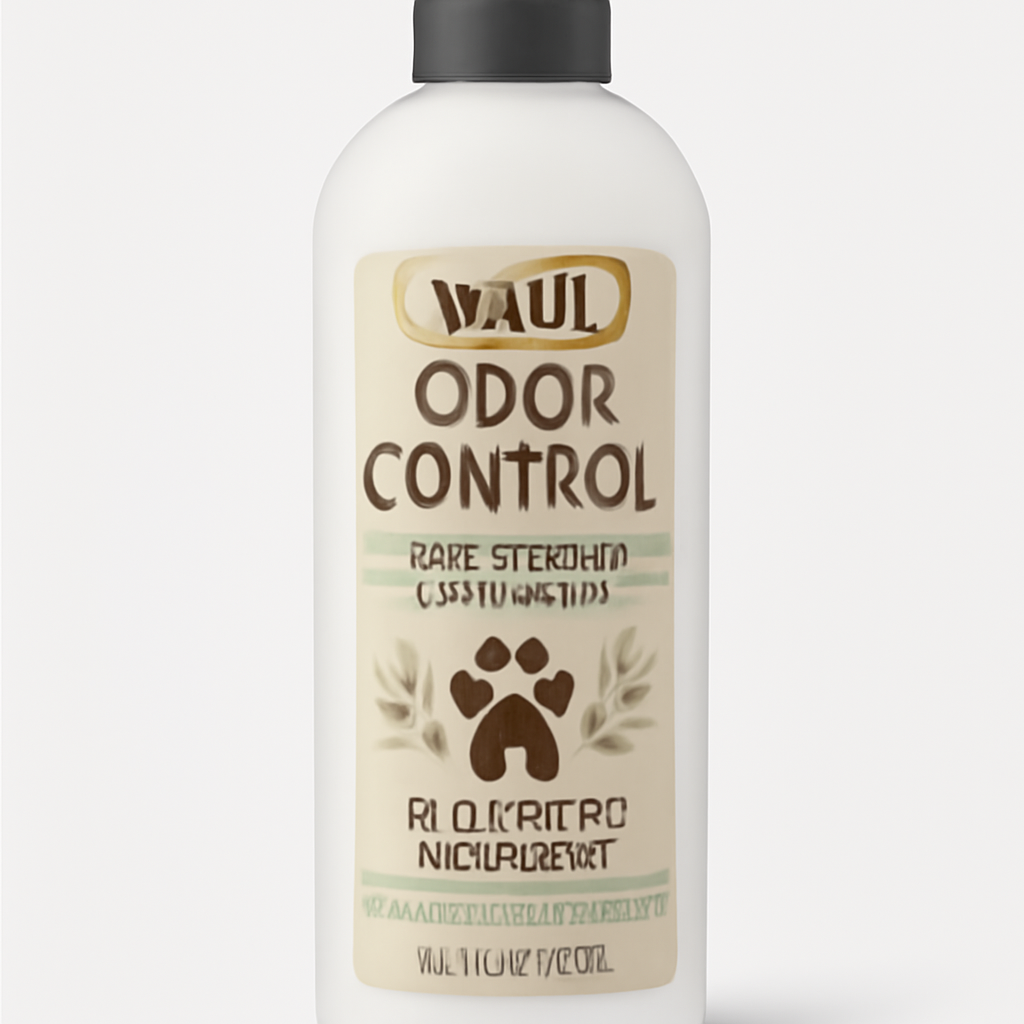
Quick Answer: If your dog stinks no matter how often you bathe them, the fix is usually a shampoo that neutralizes odor at the source instead of just masking it with fragrance. For most smelly dogs, a deodorizing shampoo with enzymatic or plant-based odor-fighters is the right call — our top overall pick is Wahl Odor Control Deodorizing Shampoo. If the smell comes with itching, flaking, or yeasty “corn chip” odor, step up to a medicated option like Veterinary Formula Clinical Care Antiseptic & Antifungal Shampoo instead.
Below, we break down why dogs get smelly, what actually kills odor, and which shampoos are worth your money in 2026.
—
Why Your Dog Smells: Common Causes of Odor
Before you buy anything, it helps to know why your dog smells. The right shampoo depends on the cause.
– Natural skin oils and dander. Every dog produces sebum, an oily secretion that protects the skin. It also traps dirt and bacteria — and that combo is what most people recognize as “dog smell.”
– Bacterial or yeast overgrowth. A musty, sour, or “corn chip” smell (especially from the paws, ears, or skin folds) often points to yeast (Malassezia) or bacteria. This is the #1 reason a dog smells bad again within a day of bathing.
– Wet dog syndrome. Moisture reactivates odor-causing microbes living in the coat. If your dog reeks after every rain or bath, the coat isn’t drying fully or the microbes were never neutralized.
– Ear infections and dental issues. Sometimes the “dog smell” isn’t the coat at all. Foul ears or bad breath can make your whole dog seem smelly.
– Anal gland issues. A sudden, sharp, fishy odor usually means the anal glands — no shampoo fixes this; it needs a vet or groomer.
– Rolling in something disgusting. Dogs love it. This is a one-time cleanup job, not a chronic problem.
Bottom line: If the smell keeps coming back fast, you’re likely dealing with microbes — and that changes which shampoo you should reach for.
—
What to Look for in an Odor-Eliminating Dog Shampoo
Not all “deodorizing” shampoos actually eliminate odor. Many just perfume over it. Here’s what separates the real ones:
1. Odor Neutralizers, Not Just Fragrance
Look for ingredients that chemically bind or break down odor molecules — baking soda (sodium bicarbonate), enzymes, or plant extracts — rather than a long list of “parfum” doing all the work.
2. pH Balanced for Dogs
Human skin sits around pH 5.5; dog skin is closer to neutral (6.5–7.5). Human shampoo (even baby shampoo) can dry out and irritate a dog’s skin, which ironically makes odor worse. Always choose a dog-specific formula.
3. Soothing, Not Stripping
Harsh detergents strip natural oils, triggering the skin to overproduce sebum — a rebound greasiness that smells. Ingredients like oatmeal, aloe, and coconut-derived cleansers clean gently.
4. Skin-Barrier Support
Oatmeal, aloe vera, vitamin E, and shea butter help repair the skin barrier so odor-causing microbes have a harder time setting up shop.
5. Sulfate and Paraben Awareness
Not automatically deal-breakers, but sensitive-skinned dogs often do better with sulfate-free formulas. If your dog itches after baths, this matters.
6. Concentration and Value
A concentrated formula that lathers well means you use less per bath. For big dogs or multi-dog homes, cost-per-bath beats sticker price.
—
Deodorizing vs. Medicated Shampoos: Which Do You Need?
This is the single most important decision, so let’s make it simple.
| If your dog… | You need… |
| Smells “doggy” but has healthy skin | Deodorizing shampoo |
| Smells bad again within 1–2 days | Medicated (antifungal/antibacterial) |
| Has flaky, itchy, red, or greasy skin | Medicated |
| Has a musty/yeasty or “corn chip” odor | Medicated (antifungal) |
| Just rolled in something gross | Deodorizing |
| Has open sores or hot spots | See a vet first |
Deodorizing shampoos are your everyday, maintenance-level cleaners. They neutralize surface odor and leave the coat fresh. Great for healthy dogs that just get smelly.
Medicated shampoos contain active ingredients (like chlorhexidine, ketoconazole, or miconazole) that kill the bacteria and yeast causing the smell. If odor keeps returning, this is almost always what you actually need — a deodorizing shampoo can’t fix a microbial problem.
> Pro tip: Many owners alternate — a medicated shampoo to knock down the microbe population, then a gentle deodorizing shampoo for maintenance. When in doubt about a persistent skin issue, check with your vet.
—
Our Top Picks for the Best Dog Shampoo for Smelly Dogs
Top Picks at a Glance
| Product | Best For | Price Range |
| Wahl Odor Control Deodorizing Shampoo | Best overall for everyday odor | |
| Veterinary Formula Clinical Care Antiseptic & Antifungal | Best for yeasty/persistent smell | |
| Earthbath Deodorizing Shampoo (Mango Tango) | Best natural/gentle option | |
| Burt’s Bees for Dogs Deodorizing Shampoo | Best budget pick | |
| TropiClean Deep Cleaning Deodorizing Shampoo | Best for heavy dirt & thick coats |
—
1. Wahl Odor Control Deodorizing Shampoo — Best Overall
Wahl Odor Control Deodorizing Shampoo
Wahl’s odor-control formula is a fan favorite because it’s concentrated (so a little goes a long way), pH-balanced for dogs, and uses a eucalyptus-and-lemongrass scent that fades to clean rather than perfume-heavy. It lathers thickly, rinses clean, and keeps most healthy dogs fresh for a solid stretch between baths.
Pros
– Highly concentrated — strong cost-per-bath value
– pH balanced, no parabens or alcohol
– Rinses out easily, even on double coats
Cons
– Won’t fix yeast or bacterial odor (it’s not medicated)
– Scent is polarizing for some noses
Best for: Healthy dogs that just get that everyday “doggy” smell.
—
2. Veterinary Formula Clinical Care Antiseptic & Antifungal Shampoo — Best for Persistent/Yeasty Odor
Veterinary Formula Clinical Care Antiseptic & Antifungal Shampoo
When the smell keeps coming back, this is the one to reach for. It combines antifungal and antibacterial actives to target the cause of chronic odor — yeast and bacteria — rather than covering it up. It’s a go-to for dogs with the tell-tale musty, “corn chip,” or greasy-skin smell.
Pros
– Actively targets yeast and bacteria behind chronic odor
– Great for itchy, flaky, greasy skin
– Widely trusted for recurring skin issues
Cons
– Medicinal, not floral — this is treatment, not perfume
– Needs 5–10 minutes of contact time to work properly
– Can be drying if overused; follow with a conditioner
Best for: Dogs whose smell returns within a day or two, or that show skin symptoms.
—
3. Earthbath Deodorizing Shampoo (Mango Tango) — Best Natural & Gentle
Earthbath Deodorizing Shampoo
If your dog has sensitive skin, Earthbath is the gentle-but-effective pick. It’s soap-free, plant-derived, and pH balanced, using natural deodorizers plus aloe to soothe. The Mango Tango scent is light and pleasant without being overwhelming.
Pros
– Soap-free and biodegradable
– Aloe and gentle cleansers — good for sensitive skin
– Light, natural scent
Cons
– Less heavy-duty on strong odors than Wahl or TropiClean
– Pricier per ounce than budget picks
Best for: Sensitive-skinned dogs and owners who prefer natural formulas.
—
4. Burt’s Bees for Dogs Deodorizing Shampoo — Best Budget
Burt’s Bees for Dogs Deodorizing Shampoo
A reliable, affordable, no-drama option. Made with apple and rosemary, it’s pH balanced, free of sulfates, colorants, and added fragrance, and gentle enough for regular use. It won’t work miracles on serious odor, but for the price it’s a great maintenance shampoo.
Best for: Budget-conscious owners with generally healthy dogs.
—
5. TropiClean Deep Cleaning Deodorizing Shampoo — Best for Thick Coats & Heavy Dirt
TropiClean Deep Cleaning Deodorizing Shampoo
For the dog that finds every mud puddle, TropiClean digs deep. It’s designed to cut through built-up dirt and oil on thick or double coats while deodorizing, and it’s typically soap- and paraben-free.
Best for: Big, hairy, adventurous dogs that get genuinely filthy.
—
Key Ingredients That Neutralize Odor (and Ones to Avoid)
Ingredients That Actually Work
– Sodium bicarbonate (baking soda): Absorbs and neutralizes acidic odor molecules.
– Enzymes / plant enzymes: Break down organic odor compounds instead of masking them.
– Colloidal oatmeal: Soothes skin and reduces the irritation-driven oil that feeds odor.
– Aloe vera: Calms and hydrates, supporting the skin barrier.
– Eucalyptus, lemongrass, rosemary, citrus extracts: Naturally deodorizing with light, clean scents.
– Chlorhexidine / ketoconazole / miconazole: The medicated heavy-hitters that kill odor-causing yeast and bacteria.
– Coconut-derived cleansers: Clean effectively without stripping.
Ingredients to Approach With Caution
– Heavy artificial fragrance (“parfum”) with little else: Masks odor for hours, then it’s back.
– Sulfates (SLS/SLES) for sensitive dogs: Can over-strip oils and trigger rebound greasiness.
– Artificial dyes and colorants: No cleaning benefit, potential irritant.
– Parabens and formaldehyde-releasing preservatives: Many owners prefer to avoid these.
– Human shampoo of any kind: Wrong pH for dogs — will dry and irritate skin over time.
—
How to Bathe a Smelly Dog for Long-Lasting Freshness
The right technique makes a cheap shampoo work better and a good shampoo work great.
1. Brush first. Remove loose fur, mats, and trapped debris before water hits. Wet mats lock in odor.
2. Wet thoroughly with lukewarm water. Get down to the skin — surface-only bathing leaves odor behind, especially on double coats.
3. Dilute and lather. Work shampoo from the neck back and down, then the legs and belly. Save the head for last and keep suds out of eyes and ears.
4. Let it sit — this is the step most people skip. For deodorizing shampoos, 3–5 minutes of contact time. For medicated shampoos, a full 5–10 minutes — this is non-negotiable for killing yeast and bacteria.
5. Rinse until the water runs completely clear. Leftover residue attracts dirt and irritates skin, which creates new odor. Rinse twice as long as you think you need to.
6. Dry completely. Damp coat = reactivated odor. Towel hard, then use a dryer on low/cool for thick coats. A fully dry dog stays fresh far longer.
7. Don’t over-bathe. For most dogs, every 3–4 weeks is plenty. Bathing too often strips oils and can increase odor over time. Follow your vet’s guidance for medicated shampoos.
Between baths: brush regularly, wipe paws and folds, clean ears as needed, and address the diet — skin and coat health starts from the inside.
—
Frequently Asked Questions
Why does my dog smell bad even right after a bath?
Usually one of three things: you didn’t rinse fully, the coat didn’t dry completely, or — most commonly — there’s a yeast or bacterial issue a deodorizing shampoo can’t fix. If the smell returns within a day, switch to a medicated antifungal/antibacterial shampoo and give it proper contact time.
How often can I bathe a smelly dog?
Most dogs do well every 3–4 weeks. Over-bathing strips protective oils and can make odor worse. Medicated shampoos often follow a specific schedule (e.g., twice weekly at first) — follow the label or your vet.
Is human shampoo ever okay in a pinch?
Not ideally. Human shampoo (including baby shampoo) is the wrong pH for dog skin and can cause dryness and irritation that leads to more odor. If it’s a true emergency, use the smallest amount and rinse thoroughly — but switch to a dog formula going forward.
What if the shampoo isn’t working at all?
Persistent odor that no shampoo touches often isn’t a coat problem. Check the ears, teeth, anal glands, and skin folds — and see your vet. Underlying infections, allergies, and diet issues all cause odor that no bottle can fix.
Are natural shampoos strong enough for really smelly dogs?
For everyday odor on healthy skin, yes — options like Earthbath work well. For chronic, microbial odor, you’ll usually need a medicated formula regardless of how “natural” you’d prefer to go.
Does a smelly dog mean something is wrong?
Sometimes. A little “dog smell” is normal, but a sudden, strong, or worsening odor — especially with itching, redness, or discharge — is worth a vet check. Odor is often the first sign of a skin, ear, or dental problem.
—
Our Verdict
For the vast majority of smelly dogs with healthy skin, Wahl Odor Control Deodorizing Shampoo is the best overall choice — it’s concentrated, gentle, pH-balanced, and genuinely neutralizes everyday odor instead of just perfuming over it.
But here’s the honest truth most guides skip: if your dog smells bad again within a day or two, no deodorizing shampoo will fix it. That’s a yeast or bacterial problem, and you want Veterinary Formula Clinical Care Antiseptic & Antifungal Shampoo to treat the actual cause.
– Sensitive skin? Go with Earthbath Deodorizing Shampoo.
– On a budget? Burt’s Bees for Dogs Deodorizing Shampoo punches above its price.
– Big, filthy adventure dog? TropiClean Deep Cleaning Deodorizing Shampoo is built for the mud.
Match the shampoo to the cause of the smell, nail the bath technique — especially contact time and complete drying — and you’ll finally have a dog that’s still fresh days after the bath.
Always check current pricing before buying, and consult your veterinarian for any persistent skin, coat, or odor problems.