Quick answer: If your dog is Slowing down on walks, hesitating at the stairs, or struggling to get up after a nap, a quality joint supplement can make a real difference. The best options combine glucosamine, chondroitin, MSM, and omega-3 fatty acids in clinically meaningful amounts. For most dogs, a veterinary-grade chew like Nutramax Dasuquin or Nutramax Cosequin is the safest, most evidence-backed place to start. Below, we break down what actually works, how to match a supplement to your dog’s size and age, and our top 7 picks for 2026.
—

Why Joint Health Matters for Dogs (and Signs of Trouble)
Dogs don’t complain the way we do. They push through discomfort, wag their tails, and keep trying to keep up — which means joint problems often go unnoticed until they’re advanced. By some estimates, the majority of large-breed dogs and a large share of senior dogs develop some degree of osteoarthritis in their lifetime.
Joint cartilage acts as a cushion between bones. Over time — through age, wear, injury, or genetics — that cartilage breaks down, leading to inflammation, stiffness, and pain. It’s progressive, and there’s no cure. But you can slow it down and keep your dog comfortable and mobile for years longer.
Early warning signs to watch for
– Stiffness after rest — especially in the morning or after a nap
– Hesitation at stairs, jumps, or car doors — the classic “thinking about it” pause
– Slowing down on walks or lagging behind when they used to lead
– Licking or chewing at a joint (often a knee, hip, or elbow)
– Reduced play or reluctance to run and jump
– Difficulty rising or an audible groan when lying down
– Irritability when touched near a joint
Certain dogs are at higher risk: large and giant breeds (Labs, German Shepherds, Great Danes, Rottweilers), breeds prone to hip and elbow dysplasia, overweight dogs, very active or working dogs, and seniors of any size. If your dog checks any of those boxes, starting a joint supplement before symptoms appear is a smart preventive move.
—
Key Ingredients to Look For (Glucosamine, Chondroitin, MSM & Omega-3s)
Not all supplements are created equal. The bottle can say “hip and joint” while containing a token sprinkle of the active ingredients. Here’s what actually matters.
Glucosamine
The foundational ingredient. Glucosamine is a building block of cartilage and helps stimulate its repair and maintenance. Look for glucosamine hydrochloride (HCl), which is more concentrated and better studied than the sulfate form for dogs. Meaningful daily doses typically run in the hundreds of milligrams for small dogs up to well over 1,000+ mg for large breeds.
Chondroitin
Chondroitin sulfate works synergistically with glucosamine. It helps cartilage retain water and elasticity and may block enzymes that break cartilage down. The two are almost always paired — glucosamine without chondroitin is a red flag in a “premium” product.
MSM (Methylsulfonylmethane)
A natural sulfur compound with anti-inflammatory properties. MSM won’t rebuild cartilage, but it can help reduce pain and swelling, making it a common and useful add-on.
Omega-3 Fatty Acids (EPA & DHA)
Sourced from fish oil or green-lipped mussel, omega-3s (specifically EPA and DHA) are among the most evidence-backed anti-inflammatories for canine joints. Many top supplements now include them, but a dedicated fish oil can be added alongside for extra benefit.
Bonus ingredients worth having
– Green-lipped mussel (GLM) — a natural source of both glucosamine-like compounds and omega-3s
– Avocado/soybean unsaponifiables (ASU) — clinically studied for slowing cartilage breakdown; the standout ingredient in Dasuquin
– Hyaluronic acid — supports joint fluid lubrication
– Turmeric/curcumin — a natural anti-inflammatory
– Boswellia — an herbal anti-inflammatory
> Tip: Ignore front-of-label marketing and read the active ingredients per serving. A product with 500 mg of glucosamine per chew that requires two chews delivers 1,000 mg — do the math for your dog’s weight.
—
How to Choose the Right Supplement for Your Dog’s Size and Age
The right supplement depends heavily on your dog’s weight, age, and severity of symptoms.
By size
– Small dogs (under 25 lbs): Need lower doses; overdosing glucosamine isn’t dangerous but wastes product. Choose formulas made for toy/small breeds or split larger chews.
– Medium dogs (25–60 lbs): Most standard “adult dog” formulas are dosed for this range.
– Large & giant breeds (60+ lbs): Need the highest doses and benefit most from prevention. Look for “large breed” formulas with higher active ingredient counts.
By age and stage
– Puppies of at-risk breeds: Some vets recommend early support for breeds prone to dysplasia. Ask first.
– Adult/active dogs: Preventive support, especially for working dogs, agility dogs, and weekend warriors.
– Seniors (7+ for large breeds, 10+ for small): Therapeutic support. Consider maximum-strength formulas with added MSM and omega-3s.
– Post-surgery or diagnosed arthritis: Go veterinary-grade (Dasuquin, Cosequin) and coordinate with your vet, who may add prescription pain management.
Match the format to your dog’s habits
A supplement only works if your dog actually takes it consistently. A picky eater who spits out chews needs a powder mixed into food; a dog who inhales treats does great with soft chews. More on this next.
—
Chews vs. Powders vs. Liquids: Which Format Is Best?
| Format | Best For | Pros | Cons |
| Soft chews | Most dogs; treat-motivated eaters | Easy, dogs love them, no measuring | Added calories; some contain fillers |
| Powders | Picky eaters, precise dosing, multi-dog homes | Mixes into food, flexible dosing, often cheaper per serving | Requires measuring; some dogs detect it |
| Liquids | Seniors, dogs who won’t chew, fast absorption | Easy to swallow, quick uptake | Shorter shelf life; can be messy |
| Tablets/capsules | Veterinary formulas, precise clinical dosing | Exact dose, evidence-backed brands | Some dogs resist pills |
Bottom line: There’s no single “best” format — the best one is the one your dog will take every single day without a fight. Chews win for convenience and compliance, which is why they dominate our top picks, but don’t overlook powders for picky eaters or multi-dog households.
—
Our Top 7 Dog Joint Supplement Picks for 2026
We selected these based on ingredient quality, dosing transparency, veterinary reputation, and format variety. Prices vary — always check current pricing.
Top Picks at a Glance
| Product | Best For | Price Range |
| Nutramax Dasuquin with MSM | Overall best / advanced joint support | |
| Nutramax Cosequin Maximum Strength | Trusted vet-recommended starter | |
| Zesty Paws Mobility Bites | Budget-friendly all-in-one chews | |
| VetriScience GlycoFlex 3 | Large breeds & post-surgery | |
| PetHonesty Advanced Hip & Joint | Natural-ingredient seekers | |
| Nordic Naturals Omega-3 Pet | Adding omega-3s to any regimen | |
| Grizzly Pet Products Wild Salmon Oil | Liquid omega-3 for picky eaters |
—
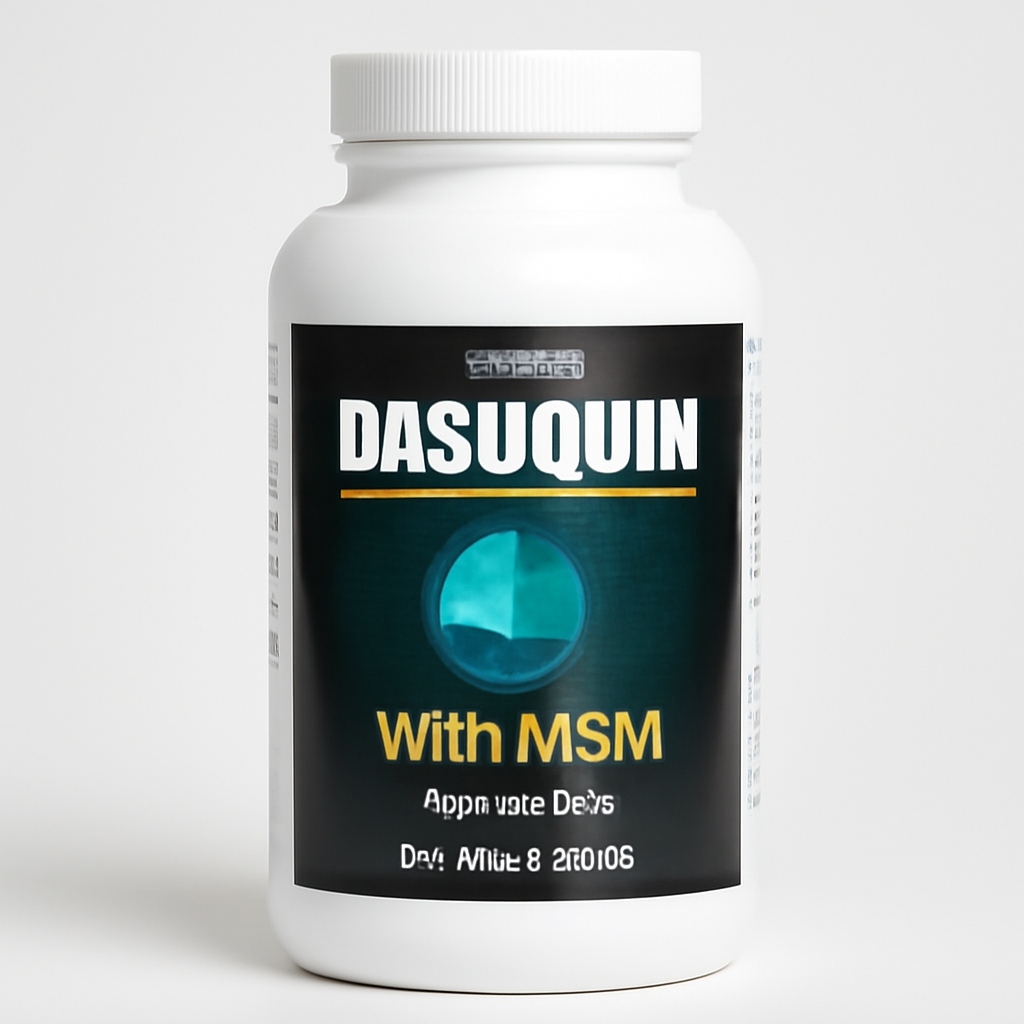
1. Nutramax Dasuquin with MSM — Best Overall
Dasuquin is widely considered the gold standard among veterinarians. It combines glucosamine, chondroitin, and MSM with ASU (avocado/soybean unsaponifiables) — a clinically studied compound for slowing cartilage breakdown that most competitors don’t include. Available in small/medium and large dog formulas.
Pros:
– Includes ASU, which sets it apart from nearly every competitor
– Manufactured by Nutramax, a brand with strong veterinary trust and quality control
– Size-specific formulas for accurate dosing
Cons:
– Premium price
– Some dogs need an adjustment period to the taste
—
2. Nutramax Cosequin Maximum Strength — Best Vet-Recommended Starter
Cosequin is often the first supplement vets recommend, and for good reason: a long track record, consistent quality, and solid glucosamine/chondroitin dosing (the “with MSM” version adds anti-inflammatory support). It’s a reliable, no-drama choice to start with before stepping up to Dasuquin if needed.
Pros:
– One of the most studied and vet-trusted brands available
– Available in chewable tablets and soft chews
– Reliable quality and dosing consistency
Cons:
– Lacks the ASU found in Dasuquin
– Not the cheapest per serving
—
3. Zesty Paws Mobility Bites — Best Budget All-in-One
A popular, wallet-friendly soft chew that packs glucosamine, chondroitin, MSM, and often green-lipped mussel into a tasty treat. Great value for owners who want broad coverage without a veterinary-grade price tag.
Pros:
– Excellent value and broad ingredient profile
– Dogs generally love the taste (high compliance)
– Widely available
Cons:
– Lower clinical pedigree than Nutramax
– Contains added ingredients some owners prefer to skip
—
4. VetriScience GlycoFlex 3 — Best for Large Breeds & Recovery
The “Stage 3” maximum-strength formula is built for seniors, large breeds, and dogs recovering from surgery. It features green-lipped mussel and DMG for advanced support.
5. PetHonesty Advanced Hip & Joint — Best Natural Option
For owners who prioritize simpler, natural-leaning labels, PetHonesty offers glucosamine, chondroitin, MSM, turmeric, and green-lipped mussel in a soft chew.
6. Nordic Naturals Omega-3 Pet — Best Omega-3 Add-On
Not a full joint formula, but a high-quality, purity-tested fish oil to layer onto any glucosamine supplement for extra anti-inflammatory benefit. A great complement rather than a standalone.
7. Grizzly Pet Products Wild Salmon Oil — Best Liquid for Picky Eaters
A pump-top liquid omega-3 that’s easy to drizzle over food — ideal for dogs who won’t take chews and seniors who struggle with pills.
—
Dosage, Safety, and When to Talk to Your Vet
General dosing guidance
Glucosamine dosing is typically weight-based — roughly in the range of hundreds of milligrams daily for small dogs up to 1,500+ mg for large breeds — but always follow the product label for your dog’s weight. Many supplements use a “loading dose” (a higher amount) for the first 4–6 weeks, then drop to a maintenance dose.
How long until you see results?
Joint supplements are not painkillers — they work gradually. Give it 4 to 8 weeks of consistent daily use before judging effectiveness. Improvement often looks like easier stairs, more willingness to play, and smoother rising.
Safety notes
– Glucosamine and chondroitin have a strong safety profile; side effects are rare and usually mild (soft stool, gas).
– Introduce slowly and watch for any digestive upset.
– Use dog-specific products — human supplements may contain xylitol or other ingredients dangerous to dogs.
– Be cautious combining multiple products so you don’t accidentally over-supplement fat-soluble ingredients.
When to call your vet
– Before starting, if your dog has diabetes (glucosamine is a sugar compound), a shellfish allergy, or is pregnant/nursing
– If your dog is on other medications or has liver/kidney concerns
– If symptoms are moderate to severe — supplements support joints but don’t replace prescription pain management your vet may add
– If you see no improvement after 8 weeks, or symptoms worsen
Supplements work best as part of a plan that includes weight management, appropriate exercise, and — when needed — veterinary care.
—
Frequently Asked Questions About Dog Joint Supplements
Do dog joint supplements actually work?
The evidence is strongest for omega-3 fatty acids and reasonably supportive for glucosamine/chondroitin, especially formulas with ASU or green-lipped mussel. Results vary by dog and are gradual, not dramatic, but many owners and vets report meaningful improvement in mobility and comfort.
At what age should I start?
For at-risk large breeds, some vets suggest starting in young adulthood as prevention. For most dogs, begin at the first signs of stiffness or by senior age (7+ for large breeds, 10+ for small breeds).
Can I give my dog human glucosamine?
Technically the active ingredient is the same, but human products may contain additives or sweeteners (like xylitol) that are toxic to dogs, and dosing gets tricky. Stick with dog-formulated products.
Are there side effects?
They’re uncommon and usually mild — occasional soft stool or gas. Discontinue and consult your vet if you notice anything more serious.
Can I combine a joint chew with fish oil?
Yes — pairing a glucosamine/chondroitin chew with a quality omega-3 like Nordic Naturals Omega-3 Pet is a common and effective combination. Just avoid stacking several products with the same ingredients.
How long does a supplement take to work?
Plan on 4–8 weeks of daily use before evaluating. Consistency matters more than any single dose.
—
Our Verdict
For most dogs in 2026, the smartest path is to start with a proven, veterinary-trusted formula and adjust from there.
– Best overall: Nutramax Dasuquin with MSM — the ASU-enhanced formula is genuinely a step above, making it our top recommendation for dogs with real joint concerns or at-risk breeds.
– Best starter / value-trust balance: Nutramax Cosequin Maximum Strength — the classic vet’s-first-pick, and a great entry point.
– Best budget all-in-one: Zesty Paws Mobility Bites — broad coverage and high compliance without the premium price.
– Best add-on: layer in Nordic Naturals Omega-3 Pet for extra anti-inflammatory support.
Whichever you choose, the two rules that matter most: pick a supplement with transparent, clinically meaningful doses, and give it consistently for at least 6–8 weeks. Pair it with healthy weight and sensible exercise, loop in your vet for anything beyond mild stiffness, and you’ll give your dog the best shot at staying active and comfortable for years to come.
This guide is for informational purposes and isn’t a substitute for veterinary advice. Always consult your vet before starting a new supplement, especially if your dog has existing health conditions.