Quick answer: For most dogs, the MidWest Homes iCrate is the best all-around value thanks to its dual doors, divider panel, and fold-flat design. If you have a chewer or escape artist, step up to the Impact Collapsible Dog Crate. For anxious dogs and stylish homes, the Diggs Revol is worth the premium, and for travel the Petmate Sky Kennel is the airline-friendly standard.
Choosing a crate sounds simple until you’re staring at dozens of options wondering whether you need wire or plastic, how big is too big, and which ones actually hold up to a determined dog. This guide walks you through the types, sizing, and the specific crates worth your money in 2026 — with honest pros and cons so you can buy once and buy right.
How We Tested and Chose These Dog Crates
We built this list around the questions real dog owners actually ask: Will it contain my dog? Will it last? Is it safe? Can I move it? Rather than chase spec sheets, we prioritized crates with a track record across a range of dog sizes and temperaments.
Our evaluation weighted four things:
– Containment & security — latch quality, door integrity, and how the crate handles pawing, pushing, and chewing.
– Build quality & durability — materials, weld or seam strength, and resistance to bending or cracking over time.
– Safety — rounded edges, non-toxic finishes, secure floor pans, and ventilation.
– Everyday usability — ease of setup, cleaning, folding, and moving between rooms or vehicles.
We also factored in value across price tiers, because the “best” crate for a calm senior Lab is not the best crate for a 45-pound bundle of separation anxiety. Where a crate shines for a specific use case, we’ve said so.
Types of Dog Crates: Wire, Plastic, Soft-Sided & Heavy-Duty
There’s no single “best” crate type — the right pick depends on your dog’s temperament and how you’ll use it.
Wire Crates
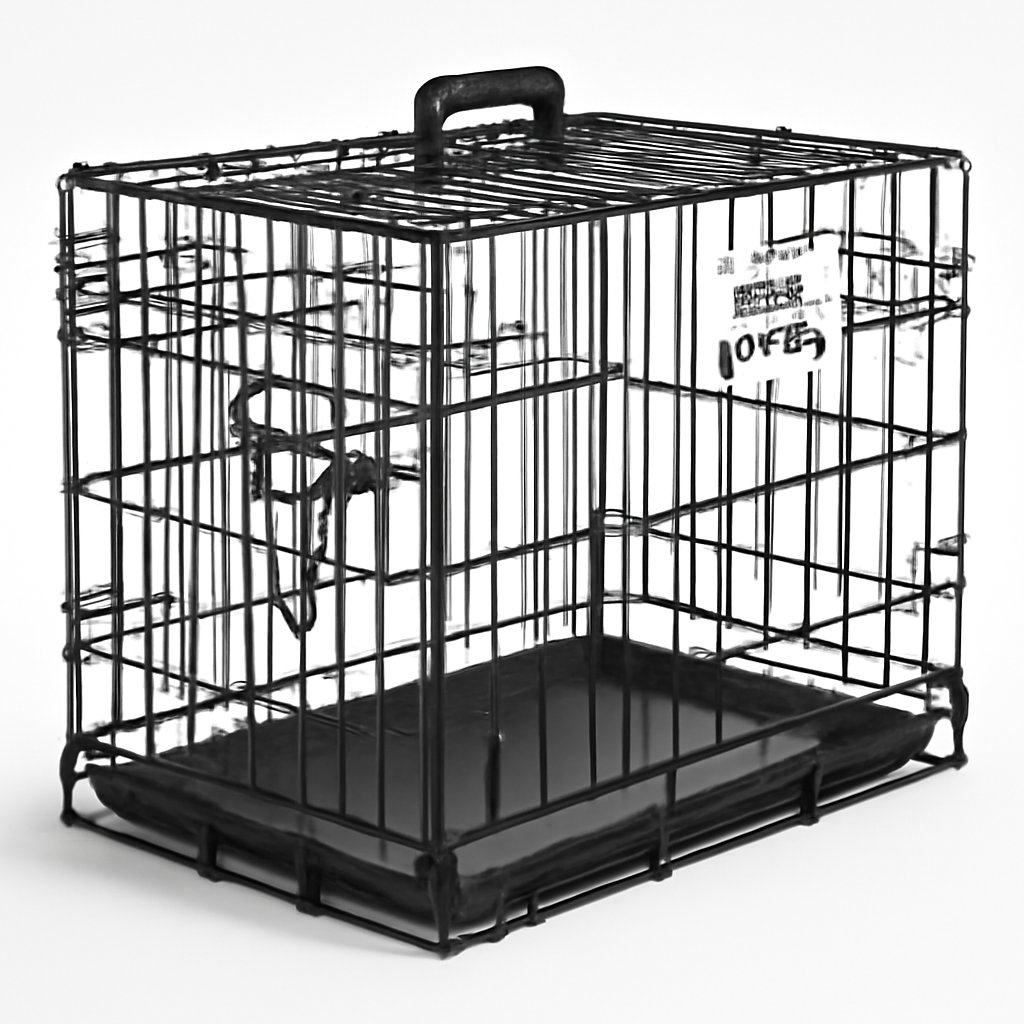
The most popular choice for home use. Wire crates offer excellent airflow, fold flat for storage, and usually include a divider panel so a single crate grows with a puppy. Downsides: they’re heavier, can be noisy if a dog rattles the bars, and some anxious dogs prefer more enclosed spaces (a crate cover solves this).
Best for: Everyday home crate training, puppies, most calm-to-moderate dogs.
Plastic Crates
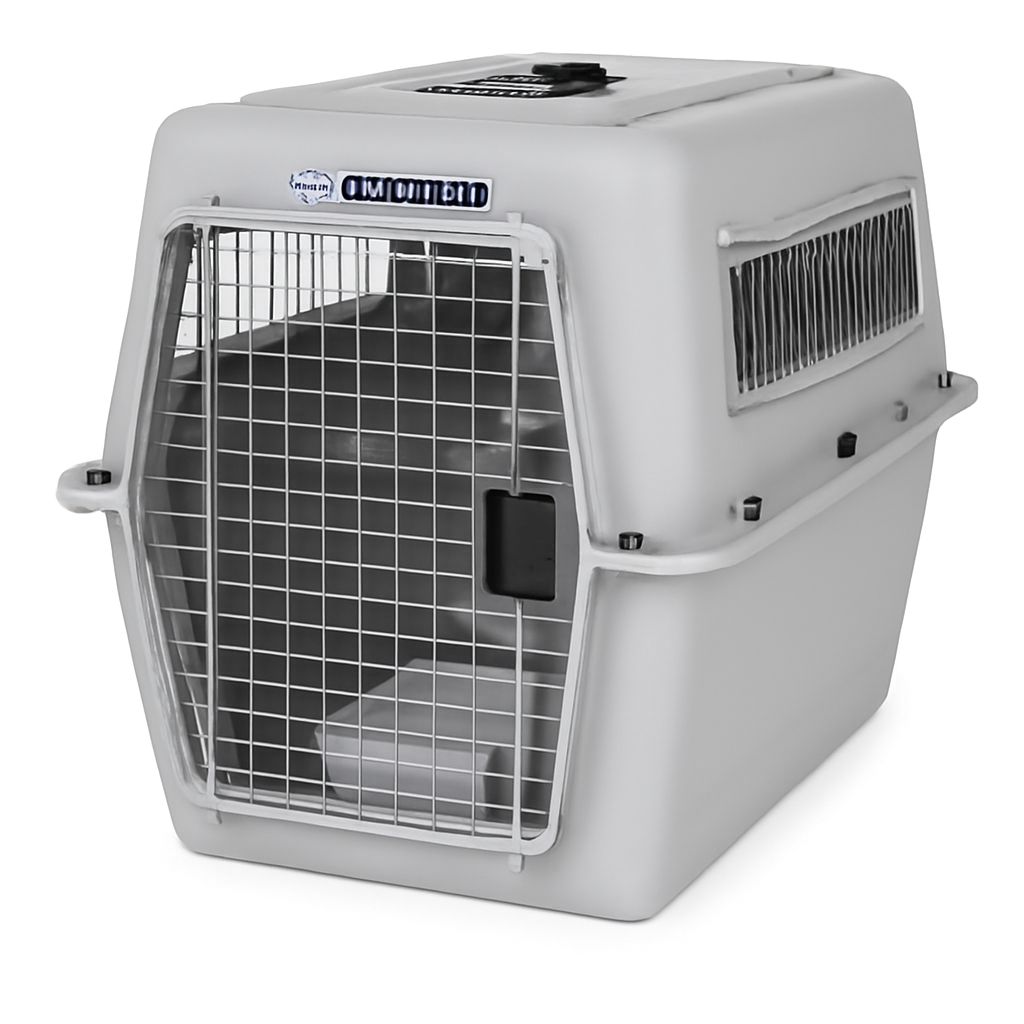
Enclosed molded shells with ventilation slots along the sides. They feel den-like and cozy, are the standard for air travel, and clean up easily. They don’t fold flat, though, and they offer less visibility and airflow than wire.
Best for: Travel, dogs who like a cave-like space, car rides.
Soft-Sided Crates
Lightweight fabric-and-mesh crates that pack down small. Great for trips, camping, and calm dogs who are already crate-trained. They are not meant to contain chewers or anxious dogs — fabric loses to teeth every time.
Best for: Travel with a trained, mellow dog.
Heavy-Duty Crates
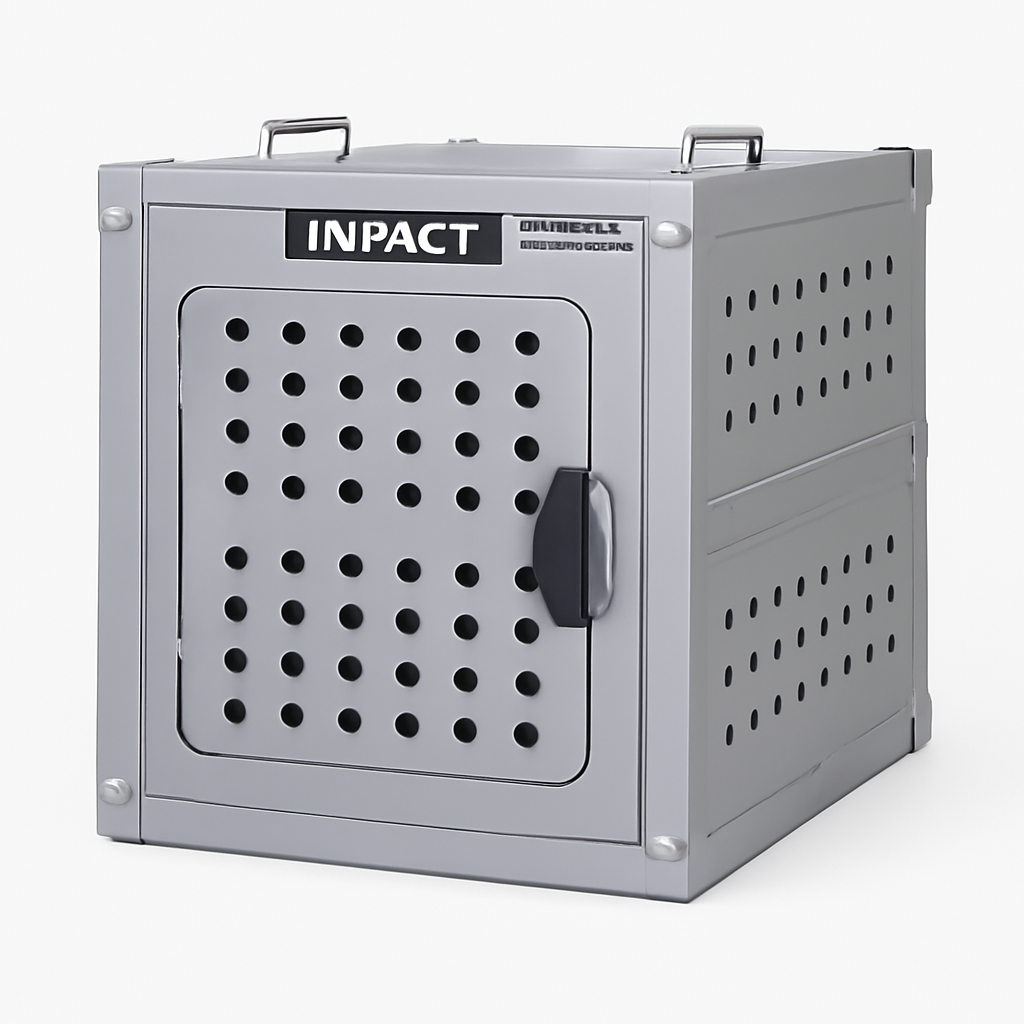
Reinforced steel construction built for powerful chewers, escape artists, and dogs with serious anxiety. Expect welded frames, heavy gauge metal, and secure latches. The trade-offs are weight and price.
Best for: Strong dogs, escape artists, high-anxiety dogs.
How to Choose the Right Crate Size for Your Dog
Size is the single most common mistake buyers make. A crate that’s too small is uncomfortable and unfair; a crate that’s too big undermines house-training, because a dog will happily potty in one corner and sleep in the other.
The rule of thumb: Your dog should be able to stand up fully without ducking, turn around comfortably, and lie down stretched out. That’s it — no ballroom required.
How to measure:
1. Measure your dog’s length from the tip of the nose to the base of the tail (not the tip). Add 2–4 inches.
2. Measure height from the floor to the top of the head while sitting. Add 2–4 inches.
3. Match those numbers to the crate’s interior dimensions, not the exterior.
For puppies: Buy the crate that fits your dog’s adult size and use a divider panel to shrink the usable space now. This saves you from buying two or three crates as the puppy grows. Most quality wire crates include a divider for exactly this reason.
When in doubt between two sizes, size to the dog’s build, not the breed label — a lanky, leggy dog may need more height than a stocky dog of the same weight.
Top Dog Crate Reviews for 2026
Top Picks at a Glance
| Product | Best For | Price Range |
| MidWest Homes iCrate | Best overall value, puppies | $ |
| Diggs Revol | Anxious dogs & modern homes | $$$ |
| Impact Collapsible Dog Crate | Chewers & escape artists | $$$$ |
| Petmate Sky Kennel | Air travel | $$ |
| EliteField 3-Door Soft Crate | Travel with a trained dog | $ |
—
Best Overall: MidWest Homes iCrate
The iCrate is the default recommendation for a reason. It’s a folding wire crate with double doors, a leak-proof plastic pan, rounded safety edges, and an included divider panel that grows with a puppy. Setup is tool-free, it folds flat in seconds, and it fits nearly any budget.
It won’t stop a committed escape artist or a heavy chewer, but for the vast majority of dogs learning to love their crate, it does everything right at a price that’s hard to argue with.
Pros:
– Excellent value and wide size range
– Double doors and included divider panel
– Folds flat for storage and transport
Cons:
– Not chew- or escape-proof for determined dogs
– Thinner gauge wire can rattle
– Heavier than soft-sided options
—
Best for Anxious Dogs: Diggs Revol
The Revol reimagines the wire crate with a more thoughtful, home-friendly design: a diamond-mesh pattern that’s harder to get a paw or snout caught in, a garage-style side door, a top opening, and a collapsible frame that stores like luggage. It looks good enough to leave in the living room, and the enclosed-feeling design helps some anxious dogs settle.
It costs considerably more than a basic wire crate, and it’s not marketed as heavy-duty containment, but for owners who want safety-focused engineering and a crate that doesn’t look like a cage, it’s a standout.
Pros:
– Safer mesh design reduces paw/jaw injuries
– Multiple doors plus easy collapse for travel
– Attractive, home-appropriate look
Cons:
– Premium price
– Not built for serious chewers
– Fewer giant-breed size options
—
Best Heavy-Duty: Impact Collapsible Dog Crate
When a dog can bend, bite, or bust out of a normal crate, the Impact is the answer. It’s built from riveted aluminum with a slam-latch door and a reputation for containing dogs that have defeated everything else. It’s genuinely airline-friendly for cargo travel and holds up for years.
The catch is obvious: it’s expensive and heavy. But for a powerful, anxious, or Houdini-level dog, it’s often cheaper than replacing three failed crates — and far safer.
Pros:
– Exceptional strength and escape resistance
– Durable aluminum build that lasts
– Secure slam-latch door
Cons:
– High price
– Heavy and not as easy to move
– Overkill for calm dogs
—
Best for Air Travel: Petmate Sky Kennel
A hard-sided plastic classic that meets many airline cargo requirements out of the box, with steel-door ventilation, tie-down holes, and included hardware. The den-like enclosure comforts dogs on the move, and it wipes clean easily.
Always confirm your specific airline’s current requirements before flying, but as a starting point the Sky Kennel is the long-standing default.
Best Soft-Sided: EliteField 3-Door Soft Crate
Lightweight, foldable, and easy to carry, the EliteField is ideal for road trips, camping, and visits — provided your dog is already crate-trained and not a chewer. Multiple mesh doors give good airflow and access, and the whole thing packs down flat. Just don’t expect fabric to contain a dog with escape ambitions.
Key Features to Look For (Durability, Safety & Portability)
Beyond type and size, these details separate a crate you’ll keep from one you’ll return.
– Latch and door security. Cheap slide bolts are the first thing a smart dog defeats. Look for secure, multi-point, or slam-latch closures — especially if your dog is anxious or clever.
– Material and gauge. For wire crates, thicker gauge resists bending. For heavy-duty, look for welded or riveted steel/aluminum rather than snap-together panels.
– Safe edges and finish. Rounded corners, no sharp wire ends, and non-toxic, chew-resistant coatings matter for daily safety.
– Floor pan. A leak-proof, removable pan makes accidents a two-minute cleanup instead of a nightmare. Plastic pans are easier to sanitize than trays that trap moisture.
– Ventilation. Airflow keeps a dog comfortable, particularly in plastic crates — check for slots on multiple sides.
– Portability. If you’ll move the crate often, prioritize fold-flat designs and reasonable weight. If it lives in one spot, weight matters less than strength.
– Divider panel. Essential for puppies so you can size down now and expand later without buying a second crate.
Crate Training Tips for a Happy, Comfortable Dog
A great crate only works if your dog likes it. The goal is a safe den, never a punishment box.
– Make it positive from day one. Toss treats and favorite toys inside. Feed meals in the crate. Let your dog explore it with the door open before you ever close it.
– Go slow with the door. Close it for seconds, then minutes, building up gradually while you’re in the room. Only extend alone-time once your dog is calm at each step.
– Never use the crate for punishment. If the crate becomes where bad things happen, your dog will resist it. Keep the association good.
– Add comfort — carefully. A bed or crate mat helps most dogs settle. If your dog chews bedding, use a chew-proof mat or go bare until the habit passes.
– Use a cover for anxious dogs. Draping a breathable cover over a wire crate creates a cozier, den-like space that helps many dogs relax. Keep ventilation in mind.
– Right-size the space. Too much room invites accidents during house-training. Use the divider to keep the space snug but comfortable.
– Keep sessions reasonable. Crates are for rest and safety, not all-day confinement. Puppies especially need frequent breaks.
Patience wins here. Most dogs come to treat a well-introduced crate as their favorite retreat.
Frequently Asked Questions About Dog Crates
What size dog crate do I need?
Big enough for your dog to stand, turn around, and lie down stretched out — plus a couple of inches. For puppies, buy for the adult size and use a divider to shrink the space for now.
Are wire or plastic crates better?
Wire crates offer better airflow, fold flat, and usually include a divider, making them ideal for home use. Plastic crates feel more den-like and are the standard for air travel. Choose based on your dog’s temperament and how you’ll use it.
How do I stop my dog from escaping the crate?
First, rule out anxiety, which drives most escape behavior — training and gradual conditioning help. For dogs that physically break out, move to a heavy-duty crate like the Impact with a secure slam latch rather than a standard wire model.
Should I put a bed in the crate?
Usually yes — a mat or bed makes the space more comfortable. If your dog chews and swallows bedding, use a chew-proof mat or skip it until that habit is under control.
How long can a dog stay in a crate?
Crates are for rest and safety, not all-day confinement. Puppies need frequent breaks, and no dog should be crated for excessive stretches. Build up alone-time gradually and pair crating with plenty of exercise and interaction.
Do I need a crate cover?
Not required, but a breathable cover helps anxious dogs settle by creating a den-like space. Just don’t block ventilation.
Our Verdict
For most owners, the MidWest Homes iCrate is the smartest first purchase — affordable, well-designed, and flexible enough to grow with a puppy. If your dog struggles with anxiety or you want a crate that looks good in your home, the Diggs Revol justifies its price with safer engineering. For powerful chewers and escape artists, don’t waste money on a series of failed crates — go straight to the Impact Collapsible Dog Crate. And if you’re flying, the Petmate Sky Kennel remains the dependable travel standard.
Match the crate to your dog’s temperament and size, prioritize secure latches and safe construction, and introduce it patiently — do that, and you’ll have a safe, happy den your dog actually chooses to use.
Always confirm current pricing and airline requirements before purchasing.