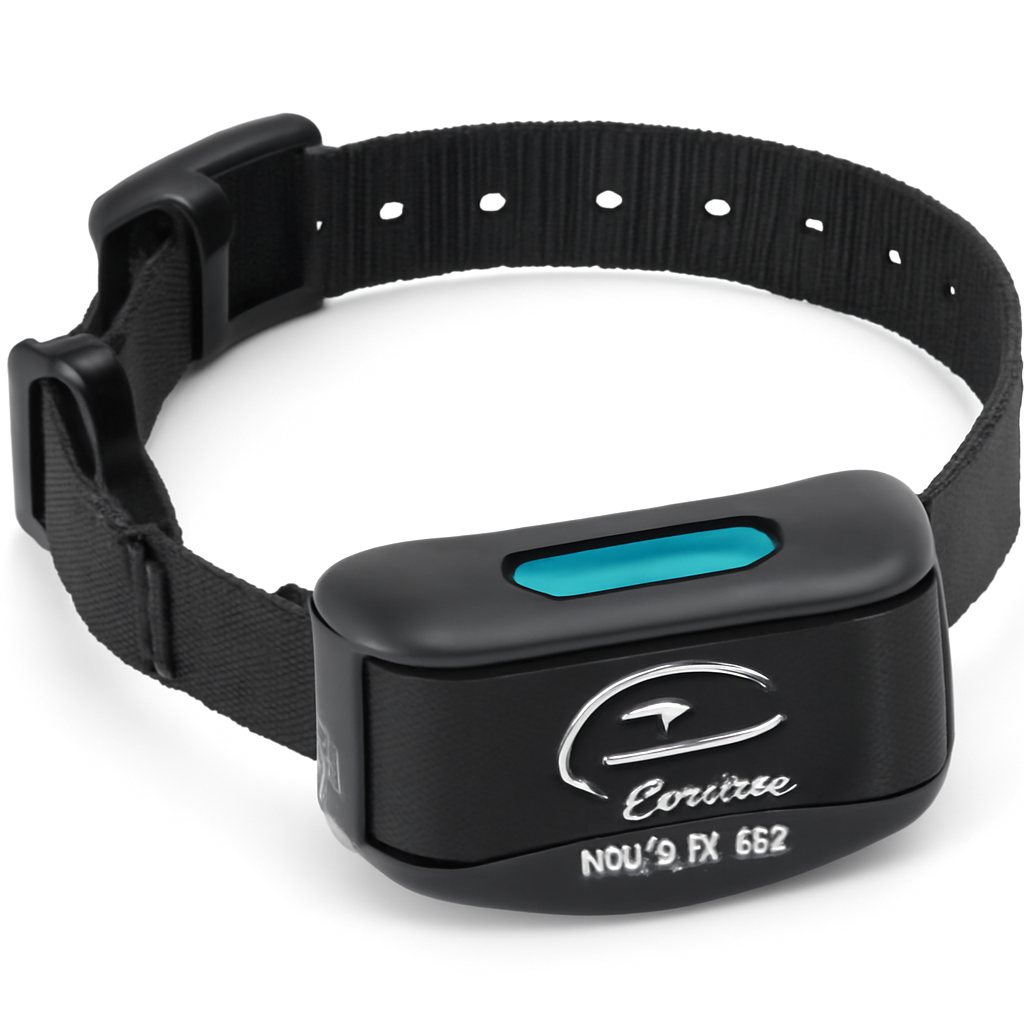
Quick Answer: If your dog’s barking is driving you (and your neighbors) up the wall, the fastest fix for most owners in 2026 is a rechargeable vibration-and-tone collar with adjustable sensitivity. Our top overall pick is the SportDOG NoBark 10R for its reliability and safety features, while the DogRook Rechargeable Bark Collar is the best value for small-to-medium dogs who respond to sound and vibration alone. Below, we break down every collar type, review the top 7 options, and help you match the right device to your dog’s size and temperament.
—
How We Tested and Ranked the Bark Collars
Choosing a bark collar isn’t just about picking whatever’s cheapest on the shelf. A collar that’s too harsh can frighten a sensitive dog, and one that’s too weak won’t get through to a stubborn barker. To build this 2026 guide, we evaluated each collar against the criteria that actually matter to owners:
– Correction modes — Does it offer sound, vibration, static, or a combination? More modes mean more flexibility.
– Adjustable sensitivity and intensity — Can you fine-tune it to your dog’s temperament, or is it one-size-fits-all?
– Bark-detection accuracy — The best collars use dual detection (sound and vibration from the vocal cords) to avoid triggering on other dogs barking nearby.
– Safety features — Automatic shut-off after a set number of corrections, and a “warning before correction” progression.
– Battery type and life — Rechargeable models win over disposable batteries for cost and convenience.
– Fit and comfort — Strap length, weight, and contact-point design for different neck sizes.
– Water resistance — Essential for dogs that bark in the yard, rain or shine.
We weighted safety and adjustability most heavily, because the goal of a bark collar is to interrupt and redirect a habit — never to punish or hurt your dog.
—
Types of Bark Collars: Static, Vibration, Spray & Ultrasonic
Before you buy, it helps to understand the four main correction methods. Each works differently, and the right one depends on your dog’s sensitivity and how ingrained the barking is.
Static (Stimulation) Collars
These deliver a mild electric stimulation — similar to the static shock you get from a doorknob — when your dog barks. Modern static collars are far gentler than the old-school “shock collars” and usually offer 5 to 15 adjustable levels. Best for stubborn or larger dogs that don’t respond to sound or vibration.
Vibration Collars
Instead of static, these buzz against your dog’s neck, much like a silent phone. They’re a humane, no-shock option that works well for sensitive dogs and for owners uncomfortable with static. Many dogs learn quickly that barking triggers the buzz.
Spray Collars
These release a harmless burst of citronella or unscented mist near your dog’s nose when it barks. Dogs dislike the sensation and smell, so they learn to stay quiet. No electrical stimulation at all, which makes them popular with hesitant owners — though refills add ongoing cost.
Ultrasonic Collars
These emit a high-pitched sound only dogs can hear when they bark. They’re the mildest option, but also the least consistently effective, especially for determined barkers or dogs with some hearing loss.
—
Top 7 Best Dog Bark Collars of 2026 Reviewed
1. SportDOG NoBark 10R — Best Overall
**
The SportDOG NoBark 10R is a rechargeable static collar built around “Silent Partner” technology, which uses both bark sound and vibration to confirm your dog is the one barking — dramatically reducing false triggers. It offers 10 progressive levels of static plus a built-in safety shut-off that pauses corrections if your dog barks 15 times in 80 seconds. It’s a go-to for medium and large breeds.
Pros:
– Dual bark detection minimizes false corrections
– Automatic safety shut-off prevents over-correction
– Fully waterproof and rechargeable
– Trusted brand with strong build quality
Cons:
– Static correction won’t suit owners who want a no-shock option
– Overkill for tiny breeds
—
2. DogRook Rechargeable Bark Collar — Best Value
**
The DogRook Rechargeable Bark Collar skips static entirely, relying on a beep-then-vibration progression across adjustable sensitivity levels. It’s lightweight, fits necks from small to large with the included nylon strap, and its long battery life makes it a favorite for budget-conscious owners. A humane pick that works surprisingly well on small and medium dogs.
Pros:
– No-shock: sound and vibration only
– Very affordable and rechargeable
– Adjustable sensitivity with an auto-protection mode
– Comfortable, lightweight design
Cons:
– May not be strong enough for very stubborn or large breeds
– Vibration-only can lose effectiveness on determined barkers
—
3. PetSafe Elite Little Dog Bark Collar — Best for Small Breeds
**
Purpose-built for dogs 8 lbs and up, the PetSafe Elite Little Dog Bark Collar is compact and lightweight so it won’t overwhelm a Chihuahua or Yorkie. It offers temperament-learning technology that starts with the lowest static level and works up only as needed, giving small, sensitive dogs a gentle path to quieter behavior.
Pros:
– Sized and weighted specifically for small dogs
– Progressive correction that starts gentle
– Water-resistant
Cons:
– Uses a replaceable battery rather than USB charging
– Limited range of adjustment compared to larger models
—
4. PetSafe Spray Bark Collar (Citronella) — Best No-Shock Spray Option
**
If the idea of static makes you uneasy, the PetSafe Spray Bark Collar delivers a burst of citronella mist instead. It’s a well-loved humane alternative that many trainers recommend as a first step. The microphone-based detection is tuned to your dog’s bark, and the reservoir holds enough spray for many corrections before a refill.
Pros:
– Completely shock-free
– Effective for owners who prefer gentle deterrents
– Adjustable, easy to fit
Cons:
– Ongoing cost of citronella refills
– Can be triggered by other dogs’ barking
– Less effective in windy outdoor conditions
—
5. Garmin BarkLimiter — Best Premium Pick
**
The Garmin BarkLimiter brings Garmin’s tech pedigree to bark control, with automatic bark-detection calibration that sets the ideal correction level for your specific dog. It’s rugged, rechargeable, and designed for owners who want a “set it and forget it” premium device. Ideal for active, outdoor dogs.
Pros:
– Auto-calibrating correction levels
– Extremely durable and waterproof
– Long battery life
Cons:
– Premium price point
– More features than casual owners may need
—
6. Educator BP-504 Bark Collar — Best for Stubborn Large Dogs
**
The Educator BP-504 is engineered for tough cases — think large, high-drive breeds that shrug off gentler methods. It combines an audible warning tone with adjustable stimulation and precise bark sensing. Owners of working breeds and persistent barkers tend to reach for this one when nothing else has worked.
Pros:
– Powerful, highly adjustable correction
– Reliable detection for determined barkers
– Rugged, weatherproof construction
Cons:
– Too strong for small or timid dogs
– Higher price than entry-level models
—
7. Bousnic Dog Bark Collar — Best Budget No-Shock
**
The Bousnic Dog Bark Collar rounds out our list as an affordable beep-and-vibration collar with multiple sensitivity levels and a smart bark-detection chip that filters out environmental noise. It’s a solid entry point for owners who want to try humane correction without a big investment.
Pros:
– Budget-friendly, no-shock design
– Adjustable sensitivity and vibration strength
– Rechargeable with good battery life
Cons:
– Detection can occasionally miss quieter barks
– Strap may be bulky on very small necks
—
Top Picks at a Glance
| Product | Best For | Price Range |
| SportDOG NoBark 10R | Best overall, medium–large dogs | |
| DogRook Rechargeable Collar | Best value, no-shock | |
| PetSafe Elite Little Dog | Small breeds (8 lbs+) | |
| PetSafe Spray Bark Collar | Best shock-free spray option | |
| Garmin BarkLimiter | Best premium, auto-calibrating | |
| Educator BP-504 | Stubborn, large breeds | |
| Bousnic Bark Collar | Best budget no-shock |
—
Key Features to Look for Before You Buy
Not all bark collars are created equal. Here’s what actually separates a good one from a frustrating one:
– Dual bark detection. Collars that confirm barking through both sound and throat vibration are far less likely to fire when a neighbor’s dog barks or a truck rolls by. This is the single most important accuracy feature.
– Adjustable sensitivity and intensity. Your dog is an individual. Look for at least a handful of levels so you can dial in the gentlest effective setting.
– Progressive correction. The best collars warn first (a beep or vibration) and only escalate if the barking continues — giving your dog a chance to self-correct.
– Automatic safety shut-off. A must-have. If your dog barks repeatedly in a short window, the collar should pause corrections to prevent distress.
– Rechargeable battery. USB-rechargeable models save money and hassle over collars that need proprietary or button-cell batteries.
– Waterproofing. Even indoor dogs get caught in the rain. Look for a fully waterproof (not just “water-resistant”) rating if your dog spends time outside.
– Proper fit range. Check the strap length and the contact-point spacing against your dog’s neck size.
—
How to Choose the Right Collar for Your Dog’s Size and Breed
Matching the collar to your dog matters more than any single feature.
Small Dogs (Under 15 lbs)
Choose a lightweight collar designed specifically for small breeds, like the PetSafe Elite Little Dog. Full-size collars can be too heavy and their correction levels too strong. Sensitive small dogs often respond well to vibration-only or spray options.
Medium Dogs (15–45 lbs)
This is the sweet spot where most collars perform well. A versatile pick like the DogRook or SportDOG NoBark 10R gives you room to adjust as you learn what motivates your dog.
Large and Stubborn Dogs (45 lbs+)
High-drive and working breeds often need more robust detection and correction. The Educator BP-504 or Garmin BarkLimiter are built for this. Start at the lowest effective level and only increase if needed.
Sensitive or Anxious Dogs
If your dog is timid, anxiety-prone, or barks from fear, avoid static entirely and start with vibration or citronella spray. And remember: anxiety-driven barking usually needs behavioral training and possibly a vet’s input, not just a collar.
—
Safe and Effective Bark Collar Training Tips
A bark collar is a tool, not a magic fix. Used well, it interrupts a habit so you can reward the behavior you do want. Follow these guidelines:
1. Introduce it gradually. Let your dog wear the collar (turned off) for a few days so it feels normal, not like a punishment device.
2. Start at the lowest setting. Always begin with the gentlest correction and increase only if there’s no response. The goal is to interrupt, not intimidate.
3. Pair it with positive reinforcement. When your dog is calm and quiet, reward with praise or a treat. The collar discourages barking; you teach quiet.
4. Never leave it on 24/7. Remove the collar for several hours each day to prevent skin irritation, and reposition it periodically. Check the contact area regularly.
5. Don’t use it for anxiety or fear barking. If your dog barks from separation anxiety or fear, a collar can make things worse. Address the root cause with training or professional help.
6. Be consistent. Combine the collar with a clear “quiet” command so your dog learns what’s expected even when the collar is off.
7. Watch for skin issues. Ensure a snug (not tight) fit — you should fit one finger under the strap — and inspect your dog’s neck daily.
—
Frequently Asked Questions About Bark Collars
Are bark collars safe for dogs?
When used correctly, modern bark collars are safe for most healthy dogs. Choose one with adjustable levels and an automatic shut-off, start at the lowest setting, and don’t leave it on continuously. Vibration and spray collars are the gentlest options.
At what age can I use a bark collar?
Most trainers recommend waiting until your dog is at least 6 months old and has had basic obedience training first. Puppies are still learning and respond best to positive reinforcement.
Do vibration collars work as well as static ones?
For many dogs, yes — especially small and sensitive breeds. Stubborn or high-drive dogs may need static correction to get the message. It often comes down to your individual dog.
Will a bark collar trigger from other dogs barking?
Cheaper, sound-only collars can. Collars with dual detection (sound plus throat vibration), like the SportDOG NoBark 10R, are designed to fire only when your dog barks.
How tight should a bark collar be?
Snug enough that the contact points touch the skin, but loose enough to slip one finger underneath. Too loose and it won’t detect barks; too tight and it can irritate the skin.
How long does it take to work?
Many owners see improvement within a few days to two weeks. Consistency and pairing the collar with training speed up results significantly.
—
Our Verdict
For 2026, the SportDOG NoBark 10R earns our top overall recommendation thanks to its accurate dual bark detection, adjustable levels, and built-in safety shut-off — a reliable, well-rounded choice for most medium and large dogs. If you’d rather avoid static altogether, the DogRook Rechargeable Bark Collar delivers excellent no-shock results at a budget-friendly price, making it our best-value pick. Small-dog owners should look to the PetSafe Elite Little Dog, while those wanting a spray-based, shock-free approach will be happy with the PetSafe Spray Bark Collar.
Whichever you choose, remember that the collar is only half the equation. Pair it with patience, consistency, and positive reinforcement, and you’ll have a quieter home — and a happy, well-adjusted dog — in no time.
Always check current pricing and confirm the collar’s size range fits your dog before purchasing.