Bringing home a new dog—or finally deciding to crate-train the one who’s been shredding your couch cushions—means facing a wall of nearly identical wire boxes and marketing buzzwords. Which cage actually keeps a determined escape artist contained? Which one folds flat for travel without pinching your fingers? And do you really need to spend $500, or will a $60 crate do the job?
This guide cuts through it. We’ve broken down the best dog cages of 2026 by category, explained the buying factors that actually matter, and included a sizing chart so you order the right dimensions the first time.
Quick Answer
If you want the short version: the MidWest Homes iCrate is the best all-around pick for most dogs and budgets. If your dog is an escape artist or a powerful large breed, step up to the Impact Dog Crates Collapsible or a ProSelect Empire Cage. Shopping on a tight budget? The Frisco Fold & Carry delivers the essentials for less.
Our Top Dog Cage Picks for 2026 at a Glance
| Product | Best For | Price Range |
| MidWest Homes iCrate | Best overall / most dogs | $ |
| Frisco Fold & Carry Single Door | Budget & value shoppers | $ |
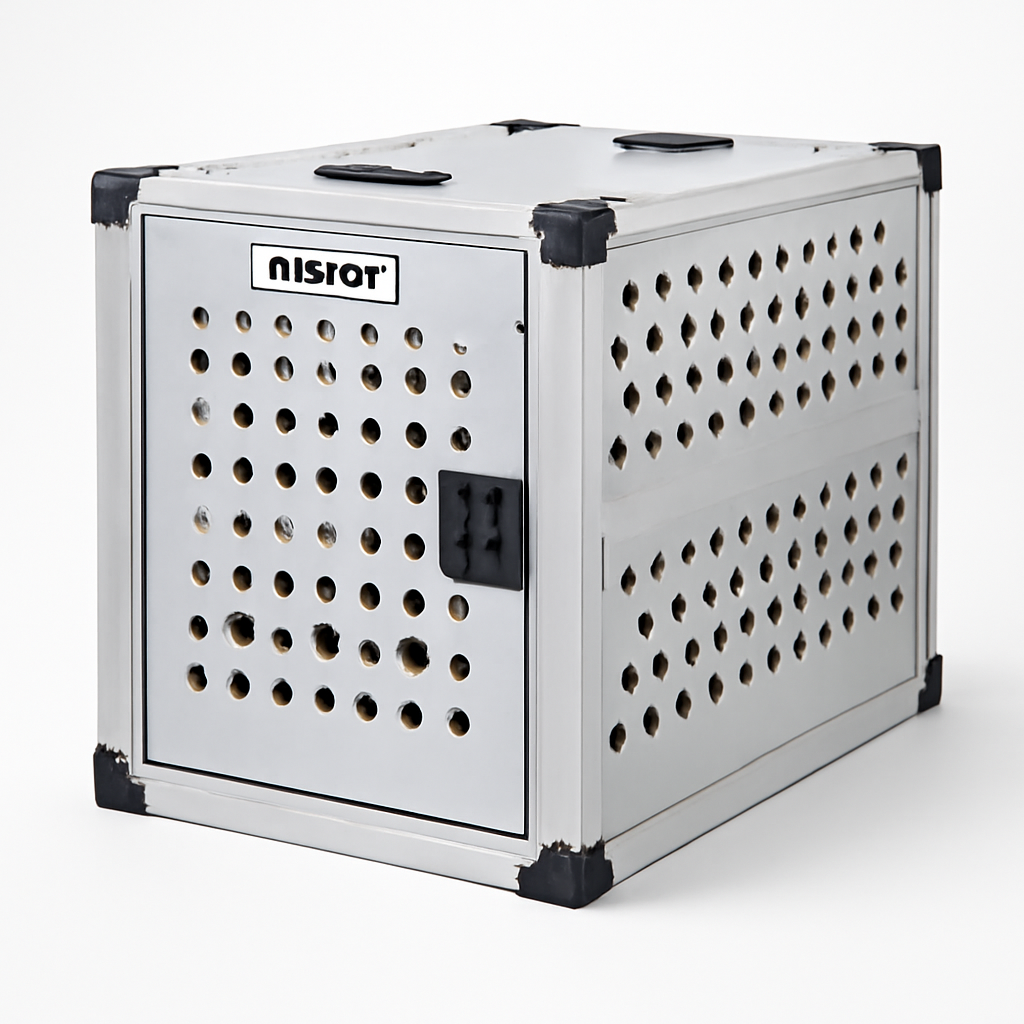
| Impact Dog Crates Collapsible | Escape artists & heavy chewers | $$$$ |
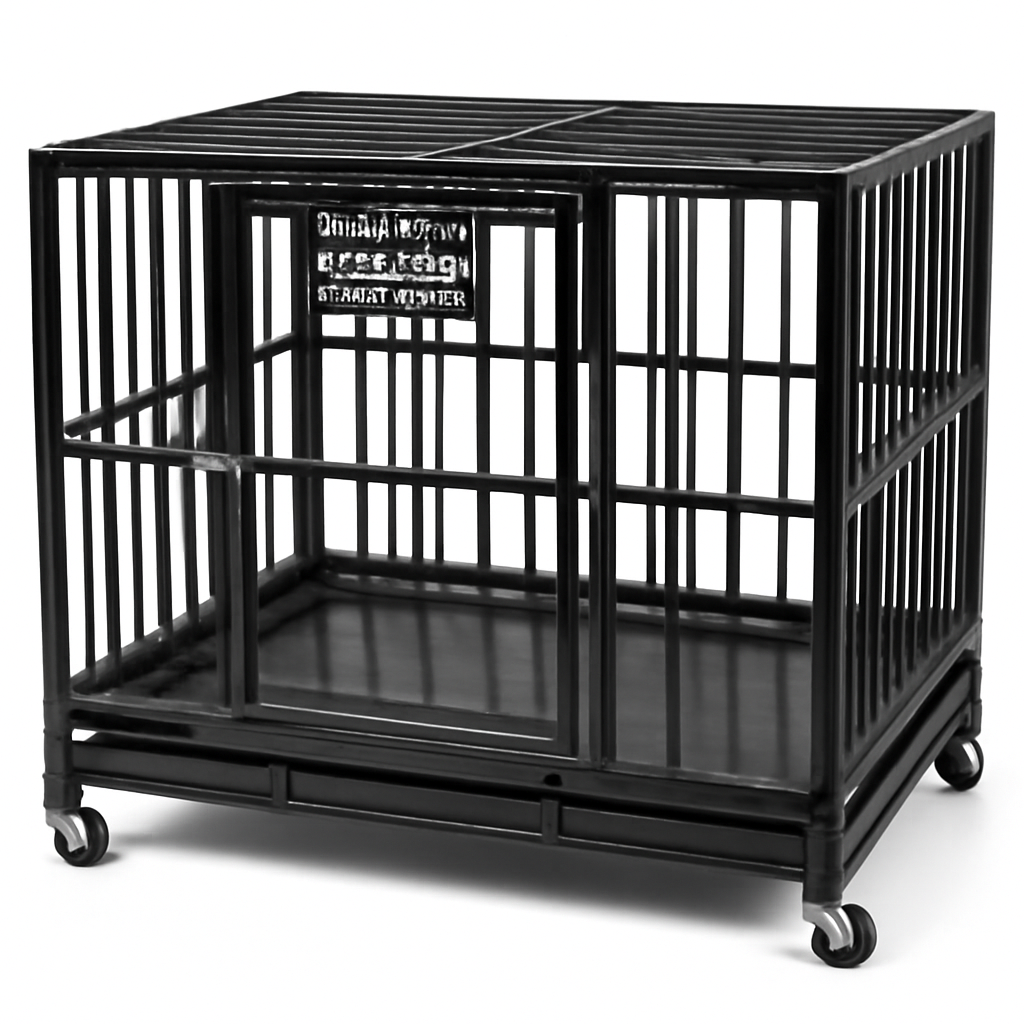
| ProSelect Empire Dog Cage | Large & giant breeds | $$$ |
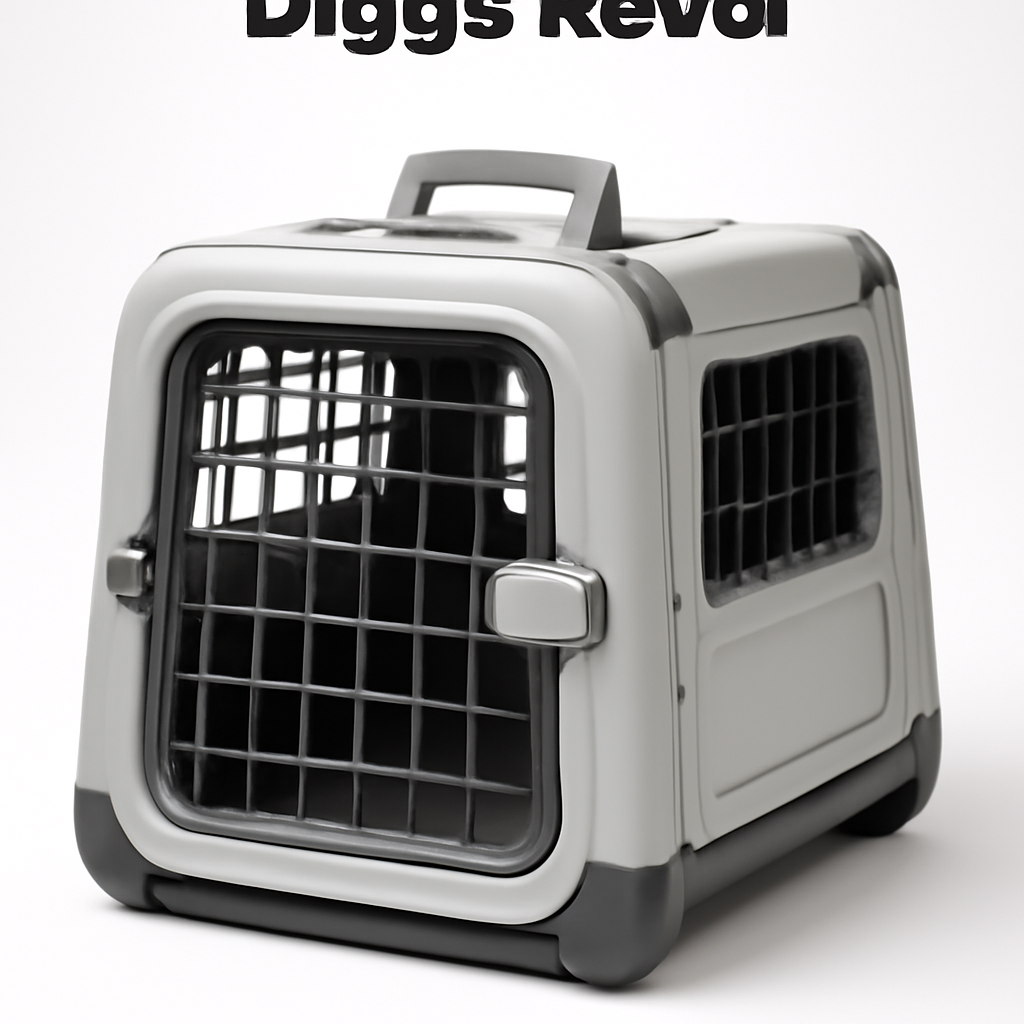
| Diggs Revol | Design-conscious / small-to-medium dogs | $$$ |
How to Choose the Right Dog Cage: Key Buying Factors
Before you compare specific products, get clear on what your dog actually needs. The “best” cage is entirely dependent on your dog’s size, temperament, and how you plan to use it.
Size and Proper Fit
This is the single most important factor. A crate that’s too small is cruel; a crate that’s too large undermines house-training, because dogs won’t soil a space only big enough to lie down in—but they’ll happily use the “extra room” of an oversized crate as a bathroom. Your dog should be able to stand up without ducking, turn around comfortably, and lie down fully stretched. We cover exact measurements in the sizing guide below.
Material and Build Type
There are four common construction types:
– Wire crates — The most popular. Well-ventilated, collapsible, easy to clean, and usually the most affordable. Most include a slide-out plastic pan.
– Plastic/airline crates — Enclosed sides, required for most air travel, and cozier for dogs who like a den.
– Aluminum/heavy-duty crates — For serious chewers, anxious escape artists, and large powerful breeds. Expensive but nearly indestructible.
– Soft-sided crates — Lightweight and portable, but only appropriate for calm, already crate-trained dogs.
Door Configuration
Single-door crates are cheaper and fine if you have flexible placement. Double-door models give you more options for fitting the crate into a corner, a car, or beside a bed. Some owners strongly prefer a top-loading door for small or senior dogs.
Security and Escape-Resistance
Standard slide-bolt latches are fine for easygoing dogs. If your dog is anxious, food-motivated, or Houdini-level clever, look for reinforced door latches, welded (not clipped) corners, and a chew-proof frame. Separation anxiety is the number-one reason people upgrade to heavy-duty crates.
Portability and Storage
If the crate will live permanently in one room, weight barely matters. If you’re crating in the car, taking it to the vet, or traveling, look for fold-flat designs, carry handles, and reasonable weight.
Ease of Cleaning
A removable, leak-proof plastic tray is essential—especially for puppies. Rounded corners and rust-resistant coatings make wipe-downs faster and extend the crate’s life.
Best Overall Dog Cage: Full Review
MidWest Homes iCrate
The MidWest Homes iCrate has earned its reputation as the default recommendation for a reason: it hits the sweet spot of price, availability, sizing options, and practical features. It’s a folding wire crate that ships in a range of sizes from XS up to XXL, so you can match it to almost any breed.
The standout feature for new puppy owners is the included divider panel. Instead of buying a small crate now and a bigger one later, you buy one crate sized for your dog’s adult frame and use the divider to shrink the usable space during house-training—then remove it as your puppy grows. That alone can save you the cost of a second crate.
It sets up without tools, folds down flat for storage or moving, and includes a removable plastic pan and rubber “roller” feet to protect your floors. Double-door versions give you flexible placement.
Pros:
– Included divider grows with your puppy—one crate for the dog’s whole life
– Huge range of sizes and single/double-door options
– Tool-free setup, folds flat, floor-protecting feet
– Widely available and affordably priced
Cons:
– Standard wire construction won’t stop a determined escape artist or heavy chewer
– Plastic pan is functional but not the most durable component
– Thin wire on larger sizes can flex under a very powerful dog
Bottom line: For the vast majority of dogs—puppies, adults, calm-to-moderate temperaments—this is the crate to buy first. Only step up to a specialty option if your dog has specific escape or destruction problems.
Best Budget Dog Cage for Value Shoppers
Frisco Fold & Carry Single Door
You don’t need to overspend to get a functional, well-ventilated crate. The Frisco Fold & Carry covers the fundamentals: a folding wire body, a slide-out plastic tray, a secure slide-bolt latch, and a carry handle for moving it between rooms.
It comes in multiple sizes, and larger versions typically include a divider panel—matching one of the iCrate’s best features at a lower price. Setup is tool-free, and it collapses suitcase-style for storage. You’re giving up some of the refinement and long-term durability of pricier crates, but for a first-time owner, a second crate for the car, or a calm dog who just needs a designated space, the value is hard to beat.
Pros:
– One of the lowest prices for a full-featured wire crate
– Fold-flat design with a built-in carry handle
– Divider included on many sizes for house-training
– Multiple size options
Cons:
– Lighter-gauge wire and thinner tray than premium crates
– Latches are basic—not for escape artists
– Finish may show wear faster with heavy daily use
Bottom line: The smart pick when you want the core benefits of a wire crate without paying a premium. Just be honest about your dog’s temperament—this is a crate for cooperative dogs, not Houdinis.
Best Heavy-Duty Cage for Escape Artists & Large Breeds
Some dogs bend wire, pop latches, and chew through plastic trays like they’re on a mission. If that’s your dog—or if severe separation anxiety is in play—a standard crate is a safety risk, not just an inconvenience. Two options stand out.
Impact Dog Crates Collapsible
The Impact Collapsible is aircraft-grade aluminum built for dogs who defeat everything else. Welded seams, a reinforced door with a tough latching system, and rounded edges make it exceptionally difficult to escape or destroy, while ventilation holes keep airflow up. Despite the tank-like build, it collapses for transport and is a favorite among working-dog owners and frequent travelers. It’s a serious investment, but for a powerful or anxious dog, it’s often the crate that finally works after cheaper ones have failed.
Pros:
– Aircraft-grade aluminum—extremely chew- and escape-resistant
– Reinforced latch designed to defeat clever paws
– Collapsible despite heavy-duty construction
Cons:
– Premium price—by far the most expensive option here
– Heavy compared to wire crates
– Overkill for calm, already-trained dogs
ProSelect Empire Dog Cage
The ProSelect Empire is the classic heavy-duty steel cage for large and giant breeds. It uses a reinforced steel-tube frame, thick half-inch diameter bars, and a dual-locking latch system, and it rolls on heavy-duty caster wheels so you can move its considerable weight. There’s a removable steel tray for cleaning. It doesn’t fold as neatly as the Impact, but for a stationary containment solution for a Mastiff, Rottweiler, or German Shepherd who tests every boundary, it’s a proven workhorse.
Pros:
– Heavy steel frame built for large, powerful breeds
– Dual-locking latches and rolling casters
– Removable steel tray for easy cleaning
Cons:
– Very heavy and doesn’t collapse flat
– Large footprint needs dedicated floor space
– Steel bars are utilitarian—not the prettiest in your living room
A Note on Design-Forward Crates: Diggs Revol
Not everyone with a destructive dog needs an industrial cage. The Diggs Revol is worth a mention for small-to-medium dogs and owners who care about aesthetics and safety features: it has a diagonal “puppy divider,” a garage-style side door, a top window, and rounded mesh designed to prevent the paw and tooth injuries that wire crates sometimes cause. It’s pricier than a standard wire crate and not meant for giant powerhouse breeds, but it’s a standout for the right dog.
Sizing Guide: Matching the Cage to Your Dog’s Breed & Weight
Getting the size right matters more than getting the brand right. Here’s how to measure and choose.
How to Measure Your Dog
1. Length: Measure from the tip of the nose to the base of the tail (not the tip). Add 2–4 inches.
2. Height: Measure from the floor to the top of the head while your dog is sitting up. Add 2–4 inches.
The crate should let your dog stand fully, turn around, and lie down stretched out—no more, no less (use a divider for a growing puppy).
General Size Chart by Weight
| Crate Size | Typical Length | Dog Weight | Example Breeds |
| X-Small | ~18–22 in | Up to 15 lbs | Chihuahua, Yorkie, Pomeranian |
| Small | ~24 in | 15–25 lbs | Mini Dachshund, Shih Tzu, small terriers |
| Medium | ~30 in | 25–40 lbs | Beagle, Cocker Spaniel, French Bulldog |
| Large | ~36 in | 40–70 lbs | Border Collie, Bulldog, Aussie |
| X-Large | ~42 in | 70–90 lbs | Labrador, Golden Retriever, Boxer |
| XX-Large | ~48–54 in | 90+ lbs | German Shepherd, Rottweiler, Great Dane |
Dimensions are approximate and vary by brand—always check the specific product’s listed measurements against your dog’s numbers before ordering.
Puppy Sizing Tip
Buy the crate sized for your puppy’s projected adult weight and use the included divider to section off a smaller area. Expand the space as your puppy grows. This saves you from buying two or three crates over your dog’s first year. If you’re unsure of adult size, ask your breeder or check breed weight averages.
Frequently Asked Questions About Dog Cages
What size dog cage do I need?
Your dog should be able to stand, turn around, and lie down comfortably—but no larger, especially during house-training. Measure nose-to-tail-base and floor-to-head, then add 2–4 inches. See the size chart above.
Is it cruel to crate a dog?
Used correctly, no. Dogs are den animals, and a properly sized crate becomes a safe, calming space. Crating becomes a problem only when it’s used for excessive hours or as punishment. Never leave an adult dog crated for more than a few hours at a stretch (far less for puppies), and make the crate a positive place with bedding, treats, and toys.
Wire crate or plastic crate—which is better?
Wire crates offer the best ventilation, visibility, and easy cleaning, and they fold flat—ideal for home use. Plastic/airline crates are more enclosed (cozier for anxious dogs) and are required for most air travel. Many owners end up with one of each.
How do I stop my dog from escaping the crate?
First, make sure the crate is the right size and your dog is properly crate-trained—escape attempts are often anxiety-driven. For dogs that genuinely defeat standard crates, upgrade to a heavy-duty model like the Impact Collapsible or ProSelect Empire with reinforced latches. If anxiety is severe, pair the crate with a training plan and talk to your vet.
Can puppies use a full-size crate?
Yes—as long as you use a divider to restrict the space to just enough room to stand, turn, and lie down. Too much space encourages puppies to potty in one corner and sleep in another, which slows house-training.
How long can a dog stay in a crate?
Adult dogs: no more than 4–6 hours at a time during the day. Puppies: roughly one hour per month of age, up to a maximum of a few hours. Crating overnight is generally fine once your dog is trained. Crates are for rest and safety—not all-day confinement.
Our Verdict
For most dog owners in 2026, the MidWest Homes iCrate is the crate to buy: it’s affordable, comes in every size, includes a divider that grows with your puppy, and folds flat when you don’t need it. It’s the safe, sensible default that fits the widest range of dogs.
If you’re watching every dollar, the Frisco Fold & Carry delivers the same core wire-crate experience for less—just reserve it for calm, cooperative dogs.
And if your dog is a genuine escape artist, a heavy chewer, or a powerful large breed, don’t waste money cycling through cheap crates that won’t hold. Go straight to the Impact Dog Crates Collapsible for portable, chew-proof strength, or the ProSelect Empire for a stationary large-breed workhorse. For style-conscious owners of smaller dogs, the Diggs Revol is a safer, better-looking take on the everyday crate.
Match the crate to your dog’s real size and temperament—not just the price tag—and you’ll only buy one.
Always confirm current pricing and exact dimensions on the product listing before purchasing, and measure your dog first.