Finding the right dog crate shouldn’t feel harder than teaching your pup to sit. Whether you’re bringing home a new puppy, crate-training an anxious rescue, or just need a safe travel setup, the right crate makes life calmer for both of you. The wrong one? Bent wires, escape artists, and a dog who hates their “den.”
We’ve broken down the best dog crates of 2026 so you can skip the guesswork and buy once.
Quick Answer
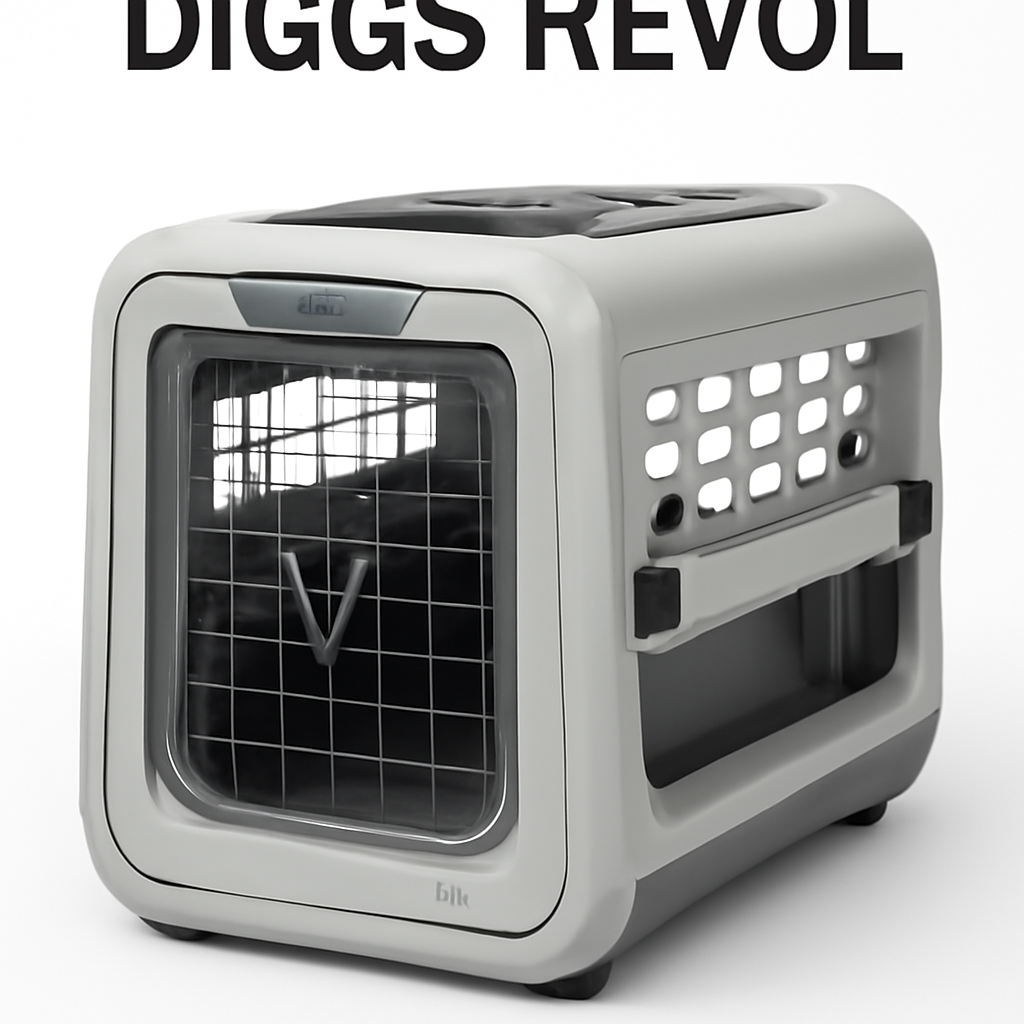
For most dog owners, the MidWest Homes iCrate is the best overall pick — affordable, foldable, and it grows with your puppy thanks to a divider panel. If you have a determined escape artist or a large powerful breed, upgrade to the Impact High Anxiety Dog Crate. Want something that actually looks good in your living room? The Diggs Revol is the modern standout.
How We Tested and Ranked the Best Dog Crates of 2026
We evaluated crates the way a real owner would — not in a lab, but in living rooms, cars, and vet waiting rooms. Our rankings weigh five things that actually matter day to day:
– Safety: No sharp edges, secure latches, and rounded corners. We prioritized crates with escape-resistant locking systems.
– Durability: How the crate holds up to chewing, pawing, and repeated fold/unfold cycles.
– Ease of use: Setup time, folding mechanism, and how simple it is to clean out accidents.
– Portability: Weight, whether it collapses flat, and travel/airline suitability.
– Value: Real-world price versus how long the crate will last.
We also leaned on feedback from trainers and long-term owners, plus known reputations for each brand. We did not count “smart” gimmicks that don’t improve your dog’s comfort.
Types of Dog Crates: Wire, Plastic, Soft-Sided, and Heavy-Duty
Before you pick a product, pick a type. Each solves a different problem.
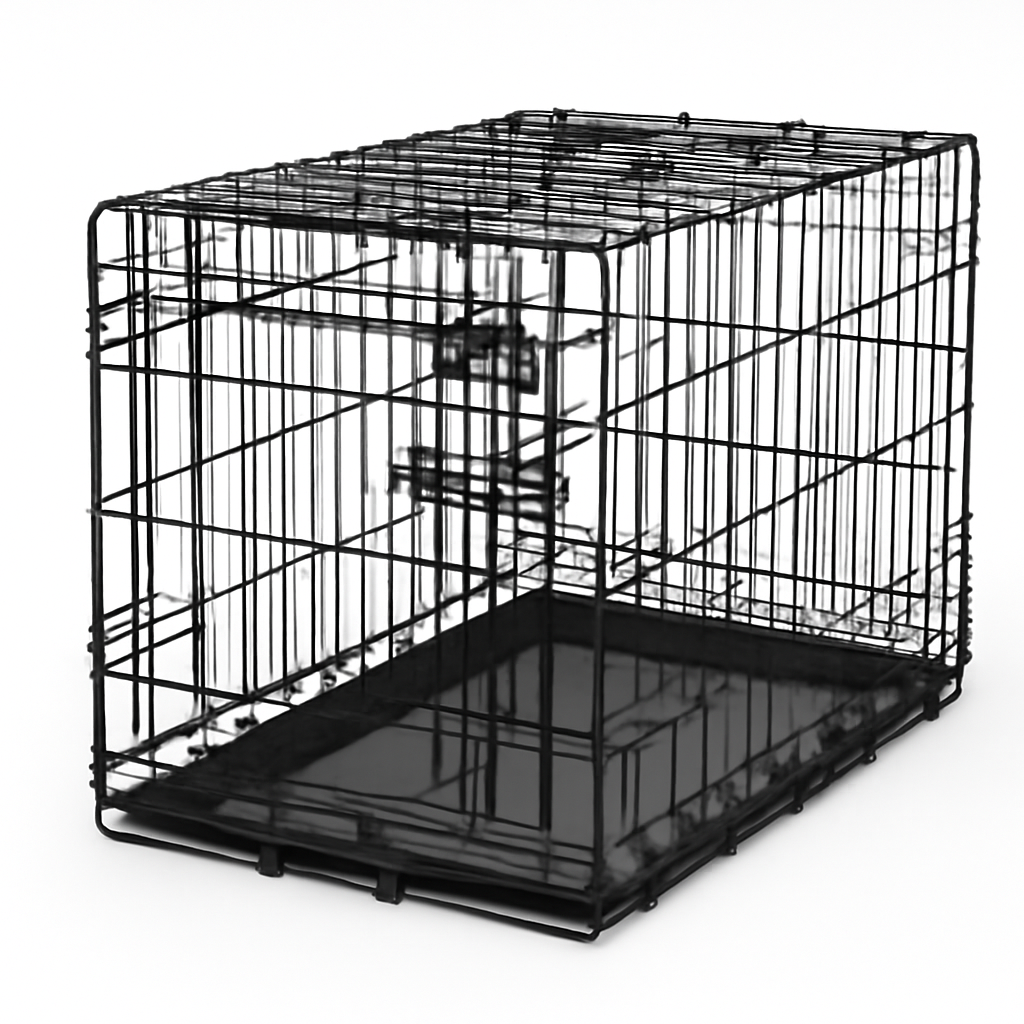
Wire Crates
The classic. Foldable, well-ventilated, and easy to clean. Most come with a slide-out tray and a divider so a single crate works from puppyhood to adulthood. Best for home use and crate training. Downside: chewers and clever dogs can sometimes work the latches.
Plastic Crates
Enclosed, den-like, and the go-to for air travel. The high walls make dogs feel secure and contain messes well. They don’t fold flat, and ventilation is lower than wire — but for nervous dogs and flights, they’re hard to beat.
Soft-Sided Crates
Lightweight fabric crates for calm, already-trained dogs. Great for travel, camping, or trips to grandma’s. Not for chewers or puppies — a determined dog will claw or unzip their way out.
Heavy-Duty Crates
Steel-reinforced fortresses built for large breeds, escape artists, and dogs with serious separation anxiety. Expensive and heavy, but essentially indestructible.
How to Choose the Right Crate Size for Your Dog
Size is the #1 thing people get wrong. Too small is cruel; too big undermines house-training (dogs won’t soil their bed, but they’ll happily use the extra corner as a bathroom).
The rule: Your dog should be able to stand up without ducking, turn around fully, and lie down stretched out — and not much more.
How to measure:
1. Measure your dog’s length from nose to base of tail (not tip). Add 2–4 inches.
2. Measure height from the floor to the top of the head while sitting. Add 2–4 inches.
General sizing guide:
| Crate Length | Typical Dog Weight | Example Breeds |
| 24″ | Up to 25 lbs | Chihuahua, Yorkie, small terriers |
| 30″ | 26–40 lbs | Beagle, French Bulldog |
| 36″ | 41–70 lbs | Bulldog, Border Collie |
| 42″ | 71–90 lbs | Labrador, Boxer, German Shepherd |
| 48″ | 91+ lbs | Great Dane, Mastiff |
Puppy tip: Buy for the adult size and use a divider panel to shrink the interior while they grow. It saves you from buying two crates.
Key Features to Look For (Safety, Durability, and Portability)
– Secure latches: Single-latch doors are easier for smart dogs to open. Look for dual or “slide-bolt” latches on medium-to-large crates.
– Divider panel: Essential for puppies. Lets one crate scale as they grow.
– Leak-proof tray: A removable, washable plastic or metal pan makes accident cleanup a two-minute job.
– Rounded edges & coated wire: Prevents cuts and rust. Cheap crates skip this.
– Folding design: If you’ll move or travel with it, a flat-fold “suitcase” style matters.
– Airline compliance: Flying? You need a hard-sided plastic crate that meets IATA standards. Wire won’t fly (literally).
– Feet/rubber caps: Protect your floors and reduce sliding.
Top Dog Crates for 2026: Reviews and Comparisons
Top Picks at a Glance
| Product | Best For | Price Range |
| MidWest Homes iCrate | Best overall / puppies | |
| Diggs Revol | Modern design & safety | |
| Impact High Anxiety Crate | Escape artists / heavy-duty | |
| Petmate Sky Kennel | Air travel | |
| Frisco Soft-Sided Crate | Travel & calm dogs |
1. MidWest Homes iCrate — Best Overall
The MidWest Homes iCrate is the crate we recommend to the most people, and for good reason. It’s affordable, folds flat in seconds, includes a divider for growing puppies, and comes with a leak-proof pan. Available in sizes from 22″ up to 48″, it fits nearly every dog. It won’t stop a truly determined escape artist, but for the vast majority of dogs, it’s all the crate you’ll ever need.
Pros:
– Excellent value
– Divider panel included for puppy-to-adult use
– Folds flat for storage and travel
– Multiple size options
Cons:
– Single-latch models can be opened by clever dogs
– Not chew-proof for aggressive gnawers
2. Diggs Revol — Best Design & Safety
If you’re tired of ugly wire boxes, the Diggs Revol is a breath of fresh air. It has rounded, diamond-mesh sides (no sharp edges or pinch points), a garage-style side door, a top hatch for easy access, and it collapses like a stroller. Puppy owners love the included divider and the removable tray. It’s pricier than a basic wire crate, but the safety design and looks justify it for many owners.
Pros:
– Rounded mesh eliminates injury points
– Collapses easily with one hand
– Multiple doors including a top hatch
– Genuinely looks good in a home
Cons:
– Higher price than standard wire crates
– Fewer large-breed size options
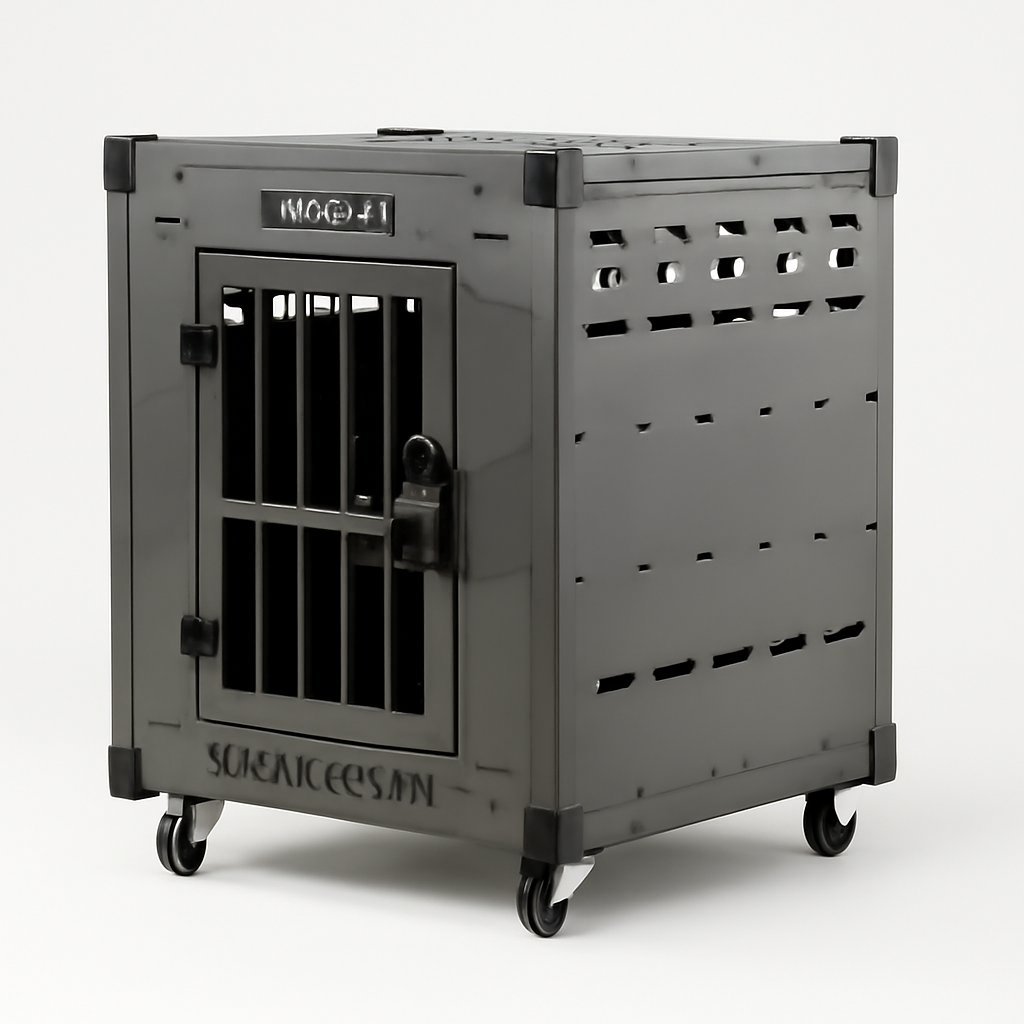
3. Impact High Anxiety Dog Crate — Best Heavy-Duty
For powerful breeds, chronic escape artists, or dogs with severe separation anxiety, the Impact High Anxiety Dog Crate is in a league of its own. Made from aircraft-grade aluminum with a patented locking system, it’s built to withstand dogs that destroy everything else. It’s a serious investment and it’s heavy — but for the right dog, it’s the last crate you’ll ever buy.
Pros:
– Nearly indestructible aluminum build
– Escape-resistant locking latches
– Excellent for high-anxiety and strong dogs
Cons:
– Expensive
– Heavy and not easily portable
4. Petmate Sky Kennel — Best for Air Travel
The Petmate Sky Kennel is the standby for flying. This hard-sided plastic crate meets most airline requirements out of the box, with secure metal-door latches, ventilation slots, and tie-down holes for cargo. If a plane trip is in your dog’s future, start here.
5. Frisco Soft-Sided Crate — Best for Travel & Calm Dogs
For already-trained, easygoing dogs, the Frisco Soft-Sided Crate is light, foldable, and easy to toss in the car for road trips or visits. It’s not for chewers or untrained puppies, but for the right dog it’s a comfortable, packable option at a friendly price.
Crate Training Tips for a Happy, Comfortable Dog
A crate should be a cozy den, not a punishment. Here’s how to get there:
1. Make it inviting. Add a soft bed and leave the door open at first. Toss treats inside so your dog explores on their own terms.
2. Feed meals in the crate. Nothing builds positive association like dinner.
3. Go slow with the door. Close it for a few seconds, then build up. Never rush to long stretches.
4. Never use it for punishment. The crate must always feel safe.
5. Match crate time to age. Puppies can’t hold their bladder long — a rough guide is one hour per month of age, up to about 8 hours for an adult.
6. Add a chew toy, not a distraction. A stuffed puzzle toy makes crate time feel like a treat.
7. Ignore the whining (mostly). Once you’re sure they don’t need a potty break, resist letting them out mid-protest, or you’ll reward the noise.
Patience wins. Most dogs settle within a couple of weeks of consistent, positive training.
Frequently Asked Questions About Dog Crates
Is crate training cruel?
No — when done right, dogs are den animals and often seek out their crate as a safe retreat. Cruelty comes from misuse: excessive confinement or using the crate as punishment.
What size crate do I need for a puppy?
Buy for the adult size and use a divider to shrink the space while they grow. This keeps house-training on track without buying two crates.
How long can a dog stay in a crate?
Adult dogs shouldn’t be crated more than about 6–8 hours at a stretch, and puppies far less. The crate is for sleeping and short-term safety, not all-day containment.
Wire or plastic — which is better?
Wire is best for home use and training (ventilation, visibility, folding). Plastic is best for air travel and nervous dogs who want an enclosed den.
How do I stop my dog from escaping the crate?
Upgrade to dual-latch or heavy-duty locking systems, make sure the crate is properly sized, and address underlying anxiety with training. For serious cases, a heavy-duty crate like the Impact is the reliable fix.
Can I put a bed in the crate?
Yes — for most dogs. For puppies or chewers, start with a chew-proof mat until you’re confident they won’t shred (and potentially swallow) bedding.
Our Verdict
For the majority of dog owners in 2026, the MidWest Homes iCrate is the smartest buy — affordable, adaptable, and reliable enough to take a puppy all the way to adulthood. If design and safety matter to you, the Diggs Revol is worth the upgrade. And if you’re dealing with a powerful breed or a true escape artist, don’t waste money on cheaper crates first — go straight to the Impact High Anxiety Dog Crate.
Match the crate to your dog’s size, temperament, and your travel needs, and you’ll have a happier pup and a lot fewer headaches. Measure carefully, train patiently, and buy once.
Prices change frequently — always check the current listing before purchasing.