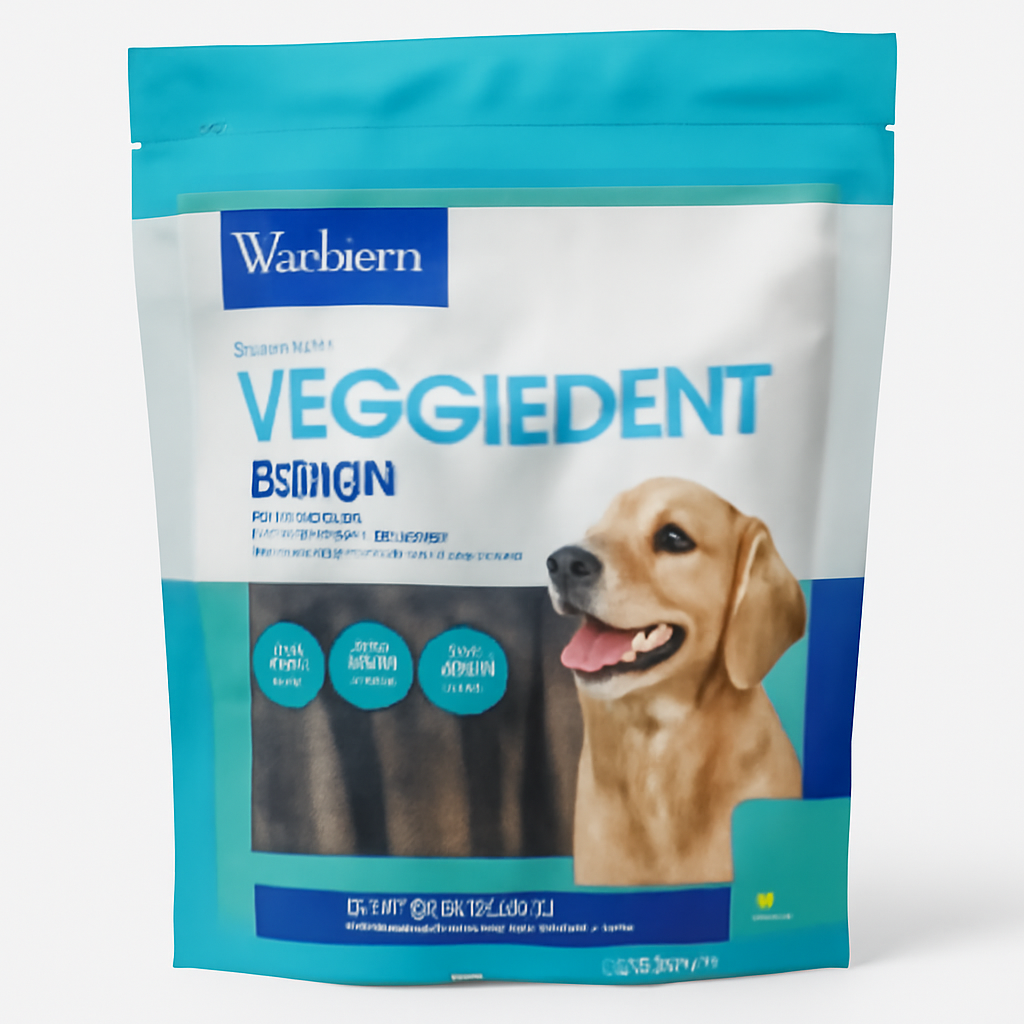
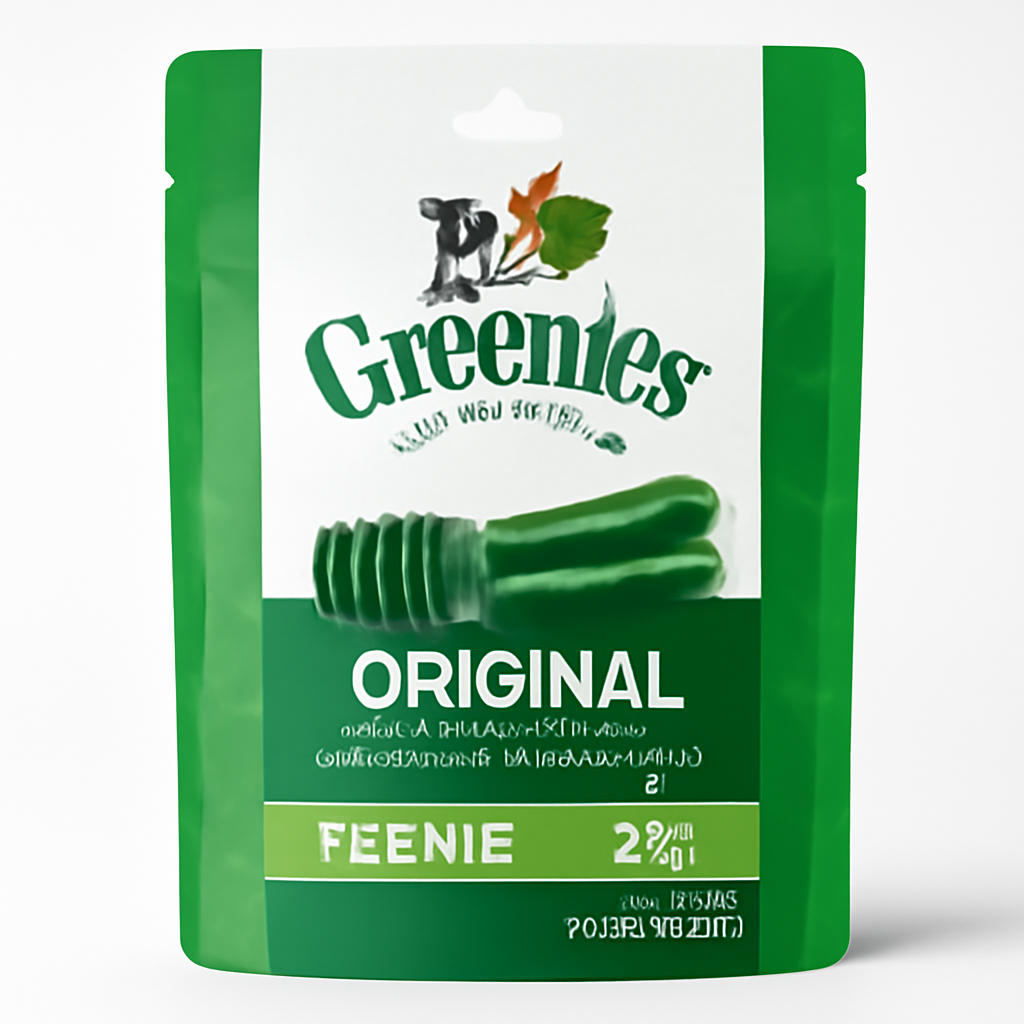
Quick answer: The best dog dental chews for tartar are ones that carry the VOHC Seal (Veterinary Oral Health Council), have a firm-but-chewable texture that scrapes plaque before it hardens, and are correctly sized for your dog. For most dogs, Greenies Original Dental Treats and Virbac C.E.T. VeggieDent Fresh Chews are the strongest all-around picks. Read on for size-specific and sensitive-stomach recommendations.
If your dog has bad breath, yellow-brown buildup along the gumline, or a vet who keeps mentioning a “dental cleaning,” you’re in the right place. Tartar (hardened plaque) is the #1 dental problem in dogs, and daily dental chews are the easiest, most realistic way to slow it down between brushings. Here’s exactly what works, what to skip, and how to choose.
—
How Dental Chews Fight Tartar and Plaque Buildup
To pick the right chew, it helps to understand the enemy.
– Plaque is a soft, sticky film of bacteria that forms on teeth within hours of eating.
– Tartar (calculus) is what plaque becomes when it mineralizes and hardens — usually within 24–72 hours.
Here’s the key: dental chews can remove soft plaque, but they cannot remove hardened tartar. Once tartar is cemented on, only a professional cleaning gets it off. So the entire job of a dental chew is prevention — mechanically scraping plaque off the tooth surface before it has a chance to harden.
They do this two ways:
1. Mechanical action. As your dog chews, the treat’s texture rubs against the tooth, physically wiping away plaque — especially on the outer surfaces of the back teeth where buildup is worst.
2. Chemical action. Many chews add ingredients that interrupt the mineralization process. The most common is sodium hexametaphosphate (STPP), which binds calcium in saliva so plaque can’t harden into tartar as easily.
The best chews combine both. A soft, crumbly treat that dissolves in two bites does almost nothing mechanically, while a rock-hard antler does nothing chemically (and can fracture teeth). The sweet spot is a chew that lasts a few minutes and flexes slightly against the tooth.
—
What to Look For: VOHC Seal, Ingredients, and Texture
The VOHC Seal is the single most important thing
The Veterinary Oral Health Council (VOHC) Seal is the closest thing to a gold standard in pet dental care. Products earn it only by proving, in controlled trials, that they reduce plaque or tartar by a meaningful margin. If a chew carries the VOHC seal for tartar control, it has actual evidence behind it — not just marketing.
Always check for the VOHC seal first. Everything else is secondary.
Texture and hardness
Use the two classic vet rules of thumb:
– The thumbnail test: You should be able to dent the chew slightly with your thumbnail. If you can’t, it’s too hard and risks cracking teeth.
– The kneecap test: If you wouldn’t want it whacked against your kneecap, it’s too hard for your dog’s teeth.
This is why vets are cautious about antlers, hooves, bones, and very hard nylon chews for tartar control — they can cause slab fractures that cost far more than any cleaning.
Ingredients to look for
– Sodium hexametaphosphate — the tartar-fighting workhorse.
– Digestible base (potato, pea, rice, or highly digestible proteins) — reduces GI upset.
– Simple, recognizable ingredient list — fewer fillers, dyes, and mystery additives.
Ingredients to be cautious about
– Excess calories — many chews add up fast; account for them in daily feeding.
– Artificial dyes and heavy fillers — not harmful to teeth, but not doing your dog any favors.
– Choking-risk shapes for gulpers — some dogs swallow chews whole.
Size matters more than people think
A chew sized for a Chihuahua won’t touch a Labrador’s molars, and a large chew is a choking hazard for a small dog. Buy the size band that matches your dog’s weight, listed on every reputable package.
—
Best Dental Chews by Dog Size (Small, Medium, Large)
Different dogs need different chews. Here are strong, VOHC-recognized or vet-popular options by size.
Top Picks at a Glance
| Product | Best For | Price Range |
| Greenies Original Dental Treats | All-around tartar + fresh breath (all sizes) | |
| Virbac C.E.T. VeggieDent Fresh | Vet-recommended, grain-conscious households | |
| Purina DentaLife Daily Oral Care | Porous texture, medium & large dogs | |
| OraVet Dental Hygiene Chews | Dogs prone to heavy tartar (has a plaque barrier) | |
| WHIMZEES Brushzees | Grain-free, sensitive stomachs, small–large |
Small dogs (under ~25 lbs)
Small breeds are actually more prone to dental disease — their teeth are crowded and they live longer. Go for a Greenies Teenie/Petite or a WHIMZEES in the small/extra-small size. Both have grooves and ridges that reach small teeth without being a choking risk.
Medium dogs (~25–50 lbs)
This is the widest lane. Purina DentaLife Daily Oral Care shines here — its porous, air-pocketed texture gives teeth more surface contact and is easy for medium dogs to work through. Greenies Regular is the other safe default.
Large dogs (50+ lbs)
Big dogs need chews substantial enough to last — a large dog that inhales a treat in one crunch gets no dental benefit. OraVet Dental Hygiene Chews (Large) and Greenies Large are both sized to make big dogs actually chew. OraVet is especially worth trying for large breeds that build tartar quickly, because it leaves behind a barrier that helps block plaque bacteria after the chew is gone.
—
Grain-Free and Natural Options for Sensitive Dogs
If your dog has a sensitive stomach, food allergies, or a grain-free diet, you don’t have to give up dental chews.
– WHIMZEES Brushzees — grain-free, made from a short list of ingredients (potato/pea base), no artificial anything. The toothbrush and hedgehog shapes create a lot of tooth contact, and they’re a favorite for sensitive dogs. (Note: WHIMZEES focuses on natural ingredients and texture rather than a VOHC seal — you’re trading the certification for a cleaner label.)
– Virbac C.E.T. VeggieDent Fresh — a plant-based, highly digestible Z-shaped chew that’s popular with vets and carries VOHC recognition. A great middle ground if you want both a clean label and proven results.
A word on “natural” hard chews: antlers, bully sticks, yak chews, and hooves are marketed for dental health, but antlers and hooves in particular are hard enough to fracture teeth. If you go this route, stick to softer natural options and supervise closely.
—
How Often to Give Dental Chews (and Safety Tips)
Frequency: Most VOHC-accepted chews are designed for once daily use. Daily consistency is what actually moves the needle on tartar — a chew twice a week won’t keep up with plaque that re-forms every 24 hours.
Calorie awareness: Dental chews have real calories. As a general rule, treats (chews included) should stay under 10% of your dog’s daily calorie intake. For small dogs especially, a big daily chew can quietly cause weight gain — size down or reduce meal portions slightly to compensate.
Safety tips:
– Always supervise. Chews should be eaten, not gulped. If your dog swallows large chunks, size up so it can’t fit whole, or hold one end.
– Fresh water available at all times.
– Introduce slowly. Give a partial chew for the first day or two to check for GI tolerance.
– Skip if your dog has a damaged tooth, recent dental surgery, or a known allergy to an ingredient — ask your vet first.
– Puppies: wait until adult teeth are in and follow age guidance on the package.
—
Dental Chews vs. Brushing vs. Water Additives
No single tool does it all. Here’s how they stack up.
| Method | Effectiveness | Effort | Best Role |
| Brushing | Highest — the gold standard | High (daily, many dogs resist) | Primary defense if your dog tolerates it |
| Dental chews | Good, evidence-backed (VOHC) | Very low — dogs love them | The realistic daily habit most owners can actually keep |
| Water additives | Modest, supplemental | Lowest | Bonus layer, not a standalone solution |
Brushing with a dog-safe enzymatic toothpaste is the most effective thing you can do — nothing beats mechanically scrubbing every tooth. But let’s be honest: most owners don’t sustain daily brushing. That’s exactly why chews matter — the best dental routine is the one you’ll actually do every day.
Water additives (added to the bowl) are the least intrusive but also the weakest. Think of them as a helpful supplement, not a replacement.
The winning combo: brushing a few times a week + a daily VOHC chew + an annual vet dental check. That covers the bases without demanding perfection.
—
Frequently Asked Questions About Tartar Control Chews
Do dental chews actually remove existing tartar?
No. Chews remove soft plaque and slow new tartar from forming. Hardened tartar that’s already on the tooth needs a professional cleaning. Chews are prevention, not a cleaning.
How long until I see results?
You may notice fresher breath within a week or two. Reduced plaque/tartar buildup is a longer game — judged over months of daily use, ideally confirmed at your next vet visit.
Are dental chews safe for puppies?
Wait until their adult teeth are in and choose a puppy-appropriate product and size. Check the package age guidance and ask your vet.
My dog swallows chews whole — do they still work?
Barely. The dental benefit comes from chewing. Size up so the chew can’t be swallowed whole, pick a longer-lasting shape, or hold one end to force chewing.
Are these safe for sensitive stomachs?
Many are. Look for simple, digestible ingredients — options like WHIMZEES or Virbac C.E.T. VeggieDent are common choices for sensitive dogs. Introduce any new chew gradually.
Is the VOHC seal really necessary?
It’s the best evidence you’ll get that a product does what it claims. A VOHC seal isn’t the only thing that matters, but among two similar chews, the one with the seal is the safer bet.
—
Our Verdict
For most dogs, the smartest starting point in 2026 is Greenies Original Dental Treats — they’re VOHC-accepted, come in every size band, and dogs reliably love them, which means you’ll actually give one every day. If you want a vet-favored, cleaner-label option, Virbac C.E.T. VeggieDent Fresh is the pick.
– Heavy-tartar or large breeds: go with OraVet Dental Hygiene Chews for the extra plaque barrier.
– Sensitive stomachs or grain-free households: WHIMZEES Brushzees.
– Medium dogs wanting maximum tooth contact: Purina DentaLife.
Whichever you choose, remember the three rules that matter most: look for the VOHC seal, match the chew to your dog’s size, and give it daily. Pair that with occasional brushing and a yearly vet check, and you’ll keep tartar — and expensive cleanings — at bay.
Always confirm current pricing and consult your veterinarian before starting a new dental routine, especially if your dog has existing dental issues.