TITLE: Best Dog Dental Chews That Actually Work (2026 Guide)
Quick answer: The dental chews most likely to actually reduce plaque and tartar are the ones carrying the VOHC (Veterinary Oral Health Council) Seal of Acceptance — that’s the closest thing to real proof a chew does something. Our top overall pick is Greenies Original Dental Dog Treats for its VOHC seal and chewable texture, with Virbac C.E.T. VeggieDent Fr3sh as the best low-ingredient alternative and Purina DentaLife as the best value. Below, we break down what works, what’s just marketing, and how to pick the right chew for your specific dog.
—
How Dental Chews Fight Plaque and Tartar (What the Science Says)
Here’s the thing most packaging won’t tell you plainly: no chew replaces brushing. But the good ones genuinely help, and the mechanism is simple.
Plaque is a soft, sticky bacterial film that builds up on teeth within hours of eating. If it isn’t removed, minerals in your dog’s saliva harden it into tartar (calculus) — the yellow-brown crust you can’t scrape off at home. Tartar is what leads to gum inflammation, bad breath, and eventually periodontal disease, which affects a large majority of dogs by age three.
Dental chews work in two ways:
1. Mechanical abrasion. As your dog chews, the treat’s texture scrapes plaque off the tooth surface — especially the back molars where it collects most. The chew has to be the right firmness and shape to actually reach the gumline, not just crumble.
2. Chemical action. Some chews add ingredients like sodium hexametaphosphate or zinc that bind calcium in saliva, slowing the mineralization that turns plaque into tartar.
The catch: a chew only helps the teeth it actually touches, and only while your dog is chewing it. That’s why consistency (and the right size) matters more than the brand name.
What to Look For in a Dental Chew That Actually Works
Not all “dental” chews earn the label. Here’s what separates the ones that work from the ones that are basically flavored biscuits.
– A VOHC seal. This is the single most important thing. More on that below.
– The right texture. It should be firm enough to require real chewing but not so hard it risks cracking a tooth. A good rule: if you can’t dent it with a fingernail, it may be too hard.
– Appropriate size. A chew sized for your dog forces them to gnaw rather than gulp. Too small is a choking risk and skips the cleaning entirely.
– Digestibility. Look for chews designed to break down in the stomach, especially if your dog is a gulper.
– Reasonable calories. Dental chews are treats. Many run 30–90+ calories each, which adds up fast for small breeds.
– Short, readable ingredient list. Not mandatory, but useful if your dog has a sensitive stomach or allergies.
Red flags to avoid
– Extremely hard chews (real bones, antlers, hard nylon) — these are a leading cause of fractured teeth.
– Vague claims like “supports dental health” with no seal and no active ingredient.
– Rawhide, which poses choking and blockage risks for aggressive chewers.
VOHC-Approved vs. Marketing Hype: How to Tell the Difference
If you remember one thing from this guide, make it this: look for the VOHC Seal of Acceptance.
The Veterinary Oral Health Council is an independent body that reviews products against a set standard. To earn the seal, a chew has to demonstrate in trials that it meaningfully reduces plaque, tartar, or both. Products carry a seal that specifies which — some are accepted for tartar control, some for plaque control, some for both.
Why this matters: “veterinarian formulated,” “dental,” and “cleans teeth” are marketing phrases with no regulatory meaning. Any product can print them. The VOHC seal is the only widely available third-party signal that a chew was actually tested and did something measurable.
How to verify: Look for the octagonal VOHC seal on the packaging, and cross-check the product on the VOHC’s published accepted-products list. If a brand claims dental benefits but isn’t on that list, treat the claim as unproven — it might still help mechanically, but you’re taking their word for it.
That doesn’t mean non-VOHC chews are worthless. A firm, appropriately sized chew still provides mechanical cleaning. But when you’re paying a premium specifically for dental benefits, the seal is what you’re paying for.
Best Dog Dental Chews of 2026 (Top Picks Reviewed)
We prioritized VOHC-accepted products, safe textures, and options across sizes and budgets. Prices vary by pack size and retailer, so check current pricing before buying.
Top Picks at a Glance
| Product | Best For | Price Range |
| Greenies Original Dental Treats | Best overall / VOHC-backed | |
| Virbac C.E.T. VeggieDent Fr3sh | Sensitive stomachs / simple ingredients | |
| Purina DentaLife Daily Oral Care | Best value / large breeds | |
| Whimzees by Wellness Dental Chews | Grain-free / natural ingredients | |
| OraVet Dental Hygiene Chews | Bad breath / anti-tartar coating |
—
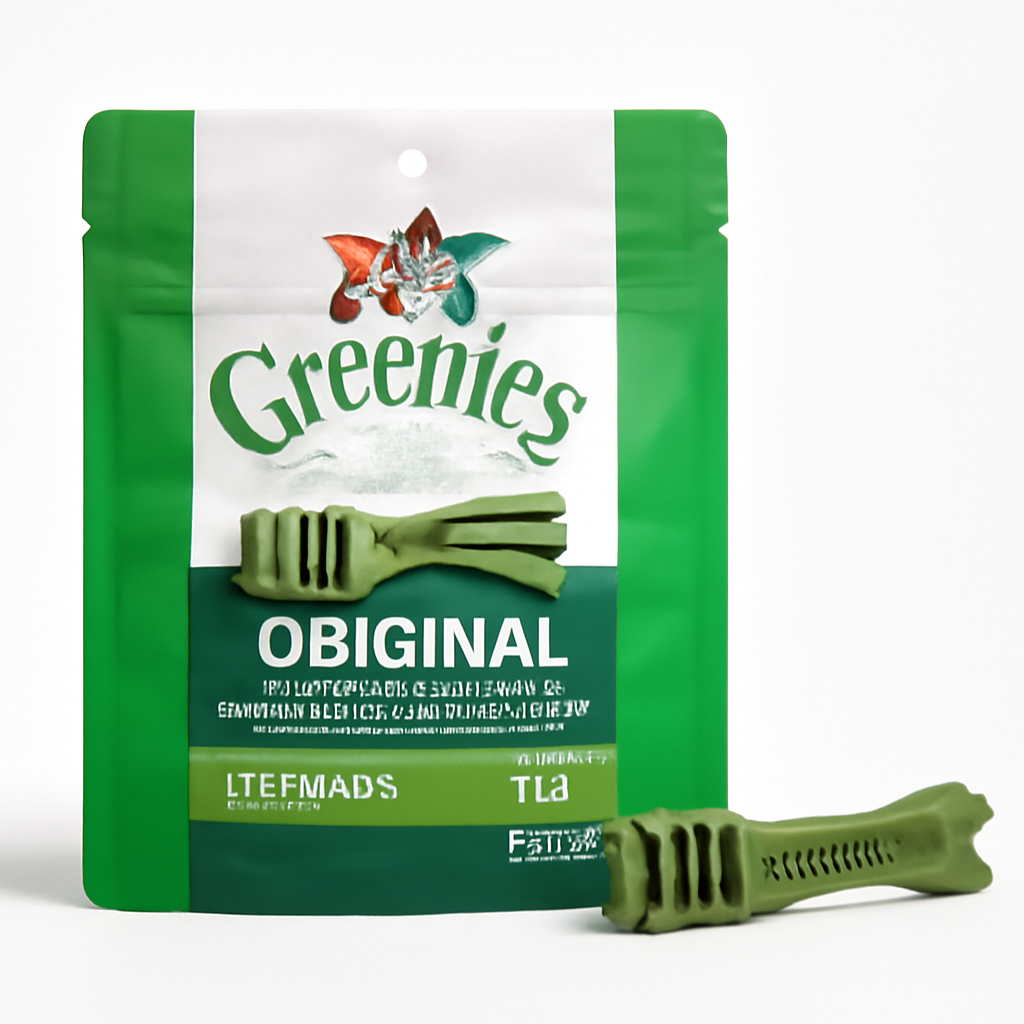
1. Greenies Original Dental Treats — Best Overall
Greenies is the chew most people picture when they think “dental treat,” and it earns the reputation. It carries the VOHC seal, has a chewy-but-firm texture that flexes to reach the gumline, and comes in size-specific formulas from Teenie to Large. It’s designed to be digestible, which matters for dogs that don’t savor their treats.
Pros
– VOHC Seal of Acceptance
– Size-specific shapes that encourage real chewing
– Widely available; easy to find your dog’s size
– Chewable texture that’s gentle on teeth
Cons
– Higher calorie count than some competitors
– Premium price per chew
– Not grain-free (may not suit dogs with specific sensitivities)
Best for: Most dogs whose owners want a proven, mainstream option.
—
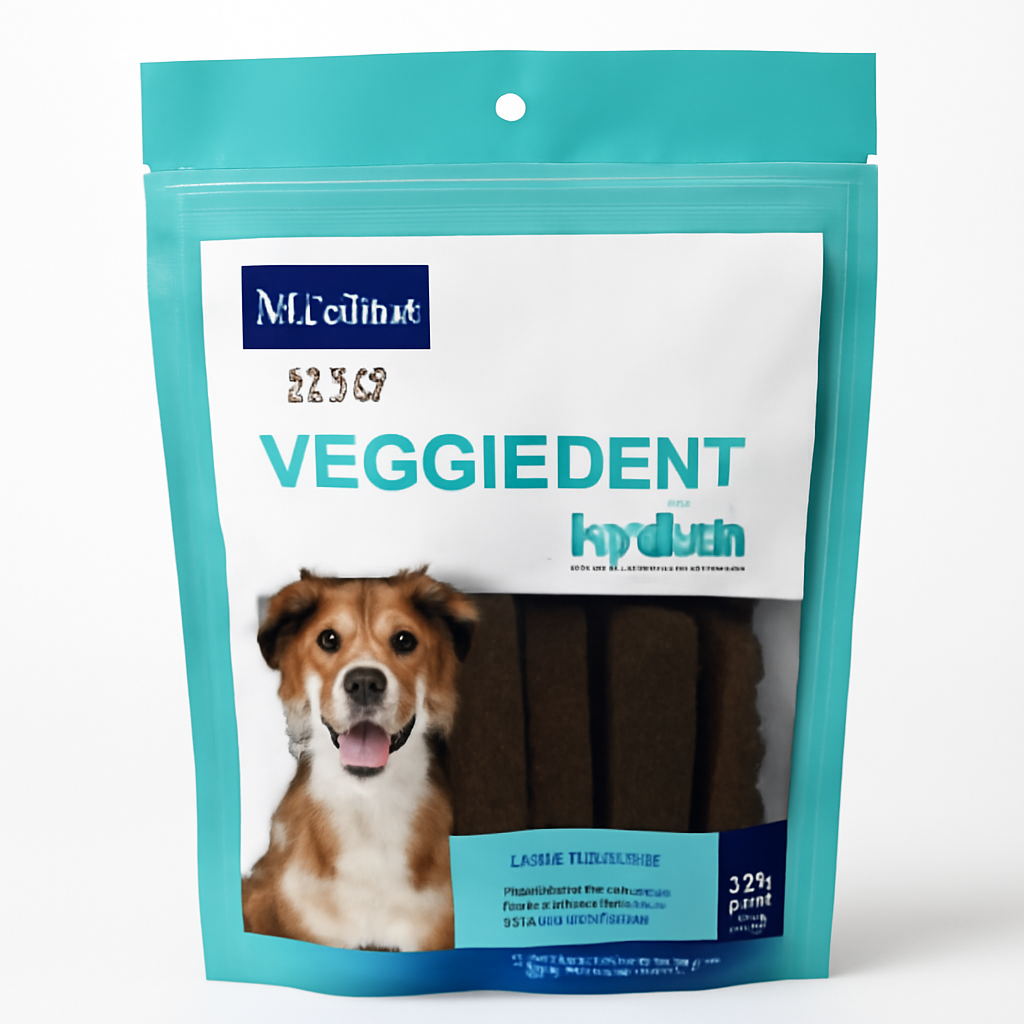
2. Virbac C.E.T. VeggieDent Fr3sh — Best for Sensitive Stomachs
Developed by Virbac, a veterinary-focused company, VeggieDent Fr3sh is a plant-based, VOHC-accepted chew with a Z-shaped design that promotes prolonged chewing. Because it skips animal proteins, it’s a strong pick for dogs with certain protein sensitivities, and the ingredient list is relatively short.
Pros
– VOHC accepted
– Plant-based, easy on sensitive stomachs
– Shape designed to extend chewing time
– Freshens breath noticeably
Cons
– Often sold through vets/pet specialty channels
– Can be pricier per chew
– Some dogs need a texture adjustment period
Best for: Dogs with sensitive digestion or protein allergies.
—
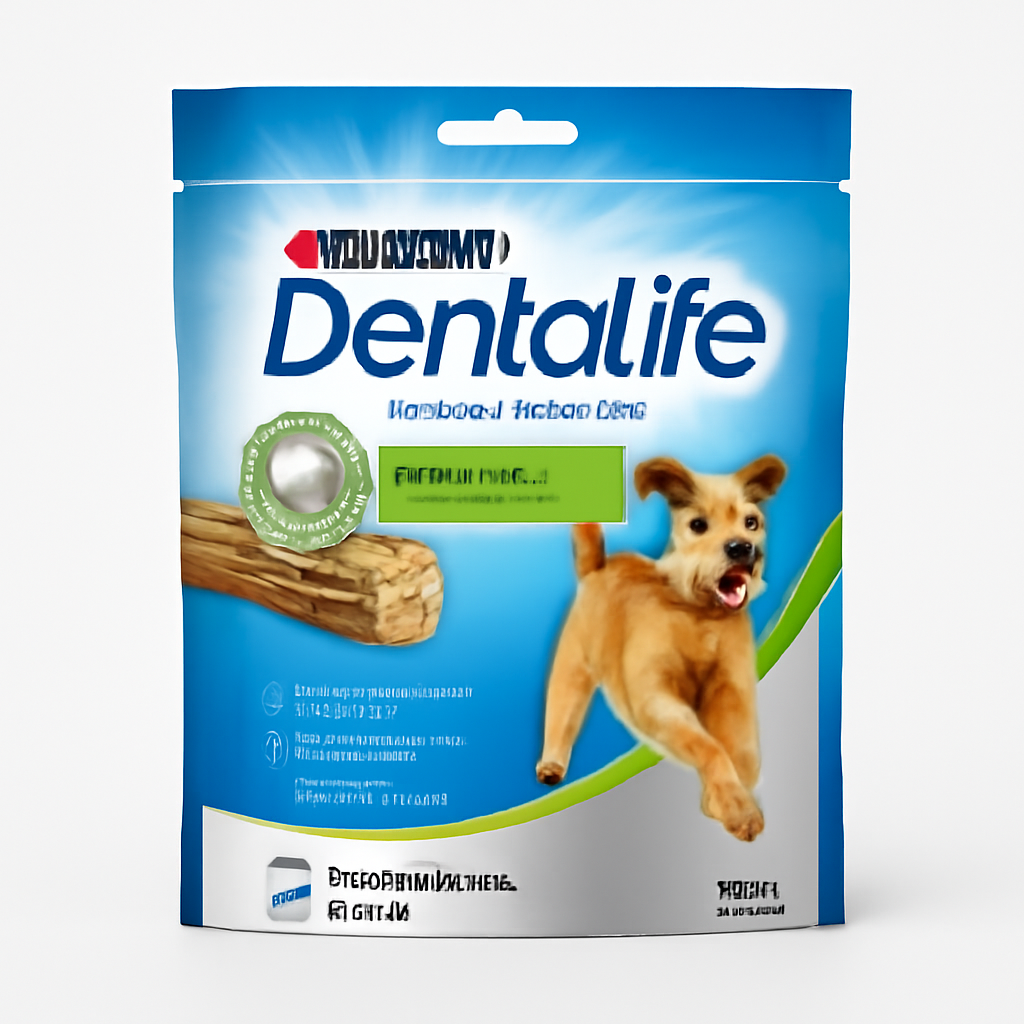
3. Purina DentaLife Daily Oral Care — Best Value
DentaLife uses a porous, ridged texture engineered to reach teeth as the dog chews, and it’s VOHC accepted while typically costing less per chew than premium rivals. It comes in multiple sizes, including a robust large-breed version.
Pros
– VOHC accepted
– Budget-friendly per-chew cost
– Porous texture reaches back teeth
– Good size range, including large breeds
Cons
– Ingredient list is longer/less “natural”
– Softer chewers may finish it quickly
Best for: Multi-dog households and large breeds where cost per chew adds up.
—
4. Whimzees by Wellness — Best Grain-Free / Natural Option
If you want a shorter, plant-based ingredient list, Whimzees are grain-free, made with limited ingredients, and come in fun shapes (brushes, sticks, alligators) with grooves meant to scrub teeth. Note they are not currently VOHC-listed, so view the dental benefit as primarily mechanical.
5. OraVet Dental Hygiene Chews — Best for Bad Breath and Tartar
OraVet chews add a coating (delmopinol) intended to create a barrier that makes it harder for bacteria to attach — targeting both breath and tartar buildup. They’re VOHC accepted and a good pick if odor is your main complaint.
Choosing the Right Chew for Your Dog’s Size and Age
The best chew for a Chihuahua is a hazard for a Rottweiler, and vice versa. Match the chew to the dog.
– Toy/small breeds (under ~25 lbs): Choose the smallest size offered (e.g., Greenies Teenie/Petite). Watch calories closely — one large chew can be a big chunk of a small dog’s daily intake.
– Medium breeds (~25–50 lbs): Most standard sizes fit. This is the easiest group to shop for.
– Large/giant breeds (50 lbs+): Size up. A chew that’s too small gets gulped, skipping the cleaning and raising choking risk.
– Puppies: Wait until adult teeth are in and check the label for a minimum age (often around 6 months). Puppy teeth and jaws are more delicate.
– Seniors: Older dogs may have weaker teeth or existing dental disease. Softer, flexible chews (like Greenies) are gentler than dense ones — and get a vet’s okay if there’s known dental disease.
Safety, Calories, and How Often to Give Dental Chews
Dental chews are effective and safe only when used sensibly.
– Frequency: Once daily is the standard for most VOHC-accepted dental chews — that’s the routine they’re tested around. More isn’t better and just piles on calories.
– Calories: Treats (including dental chews) should stay within roughly 10% of daily calories. Check the per-chew calorie count against your dog’s needs, especially for small breeds.
– Supervise every chew. Never leave a dog alone with one. The main risks are choking and swallowing large pieces.
– Pick the right hardness. Avoid antlers, hooves, real bones, and hard nylon — fractured teeth are a common, expensive vet visit.
– Watch for GI upset. Introduce any new chew gradually; loose stool can happen during the switch.
– Not a brushing replacement. The gold standard is daily brushing plus a dental chew and regular professional cleanings.
Frequently Asked Questions About Dog Dental Chews
Do dental chews actually work, or is it marketing?
The VOHC-accepted ones have demonstrated measurable plaque and/or tartar reduction in testing. They work best as a supplement to brushing, not a replacement. Non-VOHC chews may still help mechanically, but the benefit is unproven.
How long until I see results?
Dental chews prevent new buildup rather than remove existing tartar. With daily use you may notice fresher breath within a couple of weeks, but hardened tartar already on the teeth needs a professional cleaning.
Can dental chews replace brushing or a vet cleaning?
No. Brushing reaches surfaces chews can’t, and only a vet can remove tartar below the gumline. Think of chews as daily maintenance between the real cleanings.
Are dental chews safe for aggressive chewers?
Choose a firm, digestible, appropriately sized chew and always supervise. Avoid rawhide and rock-hard chews. If your dog inhales treats whole, size up so they’re forced to chew.
How many should I give per day?
Follow the label — usually one per day. Count the calories toward your dog’s daily total and adjust meals if needed.
Are grain-free dental chews better?
Not inherently. Grain-free matters if your dog has a specific sensitivity, but grain itself isn’t the enemy. Prioritize the VOHC seal and correct size over the grain-free label.
Our Verdict
If you want a chew that’s actually been shown to do something, buy VOHC-accepted first and worry about the brand second.
– For most dogs, Greenies Original Dental Treats is the easiest recommendation — proven, widely available, and gentle on teeth.
– For sensitive stomachs or protein allergies, go with Virbac C.E.T. VeggieDent Fr3sh.
– For value or multi-dog and large-breed households, Purina DentaLife delivers VOHC-backed cleaning at a lower cost per chew.
– If bad breath is your main issue, try OraVet; if you prefer a natural, grain-free ingredient list, Whimzees is a solid mechanical cleaner.
Whichever you pick, pair it with regular brushing and yearly vet dental checks. A daily chew is the easy 80% — but it’s the routine, not the brand, that keeps your dog’s mouth healthy in 2026.
Always check current pricing and confirm the current VOHC accepted-products list before buying, and talk to your vet if your dog has existing dental disease.