If your dog pulls like a freight train, slips out of their collar, or comes home with a sore neck after every walk, you already know a good harness isn’t optional — it’s the single best upgrade you can make to daily walks. But the market is flooded with options, and the wrong harness can chafe, restrict shoulder movement, or fall apart in a month.
We tested the most popular dog harnesses of 2026 across breeds, pulling styles, and price points. Here’s what actually held up.
Quick Answer
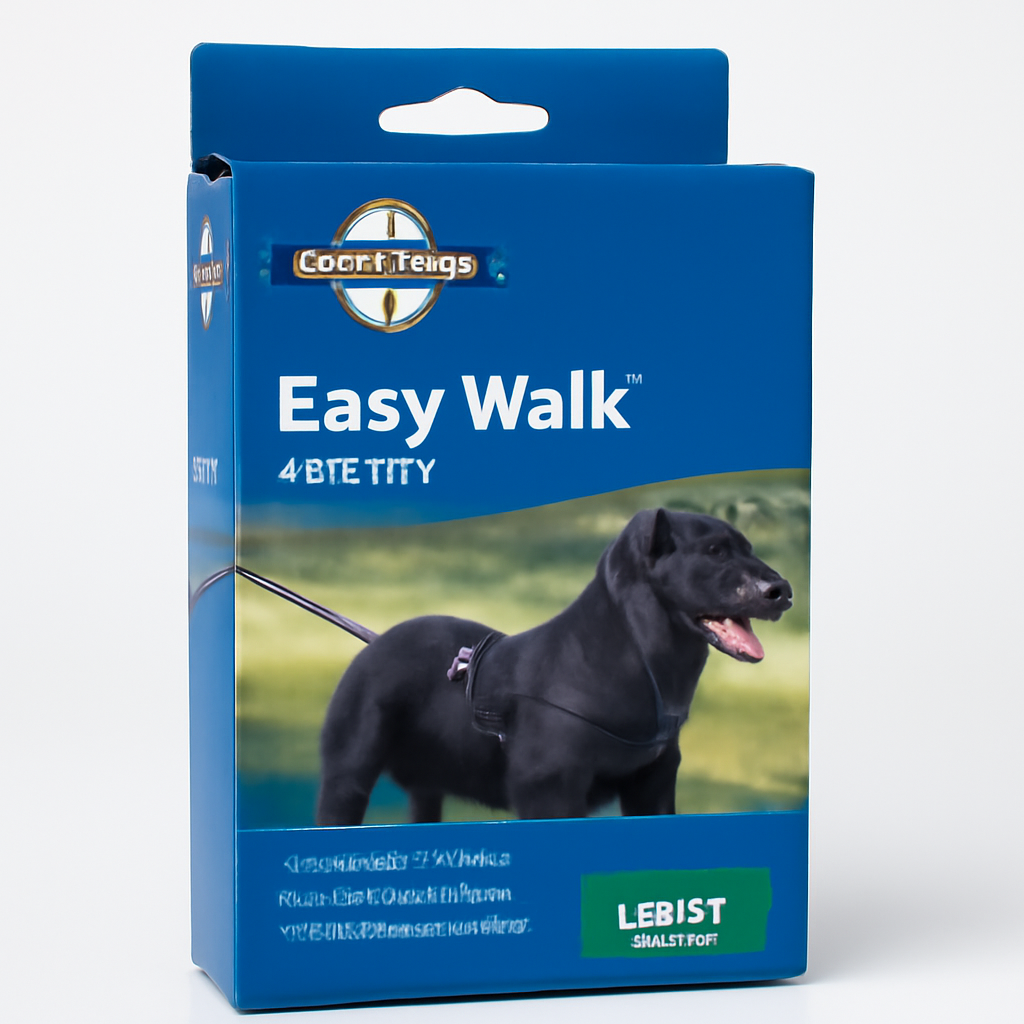
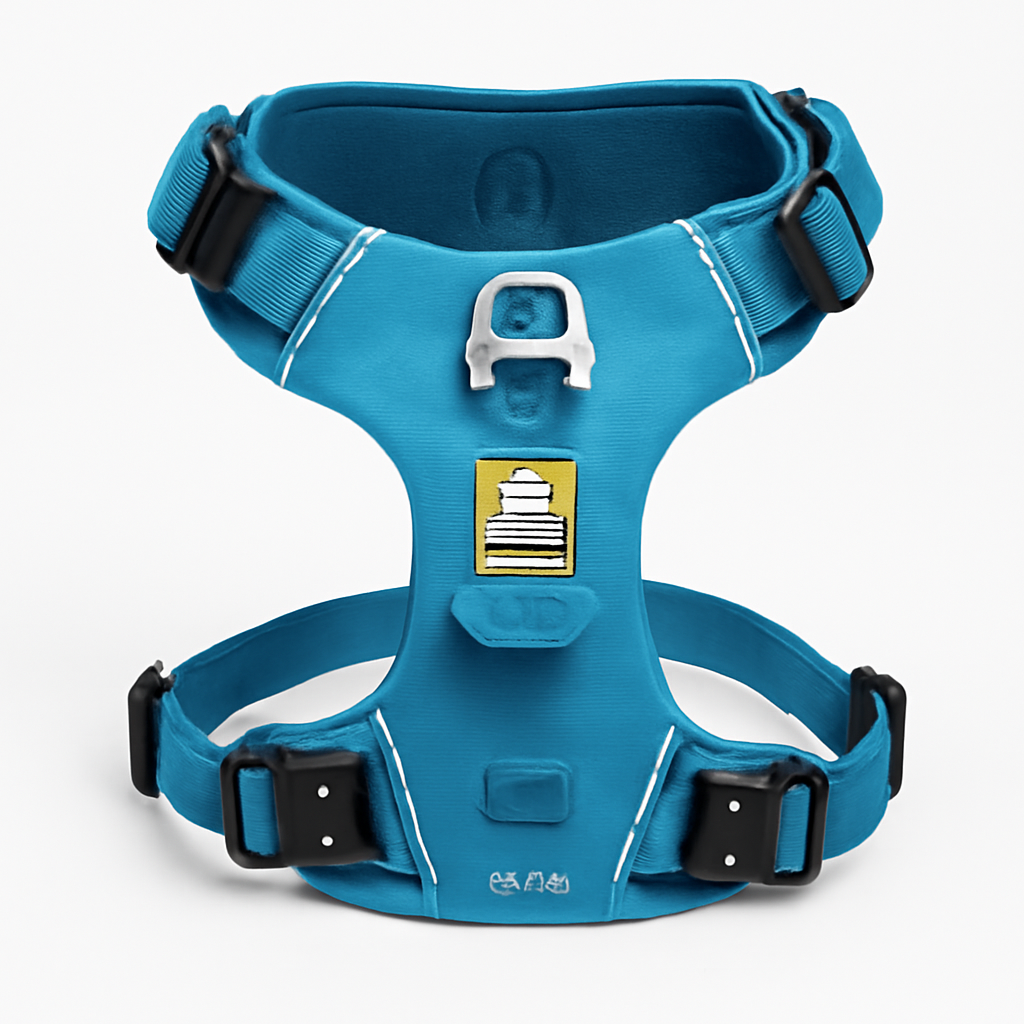
For most dogs, the [Ruffwear Front Range](#) is the best overall harness in 2026 — it balances comfort, durability, and control better than anything else we tested. If your dog is a hard puller, the [PetSafe Easy Walk](#) front-clip design gives you the most steering power for the least money. On a tight budget, the [Rabbitgoo No-Pull Harness](#) delivers surprising quality under $30.
—
Top Picks at a Glance
| Product | Best For | Price Range |
| Ruffwear Front Range | Best overall / all-around use | |
| PetSafe Easy Walk | Strong pullers on a budget | |
| Rabbitgoo No-Pull Harness | Best budget under $30 | |
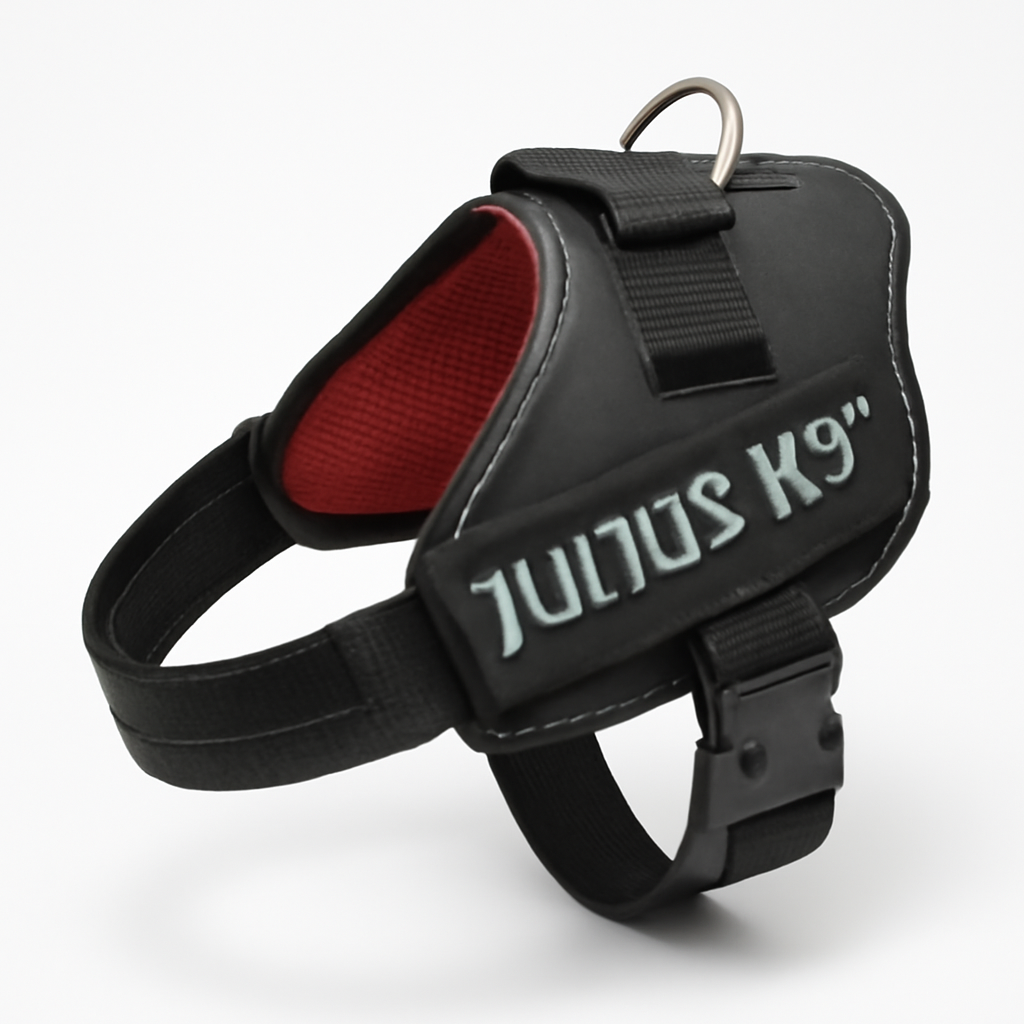
| Julius-K9 IDC Powerharness | Large & working breeds | |
| Kurgo Tru-Fit | Car safety / travel | |
| 2 Hounds Design Freedom | Dogs prone to chafing | |
| Blue-9 Balance Harness | Custom fit / training |
—
What to Look for in a Dog Harness (Buyer’s Guide)
Not all harnesses solve the same problem. Before you buy, get clear on what you actually need.
Clip Position: Front, Back, or Both
– Back-clip harnesses (leash attaches between the shoulder blades) are comfortable and easy to put on, but they give you almost no leverage against a puller. Best for small dogs and already-trained walkers.
– Front-clip harnesses attach at the chest and redirect a pulling dog back toward you. This is the single most effective feature for reducing pulling.
– Dual-clip harnesses give you both, which is why most of our top picks include them.
Fit and Adjustability
Look for at least four adjustment points. Two-point harnesses are quicker to fit but rarely sit correctly on deep-chested or barrel-chested breeds. A good harness should let you slide two fingers under any strap without the whole thing shifting.
Freedom of Shoulder Movement
Cheap harnesses often run a strap straight across the front of the shoulders, which restricts the natural gait and can cause long-term joint strain. Y-front designs (like the Ruffwear and Blue-9) sit below the throat and let the front legs move freely.
Materials and Durability
Check for:
– Padded chest and belly panels to prevent chafing
– Reinforced, bar-tacked stitching at stress points
– Rust-proof, welded metal hardware — plastic buckles are fine for small dogs but a liability on large pullers
Safety Extras
Reflective trim for low-light walks, a sturdy top handle for lifting or restraining, and a collar-attachment loop are the details that separate a good harness from a great one.
—
How We Tested and Ranked These Harnesses
We didn’t just read spec sheets. Over several weeks, we evaluated each harness across five categories:
1. Pull control — how effectively it reduced or redirected pulling on real walks
2. Comfort & fit — chafing, pressure points, and range of motion across body types
3. Durability — stitching, hardware, and material wear after repeated use
4. Ease of use — how quickly it goes on and off, and how intuitive the adjustments are
5. Value — performance relative to price
We tested across a range of breeds and sizes — from a wiry terrier to a broad-chested Labrador and a lanky hound — because a harness that fits one body type can fail completely on another. Rankings below reflect the balance of all five categories, not a single standout feature.
—
Best Overall Dog Harness for 2026
Ruffwear Front Range
The Ruffwear Front Range wins our top spot for the same reason it’s been a favorite for years: it does everything well and nothing poorly. The Y-front design keeps the shoulders free, the four adjustment points dial in a precise fit, and the padding is genuinely comfortable without being bulky.
It has both a reinforced front clip for training and a back clip for relaxed walks, plus a light-catching reflective trim and an ID pocket on the back. The build quality is a clear step above budget harnesses — the stitching and buckles feel like they’ll last for years.
Pros:
– Excellent all-around comfort and shoulder freedom
– Dual clips (front + back) for control and everyday use
– Durable materials and hardware that outlast cheaper rivals
– Four points of adjustment for a dialed-in fit
Cons:
– Not the cheapest option
– Very strong, dedicated pullers may still need a front-clip-focused trainer
Bottom line: If you want one harness that works for the vast majority of dogs and walking situations, this is it.
—
Best No-Pull Harness for Strong Pullers
PetSafe Easy Walk
If your dog turns every walk into a tug-of-war, the PetSafe Easy Walk is the most cost-effective fix we found. Its front-chest attachment point tightens gently across the chest and shoulders when your dog surges forward, steering them back toward you instead of letting them lean into the pull.
It’s not a plush, do-everything harness — it’s a focused training tool. The martingale-style front loop is what makes the no-pull effect work, and for many owners the difference on the very first walk is dramatic.
Pros:
– Highly effective at reducing pulling immediately
– Simple to fit with quick-snap buckles
– Affordable
Cons:
– Front-clip only — no back attachment
– The chest strap can rub if sized too tightly, so fit matters
– Less padding than premium options
Bottom line: The best value in pull control. Pair it with training, not as a permanent crutch.
For very large or powerful working dogs, consider the Julius-K9 IDC Powerharness instead — its heavy-duty chest plate and welded hardware are built for serious strength, and the sturdy top handle gives you real control over big dogs.
—
Best Budget Dog Harness Under $30
Rabbitgoo No-Pull Harness
The Rabbitgoo No-Pull Harness punches well above its price. For under $30, you get a dual-clip design (front and back), four adjustment straps, padded panels, reflective stitching, and a top handle — a feature set that used to be reserved for harnesses costing far more.
Is it as refined as the Ruffwear? No. The materials are a notch below, and the hardware, while solid, isn’t quite as heavy-duty. But for casual walkers, puppies you’ll size out of, or anyone who wants no-pull functionality without the premium price, it’s the clear budget winner.
Bottom line: The best harness you can buy for under $30, and a smart pick for growing puppies.
Another strong budget-to-midrange option is the Kurgo Tru-Fit, which doubles as a crash-tested car safety harness — ideal if your dog rides in the car often and you want one product to cover walks and travel.
—
Harness Sizing and Fit Guide by Breed
The number one reason a harness fails isn’t the harness — it’s the fit. Here’s how to get it right.
How to Measure
You need two measurements:
1. Girth — the circumference of the widest part of the chest, just behind the front legs
2. Neck/chest — where the top strap or Y-front will sit
Always measure your dog and check the manufacturer’s chart. Sizes are not consistent across brands.
General Guidance by Body Type
| Breed / Body Type | Fit Considerations | Harness Style |
| Small & toy (Chihuahua, Yorkie) | Lightweight, soft padding, no bulky hardware | Back-clip or soft vest |
| Medium athletic (Border Collie, Aussie) | Shoulder freedom, dual-clip flexibility | Y-front, dual-clip |
| Deep-chested (Greyhound, Boxer) | Escape-proofing; a snug, adjustable fit | 4+ adjustment points |
| Broad/barrel-chested (Bulldog, Pug) | Wide chest panel, airflow, no throat pressure | Padded Y-front |
| Large & powerful (Lab, German Shepherd, Husky) | Reinforced hardware, top handle, front clip | Heavy-duty (e.g. Julius-K9) |
The Two-Finger Rule
Once fitted, you should be able to slide two fingers flat under any strap. Tighter than that risks chafing; looser and your dog can wriggle out or the harness will rotate. Re-check the fit every few weeks — dogs gain and lose weight, and puppies grow fast.
For dogs prone to rubbing, the 2 Hounds Design Freedom No-Pull has a velvet-lined strap along the belly specifically to prevent chafing, and the Blue-9 Balance Harness offers the most granular adjustability of anything we tested — genuinely useful for hard-to-fit or in-between-size dogs.
—
Frequently Asked Questions About Dog Harnesses
Are harnesses better than collars for dogs?
For walking, generally yes. A harness distributes pressure across the chest instead of the throat, which is safer for your dog’s trachea — especially important for small breeds, brachycephalic (flat-faced) dogs, and any dog that pulls. Collars are still fine for holding ID tags.
Do no-pull harnesses actually work?
Front-clip no-pull harnesses like the PetSafe Easy Walk work by redirecting your dog’s momentum rather than letting them lean into the pull. They meaningfully reduce pulling for most dogs, but they work best alongside basic loose-leash training — think of them as a tool, not a cure.
Can a dog wear a harness all day?
It’s best to take the harness off when your dog is unsupervised or resting for long stretches. Even a well-fitted harness can cause matting or rubbing over time, and giving the skin a break prevents irritation.
How do I stop my dog escaping their harness?
Escapes almost always come down to fit. Use a harness with a second belly strap or extra adjustment points, tighten to the two-finger rule, and for determined escape artists, choose a design that wraps further back on the body. Deep-chested breeds like Greyhounds especially benefit from a snug, multi-point fit.
How often should I replace a dog harness?
Inspect it regularly for frayed stitching, cracked buckles, or thinning straps. A quality harness can last for years; a cheap one under heavy pulling may need replacing within a year. Hardware failure is the main safety concern, so check the clips and metal parts often.
—
Our Verdict
After testing across breeds, pulling styles, and budgets, here’s where we land for 2026:
– Best overall: the Ruffwear Front Range. It’s the harness we’d recommend to almost any dog owner — comfortable, durable, and controlled, with dual clips that adapt to any walk.
– Best for strong pullers on a budget: the PetSafe Easy Walk. The most effective pull-reduction for the money.
– Best budget pick: the Rabbitgoo No-Pull Harness. Premium features under $30, and ideal for growing puppies.
If you only buy one and want it to last, spend a little more on the Ruffwear. If pulling is your core problem, start with the Easy Walk and pair it with training. Whichever you choose, remember that fit beats brand every time — measure your dog, follow the two-finger rule, and re-check the fit as they grow and change.
Prices change frequently — check the current price at each link before you buy.