Quick answer: For most hikers in 2026, the best all-around hiking backpack is the Osprey Atmos AG 65 thanks to its Anti-Gravity suspension and load-hauling comfort. If you mostly do day hikes, the Osprey Talon 22 is the smarter, lighter pick. Ultralight thru-hikers should look at the Hyperlite Mountain Gear Southwest 3400, while budget-focused buyers get remarkable value from the REI Co-op Flash 55. Read on for how to match a pack to your trips.
The wrong backpack turns a great trail into a shoulder-aching slog. The right one disappears on your back and lets you focus on the hike. This guide breaks down exactly how to choose, what features actually matter, and which specific packs are worth your money in 2026.
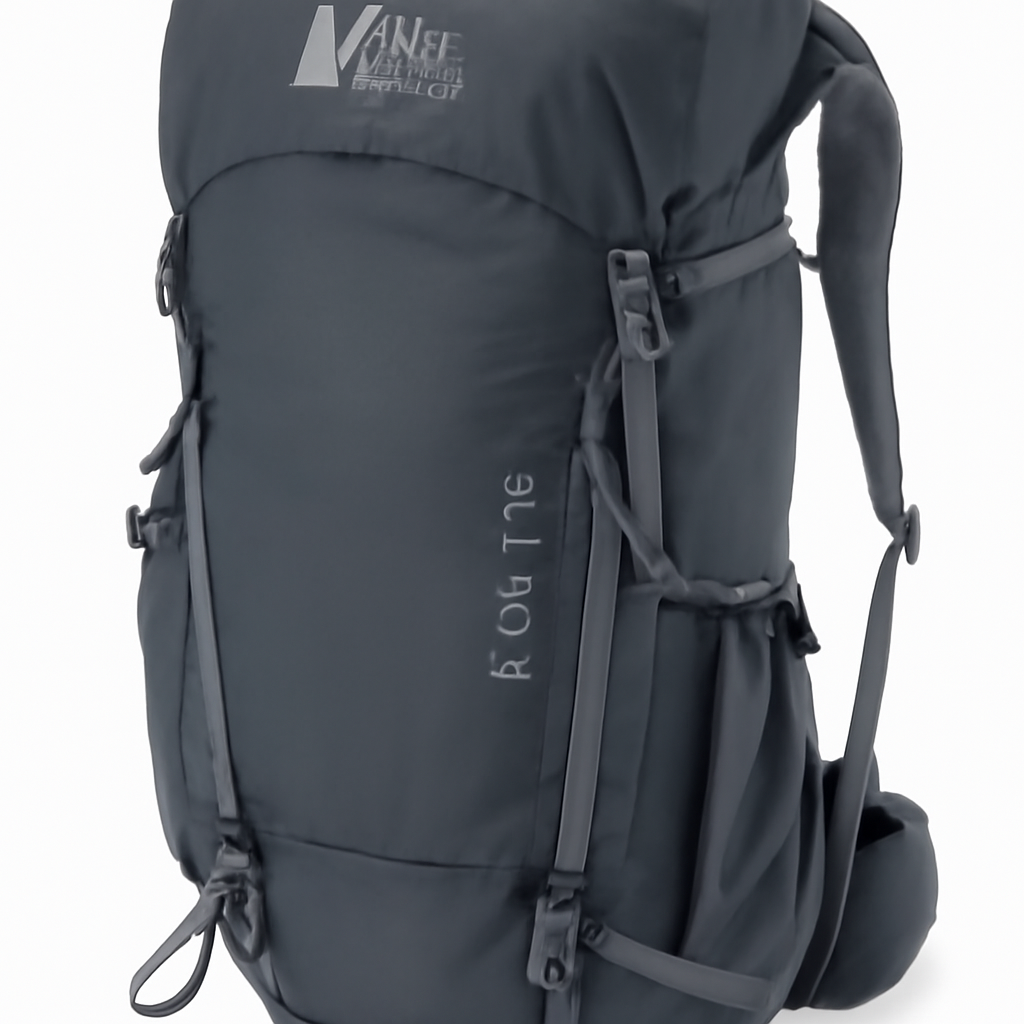
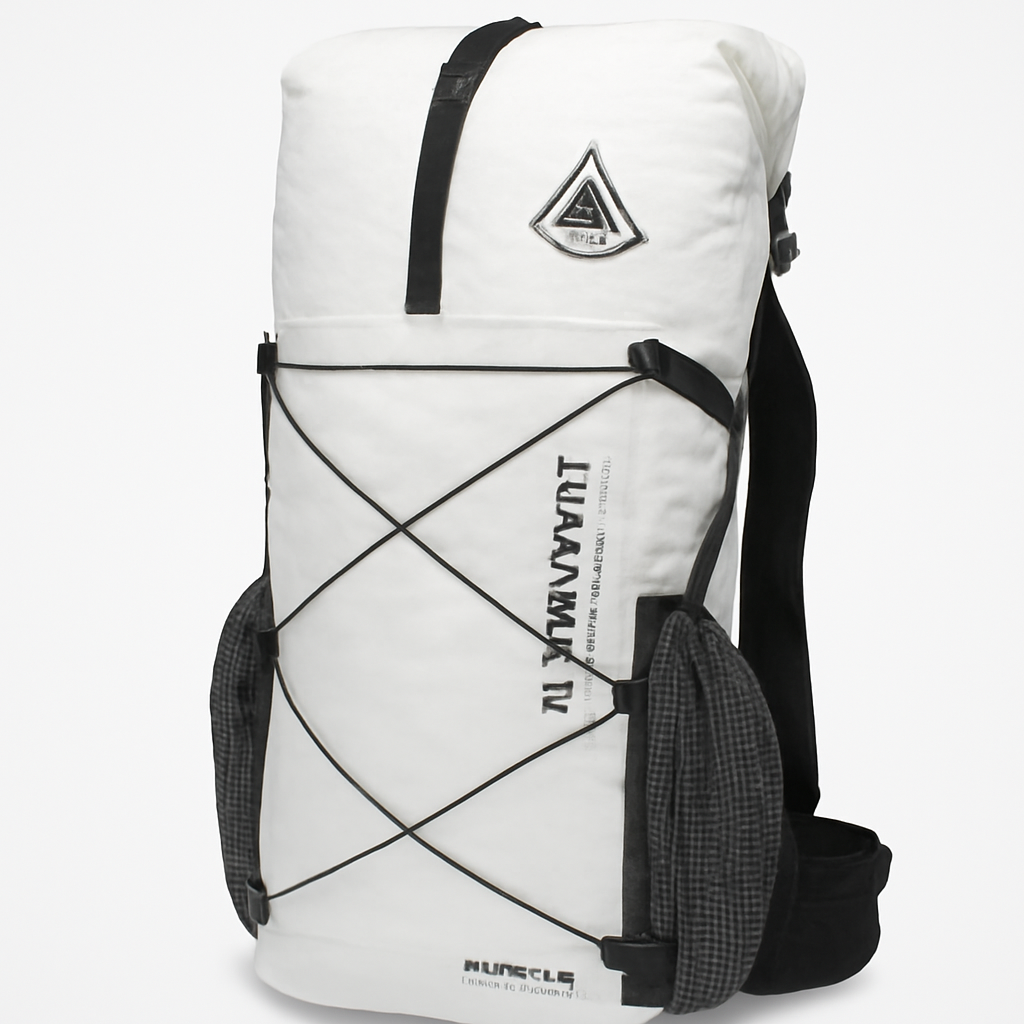
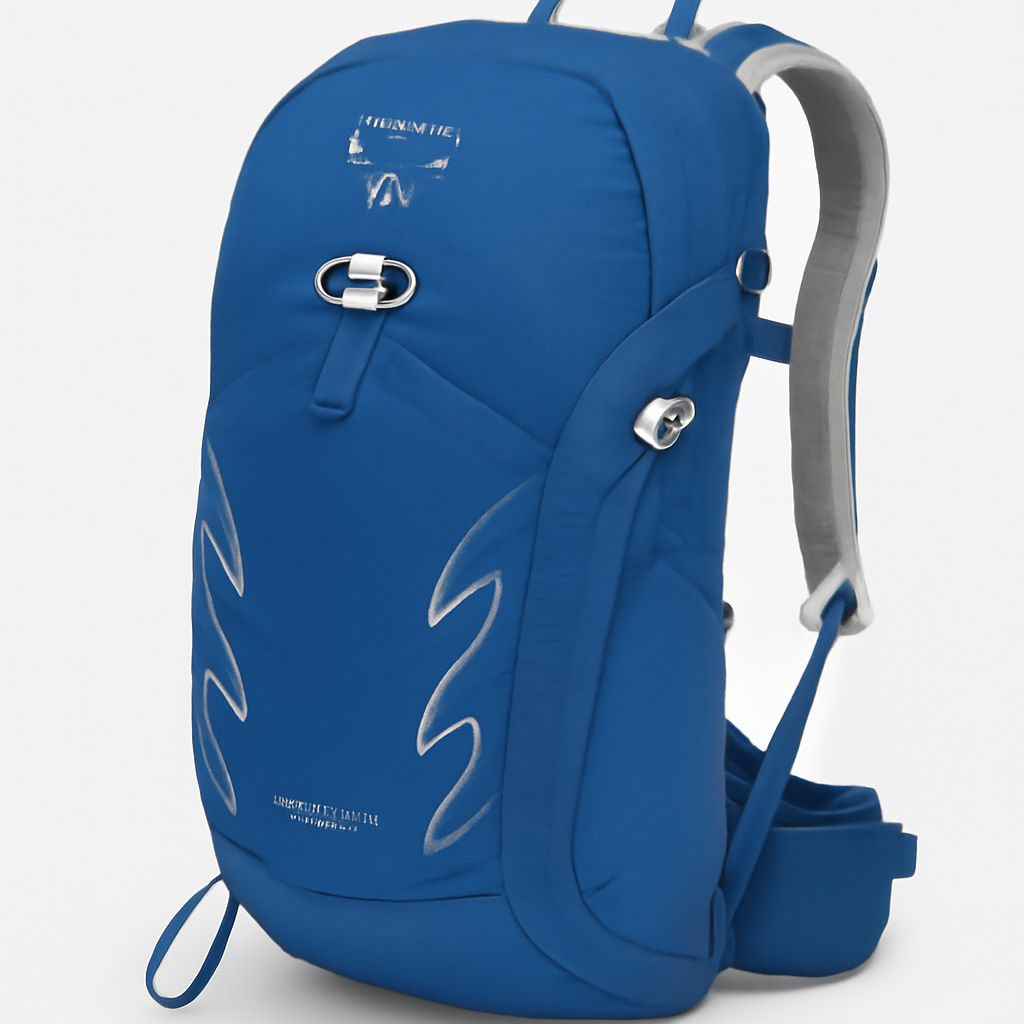
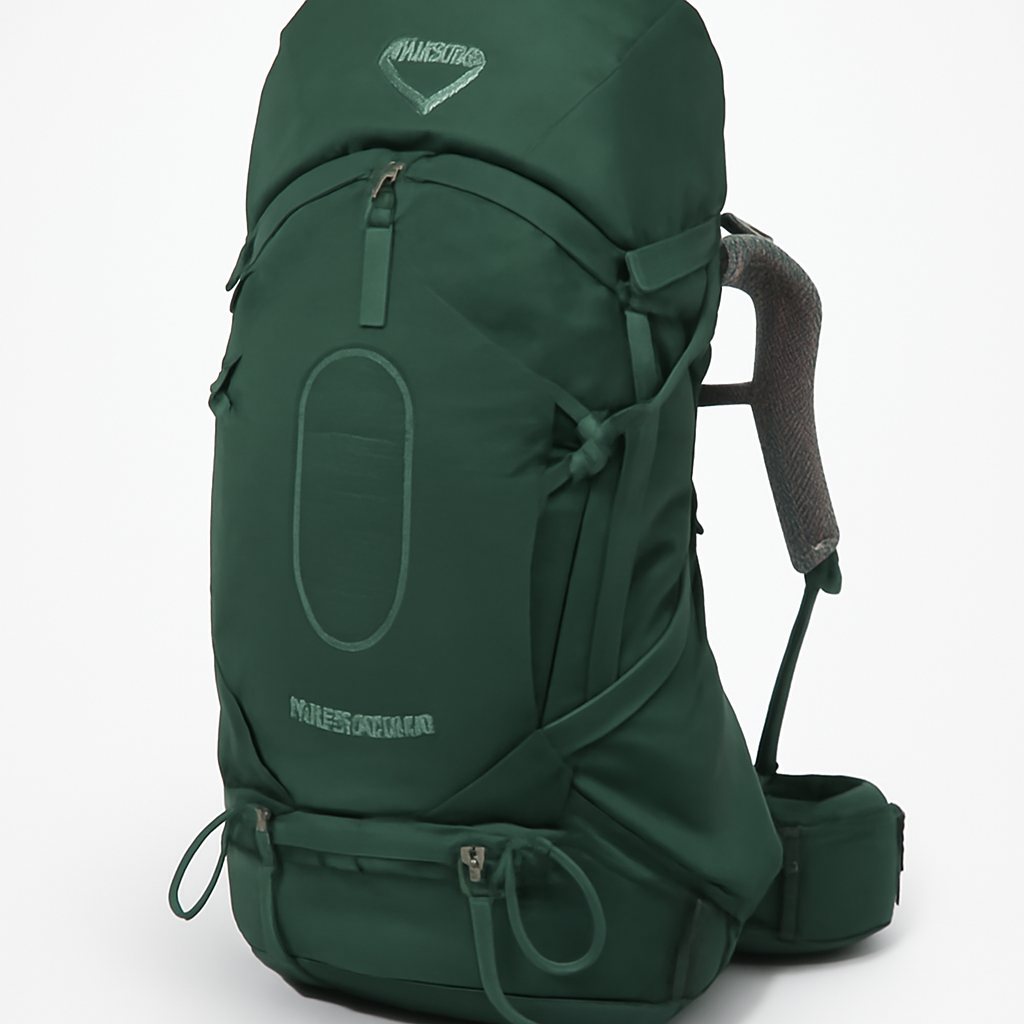
—
How to Choose the Best Hiking Backpack in 2026
Before you compare brands, answer three questions. They decide 90% of your choice.
1. What kind of hiking do you actually do?
Be honest about your typical trip, not your dream trip. A pack sized for a week in the backcountry is overkill — and uncomfortable — on a 3-hour local loop.
– Day hikes (2–8 hours): 15–30 liters
– Overnight / weekend (1–2 nights): 35–50 liters
– Multi-day backpacking (3–5 nights): 50–70 liters
– Extended / winter expeditions: 70+ liters
2. How much are you carrying, and how heavy?
Heavier loads (25+ lbs) demand a real suspension system and a supportive hip belt. Light loads let you get away with a frameless, minimalist pack that saves weight.
3. How does it fit your body?
This is the one most beginners skip and later regret. A technically superior pack that doesn’t match your torso length will never be comfortable. We cover sizing in depth below — don’t ignore it.
The biggest mistake in 2026 is still the same as it’s always been: buying too much pack. Bigger isn’t better. A half-empty 65L bag rides worse than a properly-filled 45L bag. Buy for your real trips.
—
Key Features to Look For (Capacity, Fit & Frame)
Capacity (Liters)
Capacity is measured in liters and describes total volume. Use the ranges above as your anchor. Remember that stated capacity varies slightly between brands, and how you pack matters as much as the number.
Frame Type
– Internal frame: The standard today. Aluminum stays or a framesheet transfer weight to your hips while keeping the load close to your back for balance. Best for most hikers.
– Frameless: Ultralight packs that rely on your gear (or a foam pad) for structure. Fantastic weight savings, but only comfortable under ~25 lbs and with disciplined packing.
– External frame: Rare now, but still useful for very heavy, bulky loads and hot climates thanks to airflow.
Suspension & Ventilation
Suspension is how the pack transfers weight to your hips and keeps it off your shoulders. Tensioned mesh backpanels (like Osprey’s Anti-Gravity) create airflow so your back doesn’t turn into a swamp on climbs. If you hike in heat, prioritize this.
Hip Belt
For any load over ~20 lbs, 70–80% of the weight should ride on your hips, not your shoulders. A padded, wraparound hip belt with its own pockets is essential. Look for belts that can be adjusted or swapped for your waist size.
Access & Organization
– Top-loading: Simple, weather-resistant, lighter.
– Panel / front-zip access: Get to gear at the bottom without unpacking everything. Great for organized hikers.
– Pockets: Hip-belt pockets (snacks, phone), stretch front pocket (wet rain layer), and side water-bottle pockets you can reach while walking.
Weight
Every ounce you carry is an ounce your legs pay for. A traditional 65L pack might weigh 4.5–5 lbs empty; an ultralight equivalent can be under 2 lbs. Balance weight savings against durability and comfort.
—
Best Hiking Backpacks for Day Hikes
Day hikes reward a lightweight, agile pack that carries water, snacks, layers, and the ten essentials without bouncing around.
Osprey Talon 22
The Talon 22 (and its women’s-specific counterpart, the Osprey Tempest 20) is the benchmark day-hiking pack. It’s light, close-fitting, and moves with you on scrambly terrain, with thoughtful touches like trekking-pole attachment and an integrated tool pocket.
Pros:
– Excellent ventilated backpanel for hot days
– Comfortable well beyond its size class
– Smart pocket layout and pole carry
Cons:
– Not enough capacity for cold-weather day trips with lots of layers
– Fixed sizing means you must pick the right torso size up front
Gregory Zulu 30
If you want a little more room for bulkier layers, camera gear, or shared group items, the Zulu 30 steps up capacity while keeping a ventilated, suspended backpanel. It rides well on longer, warmer day hikes where a 22L pack feels cramped.
For minimalist trail runners and fast-and-light hikers, a hydration-focused vest pack is worth considering instead — but for classic day hiking, the Talon 22 is our pick.
—
Best Hiking Backpacks for Multi-Day & Backpacking Trips
When you’re carrying a tent, sleeping bag, stove, and multiple days of food, comfort under load becomes everything.
Osprey Atmos AG 65 — Best Overall
The Atmos AG 65 remains the pack most experienced backpackers recommend to newcomers. Its Anti-Gravity suspension wraps a continuous mesh panel from the top of the back to the hip belt, spreading weight so evenly that heavy loads feel noticeably lighter. The women’s version is the Osprey Aura AG 65.
Pros:
– Outstanding load transfer and all-day comfort
– Excellent ventilation on hot climbs
– Adjustable harness and hip belt dial in the fit
Cons:
– Heavier than ultralight competitors
– The floating mesh design slightly reduces usable body-contact packing space
Hyperlite Mountain Gear Southwest 3400 — Best Ultralight
Built from waterproof Dyneema Composite Fabric, the Southwest 3400 is a favorite of thru-hikers who count grams. It’s remarkably light, highly weather-resistant, and durable for its weight. The tradeoff: a simpler suspension that shines under lighter loads and demands more disciplined packing.
Pros:
– Exceptionally light for its ~55L capacity
– Highly water-resistant Dyneema construction
– Roll-top closure sheds rain well
Cons:
– Less forgiving with very heavy loads
– Minimal organization compared to traditional packs
REI Co-op Flash 55 — Best Value
The Flash 55 hits a sweet spot between weight, comfort, and price. It’s genuinely lightweight, has a removable lid and hip-belt components to shed ounces, and carries moderate loads comfortably — an ideal first backpacking pack.
Gregory Baltoro 65 — Best for Heavy Loads
If you routinely haul heavier or bulkier loads, the Baltoro’s plush, responsive suspension and auto-adjusting components are hard to beat. It’s on the heavier side empty, but it earns that weight when the pack is full.
—
Top Picks at a Glance
| Product | Best For | Price Range |
| Osprey Atmos AG 65 | Best overall backpacking | |
| Osprey Talon 22 | Day hikes | |
| Hyperlite Southwest 3400 | Ultralight thru-hiking | |
| REI Co-op Flash 55 | Best value / first pack | |
| Gregory Baltoro 65 | Heavy loads | |
| Gregory Zulu 30 | Longer day hikes |
—
Sizing and Fit: Getting the Right Torso Length
Here’s the truth most buyers learn too late: backpack fit is based on torso length, not your height. Two people who are both 5’10” can need different pack sizes.
How to Measure Your Torso Length
You’ll want a friend and a soft tape measure.
1. Find the C7 vertebra — the bony bump at the base of your neck when you tilt your head forward.
2. Find your iliac crest — put your hands on your hips with thumbs pointing back; the shelf of your hip bones is the bottom point.
3. Measure the distance along the curve of your spine between those two points. That number is your torso length.
Compare it to each brand’s size chart:
– Short: ~15–17 inches
– Medium / Regular: ~18–19 inches
– Long / Tall: ~20+ inches
Dialing In the Fit
1. Loosen all straps, then load the pack with ~15–20 lbs so it fits like it will on trail.
2. Set the hip belt first — center it over your hip bones and tighten. This is where the weight rides.
3. Snug the shoulder straps, then tighten the load-lifter straps at the top of the shoulders to about a 45° angle.
4. Fasten the sternum strap to stabilize.
When it’s right, most of the weight sits on your hips, the shoulder straps wrap without gaps, and nothing digs in. Many packs (like the Atmos AG) have adjustable harnesses so you can fine-tune torso length at home.
Women’s-Specific Fit
Women’s models — the Osprey Aura AG 65 and Osprey Tempest 20, for example — feature shorter torso ranges, contoured shoulder straps, and hip belts shaped for a wider range of body types. Anyone with a shorter torso or narrower shoulders should try these regardless of gender.
—
Materials, Durability & Weather Resistance
Common Fabrics
– Nylon (210D–630D): The workhorse. Higher denier (D) means tougher, heavier fabric. Ripstop weaves resist tears spreading.
– Polyester: Often cheaper, decent UV resistance, common on budget packs.
– Dyneema Composite Fabric (DCF): Ultralight and highly water-resistant, used on packs like the Hyperlite Southwest. Premium price, exceptional strength-to-weight.
Weather Resistance
Very few hiking packs are fully waterproof out of the box — most are water-resistant, and seams and zippers are the weak points. Plan for rain one of three ways:
1. Pack rain cover (often included or sold separately)
2. Roll-top designs (like Hyperlite’s) that naturally shed water
3. Internal dry bags or a pack liner — the most reliable method for keeping a sleeping bag and layers bone dry
Durability Details to Check
– Bar-tacked stress points at strap junctions
– Burly bottom fabric, since that’s the first thing to abrade on rocks
– Quality zippers and buckles (look for name-brand hardware)
– Reinforced hip belt and shoulder-strap seams
A well-made pack from Osprey, Gregory, REI Co-op, or Hyperlite should last many seasons. Osprey’s long-standing “All Mighty Guarantee” repair-or-replace policy is a meaningful tiebreaker if you’re deciding between brands.
—
Frequently Asked Questions About Hiking Backpacks
What size hiking backpack do I need?
Match liters to trip length: 15–30L for day hikes, 35–50L for overnights, and 50–70L for multi-day backpacking. When in doubt, size down — an overly large pack tempts you to overpack and rides worse when half-empty.
How much should a hiking backpack weigh?
Empty pack weights range from under 2 lbs (ultralight) to around 5 lbs (feature-rich, heavy-load packs). More important is total carried weight: aim to keep your loaded pack under about 20% of your body weight when possible.
Are expensive hiking backpacks worth it?
Often, yes — up to a point. Mid-to-premium packs from Osprey, Gregory, and Hyperlite deliver better suspension, ventilation, and durability that you’ll feel on long days. But value picks like the REI Co-op Flash 55 prove you don’t need to spend top dollar for an excellent first pack.
Do I need a rain cover?
Most packs aren’t fully waterproof, so yes — use a rain cover, a roll-top pack, or (most reliably) an internal pack liner or dry bags to protect critical gear.
Men’s vs. women’s backpacks — does it matter?
It can. Women’s-specific packs typically have shorter torso ranges and contoured straps and hip belts. Choose based on your torso length and body shape, not a label — try both if you’re between sizes.
How do I break in a new backpack?
Unlike boots, packs don’t need much breaking in, but do a short loaded shakedown hike before a big trip. It lets you fine-tune the fit and find any hot spots before they matter.
—
Our Verdict
For 2026, the Osprey Atmos AG 65 (and women’s Aura AG 65) is the best hiking backpack for most people heading into the backcountry — its comfort under load and ventilation are hard to beat. Day hikers should grab the lighter, nimble Osprey Talon 22. Weight-obsessed thru-hikers will love the Hyperlite Mountain Gear Southwest 3400, and anyone watching their budget gets outstanding value from the REI Co-op Flash 55.
Whichever you choose, remember the golden rule: fit beats features. Measure your torso, buy for the trips you actually take, and load-test before you commit. Get that right, and the pack fades into the background — exactly where it belongs.
Prices change frequently — always check current pricing before you buy.