How to Choose the Best Dog Food: 2026 Buyer’s Guide
Quick answer: The best dog food matches your dog’s life stage, breed size, and health needs — not the prettiest bag on the shelf. Look for a named meat as the first ingredient, an AAFCO statement on the label, and a formula appropriate for your dog’s age. For most healthy adult dogs, a high-quality dry kibble like Hill’s Science Diet Adult or Royal Canin Size Health Nutrition is a reliable, vet-trusted starting point. Dogs with allergies, weight issues, or chronic conditions may need a specialized or fresh diet — and a quick vet conversation before you switch.
Choosing dog food feels harder than it should be. There are hundreds of brands, aggressive marketing buzzwords (“grain-free,” “ancestral,” “human-grade”), and price tags that range from $1 to $7+ per pound. This guide cuts through the noise so you can make a confident, science-backed decision for your dog.
—
Top Picks at a Glance
| Product | Best For | Price Range |
| Hill’s Science Diet Adult | Everyday balanced nutrition, vet-recommended | |
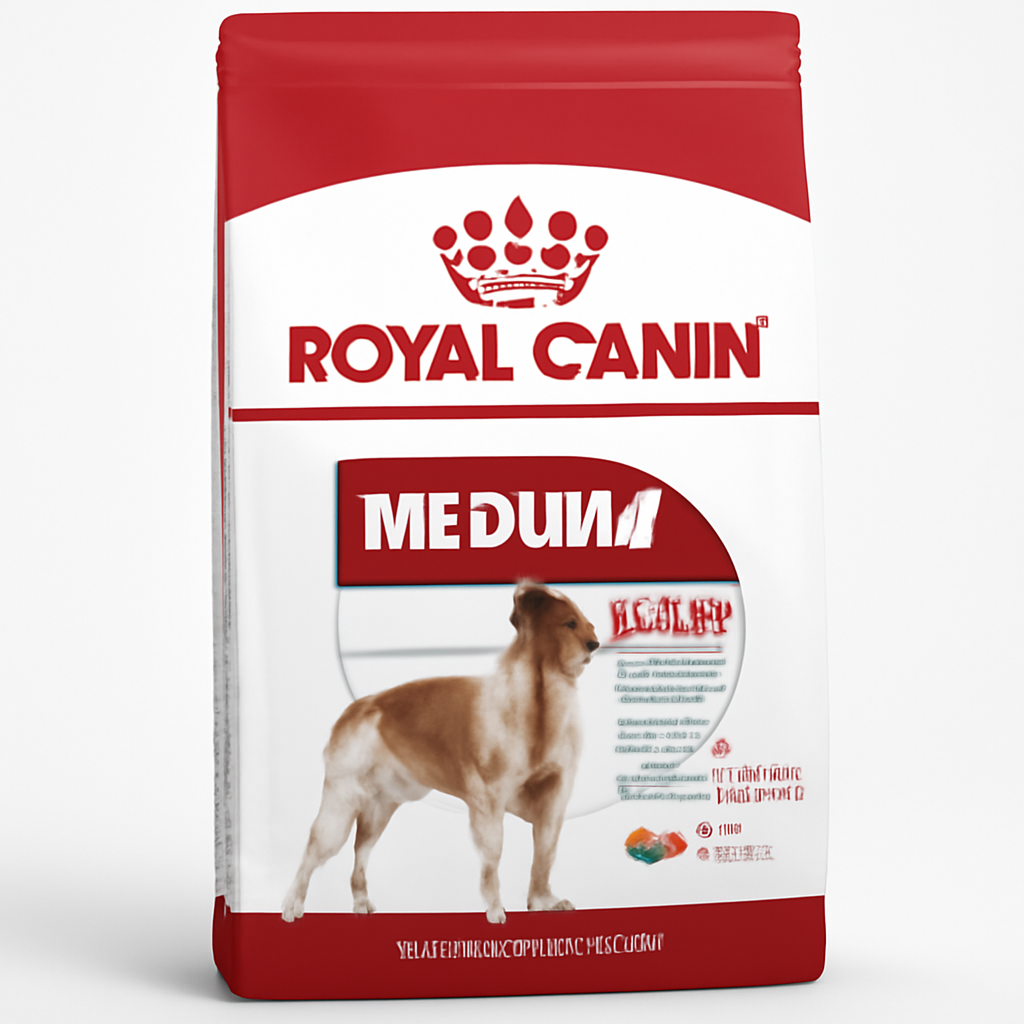
| Royal Canin Size Health Nutrition | Breed/size-specific feeding | |
| Purina Pro Plan Sensitive Skin & Stomach | Dogs with mild digestive or skin issues | |
| The Farmer’s Dog (fresh) | Picky eaters, premium fresh diet | |
| Blue Buffalo Life Protection Formula | Natural-ingredient seekers on a mid budget |
—
Understanding Your Dog’s Nutritional Needs by Age and Breed
There is no single “best” dog food — only the best food for your dog. The two biggest factors are life stage and size/breed.
Life stage matters most
– Puppies need more protein, fat, and calories per pound to fuel rapid growth, plus carefully balanced calcium and phosphorus for healthy bones. Always choose a formula labeled for “growth” or “all life stages.”
– Adult dogs (roughly 1–7 years) need maintenance nutrition that holds a healthy weight without overfeeding.
– Senior dogs (7+, or 5+ for giant breeds) often benefit from fewer calories, joint-supporting nutrients like glucosamine, and easier-to-digest protein.
Size and breed change the equation
A Great Dane and a Chihuahua have wildly different needs:
– Large and giant breeds are prone to joint issues and need controlled calcium during puppyhood to prevent skeletal problems. Look for large-breed-specific formulas.
– Small breeds have fast metabolisms and tiny mouths — small kibble and calorie-dense food help.
– Breed-prone conditions matter too: bulldogs with skin sensitivities, retrievers prone to weight gain, and dachshunds at risk of obesity-driven back problems all benefit from targeted formulas.
Royal Canin Size Health Nutrition built its reputation on this exact idea — kibble shaped, sized, and formulated for specific breeds and body sizes. If your dog is a purebred with known breed tendencies, it’s worth a look.
—
How to Read a Dog Food Label (Ingredients & Guaranteed Analysis)
Marketing lives on the front of the bag. The truth lives on the back. Here’s how to read it.
The AAFCO statement is non-negotiable
Look for a line like “formulated to meet the nutritional levels established by the AAFCO Dog Food Nutrient Profiles.” Even better is a statement that the food passed feeding trials. This single sentence tells you the food is nutritionally complete and balanced — not just a topper or treat.
The ingredient list
Ingredients are listed by weight before cooking. A few rules of thumb:
– A named protein should come first — “chicken,” “lamb,” or “beef,” not vague “meat by-products.”
– “Meal” isn’t bad. “Chicken meal” is concentrated protein with the water removed, often delivering more protein than fresh chicken.
– Watch for splitting. If a bag lists “corn,” “corn gluten,” and “ground corn” separately, the manufacturer may be hiding how much filler is really there.
Guaranteed Analysis
This box lists minimum protein and fat, plus maximum fiber and moisture. Use it to compare foods — but remember that wet food’s high moisture makes its percentages look lower than dry food’s. To compare fairly, convert to a dry matter basis (or just compare wet-to-wet and dry-to-dry).
—
Dry vs. Wet vs. Fresh vs. Raw: Comparing Food Types
Each format has real trade-offs. There’s no universally correct choice.
| Food Type | Pros | Cons |
| Dry (kibble) | Affordable, convenient, good for dental wear, long shelf life | Lower moisture, more processed |
| Wet (canned) | High moisture, palatable, good for picky/senior dogs | Pricier per calorie, spoils fast once opened |
| Fresh (refrigerated) | Minimally processed, highly palatable, portioned | Expensive, needs fridge/freezer space |
| Raw | Minimal processing, advocates cite coat/energy benefits | Food-safety risks, nutritional balance hard to guarantee |
Dry food: the default for good reason
Kibble like Hill’s Science Diet Adult remains the most popular choice because it’s affordable, shelf-stable, and easy to portion. Quality varies enormously, so the brand and formula matter more than the format.
Fresh food: the premium upgrade
Subscription fresh-food services like The Farmer’s Dog have surged in popularity. They deliver pre-portioned, gently cooked meals based on your dog’s weight and goals. The catch is cost — fresh food can run several times the price of kibble.
A word on raw
Raw diets have passionate fans, but major veterinary organizations caution about bacterial contamination (salmonella, listeria) and the difficulty of keeping homemade raw diets nutritionally balanced. If you go raw, use a reputable commercial product and talk to your vet first.
—
Key Ingredients to Look For (and Red Flags to Avoid)
Green flags
– Named animal proteins as the first ingredient (chicken, salmon, lamb)
– Whole vegetables and fruits (sweet potato, peas, blueberries)
– Named fats (chicken fat, fish oil) — sources of skin- and coat-supporting omega fatty acids
– Guaranteed live probiotics for digestion in some formulas
– Glucosamine and chondroitin for joint support, especially in large-breed and senior foods
Red flags
– Unnamed “meat by-product meal” or “animal fat” with no species named
– Artificial colors and dyes — purely cosmetic, for you, not your dog
– Chemical preservatives like BHA, BHT, and ethoxyquin (look for natural tocopherols/vitamin E instead)
– Excessive fillers — heavy reliance on corn, wheat, or soy near the top of the list
– Vague sourcing claims with no AAFCO statement to back them up
About grain-free
Grain-free exploded in popularity, but in recent years the FDA investigated a possible link between certain grain-free diets (often heavy in legumes like peas and lentils) and a heart condition called dilated cardiomyopathy (DCM). The science is still evolving, but the takeaway is clear: don’t go grain-free unless your dog has a diagnosed grain allergy, which is actually quite rare. Most dogs do well with wholesome grains like brown rice and oats.
—
Matching Food to Health Conditions and Allergies
If your dog has a specific health issue, food becomes part of the treatment plan.
Sensitive skin and stomach
Recurring itching, ear infections, loose stools, or gas often point to food sensitivities. A limited-ingredient diet with a single novel protein can help you identify the culprit. Purina Pro Plan Sensitive Skin & Stomach is a popular, accessible option built around salmon and oatmeal with no corn, wheat, or soy.
Purina Pro Plan Sensitive Skin & Stomach — Pros & Cons
– ✅ Salmon-first formula rich in omega-3s for skin and coat
– ✅ Includes live probiotics for digestive health
– ✅ Widely available and mid-priced
– ❌ Not a true single-protein limited-ingredient diet
– ❌ Some dogs with severe allergies still need a prescription formula
Weight management
Overweight dogs need calorie-controlled food and strict portioning — not just less of their regular food, which can shortchange nutrients. Many brands offer dedicated “weight management” or “healthy weight” formulas.
Prescription and therapeutic diets
For kidney disease, urinary stones, severe allergies, or diabetes, your vet may prescribe a therapeutic diet. These are formulated for specific medical needs and require a vet’s authorization — don’t substitute an over-the-counter “lookalike.”
Natural-ingredient seekers
If you want recognizable, natural ingredients without going prescription, Blue Buffalo Life Protection Formula is a mid-budget favorite built around deboned chicken, brown rice, and its “LifeSource Bits” of vitamins and antioxidants.
Blue Buffalo Life Protection Formula — Pros & Cons
– ✅ Deboned real meat as the first ingredient
– ✅ No chicken/poultry by-product meals, corn, wheat, or soy
– ✅ Many life-stage and breed-size options
– ❌ Pricier than basic grocery-store kibble
– ❌ Some dogs pick out and leave the LifeSource Bits
—
Setting a Budget: Cost vs. Quality Trade-offs
You don’t need the most expensive food to feed your dog well — but the cheapest options often cut corners on protein quality and digestibility.
Think in cost-per-day, not cost-per-bag
A premium food may cost more per bag but deliver more nutrition per cup, meaning you feed less. Cheap fillers can mean larger portions, more waste, and a hungrier dog. Calculate cost-per-day for a fair comparison.
Rough tiers
– Budget ($): Grocery-store brands. Acceptable if they carry an AAFCO statement, but ingredient quality is basic.
– Mid-range ($$): Brands like Blue Buffalo and Purina Pro Plan — the sweet spot for most owners balancing quality and cost.
– Premium ($$$): Vet-formulated lines like Hill’s Science Diet and fresh subscriptions like The Farmer’s Dog.
The hidden cost of cheap food
Poor-quality diets can contribute to skin problems, digestive issues, and weight trouble — which mean vet bills. Spending a bit more on food is often cheaper than treating problems later. That said, the priciest bag isn’t automatically the best; match the food to your dog, not to the marketing.
—
Top Questions to Ask Your Vet Before Switching Foods
Your vet knows your dog’s medical history. Before any switch, ask:
1. Is my dog’s current weight and body condition healthy? This anchors how many calories they actually need.
2. Does my dog have any conditions that call for a specific or prescription diet?
3. Is grain-free appropriate for my dog, or should I stick with grains?
4. How should I transition foods to avoid stomach upset? (The standard answer: gradually over 7–10 days, mixing increasing amounts of the new food in.)
5. Are there ingredients I should specifically avoid given my dog’s history?
6. How much should I feed, and how often? Bag guidelines are starting points, not gospel.
Bring the labels — or photos of them — to your appointment so your vet can review the guaranteed analysis and ingredients with you.
—
Our Verdict
The “best” dog food is the one that fits your dog’s age, size, and health — and that you can afford to feed consistently. Here’s how we’d choose in 2026:
– For most healthy adult dogs, start with a vet-trusted, balanced kibble like Hill’s Science Diet Adult. It’s well-researched, widely available, and reliable.
– For breed- or size-specific needs, Royal Canin Size Health Nutrition is purpose-built and hard to beat.
– For sensitive stomachs and itchy skin, Purina Pro Plan Sensitive Skin & Stomach offers targeted relief at a reasonable price.
– For natural-ingredient seekers on a mid budget, Blue Buffalo Life Protection Formula delivers recognizable ingredients without going prescription.
– For picky eaters or owners wanting a premium fresh diet, The Farmer’s Dog is the standout subscription option — if it fits your budget.
Whatever you choose, check for the AAFCO statement, lead with a named protein, match the formula to your dog’s life stage, and transition gradually. Do that, and you’ve already beaten most of the marketing noise on the shelf.
Always consult your veterinarian before making significant changes to your dog’s diet, especially if your dog has a known health condition.