Quick Answer
If you need a phone tripod stand right now, the Joby GorillaPod Mobile Rig offers the best balance of flexibility and portability for most users. For a budget option, the Neewer Phone Tripod Stand delivers solid stability at half the price. Content creators should consider the Manfrotto Befree Advanced, while those wanting a desktop powerhouse will love the Peak Design Travel Tripod.
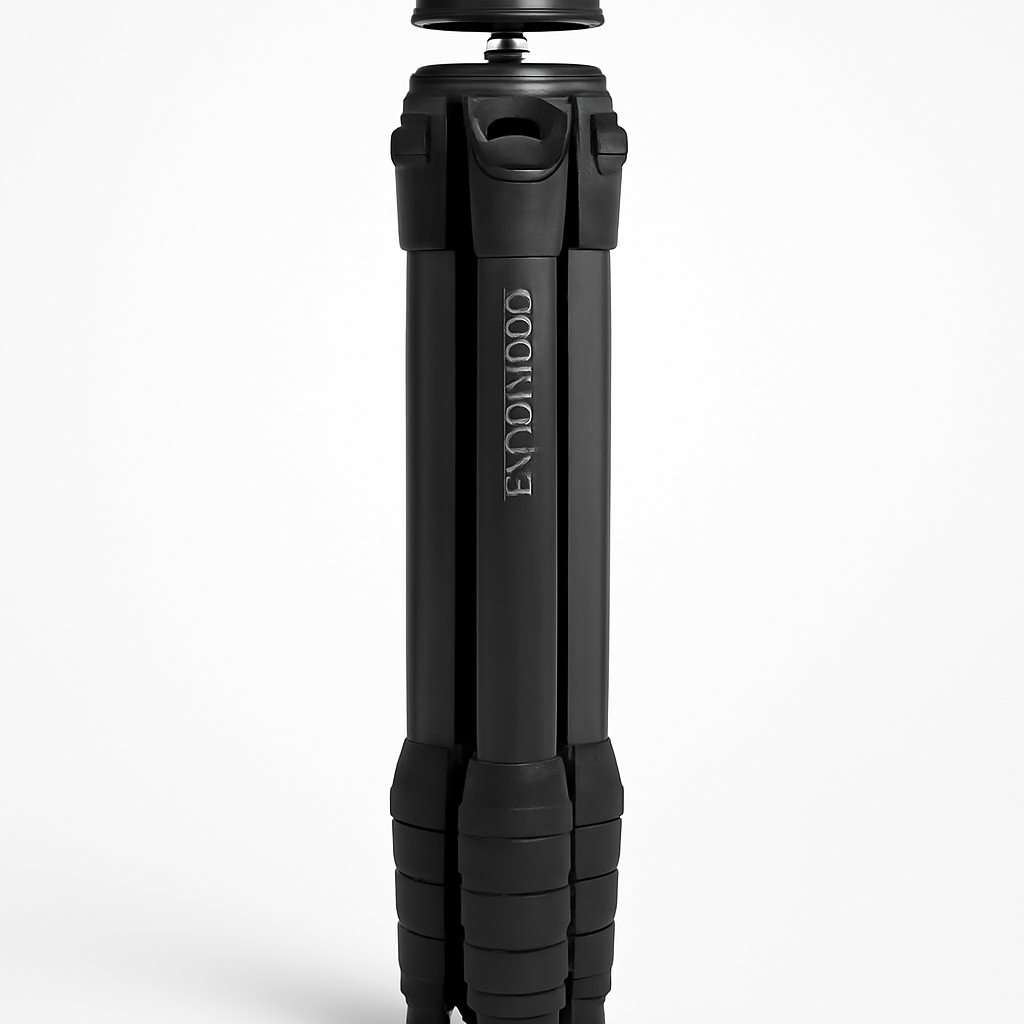
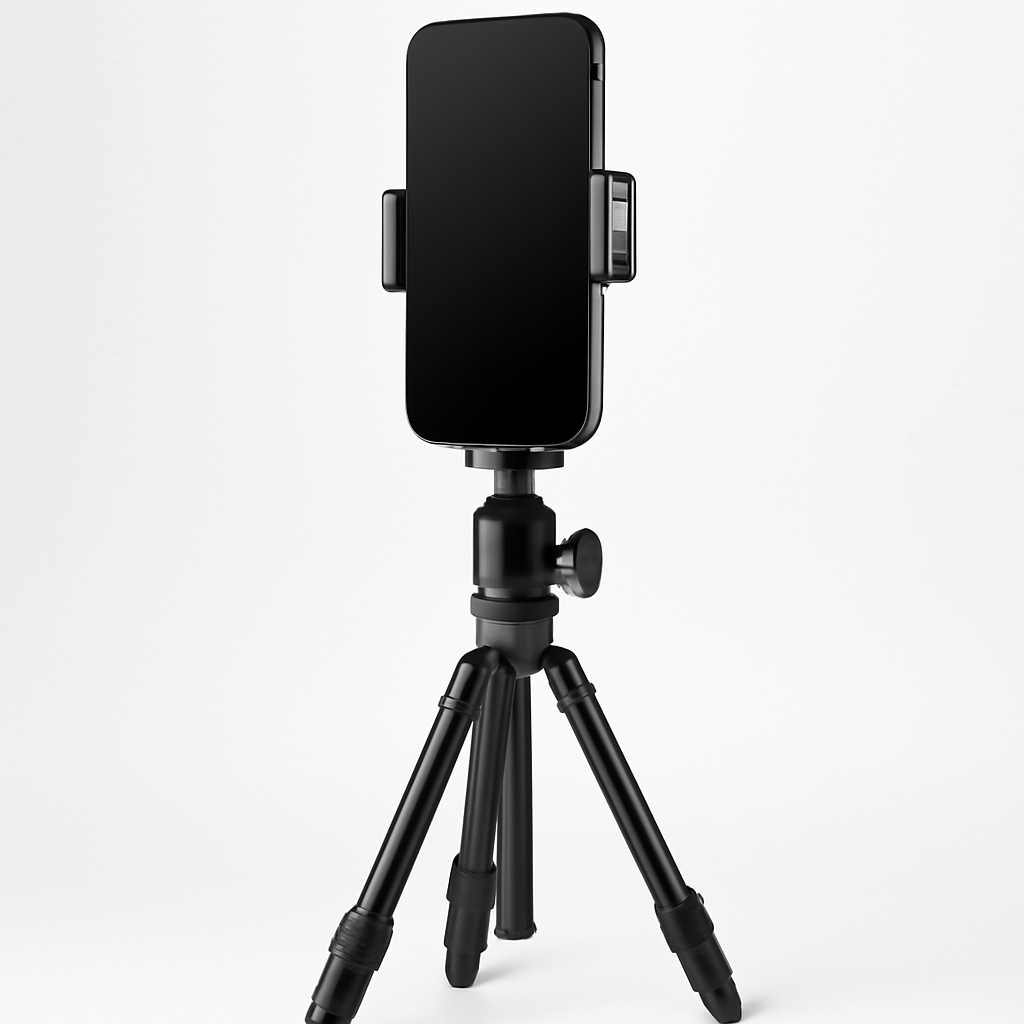
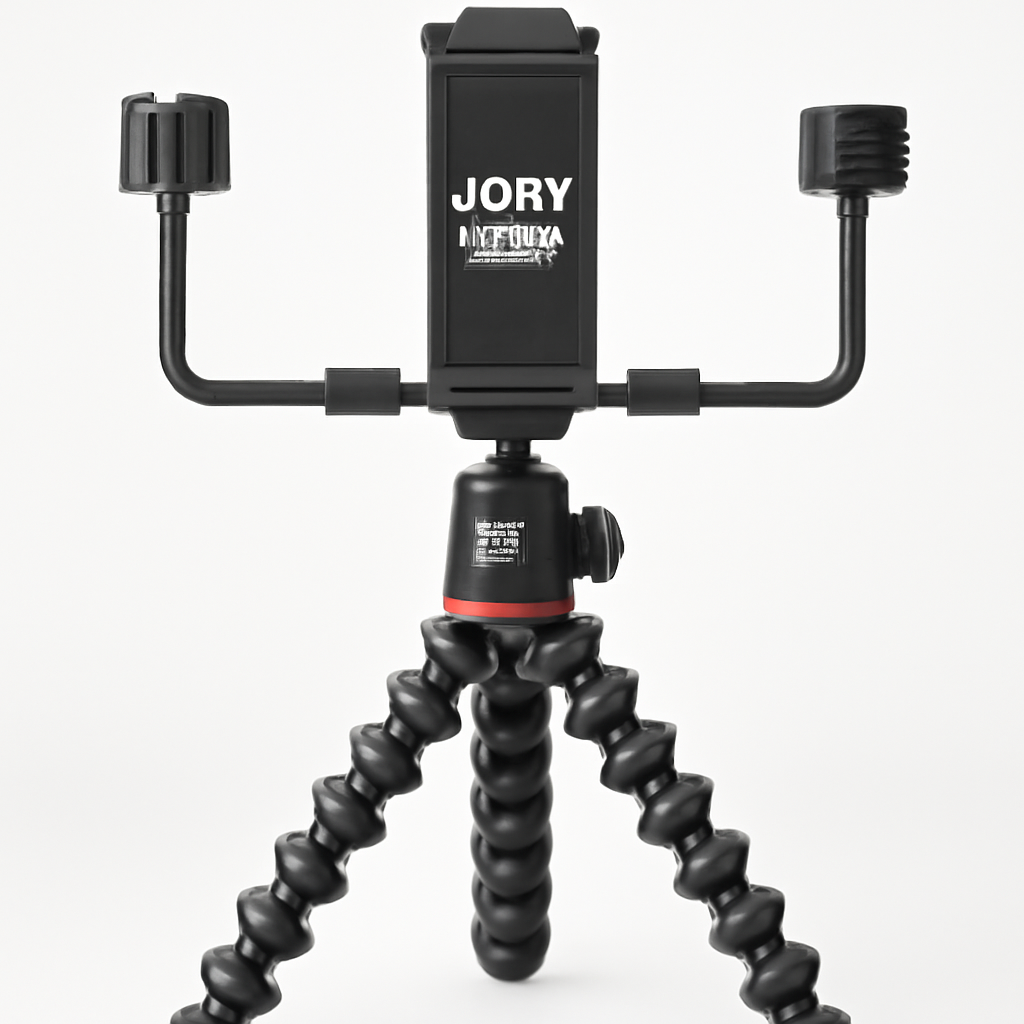
The right phone tripod depends on your primary use—whether that’s casual video calls, social media content creation, or professional streaming. This guide breaks down everything you need to know to make an informed decision.
—
What to Look for in a Phone Tripod Stand
Before diving into specific products, let’s talk about what actually matters when you’re choosing a phone tripod.
Height and Extension
Height matters more than you’d think. A tripod that only extends to shoulder height won’t work for overhead flat-lay shots or proper framing for video conferencing. Look for stands that reach at least 50-60 inches when fully extended, especially if you’re filming content or presenting on video calls.
The best tripods offer multiple leg sections (usually 3-4) that allow you to adjust height independently. This gives you flexibility for different angles and setups.
Stability and Weight Capacity
Your phone tripod needs to hold your phone steady without wobbling. The heavier and more top-heavy your phone (or phone + lens setup), the more important a sturdy base becomes.
Look at:
– Center of gravity — Does weight distribute evenly across the legs?
– Leg angle adjustment — Can you spread legs wider for more stability?
– Ballhead quality — A smooth, friction-controlled head prevents drift
– Material — Aluminum is lighter than steel but equally sturdy; carbon fiber is premium
– Weight capacity — Should be rated for at least 1-2 lbs more than your phone
Phone Holder Design
The mount that actually grips your phone is critical. Your options include:
– Spring clamps — Quick to attach/detach, work with various phone sizes, but can shift
– Friction arms — Adjustable grip strength, very secure, slower to mount
– Quick-release plates — Professional-grade, consistent positioning
– Flexible mounts — Wrap around phone, unique angles, occasionally unstable
The best stands let you adjust the mount quickly without a wrench or screwdriver.
Portability vs. Stability Trade-off
Lightweight tripods are easier to travel with but less stable. Heavy-duty tripods are rock-solid but cumbersome. Consider where you’ll use it most:
– Studio/stationary use → Prioritize stability and height
– Travel/outdoor content → Prioritize weight and compactness
– Hybrid use → Look for mid-weight aluminum options
Additional Features Worth Considering
– Bluetooth remote control — Wireless triggers for hands-free recording
– Carrying case — Protection and easy transport
– Ball head — Smooth panning and tilting
– Geared column — Fine-height adjustments without leg extension
– Smartphone-specific legs — Curved legs designed for phone mounting
—
Best Overall Phone Tripod Stands for 2026
Joby GorillaPod Mobile Rig
The Joby GorillaPod Mobile Rig remains our top recommendation because it solves a fundamental problem: you want something that works anywhere, anytime.
The signature bendable legs with ball-and-socket joints let you wrap the tripod around railings, tree branches, or picture frames. This flexibility means you’re not limited to level ground or flat surfaces.
Specifications:
– Weight: ~7 oz
– Height: Up to 12 inches (compact, not tall)
– Phone grip: Dual adjustable clamps
– Best for: Vlogging, travel, creative angles
Pros:
– Unmatched versatility in positioning
– Lightweight and fits in any bag
– Works on uneven surfaces naturally
– Great for unique camera angles
– Excellent build quality
Cons:
– Limited height compared to traditional tripods
– Not ideal if you need eye-level framing
– Phone mount can shift if gripped too loosely
– Price is higher than basic tripods
The GorillaPod isn’t a traditional tripod—it’s a positioning tool. If you need traditional tripod height with standard legs, look elsewhere. But for creative content creators who value flexibility over convention, this is the winner.
Manfrotto Befree Advanced
The Manfrotto Befree Advanced is the go-to for videographers and serious content creators.
This aluminum tripod combines professional-grade stability with surprisingly lightweight construction (1.35 lbs). The smooth ball head gives you precise framing control, and the twist-lock leg sections extend from 15 inches to 56.7 inches.
Specifications:
– Weight: 1.35 lbs
– Max height: 56.7 inches
– Phone holder: Includes universal smartphone clamp
– Ball head: Smooth friction control
Pros:
– Professional build quality
– Excellent height range
– Precise, smooth ball head
– Lightweight for travel
– Legs fold to compact 15.7 inches
– Proven stability for video work
Cons:
– Higher price point
– Steeper learning curve for height adjustment
– Phone mount isn’t as secure as high-end professional rigs
– Can feel delicate to beginners
This is the tripod for creators who understand composition and want tools that deliver consistency. If you’re shooting TikToks, YouTube videos, or Instagram Reels regularly, this investment pays off through professional-looking output.
—
Budget-Friendly Phone Tripod Options
You don’t need to spend $150+ to get a functional tripod stand.
Neewer Phone Tripod Stand
The Neewer Phone Tripod Stand is our pick for budget-conscious users who won’t sacrifice function.
This aluminum tripod extends to 54 inches, includes a phone holder with adjustable clamps, and a remote control shutter for hands-free recording. At roughly half the price of premium competitors, it’s hard to beat the value.
Specifications:
– Weight: ~1.7 lbs
– Max height: 54 inches
– Phone grip: Adjustable clamp holder
– Includes: Bluetooth remote
Pros:
– Exceptional value for the price
– Includes wireless remote (adds $30+ value alone)
– Sturdy aluminum construction
– Good height range
– Phone holder adjusts to various sizes
Cons:
– Slightly heavier than comparable models
– Ball head is more basic than premium versions
– Not as refined as professional-grade options
– Stability on uneven surfaces is adequate but not excellent
Who should buy this: Casual users recording content on a budget, people just getting into video creation, or anyone who needs a reliable backup tripod.
—
Premium Phone Tripod Stands Worth the Investment
If you’re buying for professional use or want a tripod that’ll last a decade, these are worth the premium pricing.
Peak Design Travel Tripod
The Peak Design Travel Tripod represents the cutting edge of lightweight tripod engineering.
Made from carbon fiber, it’s incredibly light (1.3 lbs) without sacrificing an ounce of stability. The ball head has been refined through years of professional feedback, and the quick-change system means your phone mount stays perfectly positioned.
Specifications:
– Weight: 1.3 lbs
– Max height: 55.3 inches
– Material: Carbon fiber
– Phone mount: MagSafe-compatible quick plate
Pros:
– Ultralight carbon fiber construction
– Professional-grade ball head
– Exceptional build quality
– Very stable despite low weight
– Quick-change mounting system
– Lifetime warranty
– Sleek, premium design
Cons:
– Highest price point of our recommendations
– Overkill for casual use
– Quick-learning curve for the system
– Premium price doesn’t add proportional functionality
Who should buy this: Travel videographers, professional content creators who shoot constantly, and anyone who appreciates exceptional engineering and design.
—
Phone Tripod Stands for Content Creators
Content creation demands different things from your gear depending on your niche.
For TikTok/Short-Form Video
You need quick setup, multiple angles, and compact storage. The Joby GorillaPod Mobile Rig is perfect here—you can clamp it to furniture, wrap it around objects, and switch angles in seconds. Pair it with a wireless remote (like those included with budget tripods), and you’re ready to film anywhere in your home or on location.
For YouTube and Long-Form Content
You need height, stability, and consistent framing. Invest in a proper tripod like the Manfrotto Befree Advanced. Longer videos mean your phone needs to stay absolutely still without drift. The ball head’s precision is worth the money here.
For Live Streaming
You need height, stability, and the ability to mount additional equipment. The Peak Design Travel Tripod shines here because its ball head can handle phones, lights, and microphone rigs simultaneously. You’re paying for the professional mounting system that keeps everything aligned.
For Instagram Reels and Stories
Budget tripods like the Neewer work perfectly for short vertical video. You don’t need carbon fiber or fancy ball heads for 15-30 second clips. Invest that saved money into good lighting instead.
—
Comparison: Adjustability, Stability & Portability
| Product | Best For | Height Range | Weight | Portability | Stability | Price Range |
| Joby GorillaPod Mobile Rig | Creative positioning, travel | 12 inches max | 7 oz | Excellent | Good* | $35-45 |
| Neewer Phone Tripod Stand | Budget-conscious creators | 54 inches | 1.7 lbs | Good | Very Good | $25-35 |
| Manfrotto Befree Advanced | Video professionals | 56.7 inches | 1.35 lbs | Excellent | Excellent | $100-130 |
| Peak Design Travel Tripod | Premium travel/professionals | 55.3 inches | 1.3 lbs | Excellent | Excellent | $180-220 |
*GorillaPod’s stability depends on how well you can position it; on a flat surface it’s adequate, on wrapped objects it excels.
—
How to Choose the Right Phone Tripod for Your Needs
Step 1: Define Your Primary Use Case
Ask yourself: Where will I use this tripod most?
– Home studio/office → Prioritize height and stability; portability is secondary
– Travel and outdoor → Prioritize weight and compactness
– Mixed use → Look for mid-range options with good all-around specs
– Content creation → Prioritize smooth adjustments and professional mounting
Step 2: Determine Your Height Requirements
What’s your actual eye level? Measure from the floor to your eye, then add 6-12 inches for good framing. If you’re 6 feet tall, you need at least 72-84 inches of height. Many “smartphone tripods” max out around 54 inches, which won’t reach your eye level.
Pro tip: A tripod that fully extends beyond your eye level is more versatile—you can shoot down at angles or adjust for shorter perspectives.
Step 3: Consider Your Phone Setup
Are you shooting with just your phone, or adding accessories?
– Phone only → Basic clamp holders work fine
– Phone + wide lens → Need heavier-duty clamps
– Phone + microphone + light → Invest in professional quick-mount systems
– Multiple phones simultaneously → Look for rigs designed for multiple mounts
Step 4: Evaluate Your Budget Honestly
Don’t overspend on features you won’t use. But also don’t undersave if you’re buying something you’ll use 5+ times per week. Consider cost-per-use:
– $30 tripod used 2x/year = $15 per use
– $150 tripod used 3x/week = $0.96 per use
Quality matters more when you use equipment frequently.
Step 5: Check Portability Needs
Will you carry this tripod regularly? If yes:
– Compact size when folded (under 20 inches is ideal)
– Low weight (under 2 lbs if you’re carrying it by hand frequently)
– Carrying case included (saves $20-30)
– Durable legs that lock firmly (prevents accidental extension in bags)
—
Our Verdict
Here’s what we recommend based on different needs:
Best Overall Value: Joby GorillaPod Mobile Rig
If you want a single tripod that handles 90% of situations creatively and works everywhere, get this. It’s not a replacement for traditional tripods, but it’s the most versatile stand most people will ever own.
Best Traditional Tripod on a Budget: Neewer Phone Tripod Stand
For your first tripod or a backup stand, this delivers solid functionality at an honest price. The included remote is a nice bonus that justifies the purchase alone.
Best for Serious Content Creation: Manfrotto Befree Advanced
This is the tripod that will grow with you as your content improves. The ball head’s precision and aluminum construction mean you’ll use this for years. If you’re investing time in creating content, invest the money here.
Best Premium Option: Peak Design Travel Tripod
Carbon fiber, lifetime warranty, professional build quality—this is the tripod you buy once and never replace. It’s expensive, but for professionals or serious enthusiasts who travel, it’s an investment in consistency and reliability.
—
Final Thoughts
The “best” phone tripod doesn’t exist in a vacuum—it depends entirely on what you’re shooting, where you’re shooting, and how often. A $30 Neewer tripod is genuinely better for casual Instagram Stories than a $200 Peak Design would be (unnecessary complexity), while the reverse is true for a travel vlogger shooting daily content.
Start by honestly assessing your use case. If you’re uncertain between options, the Joby GorillaPod Mobile Rig offers unmatched flexibility—you can always add a traditional tripod later if you discover you need specific height or stability that flexible mounts can’t provide.
Whatever you choose, prioritize stability and smooth adjustments over bells and whistles. A boring tripod that frames consistently and doesn’t drift is better than a feature-packed stand that frustrates you during shoots.
Happy creating.