Quick Answer
You need a phone stand for your car to safely navigate, use GPS, and stay hands-free while driving. The best option depends on your vehicle type and budget: dashboard mounts offer stability, vent mounts are non-invasive, and windshield mounts provide optimal visibility. Look for adjustable grips, sturdy materials, and easy one-handed operation. Proclip USA, Spigen Car Mount Vent, iOttie Easy One Touch 5, and Belkin Car Vent Mount Pro are top contenders across different price ranges and vehicle types.
—
Why You Need a Phone Stand for Your Car
If you’re driving in 2026, your phone is essential—but holding it while steering is dangerous, illegal in most places, and incredibly distracting. A proper car phone mount solves this problem completely.
Here’s what a good phone stand actually does for you:
– Keeps your hands on the wheel — You can safely navigate GPS directions without fumbling
– Reduces distraction-related accidents — Eyes stay on the road, not your lap
– Makes phone calls safer — Take calls hands-free without bluetooth alone
– Protects your phone — Prevents drops, sliding, and dashboard scratches
– Improves navigation accuracy — See your maps at eye level instead of looking down
– Meets legal requirements — Most states now require hands-free operation while driving
Whether you’re commuting daily, doing rideshare deliveries, or taking a road trip, a phone stand moves from “nice to have” to essential safety gear.
—
Types of Car Phone Mounts: Dashboard, Vent & Windshield Options
Car phone stands aren’t one-size-fits-all. Each mounting style has different strengths depending on your vehicle and priorities.
Dashboard Mounts
How they work: Adhesive pads attach directly to your dashboard or windshield near the steering wheel.
Best for:
– Vehicles with smooth dashboard surfaces
– Drivers who want maximum visibility
– People who switch phones frequently (removable pads)
– Minimalist dashboard setups
Trade-offs:
– Adhesive residue can damage dash finish if removed
– Less stable than vent mounts on bumpy roads
– May block climate controls if placed poorly
– Requires clean surface for proper adhesion
Vent Mounts
How they work: Spring-loaded clips grip your vehicle’s air vents. No adhesive needed.
Best for:
– Rental cars or borrowed vehicles
– Drivers who don’t want permanent modifications
– Hot climates (proximity to cool air)
– Quick phone swaps between drivers
Trade-offs:
– Can reduce airflow from vents
– May not work with all vent designs (horizontal vs. vertical)
– Less stable on rough terrain than dashboard mounts
– Vents without horizontal bars won’t grip properly
Windshield Mounts
How they work: Suction cups attach to windshield glass. Often highly adjustable with ball joints.
Best for:
– Maximum visibility and eye-level viewing
– Drivers with cluttered dashboards
– Frequent travelers (easy to remove and reuse)
– Large phone screens (better support position)
Trade-offs:
– Can leave suction cup marks if left in sun long-term
– Requires windshield space (some people find it obstructs view)
– Suction cups weaken over time, especially in heat
– May not be legal in some areas if blocking sightline
—
Key Features to Look For in 2026 Phone Car Stands
The phone mount market has matured significantly. Here’s what separates mediocre mounts from ones worth your money.
Grip Stability & Material Quality
What matters: Your phone will experience vibrations, road bumps, and acceleration forces. A weak grip leads to slipping, tilting, or—worst case—your phone sliding onto the floor at 60 mph.
Look for:
– Multi-point grips — At least 3 contact points (top, bottom, sides)
– Soft padding — Prevents scratches on glass and phone back
– Rotating arms — Automatically adjust as you move
– Shock absorption — Silicone or gel padding reduces vibration transfer
One-Handed Operation
What matters: You’ll need to place and remove your phone while driving, parked, or at stoplights. Complicated mounts with multiple steps are dangerous and annoying.
Best designs include:
– Auto-clamping arms — Phone triggers arms to clamp automatically
– Single-button release — Remove phone with thumb press
– No tools required — Everything adjustable by hand
Compatibility Across Phone Sizes
What matters: Modern phones range from 4.7″ to 6.9″ screens. You might upgrade models every 2-3 years or use tablets occasionally.
Check for:
– Adjustable arms that accommodate 4.5″ to 7″ devices
– Universal mounting (not branded for iPhone/Android specifically)
– MagSafe compatibility (if you use magnetic phone cases)
– Weight limits clearly stated (usually 200-500g)
Heat & Sun Resistance
What matters: Your car’s interior heats to 140°F+ in summer. Plastic mounts can warp, adhesive can fail, and suction cups lose grip.
Look for:
– Heat-resistant materials — Aluminum frames, reinforced plastics
– UV-resistant adhesives — Won’t degrade in sunlight
– Ventilated designs — Don’t trap heat around the phone
– Temperature range specs — Should handle -20°F to 158°F
Installation Reversibility
What matters: You might sell your car, lease vehicles, or upgrade your setup. Permanent damage to your car’s interior is expensive and unnecessary.
Prioritize:
– Non-adhesive mounting — Vent clips, suction cups
– Removable adhesive pads — 3M brand backing that comes clean
– No drilling required — Ever
– Zero residue removal — Leaves no marks when removed
—
Best Phone Stands for Car by Budget
Budget-Friendly ($15-$35)
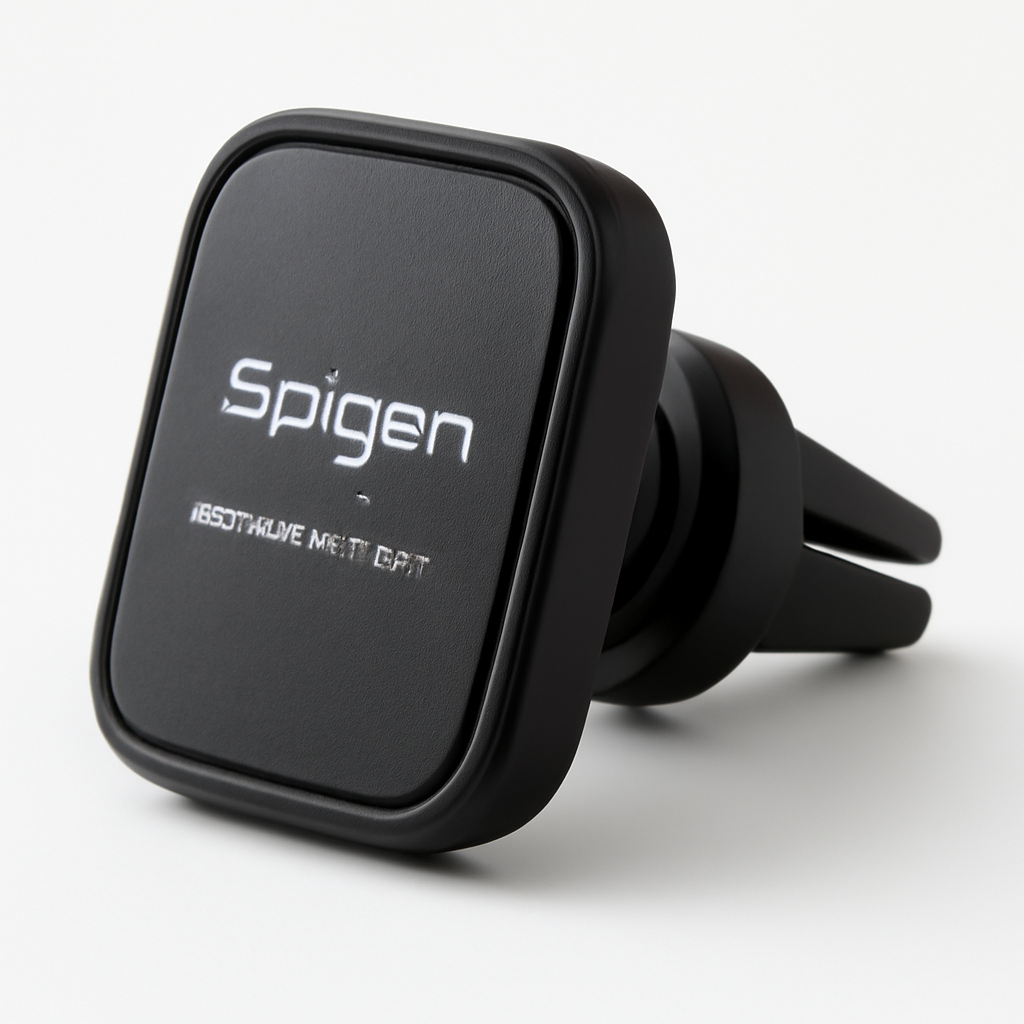
Spigen Car Mount Vent
The Spigen vent mount is the bare-bones option that actually works. Simple spring-loaded arms, fits most vent types, and grips securely.
Pros:
– Incredibly affordable
– Lightweight and unobtrusive
– Works with cases and without
– No adhesive means zero commitment
Cons:
– Blocks some vent airflow
– Not adjustable (fixed angle)
– Plastic construction feels cheaper than premium options
—
Mid-Range ($35-$80)
iOttie Easy One Touch 5
The iOttie is the benchmark mid-range mount. Dashboard or windshield adhesive, one-handed operation, and excellent stability. Thousands of reviews across the web for good reason.
Pros:
– Truly one-handed phone insertion/removal
– Ball joint provides 360° rotation
– Works on dashboard or windshield
– Reliable adhesive that holds for years
Cons:
– Dashboard adhesive can mark plastic in rare cases
– Some users report suction cup weakening after 2+ years in intense heat
– Slightly bulkier than ultra-minimalist designs
—
Premium ($80-$150)
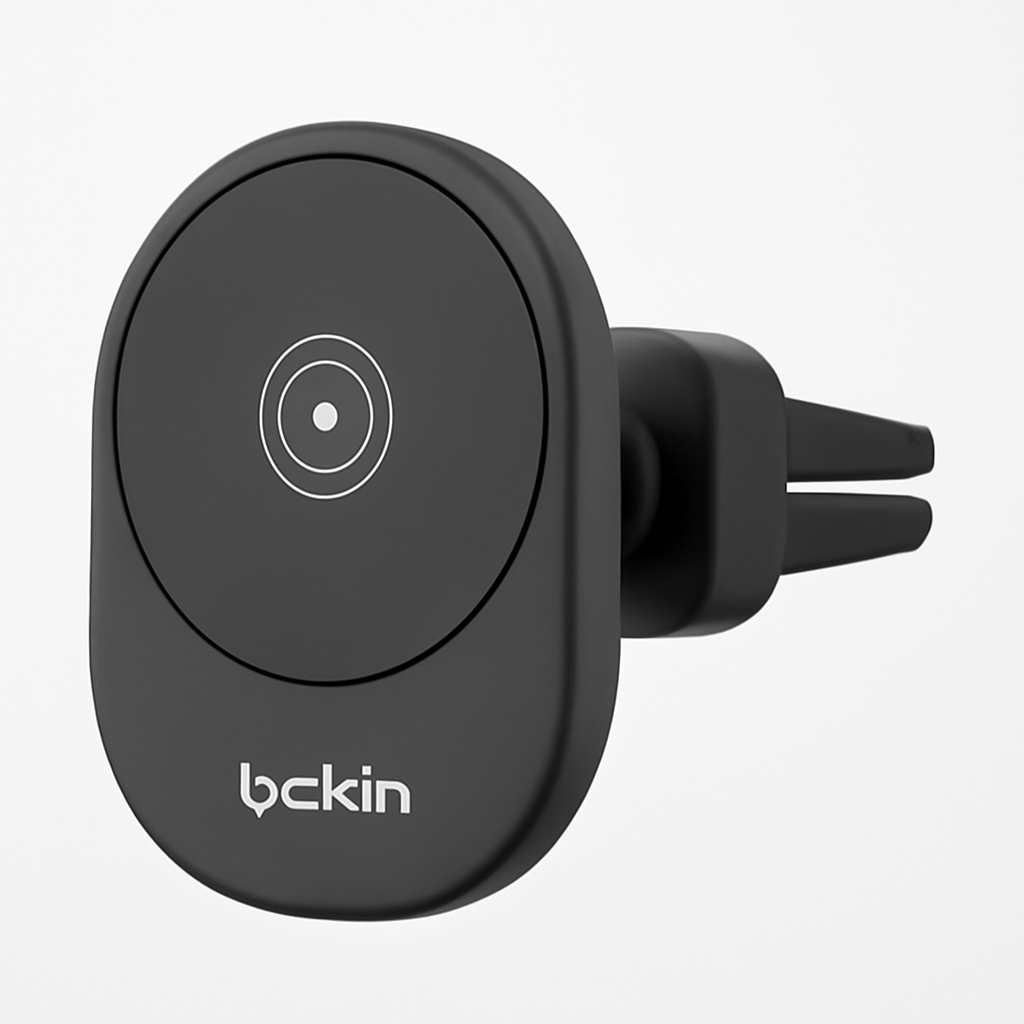
Belkin Car Vent Mount Pro
Belkin’s vent mount represents the premium segment—engineered materials, precision engineering, and brand reliability. Aluminum construction, patented grip technology.
Pros:
– Extremely durable (5+ year lifespan)
– Minimal vent obstruction (thoughtful design)
– Perfect grip without marks on phone
– Lifetime warranty on many models
Cons:
– Higher price point limits budget buyers
– Still requires compatible vent design
– Less adjustable than windshield mounts
—
Professional/Commercial ($150+)
Proclip USA Dashboard Mount
ProClip mounts are engineered for taxi, rideshare, and delivery services. Custom-fitted for specific vehicle models, commercial-grade durability.
Pros:
– Custom-designed for your exact car model
– Military-grade durability
– Professional appearance
– Purpose-built for heavy daily use
Cons:
– Expensive (custom fitment cost)
– Model-specific (won’t transfer between vehicles)
– Overkill for casual drivers
—
Comparison Table: Top Phone Stands for Car at a Glance
| Product | Best For | Mount Type | Price Range | Key Feature |
| Spigen Car Mount Vent | Budget-conscious drivers | Vent Clip | $15–$25 | Simple, effective, affordable |
| iOttie Easy One Touch 5 | Most drivers, flexibility | Dashboard/Windshield | $40–$60 | One-handed clamping, 360° rotation |
| Belkin Car Vent Mount Pro | Daily commuters, durability | Vent Clip | $60–$85 | Premium materials, minimal obstruction |
| Proclip USA | Rideshare, commercial use | Dashboard (custom) | $120–$180 | Vehicle-specific engineering |
—
Installation & Safety Considerations
Dashboard Adhesive Mounts (iOttie, Generic Brands)
Preparation:
1. Clean the dashboard with isopropyl alcohol and let dry completely
2. Choose placement away from airbag deployment zones (check your owner’s manual)
3. Avoid areas above the steering wheel that block your sightline
4. Place mount where it won’t obstruct A/C or radio buttons
Application:
– Apply adhesive pad firmly, holding pressure for 30 seconds
– Wait 24 hours before mounting your phone (adhesive fully cures)
– Start with light use (one phone) before trusting with heavy devices
Safety Note: Never mount directly in your line of sight to the road ahead. Position to the side of your steering wheel so you see the road first.
Vent Clip Mounts (Spigen, Belkin)
Preparation:
1. Identify which vent type you have (horizontal slats vs. vertical design)
2. Choose a vent in your primary sight line but not blocking critical controls
3. Ensure vent is sturdy (some cheap vents can’t handle the pressure)
Application:
– Open the mount’s arms fully
– Insert into vent gradually, spreading clips as needed
– Tighten until snug but not over-compressed (don’t crack plastic vents)
– Test grip by gently pulling sideways before trusting with your phone
Safety Note: Cold weather can make plastic vents brittle. Avoid over-tightening in winter months.
Windshield Suction Cup Mounts
Preparation:
1. Clean windshield with glass cleaner; remove any residue
2. Ensure suction area is completely dry
3. Avoid extreme heat exposure before first use
Application:
– Wet suction cup slightly (saliva or water) for initial adhesion
– Press firmly in a smooth, controlled motion
– Twist suction handle to lock in place
– Wait 5 minutes before mounting phone (suction needs to set)
Safety Note: Never mount where it blocks your view of the road, traffic lights, or pedestrians. Position on lower windshield or passenger-side glass if possible.
Heat & Vibration Management
– Summer driving: Use dashboard shades to keep interior cooler; reapply adhesive after extreme heat cycles
– Rough roads: Test mount stability regularly; loose connections worsen over bumpy terrain
– Long-term use: Check adhesive/suction every 6 months; replace pads showing wear
– Extreme cold: Allow suction cups to warm up before use; cold glass reduces adhesion
—
How to Choose the Right Holder for Your Vehicle
Step 1: Identify Your Vehicle Type & Interior
Dashboard texture:
– Smooth plastic? → Dashboard adhesive mounts work great
– Textured/rough? → Adhesive won’t stick; choose vent or windshield
Vent configuration:
– Horizontal slats? → Most vent mounts work
– Vertical vents? → Limited compatibility; check product reviews first
– No accessible vents? → Windshield or dashboard only
Windshield access:
– Clear glass area below sightline? → Windshield mount is an option
– Windshield tint or obstruction? → Avoid suction cups on tinted areas
Step 2: Consider Your Driving Patterns
Daily commute (short distances, same route):
– Dashboard adhesive mount is stable and never moves
– iOttie Easy One Touch 5 is the popular choice here
Rideshare/delivery (frequent mounting/unmounting):
– Vent mounts that don’t require adhesive
– Or removable dashboard pad systems
– Spigen vent mount handles this perfectly
Road trips (varied conditions, temperature changes):
– Windshield mount with strong suction (easier to relocate hotels/parking)
– Avoid adhesive if you’re constantly moving vehicles
Multiple vehicles (personal car + rental/borrowed):
– Vent mounts only (no permanent installation)
– Suction cup windshield mounts (reusable, portable)
Step 3: Assess Phone & Accessory Compatibility
– Phone size: Confirm mount specs accommodate your device width
– Phone case: Thick cases need mounts with longer grips
– MagSafe: If you use magnetic cases, check for MagSafe-compatible mounts
– Future phones: Choose universal mounts, not brand-specific
Step 4: Prioritize Based on Your Values
| Priority | Best Mount Type |
| Maximum stability | Dashboard adhesive |
| Heat resistance | Vent mount (away from vents) |
| Easy removal | Suction cup windshield |
| Non-invasive | Vent clip |
| Flexibility | Ball joint windshield mount |
| Professional appearance | ProClip custom mount |
—
Top-Rated Phone Stand for Car Models Compared
Head-to-Head: iOttie vs. Belkin vs. Spigen
#### Installation Difficulty
– Spigen: 2/10 (literally clip into vent and go)
– iOttie: 3/10 (clean dashboard, apply adhesive, wait 24 hours)
– Belkin: 2/10 (slightly more refined vent clip than Spigen)
#### Long-Term Durability
– Spigen: 6/10 (plastic fatigues, springs weaken after 2-3 years)
– iOttie: 8/10 (adhesive holds, ball joint stays smooth for 4+ years)
– Belkin: 9/10 (aluminum construction, rated for 5+ years heavy use)
#### Grip Security (Phone Won’t Slip)
– Spigen: 7/10 (adequate spring tension, but minimal padding)
– iOttie: 9/10 (excellent grip, soft pads, won’t mark phone)
– Belkin: 10/10 (engineered grip, zero slippage reports)
#### Adjustability & Flexibility
– Spigen: 2/10 (fixed angle, vent-dependent)
– iOttie: 10/10 (ball joint rotates 360°, dashboard or windshield)
– Belkin: 3/10 (designed for vent-only use, limited angle)
#### Value for Money
– Spigen: 10/10 (under $25, does the job)
– iOttie: 9/10 (around $50, works anywhere, lasts for years)
– Belkin: 7/10 (premium price, excellent quality, but overkill for casual use)
—
Installation: Which Mount Is Actually Easiest?
Fastest Setup (Winner: Spigen Vent Mount)
– Time: 2 minutes
– Process: Open clip arms, insert into vent, tighten
– No prep work, no waiting, use immediately
– Best for: Impatient people, rental cars, temporary needs
Most Stable Once Installed (Winner: iOttie Dashboard)
– Time: 5 minutes + 24-hour cure time
– Process: Clean dash, apply adhesive, wait overnight
– Once set, virtually zero movement on bumpy roads
– Best for: Daily drivers, people who leave phone mounted constantly
Most Adjustable (Winner: iOttie Windshield)
– Time: 3 minutes + 5-minute suction set
– Process: Clean windshield, apply suction cup, tighten
– Can reposition anytime without damage
– Best for: Drivers who like perfect sightline angles, travelers
—
Common Questions About Car Phone Mounts in 2026
Will a phone mount damage my car’s interior?
Most mounts won’t if installed correctly. Adhesive mounts can leave ghosting (